Start A Project

Photography Portfolio

Fifteen ways to point a camera, more or less. Weddings, elopements, brand work, wildlife, real estate, product — the throughline isn't the subject, it's the same eye trying to get the shot that actually looks like what was there, wherever that shot happens to be. Pick a category below, or scroll through the ones that catch your eye.

What the categories have in common

Most of it comes down to light and timing. A plate of food and a bird on a fence post have nothing in common except this: both look wrong under the wrong light and right under the right one, and both give you a narrow window to notice the difference. So the work starts before the camera does. Where the sun will be. Where people will stand. What a room does at four o'clock versus six.

The categories are really just different amounts of control. In a studio I control everything. On a wedding day I control almost nothing and have to read what is happening fast enough to already be standing in the right place. Drone work sits in between, half planning and half weather.

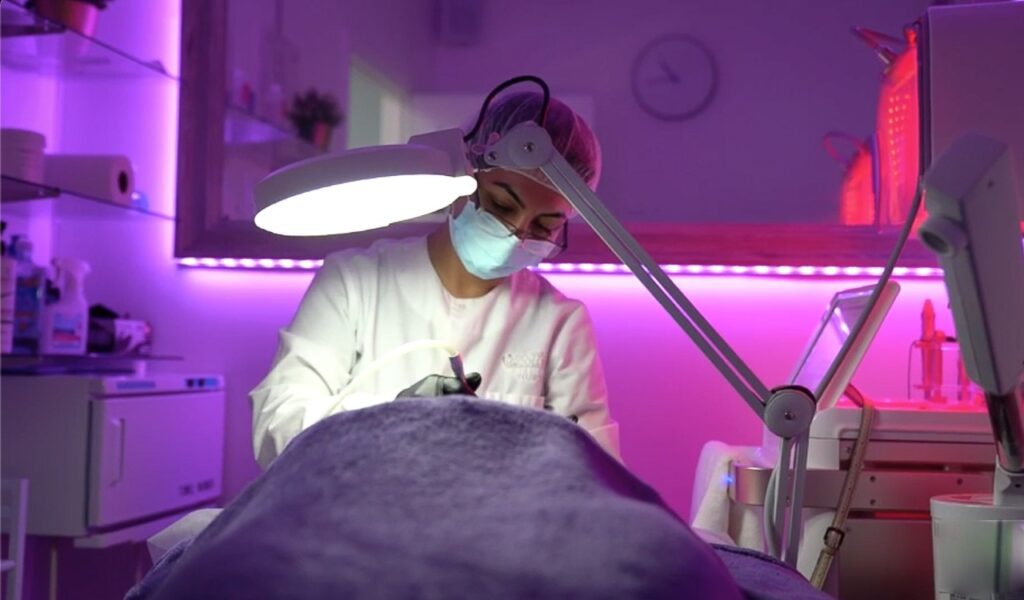
Masked esthetician working under a magnifying lamp on a reclining client in a pink-lit room

Business

VIEW MORE
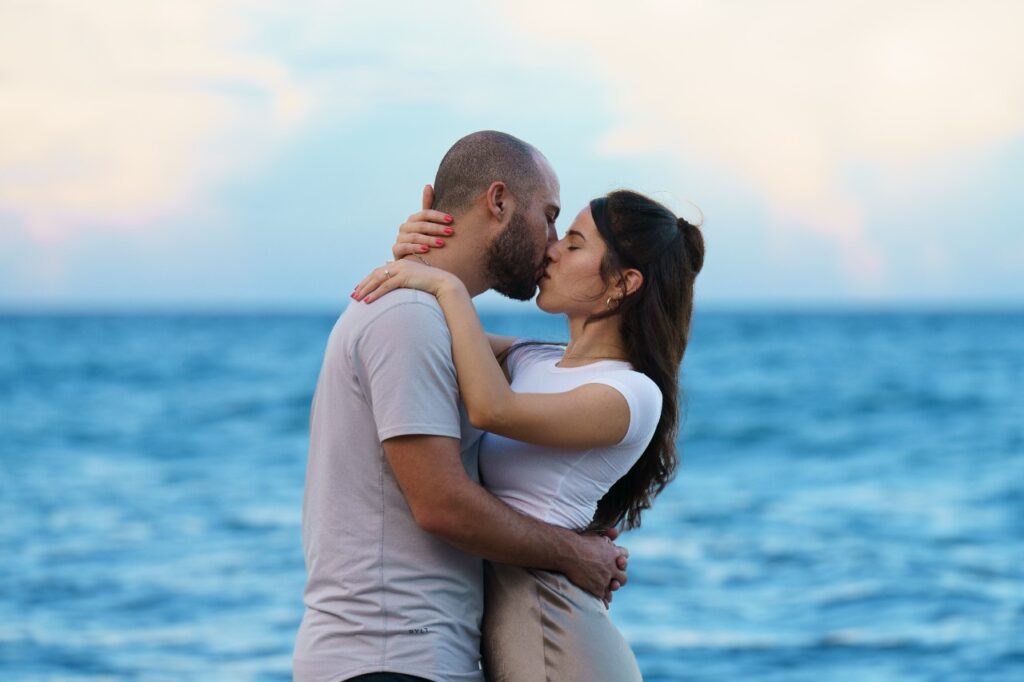
Yosef and Rivki sharing a kiss at sunset during their engagement photography session at Dania Beach Pier

Couples

VIEW MORE
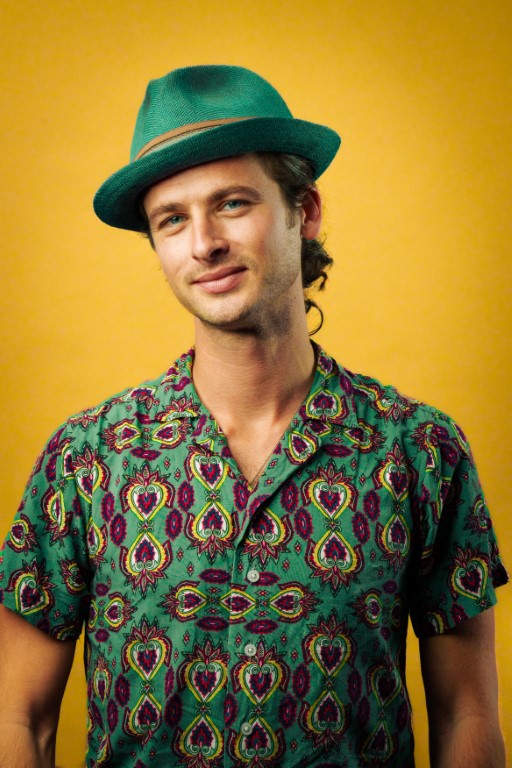
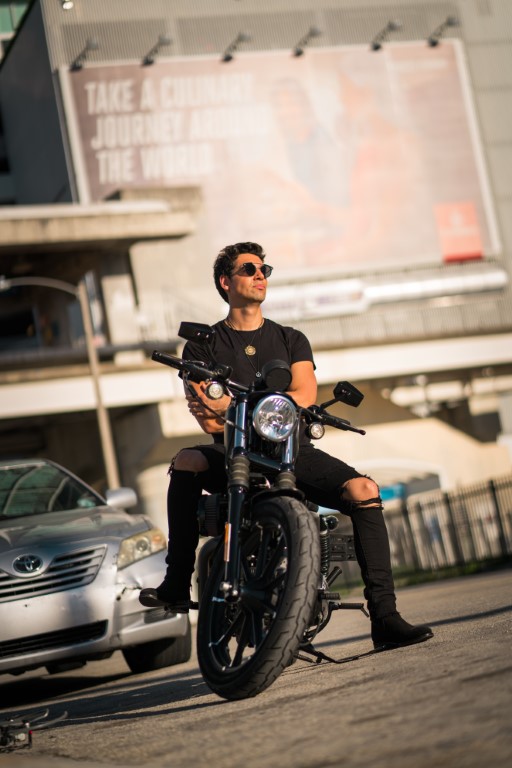
Man in a green fedora and green patterned short-sleeve shirt against a yellow wall

Portrait

VIEW MORE
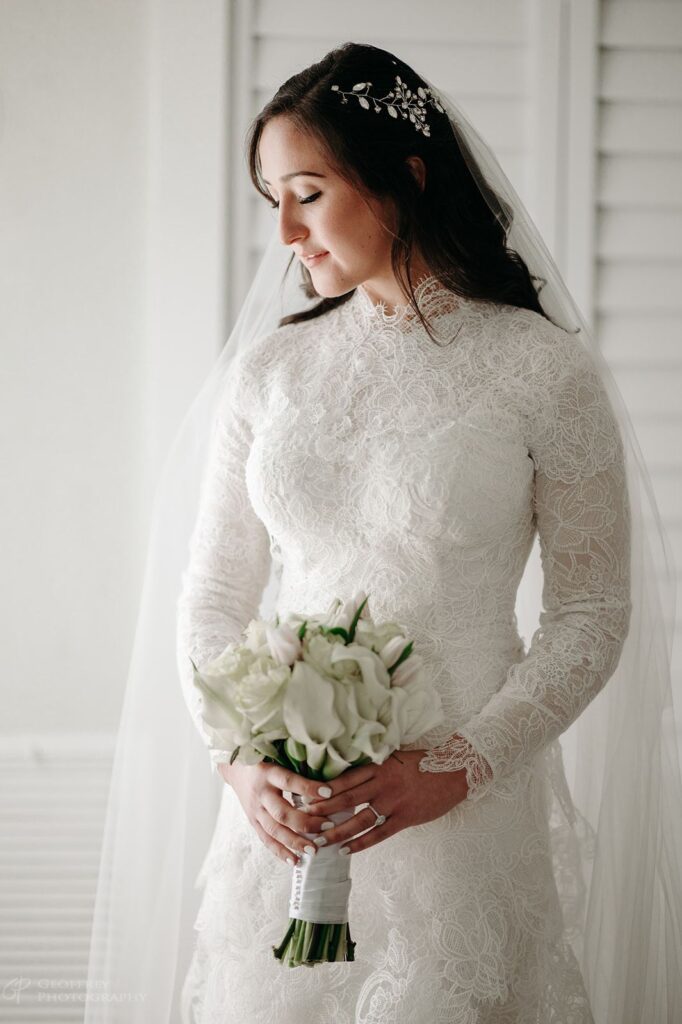
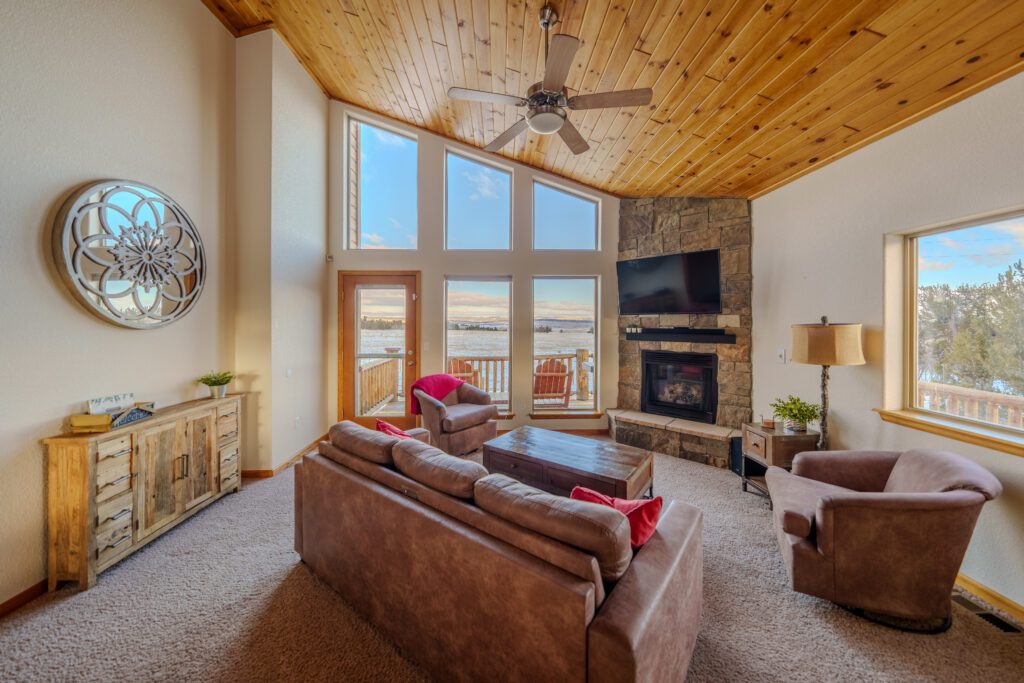
High-end wedding venue exterior

Wedding

VIEW MORE
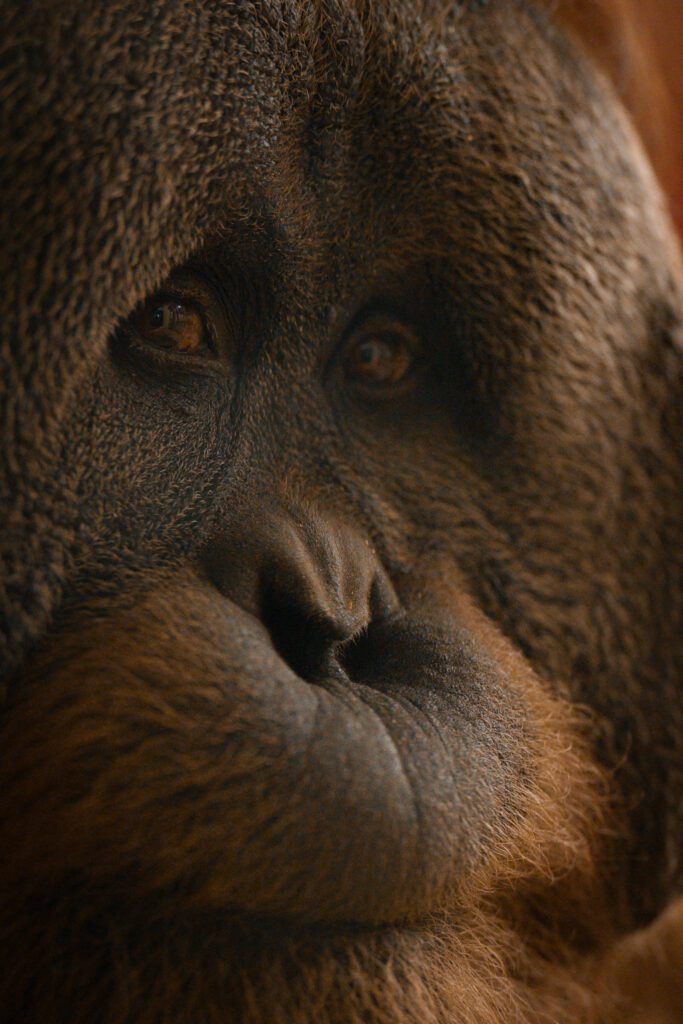
Close-up portrait of an adult orangutan with broad cheek pads and amber eyes

Wildlife

VIEW MORE
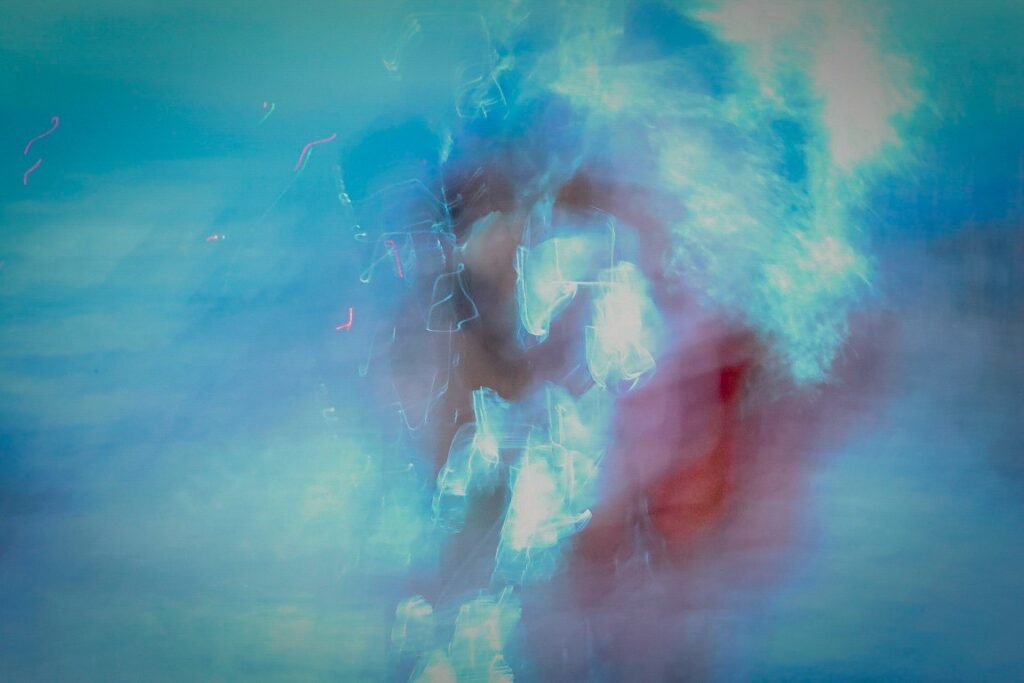
Fine Art Photography – expressive close-up portrait

Photo Art

VIEW MORE
Drone featuring real estate project

Real Estate

VIEW MORE
Lifestyle Photography – group of friends enjoying sunset

Lifestyle

VIEW MORE
Top Commercial Company in – canyon waterfall

Landscape

VIEW MORE
Messenger bag product photography with female model

Product

VIEW MORE

What you are actually choosing

The fake difficulty is gear. Any current camera in steady hands makes a sharp, well-exposed file. That problem got solved years ago, and nobody should be choosing a photographer on sensor size.

The real difficulty is judgement under time pressure. Which frame to take when three are happening at once. When to say the light is not there yet and wait. When to move a chair, and when moving the chair ruins the thing you came for. Whether a photo is finished or only acceptable.

That judgement is what gets hired, and it is the part a portfolio cannot show you directly. You only ever see the frames that survived it. Every gallery is an argument about what was worth keeping.

What the photo is for

Fifteen categories look like fifteen separate skills. They are closer to one habit aimed in fifteen directions: noticing, slightly earlier than the moment requires.

Which is why the first question is never what to shoot. It is what the photo is for. A headshot that gets someone hired and a headshot that looks impressive are not always the same photo. When they part ways, I would rather the person got hired.
Have a project in mind? Get in touch.