Start A Project
Back to gallery

Wildlife

Patience, mostly. Wildlife photography is a lot of waiting for a few seconds that matter — the turn of a head, the light hitting right. These are the frames worth sitting still for.
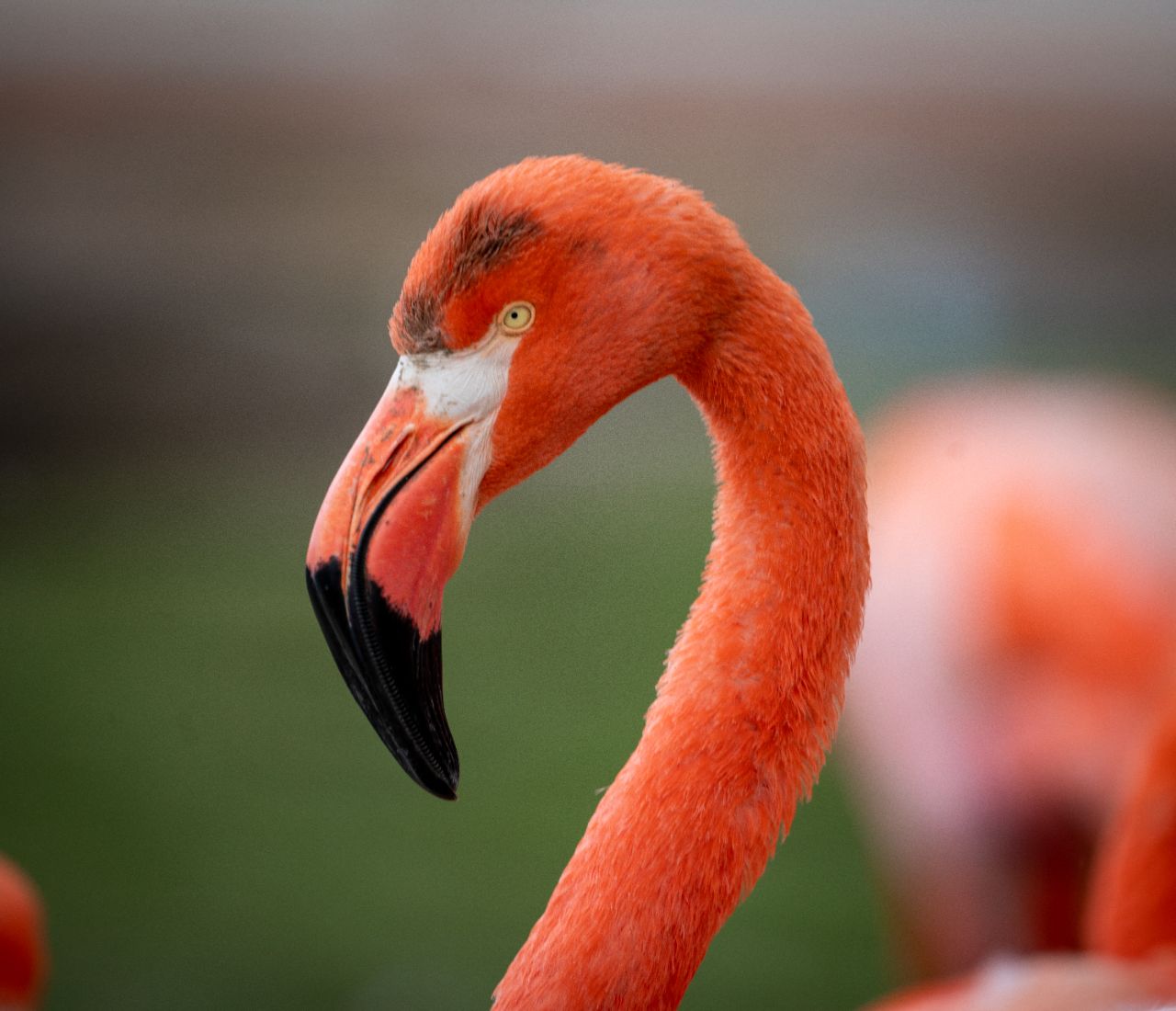
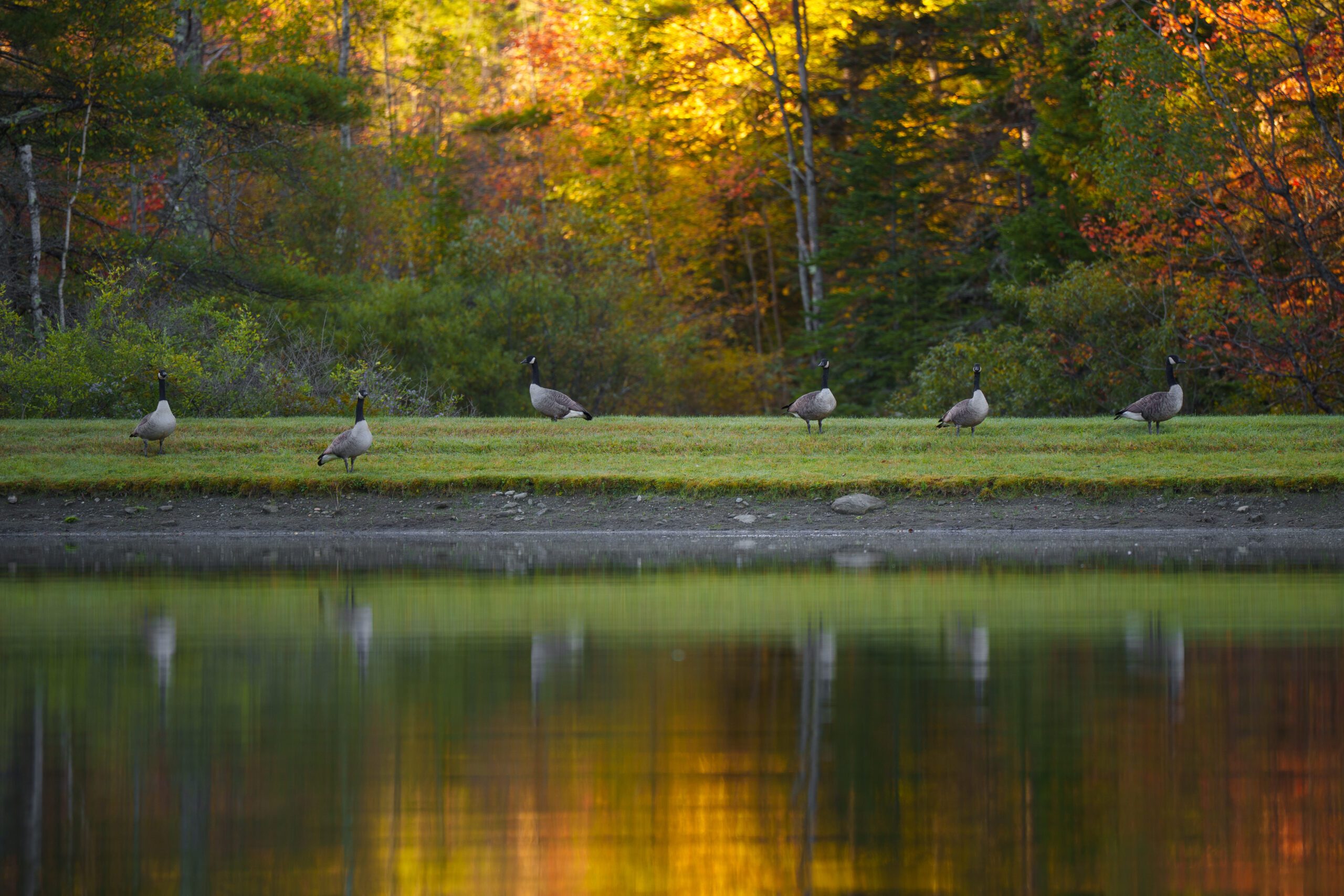
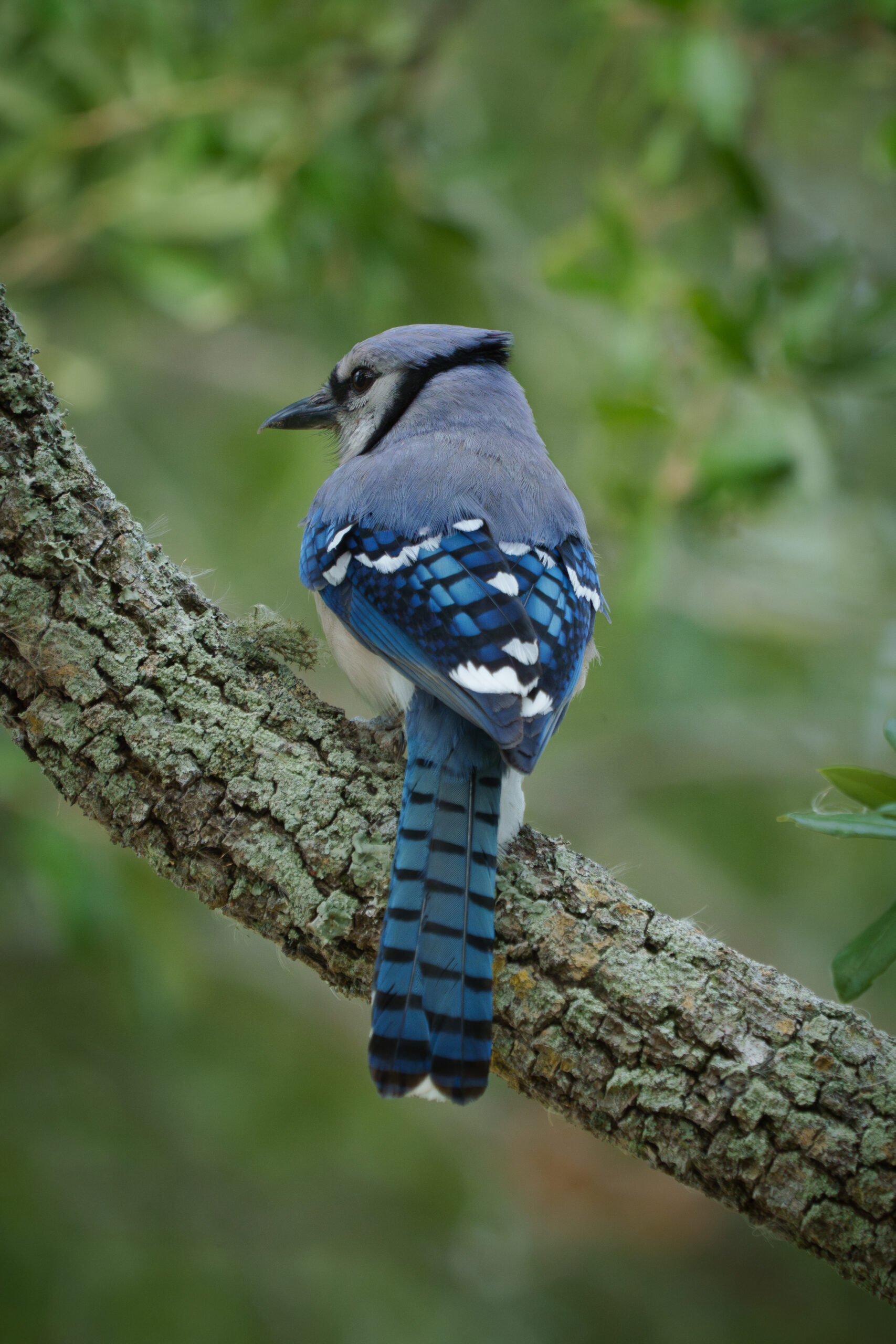
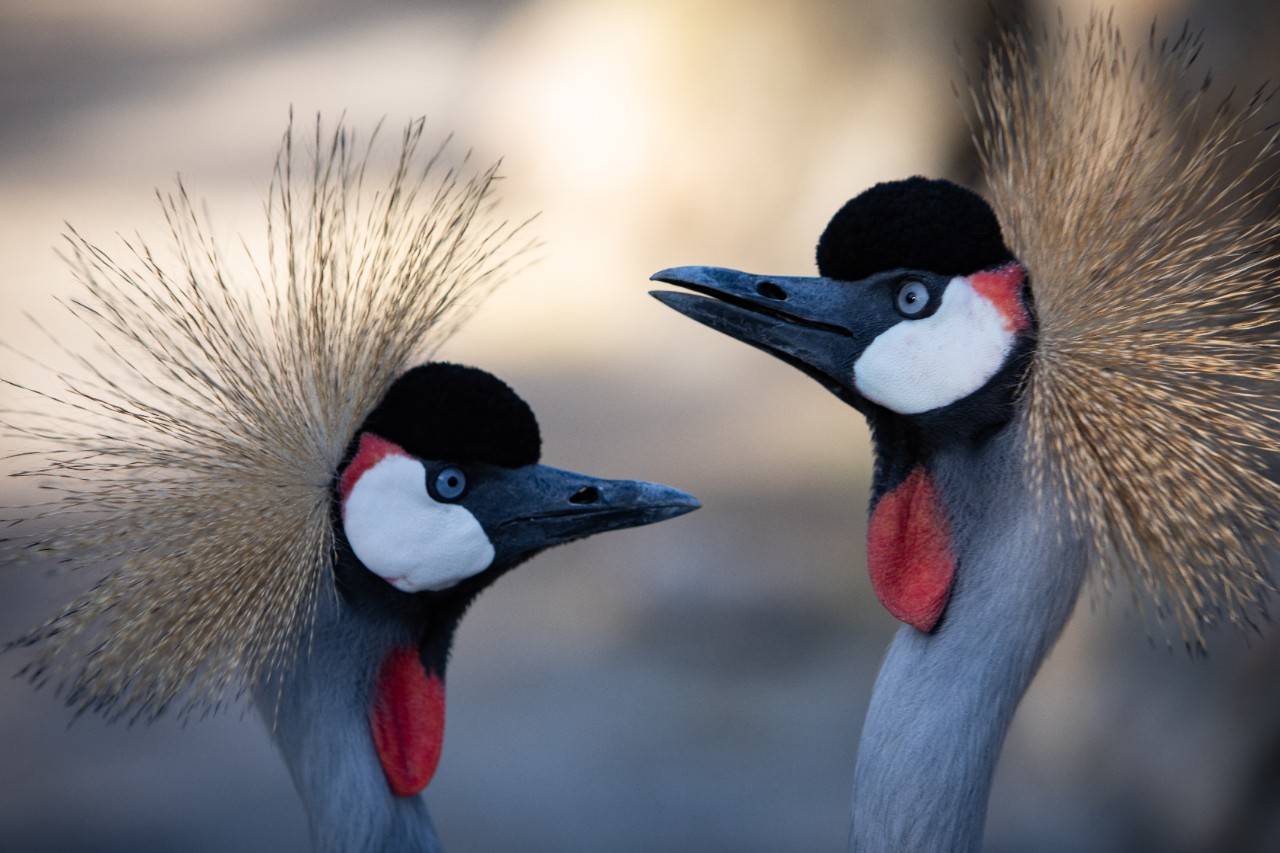
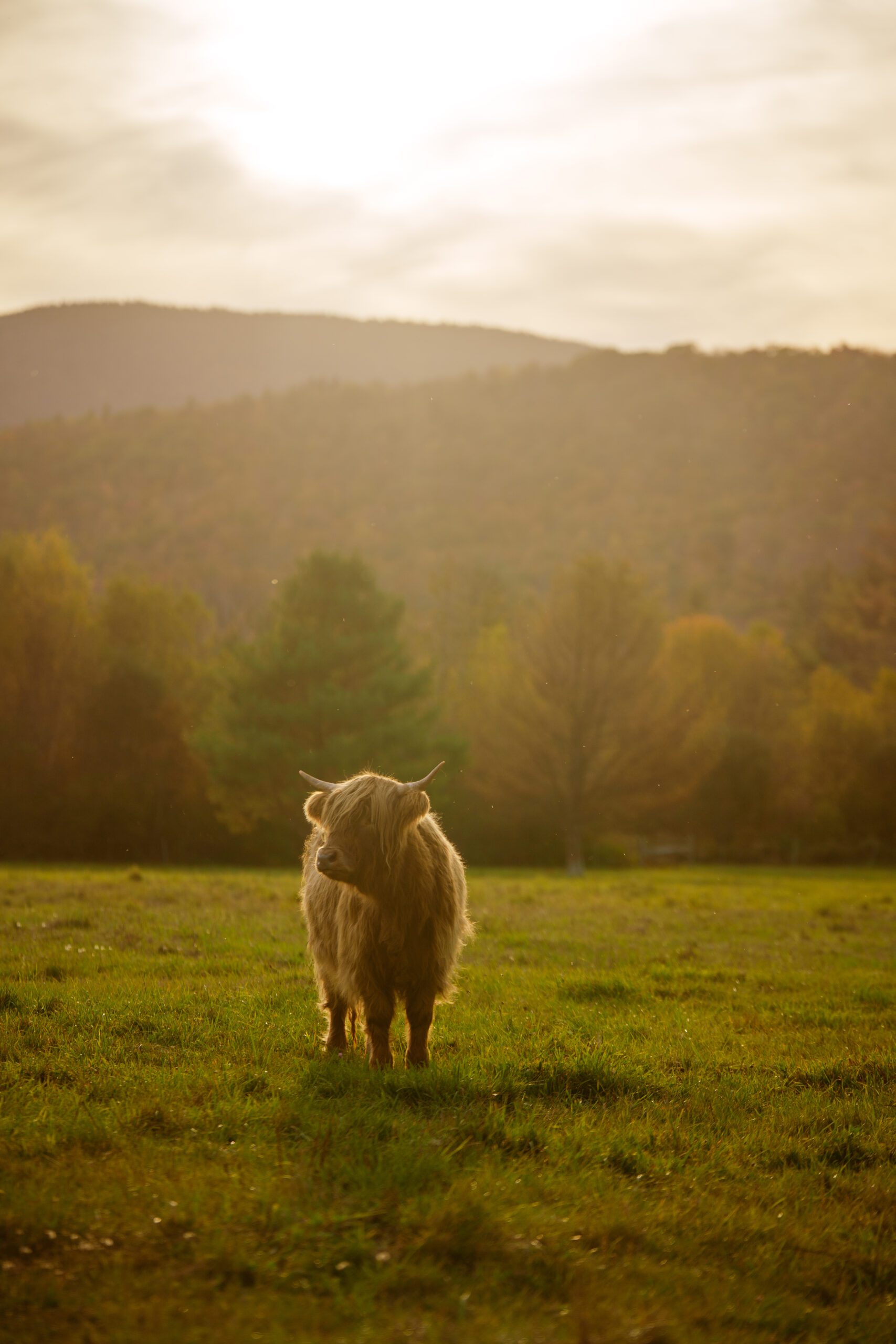
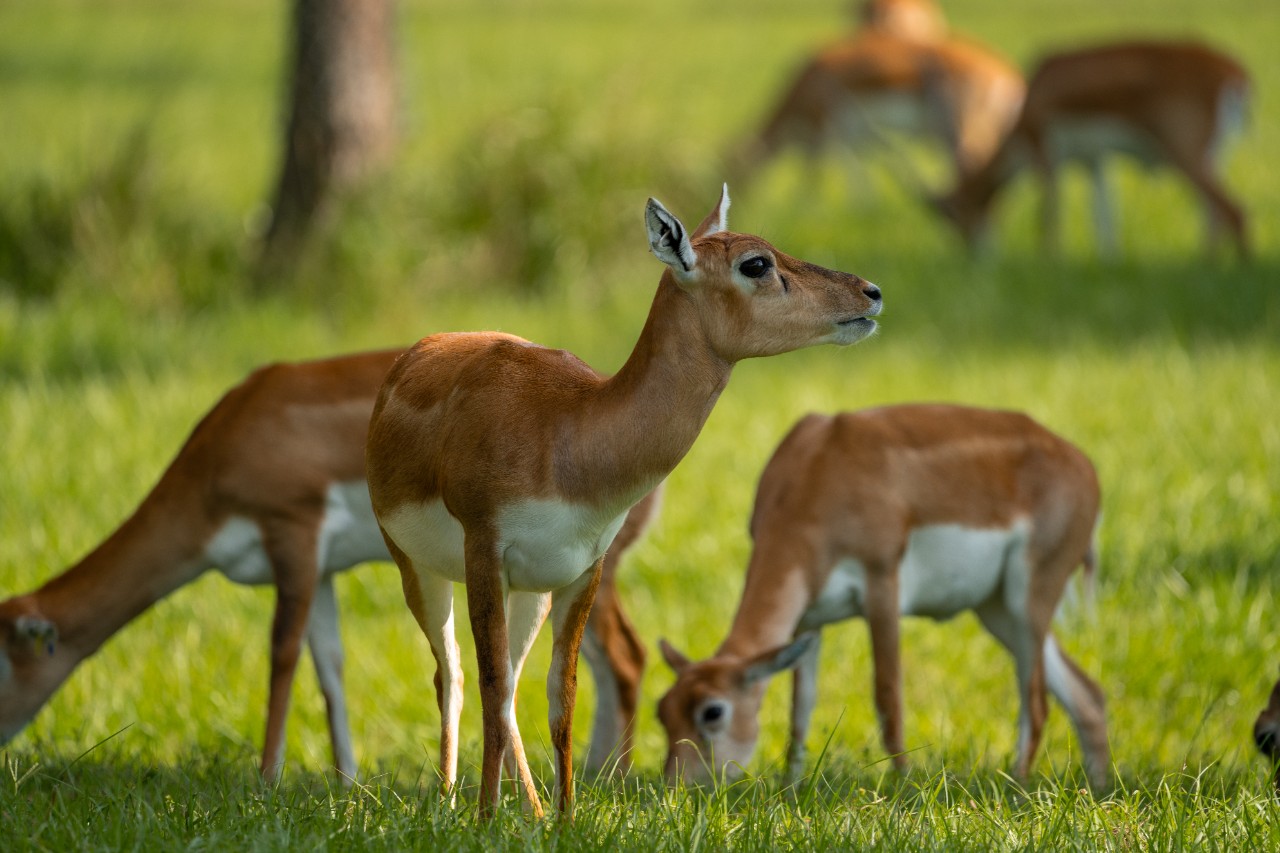
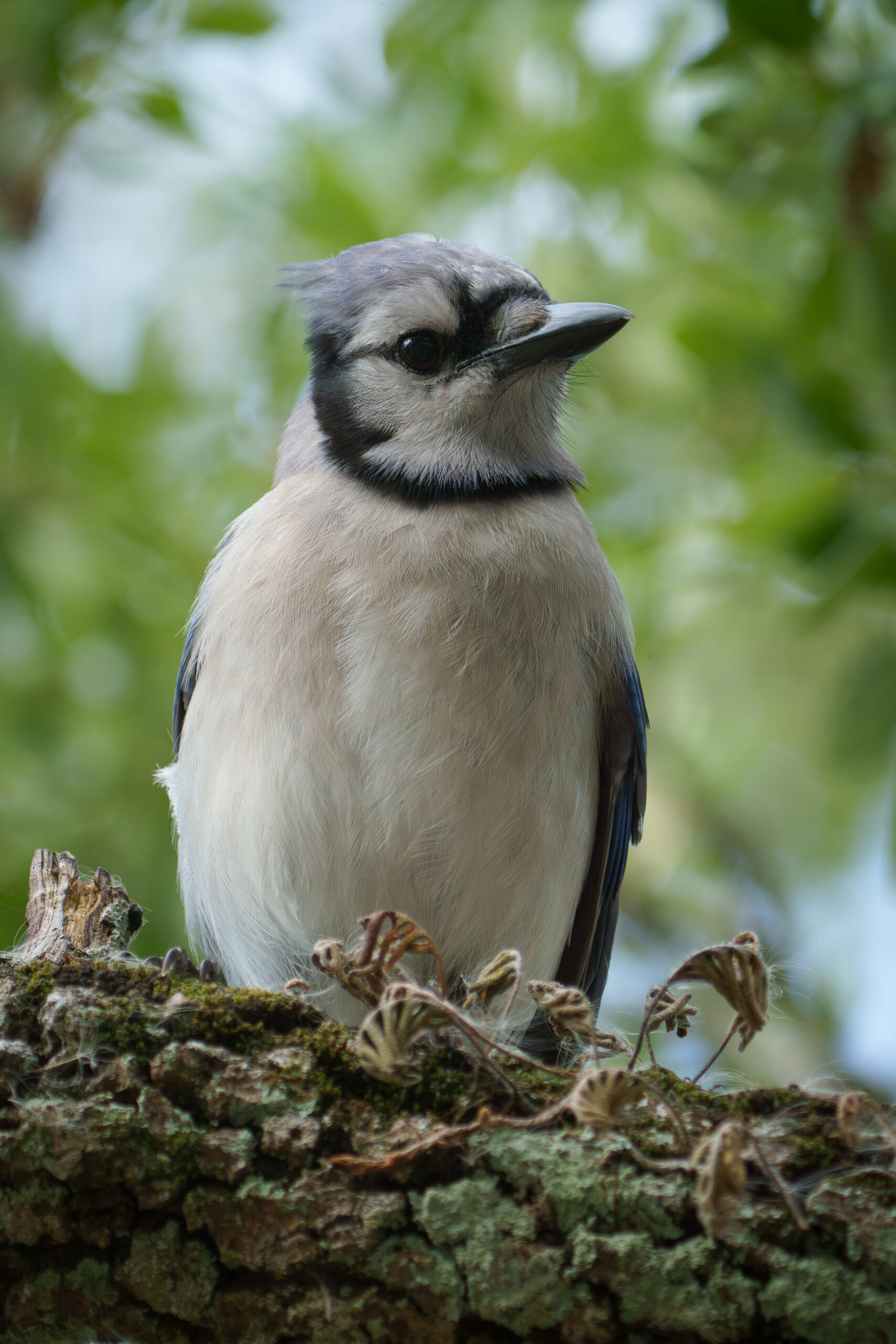
Close-up profile of a bright orange flamingo's head and curved neckSix geese on a grass bank beside still water reflecting autumn treesBlue jay seen from behind on a branch, showing barred blue wings and tailClose-up portrait of an adult orangutan with broad cheek pads and amber eyesBison grazing head-down on a snow-covered plain with distant mountains under pale cloudy skyTwo grey crowned cranes facing each other, golden crest feathers backlit in warm lightShaggy pale cow standing in a hazy field below forested hillsSmall tan and white antelope grazing in tall sunlit grass near a tree trunk

You learn an animal’s rhythm — where it feeds, how it holds its head before it moves — and then you wait in one place long enough to stop being an event in its day. Get low.

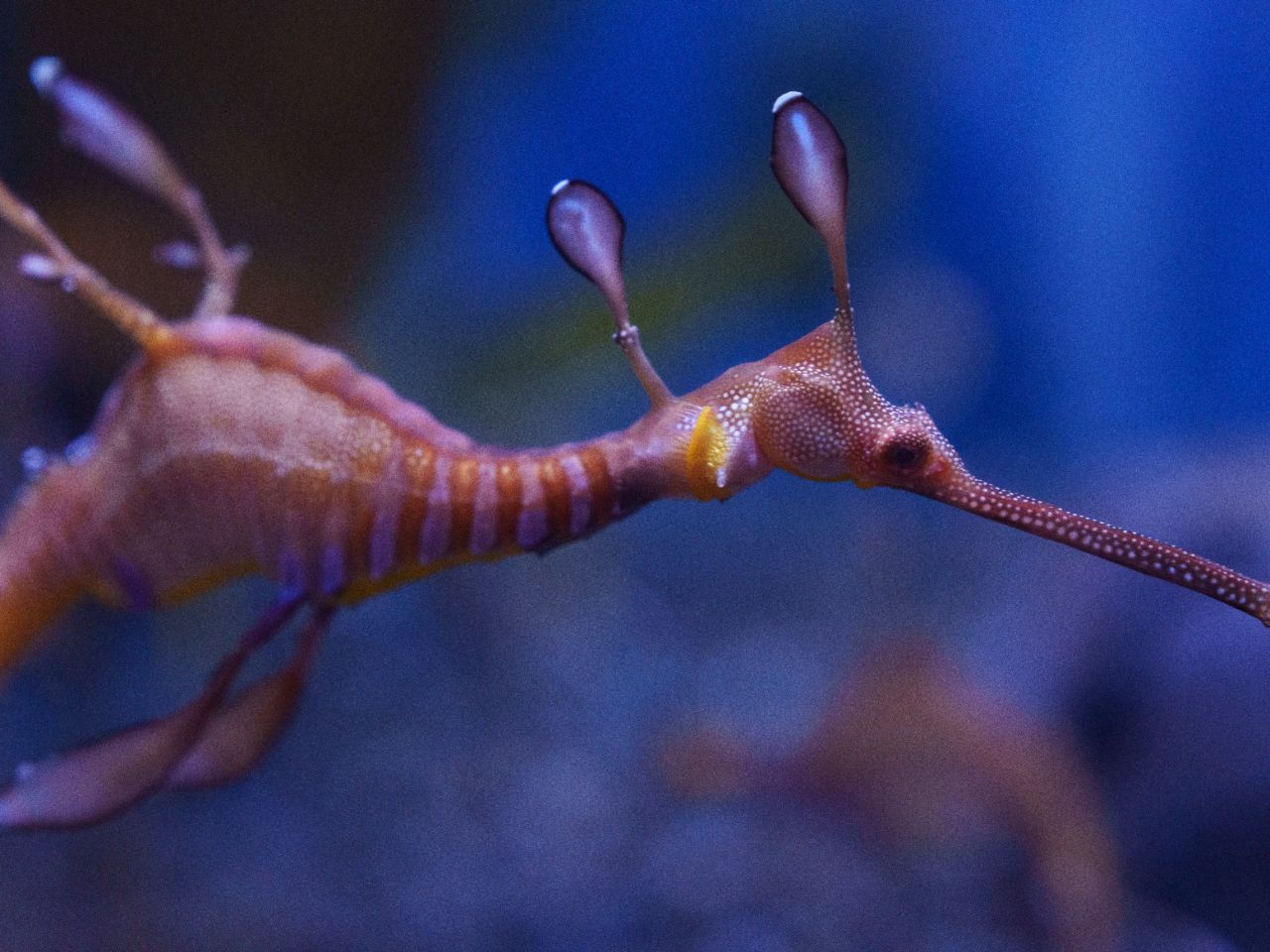
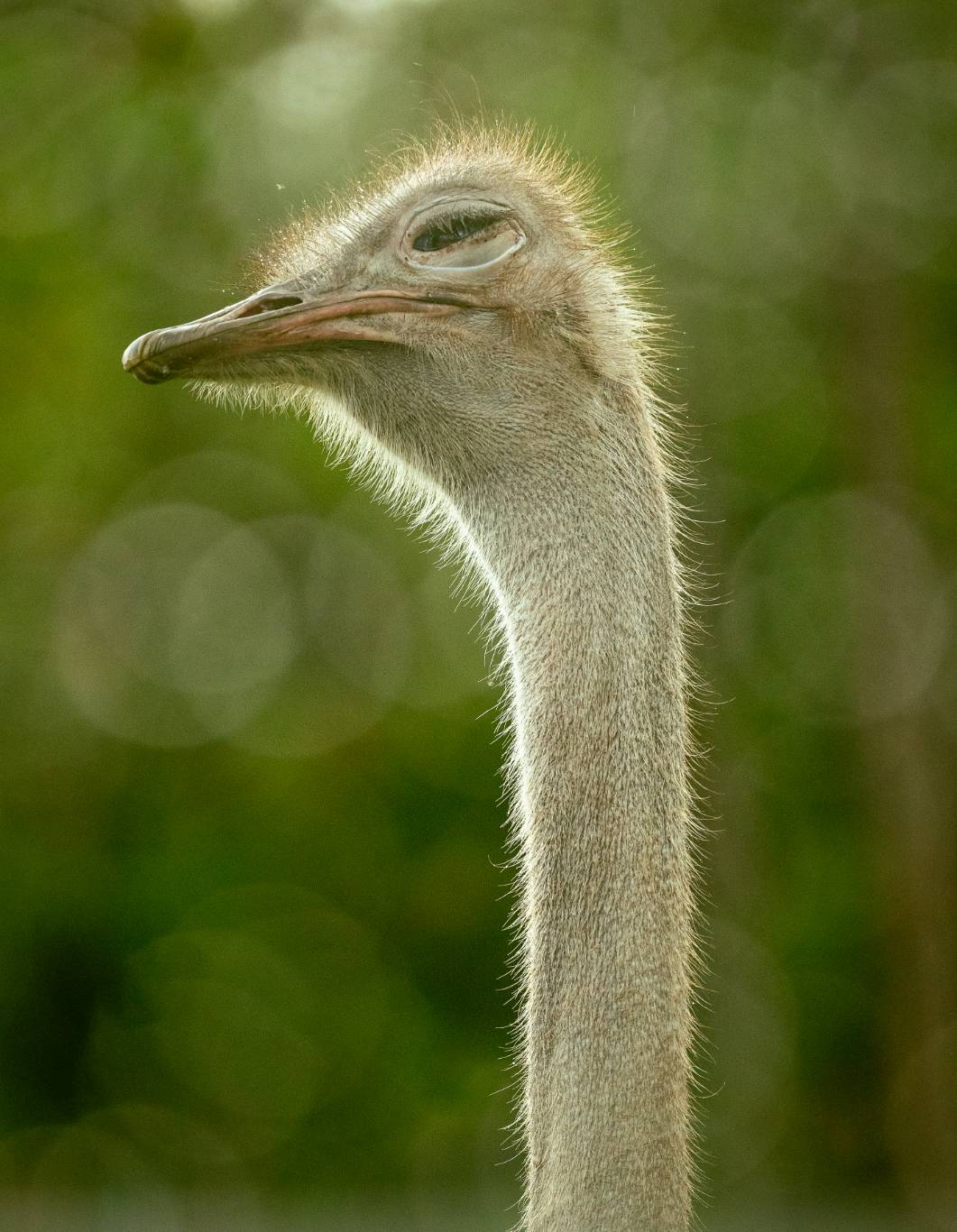
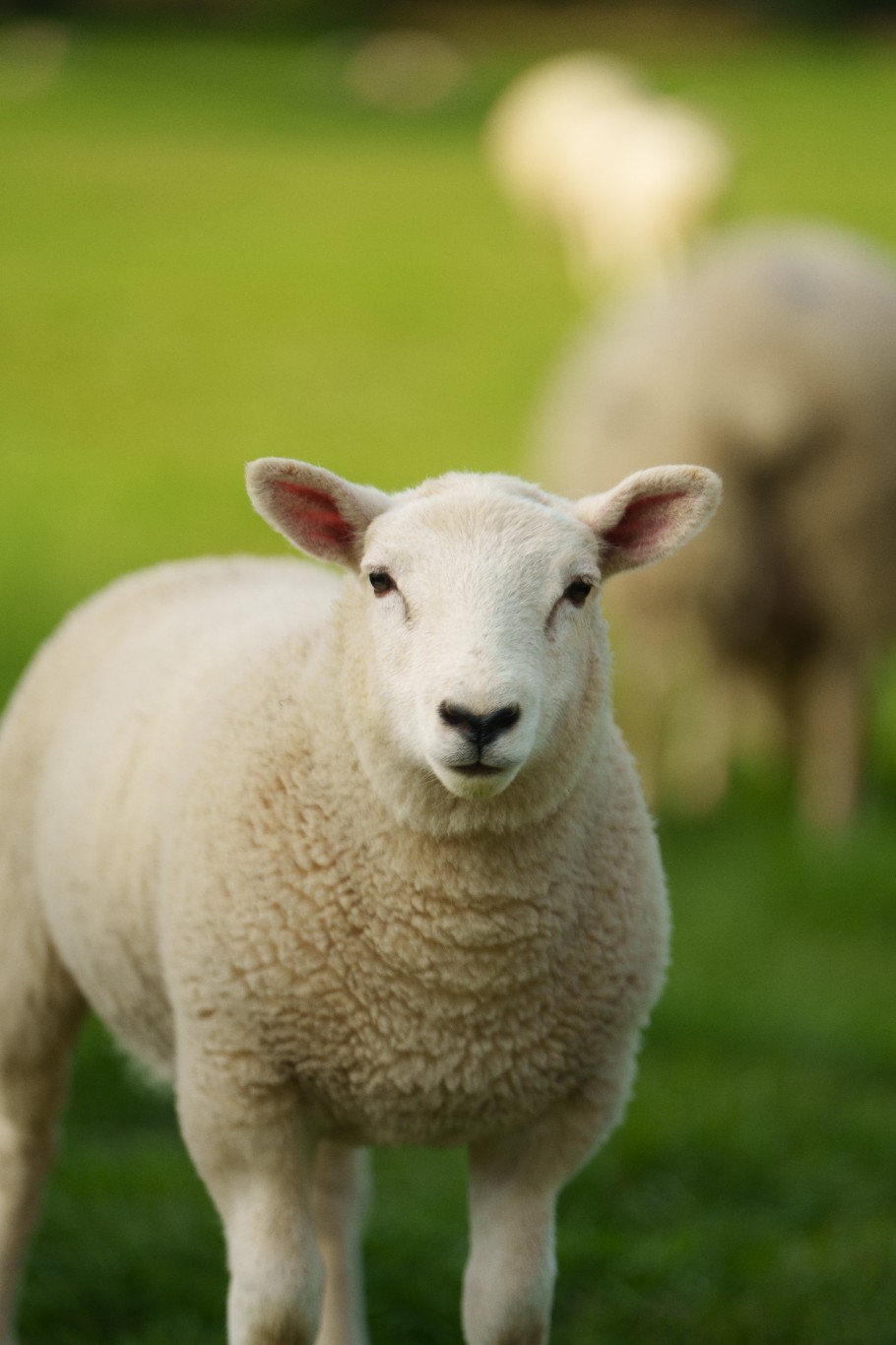
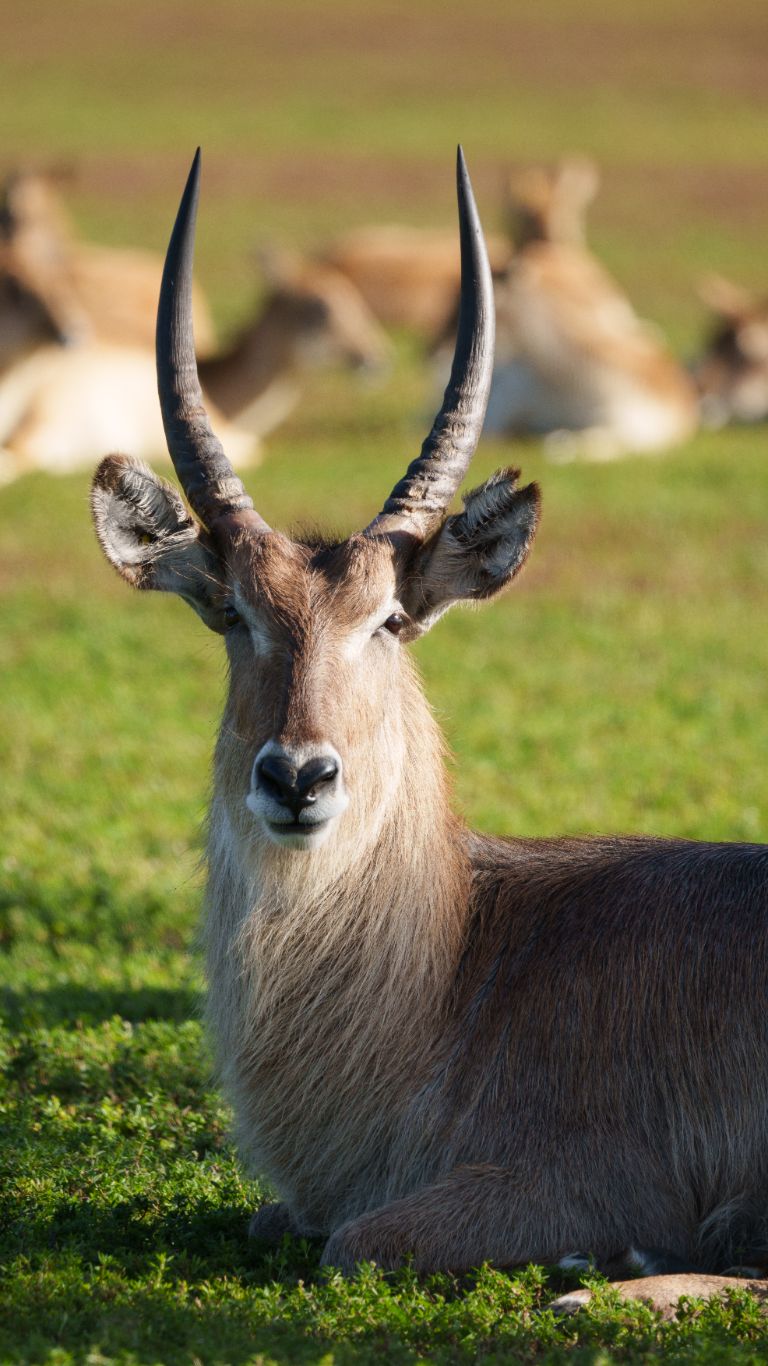
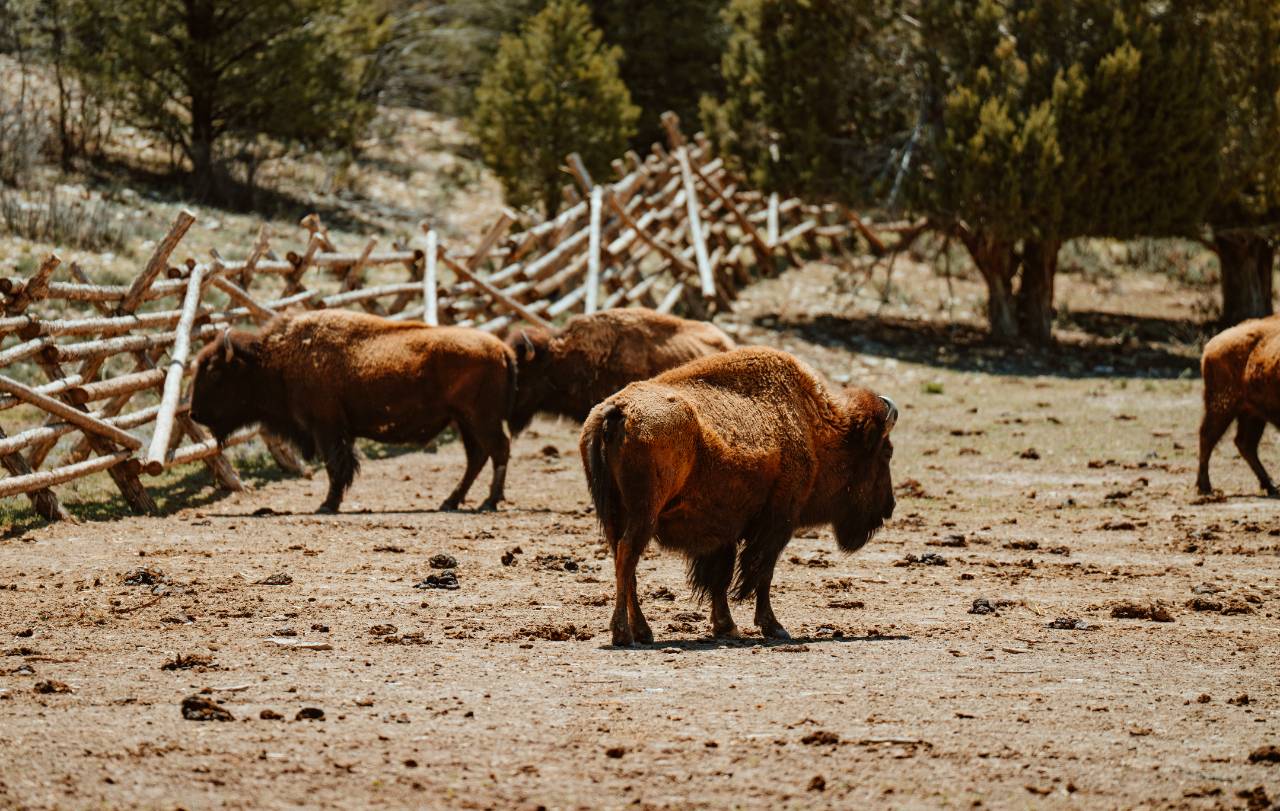
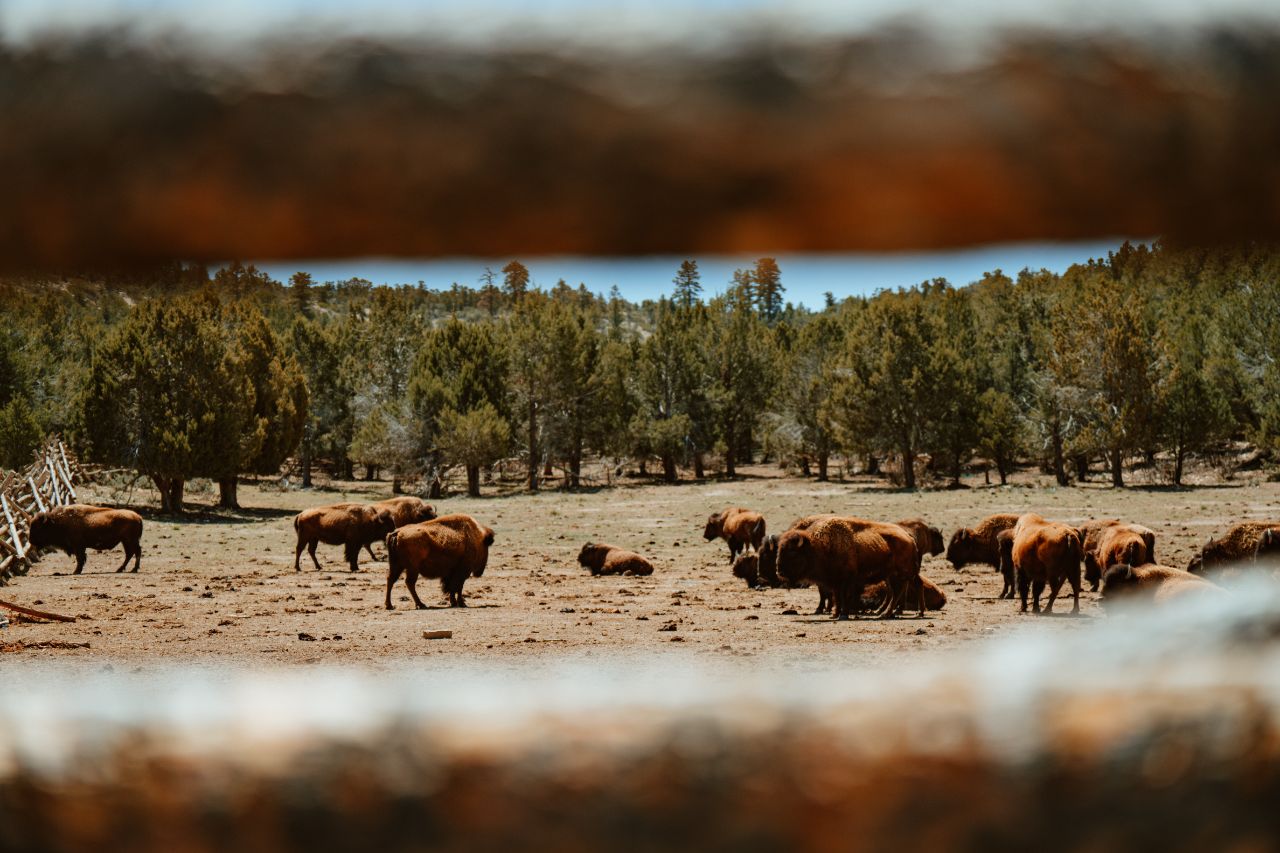
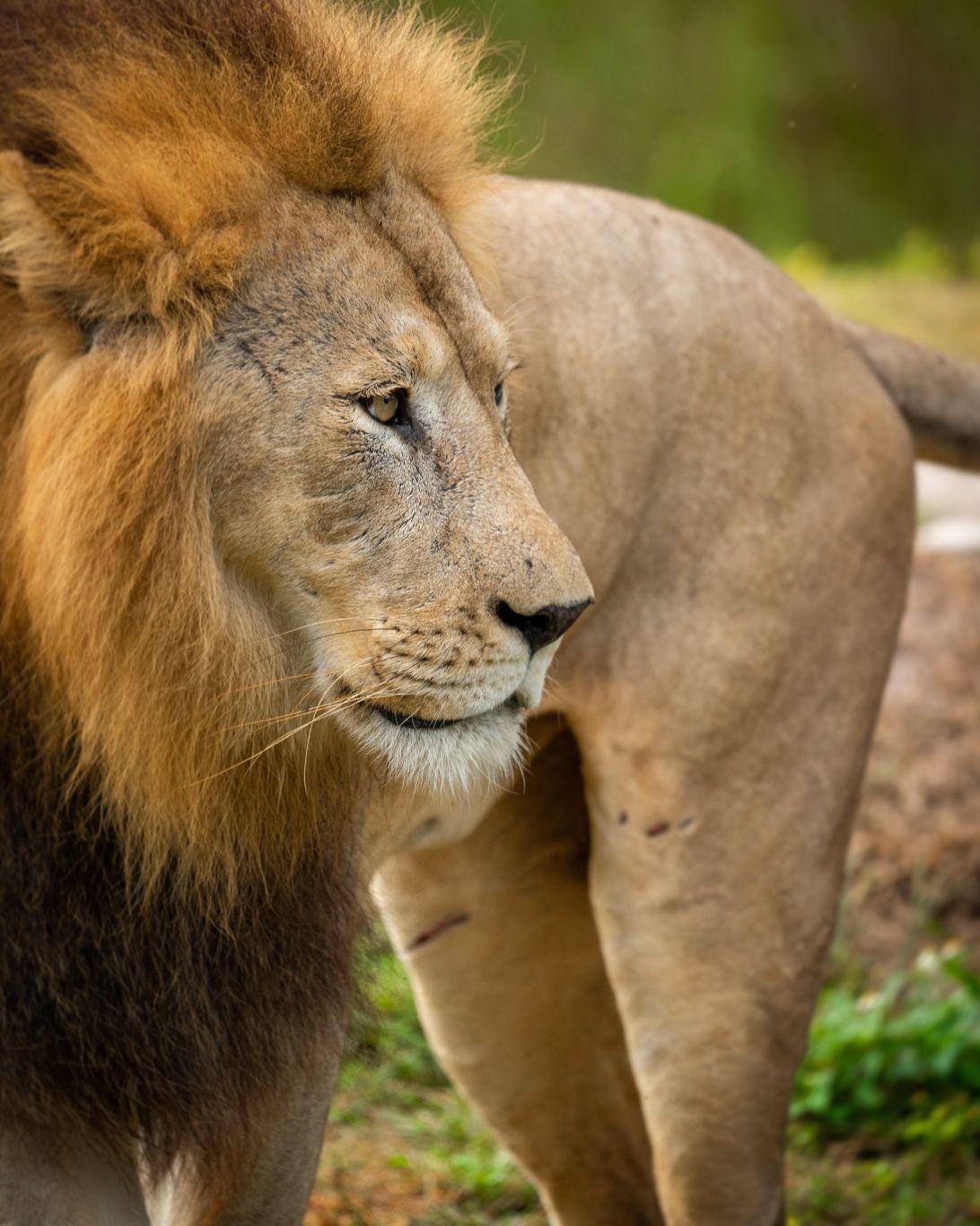
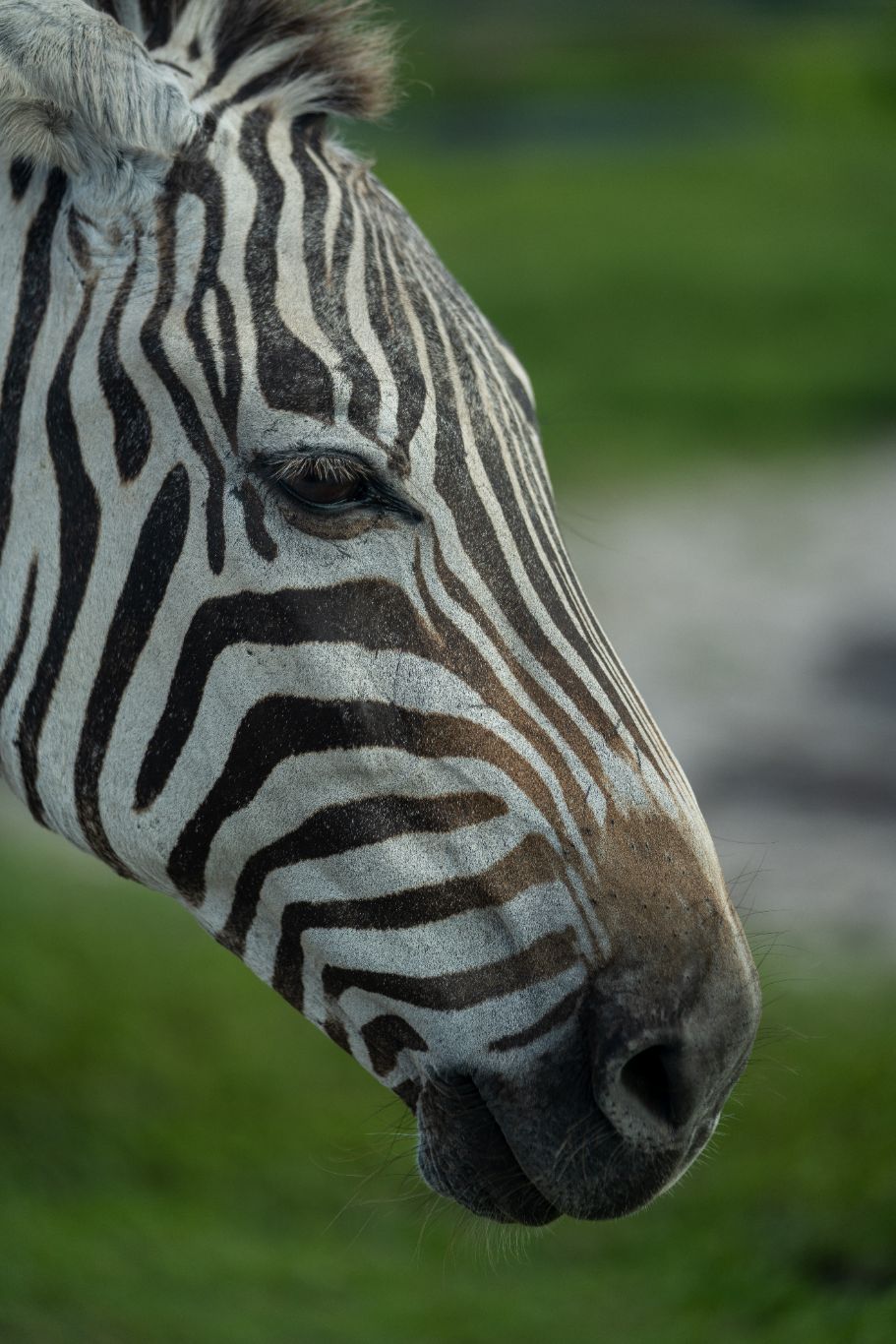
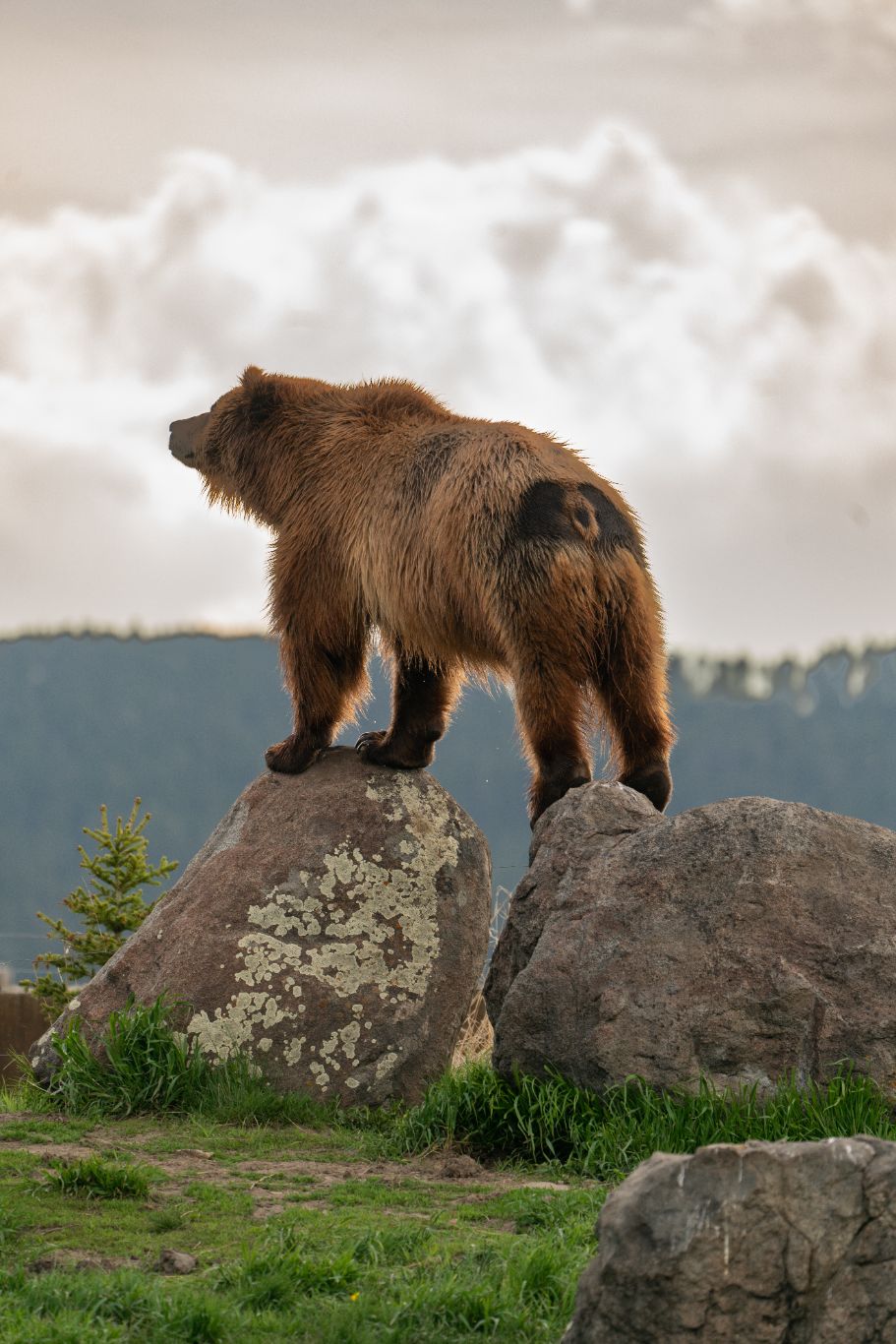
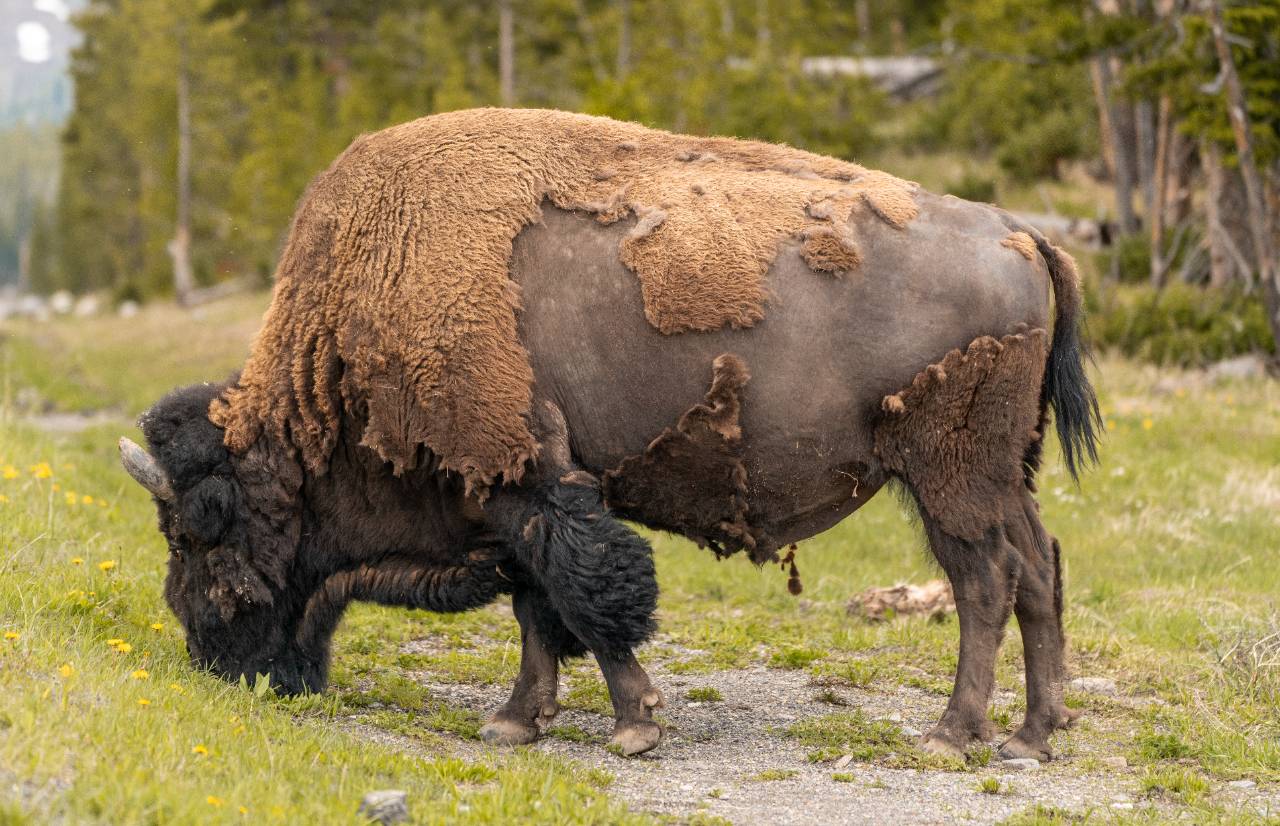
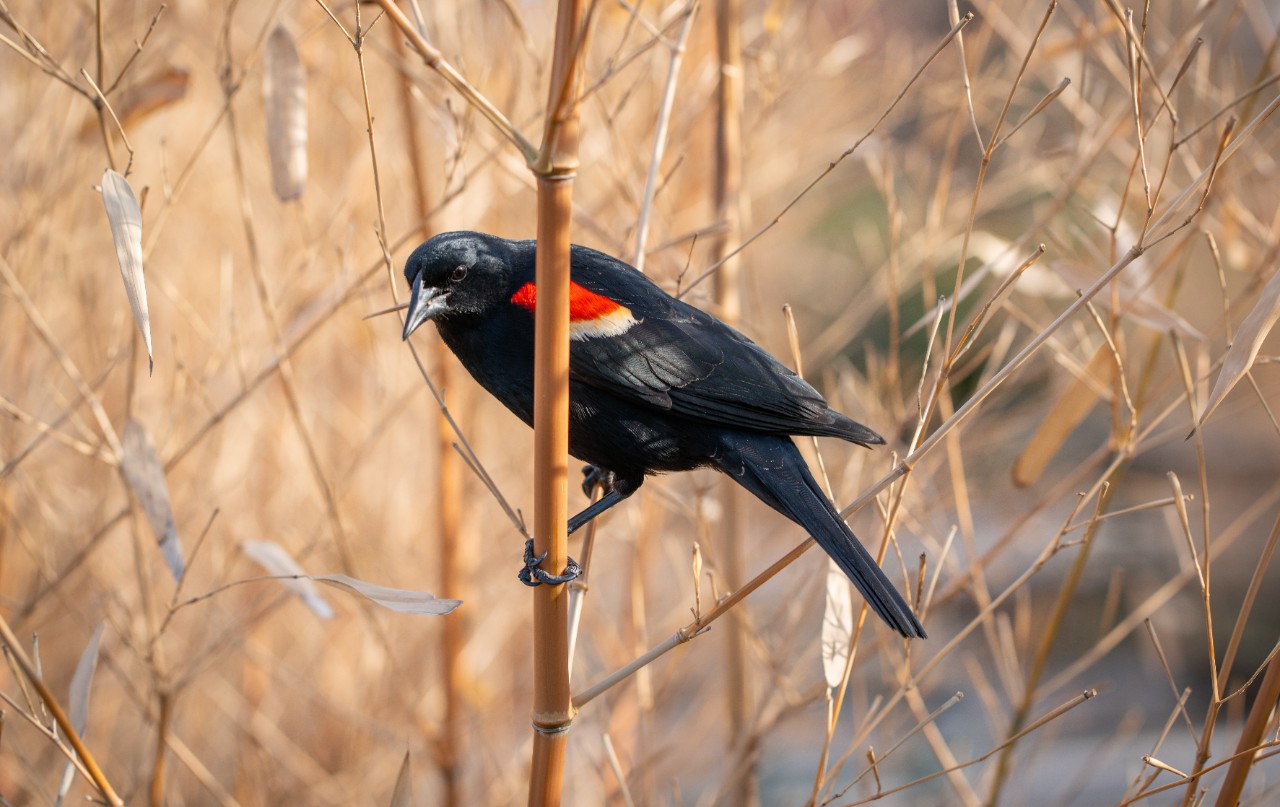
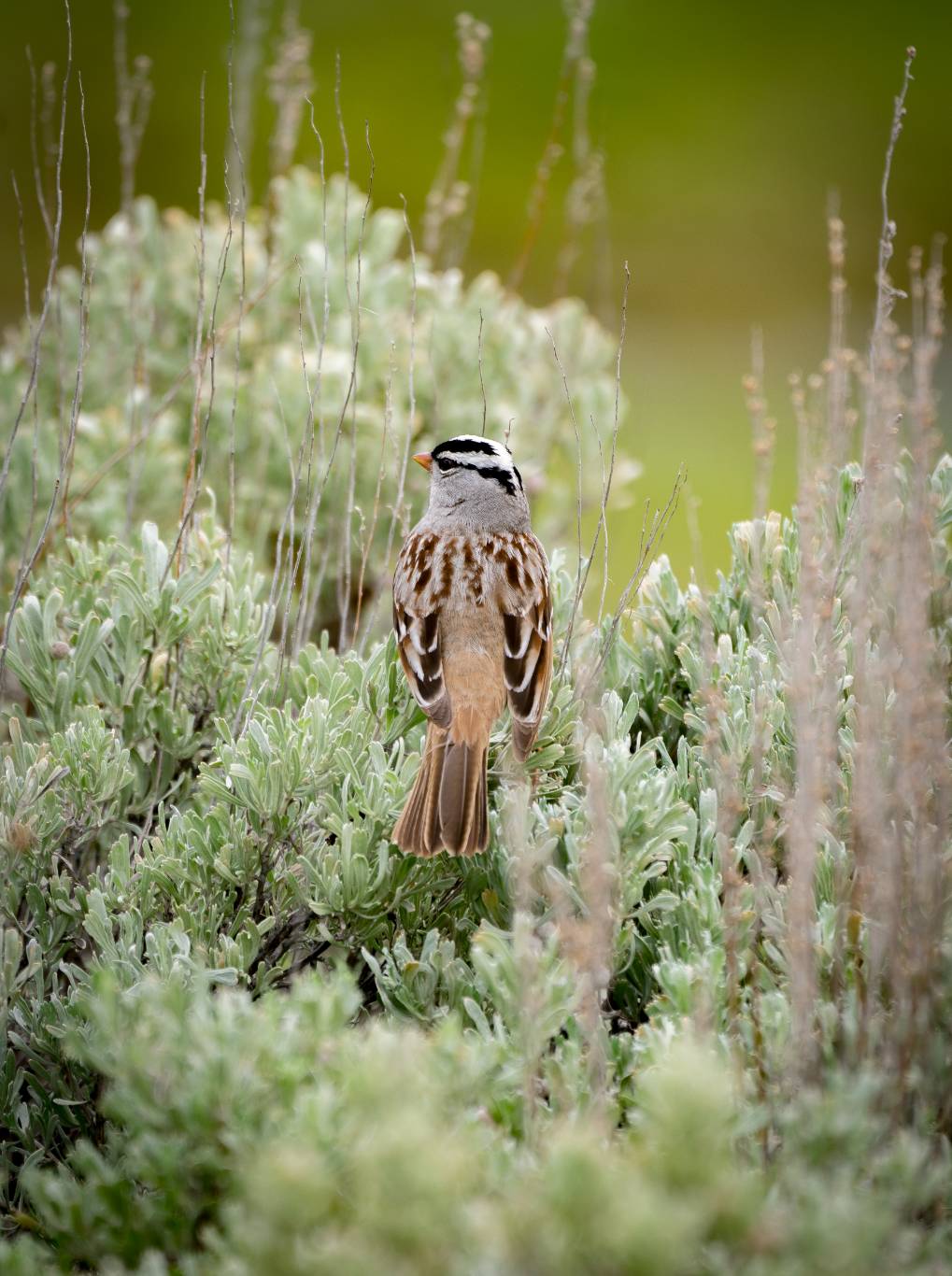
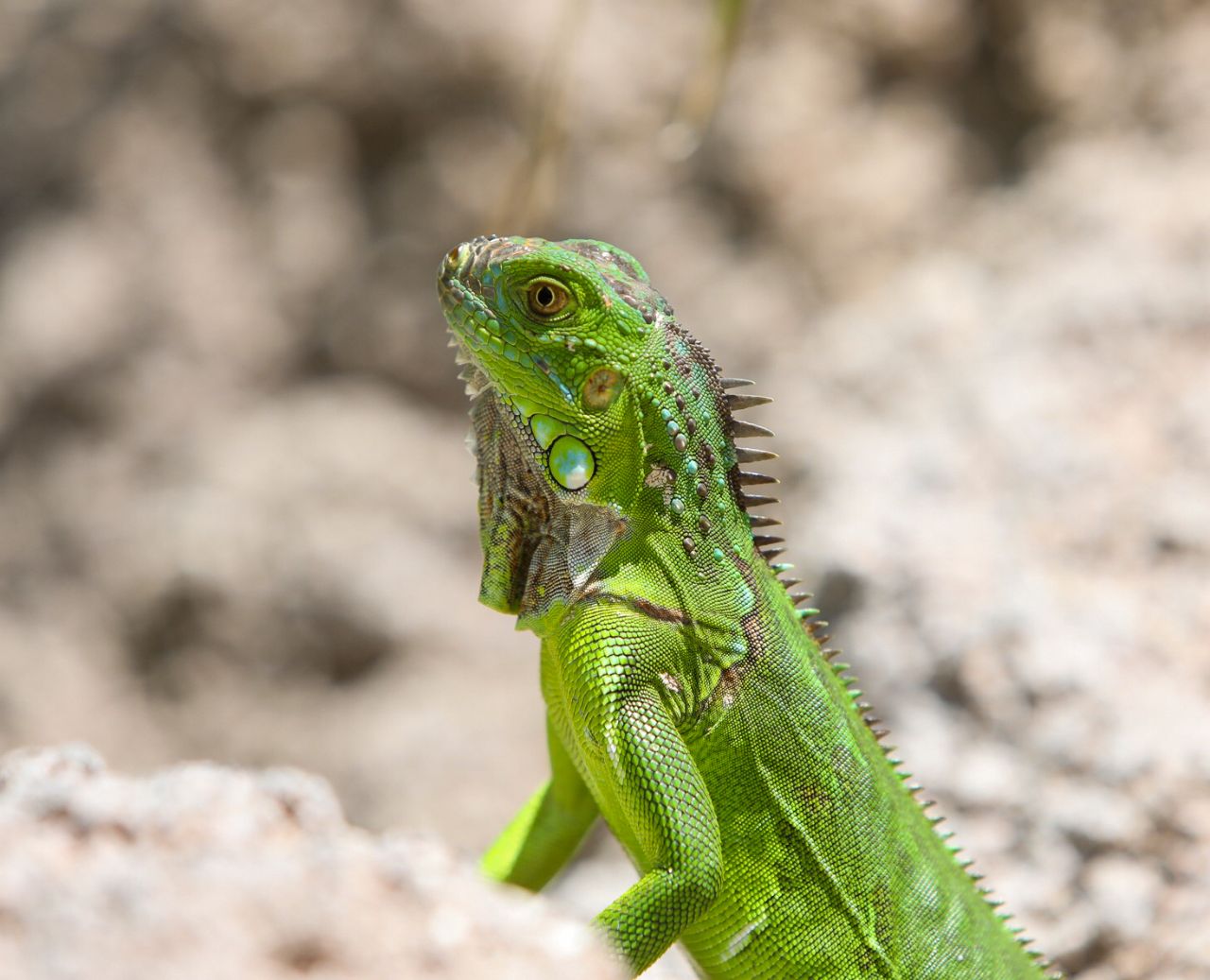
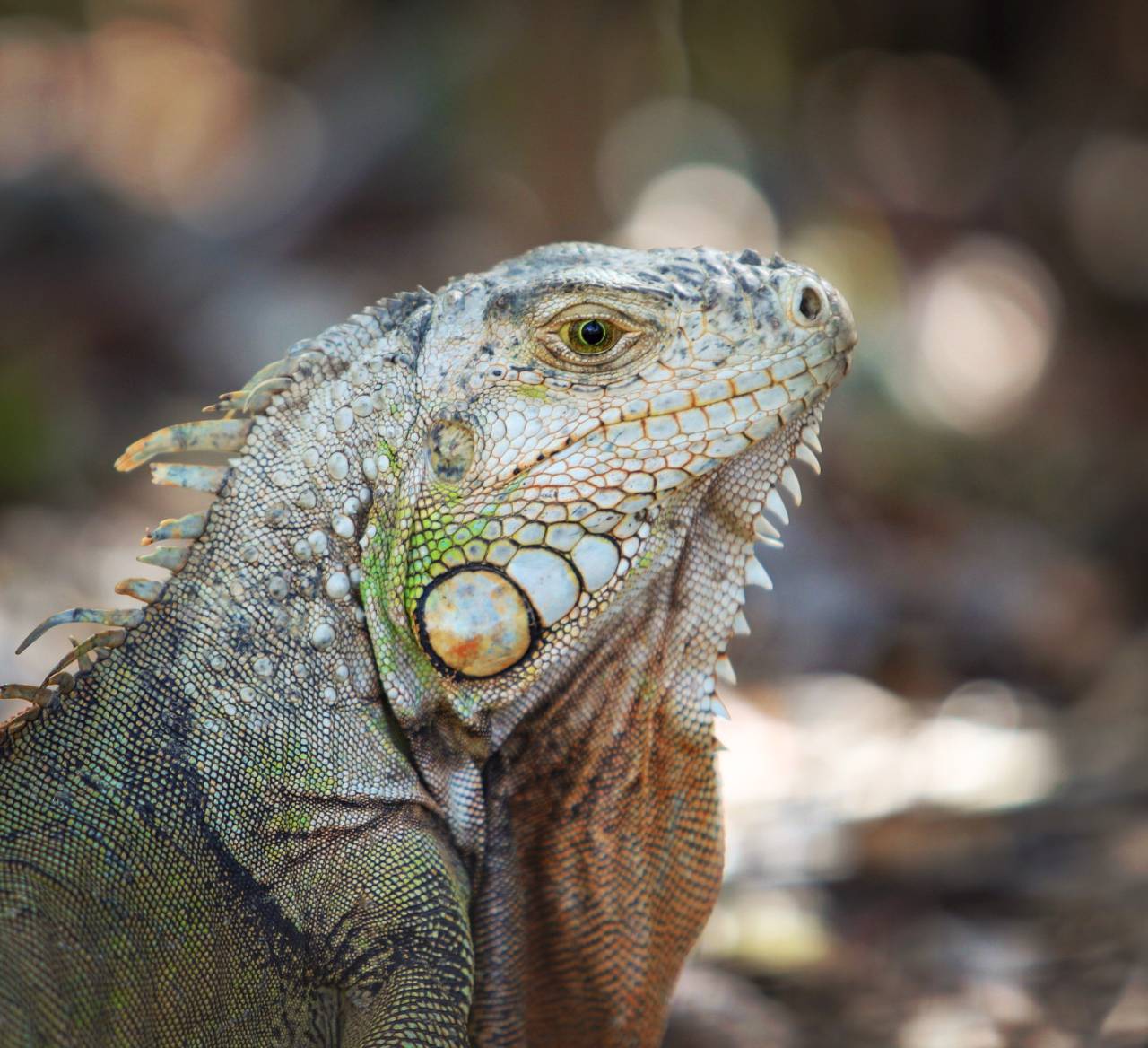
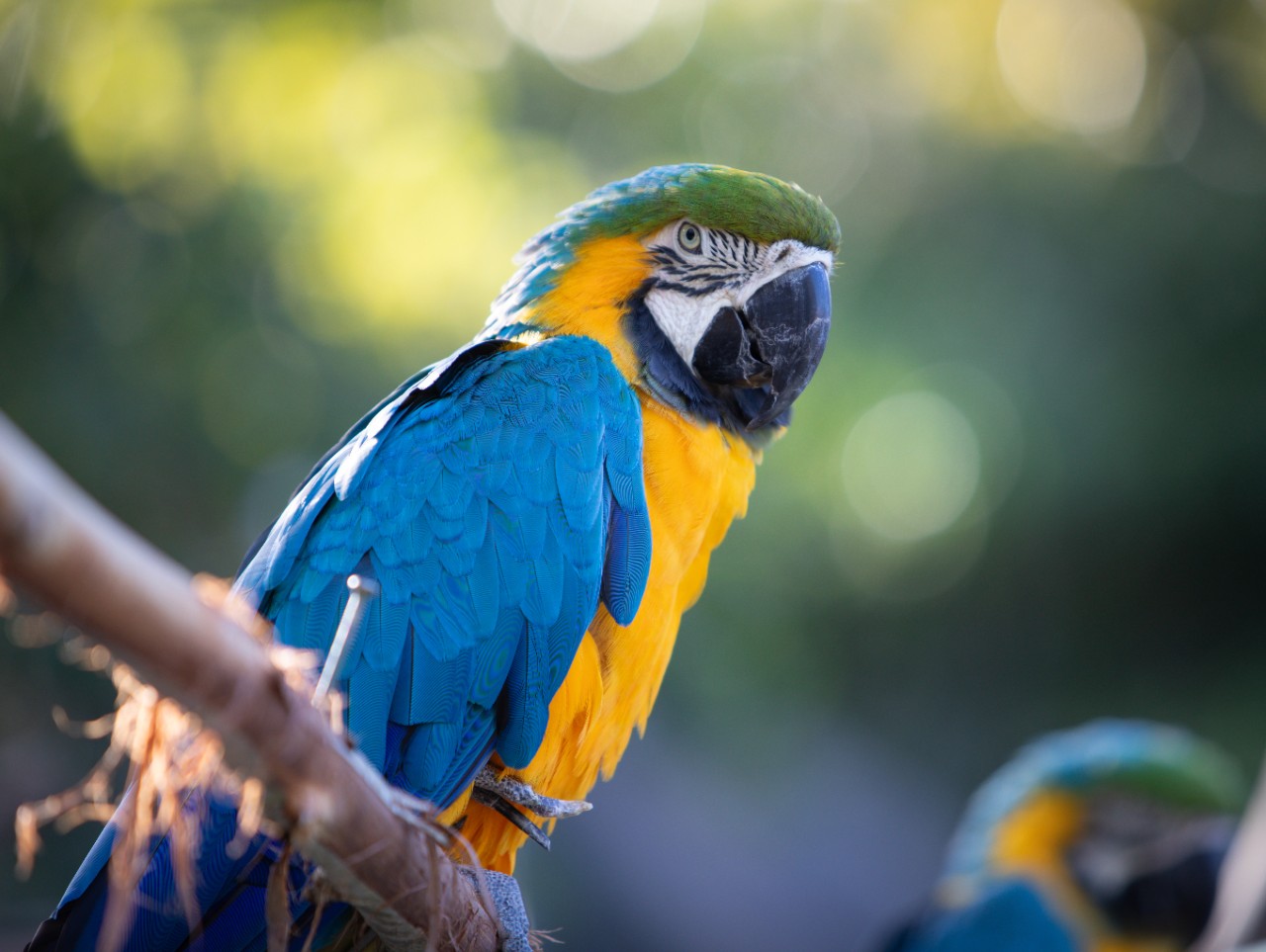
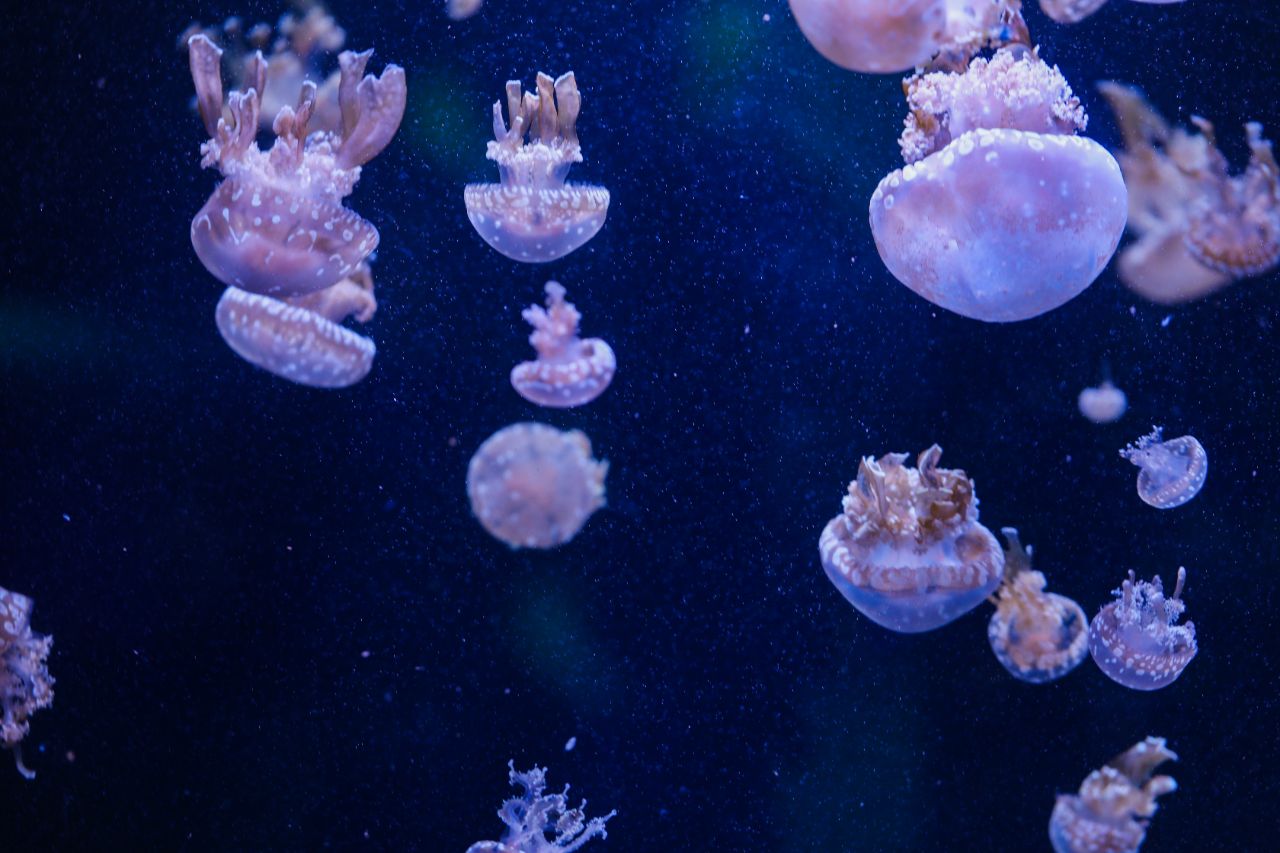
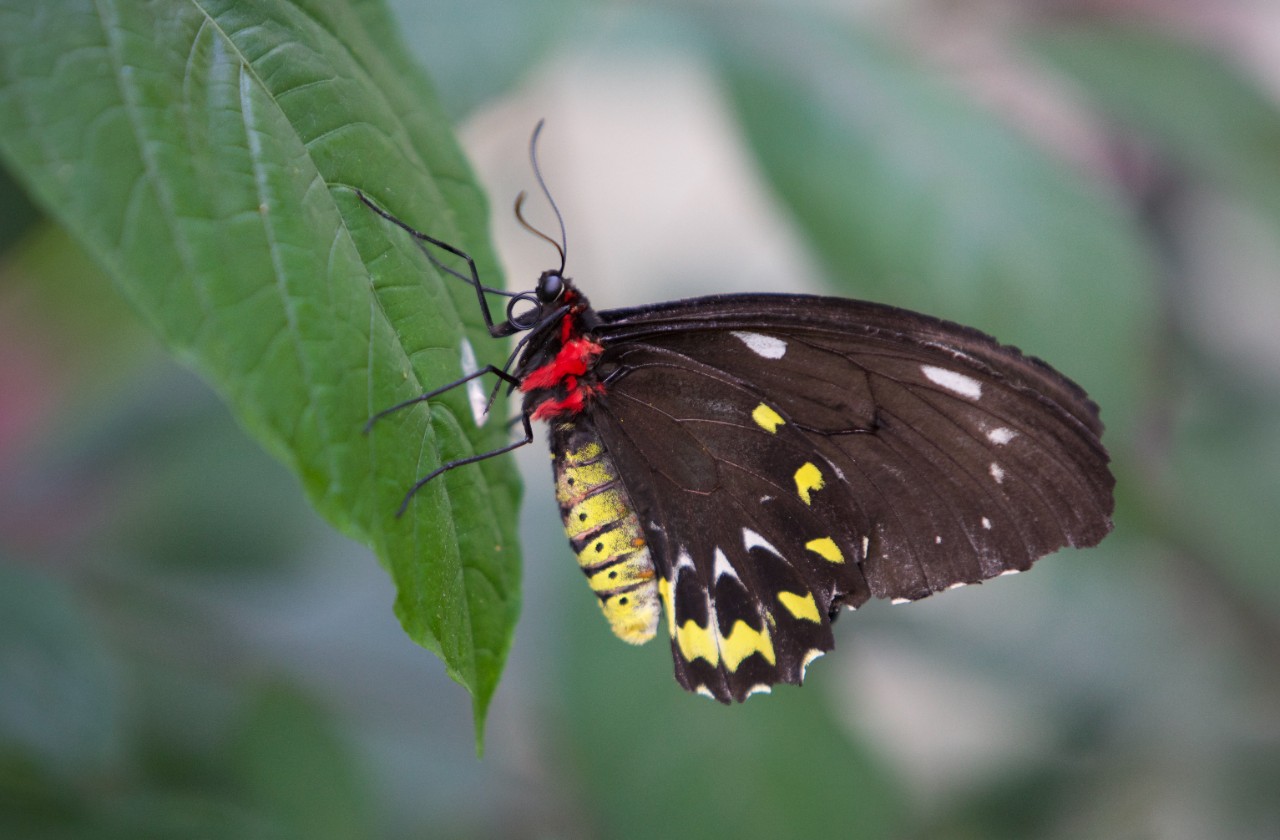
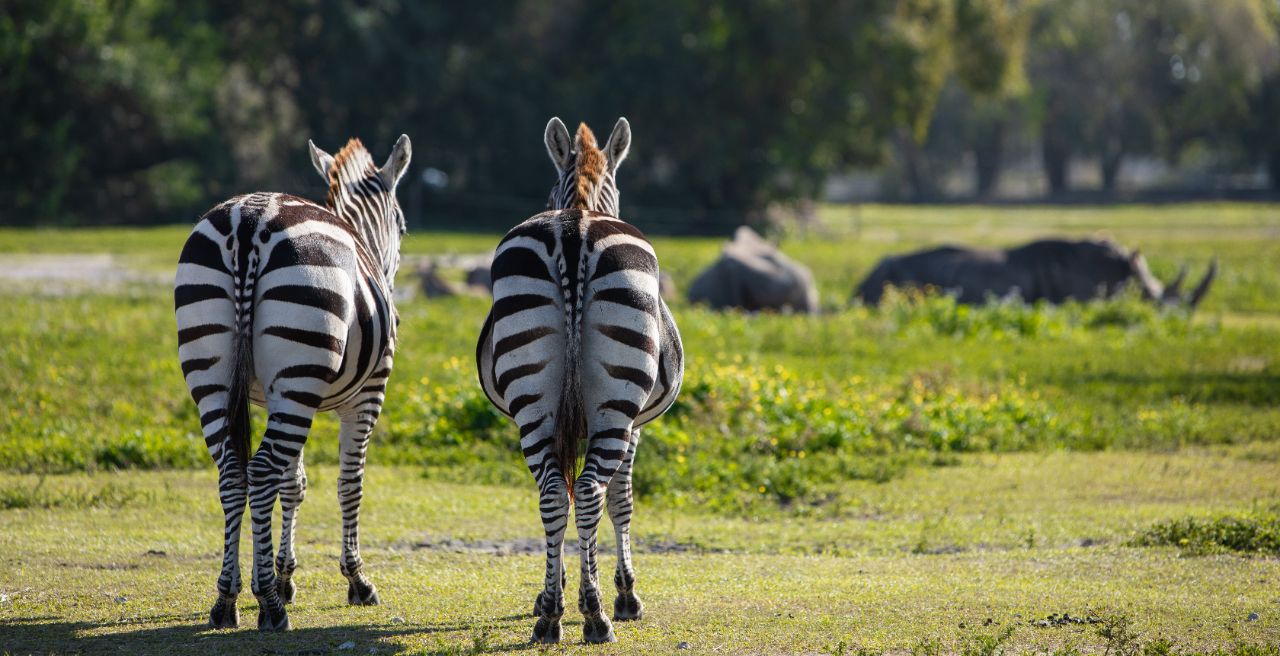
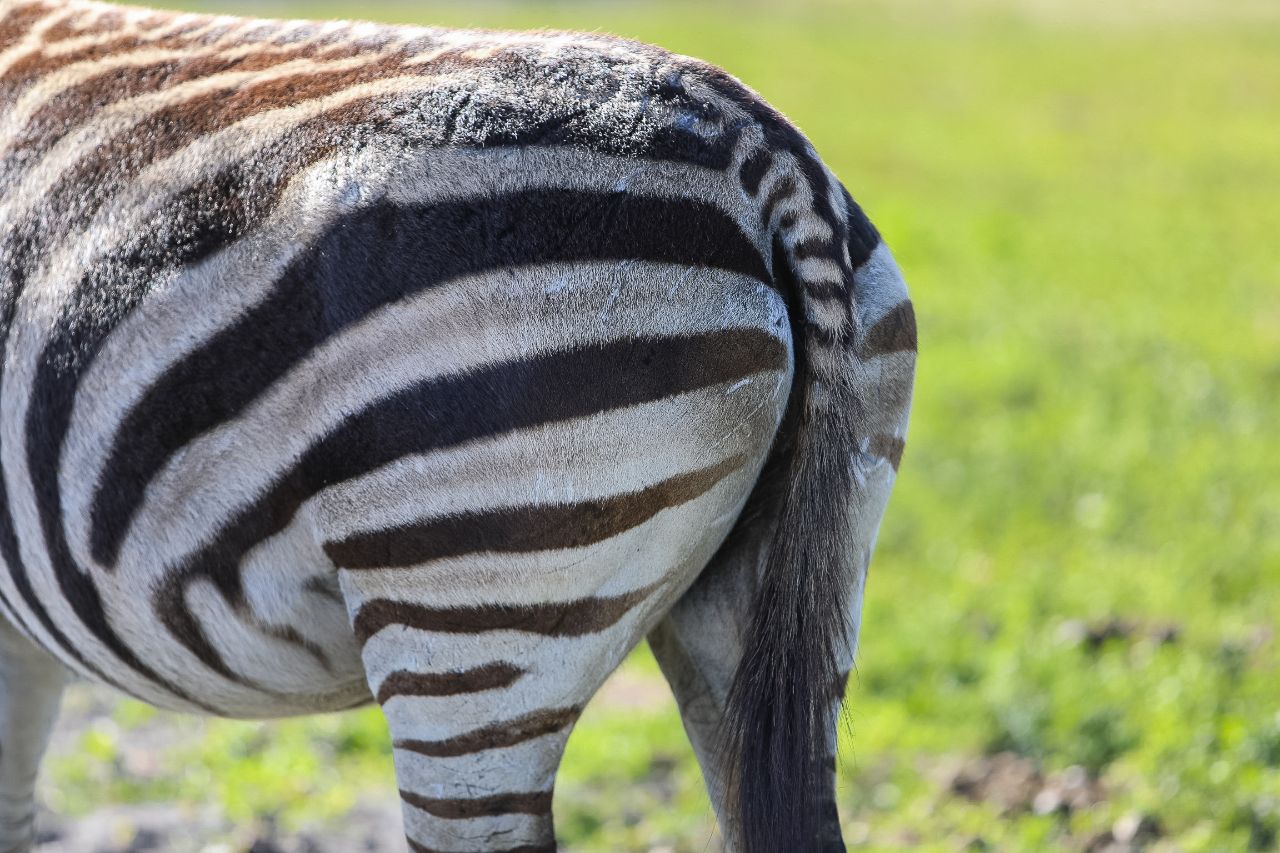
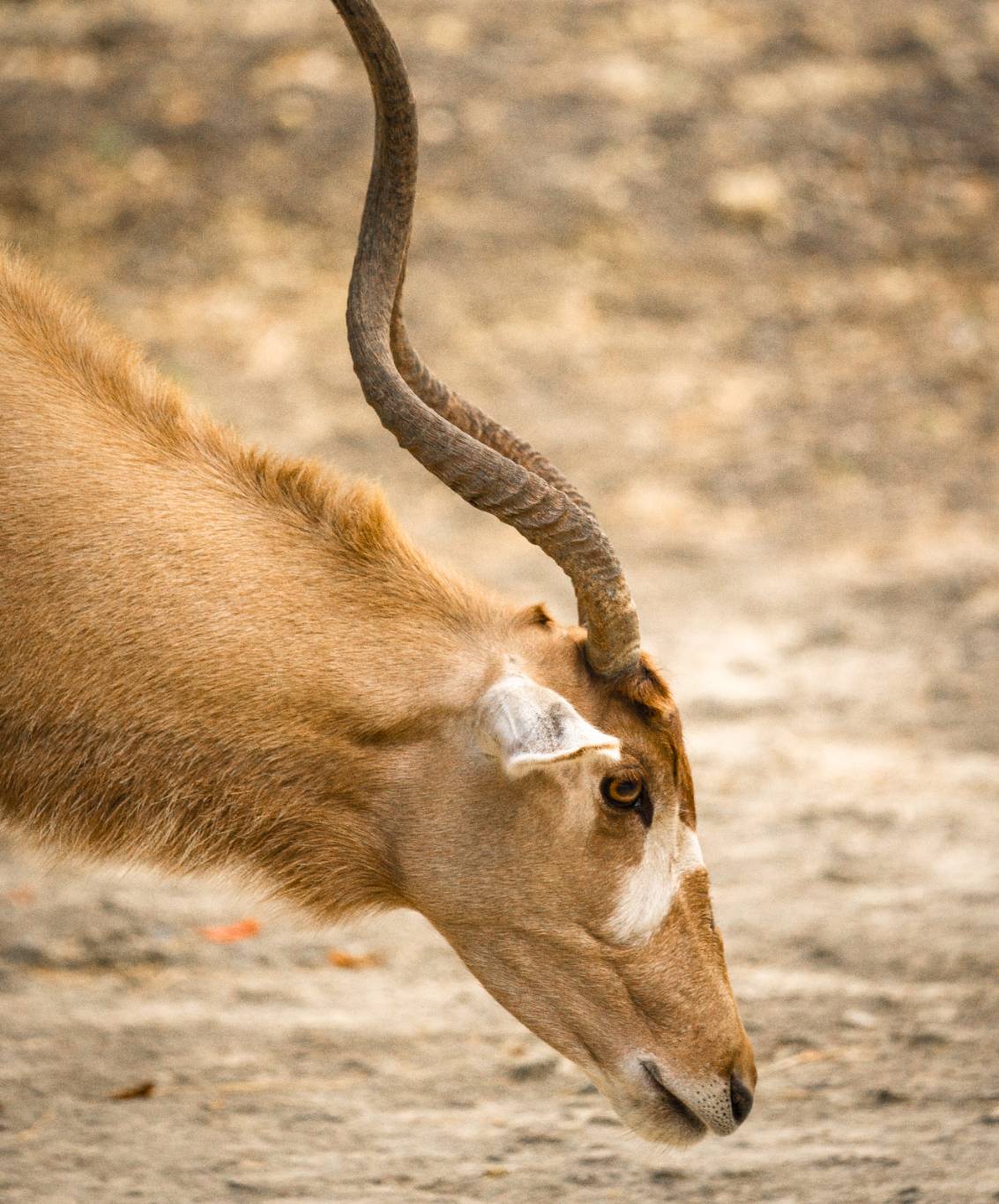
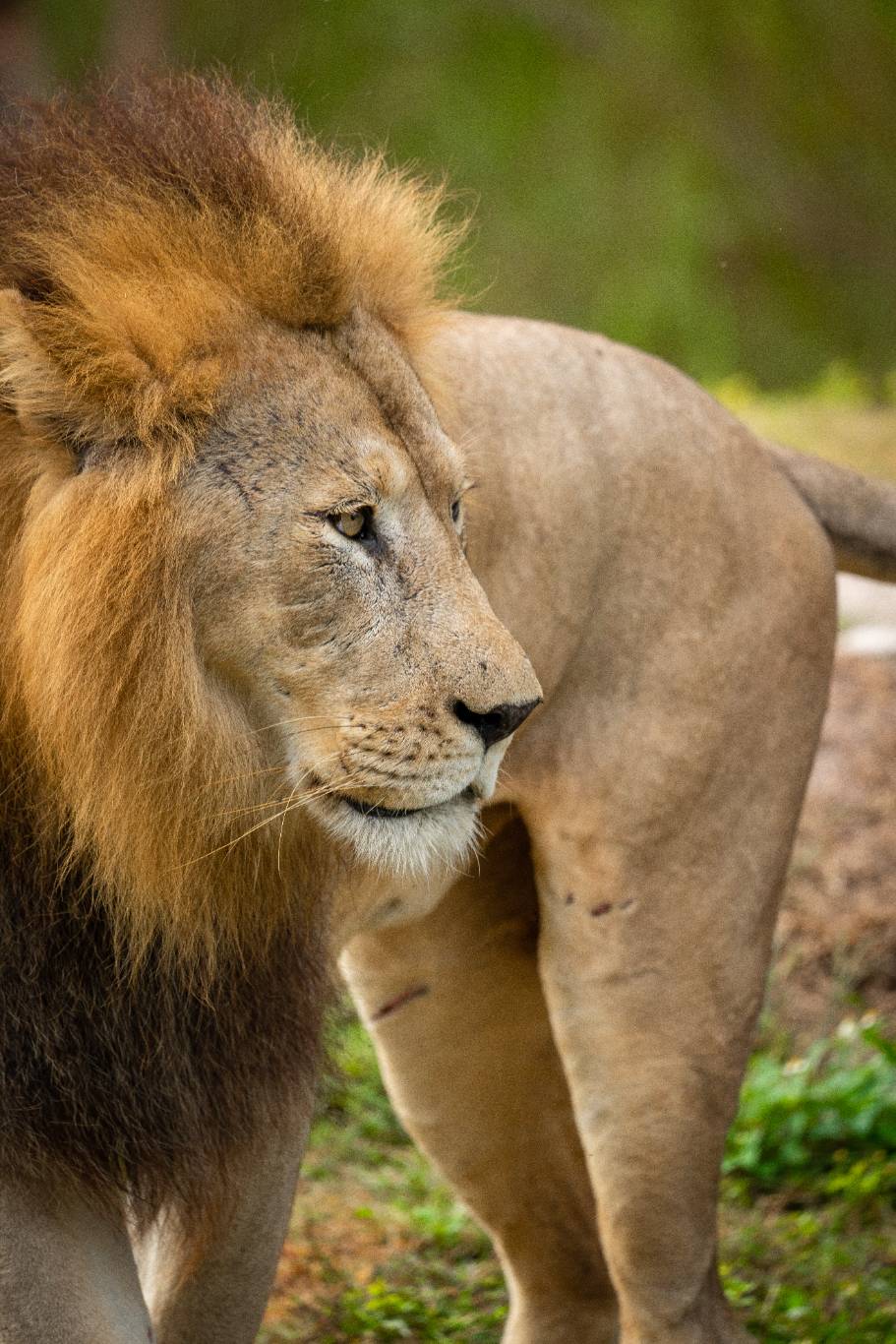
Small herd of bison grazing across a snowy open plain below hazy distant mountainsClose-up of a weedy sea dragon with orange striped body in blue waterOstrich head and long feathered neck in profile against blurred green foliageWhite lamb standing in green grass facing the camera with sheep blurred behindAntelope with long ridged horns lying in green grass with a resting herd behindBrown horse in profile against a clear blue sky with snowy hills and dry grass behindHerd of American bison standing on dry dirt beside a rustic split-rail fenceHerd of bison standing and resting on bare dirt before a dense evergreen treelineMale lion with a thick mane turning his head, standing on grass and rockZebra head in profile showing black and white stripes against green grassBrown bear standing on a lichen-covered boulder looking toward distant forested hillsAmerican bison shedding its winter coat while grazing on grass at a forest edgeBlack bird with a red and yellow shoulder patch perched on a dry reedBlack and white magpie perched on a weathered wooden post with hazy mountains behindWhite-crowned sparrow perched in pale sagebrush, seen from behind with head turnedGreen iguana with a spiny crest raising its head against pale rocky groundGreen iguana in profile showing spiny crest, scaled jowl and round cheek discBlue and yellow macaw perched on a bare branch, second bird blurred behindPale jellyfish drifting at different depths through dark blue waterBlack butterfly with yellow markings and red collar resting beneath a green leafTwo zebras seen from behind on green grass with rhinos resting in the distanceClose-up of a zebra's striped hindquarters and tail against sunlit green grassAntelope with long spiral horns lowering its head over dry sandy ground

Eye level with the subject turns a record of an animal into a portrait of one, because we read a face as a face when we meet it straight on rather than looking down at it. That usually means being uncomfortable, and it is the single biggest difference between a snapshot and a photograph.
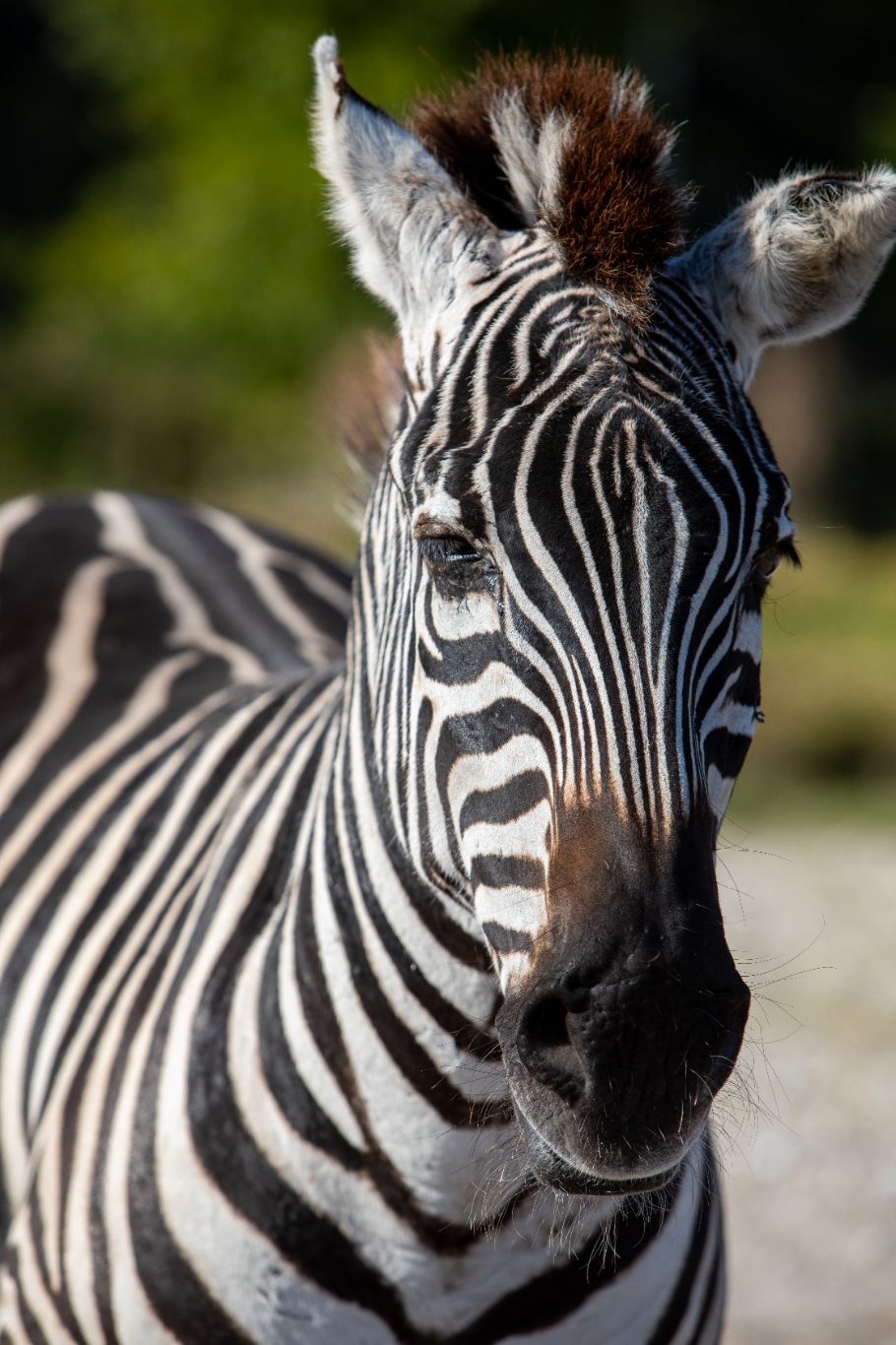
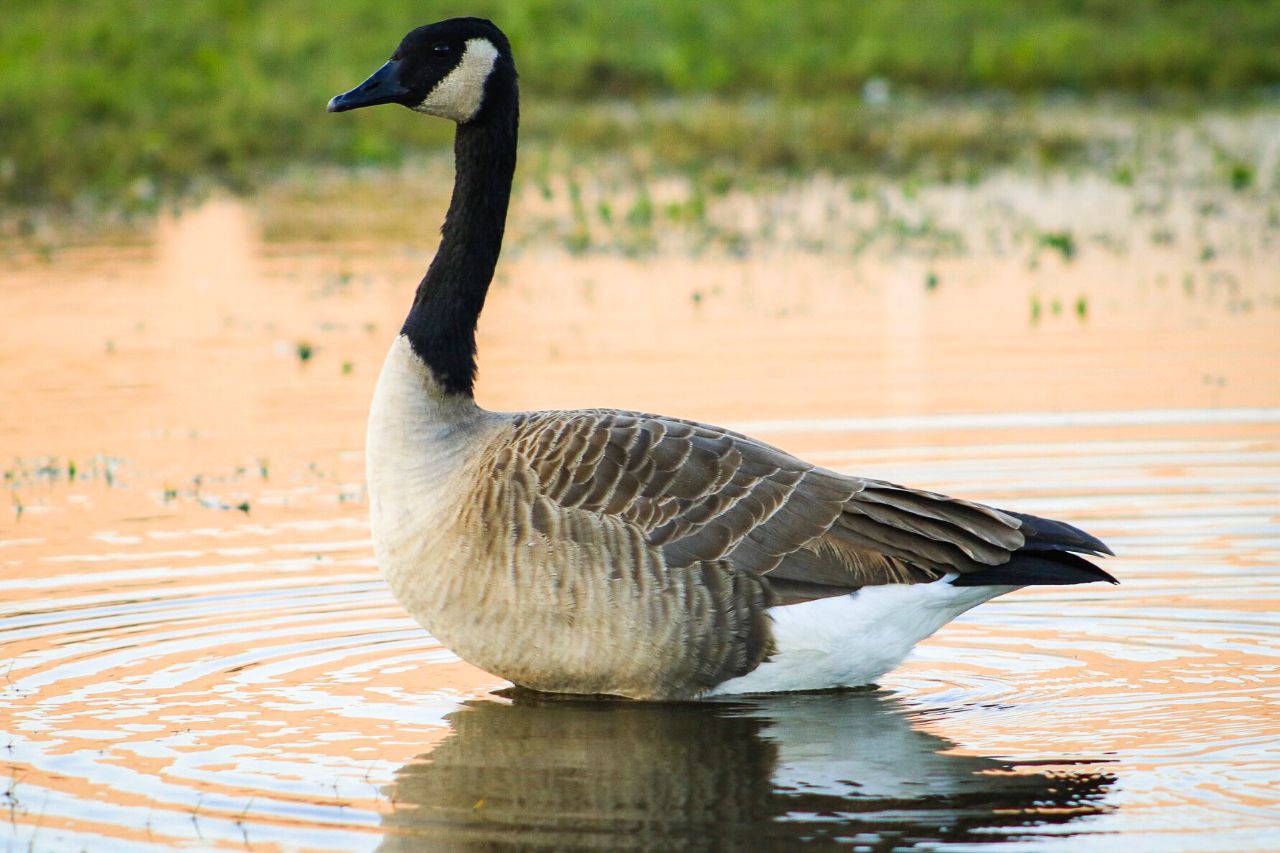
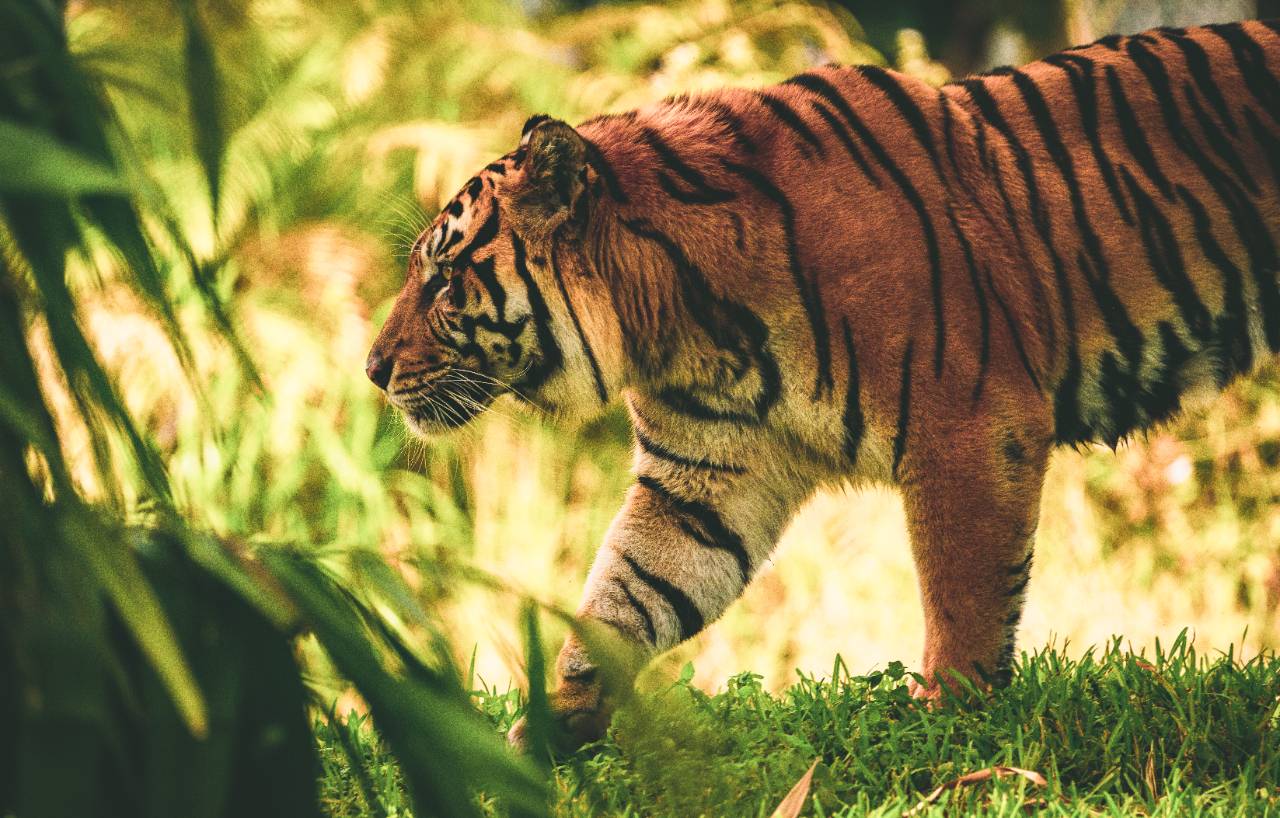
Close-up portrait of a zebra turning toward the camera in warm sunlightGoose with black neck and white cheek patch standing in shallow rippling waterTiger walking through tall grass past broad green leaves in dappled lightMale lion with thick dark mane standing in profile on patchy grassMeerkat standing upright on its hind legs against a blurred sandy background

The frame I want is the turn of a head, the moment attention shifts. Not the animal staring down the lens — the moment just before, when it is still entirely itself.
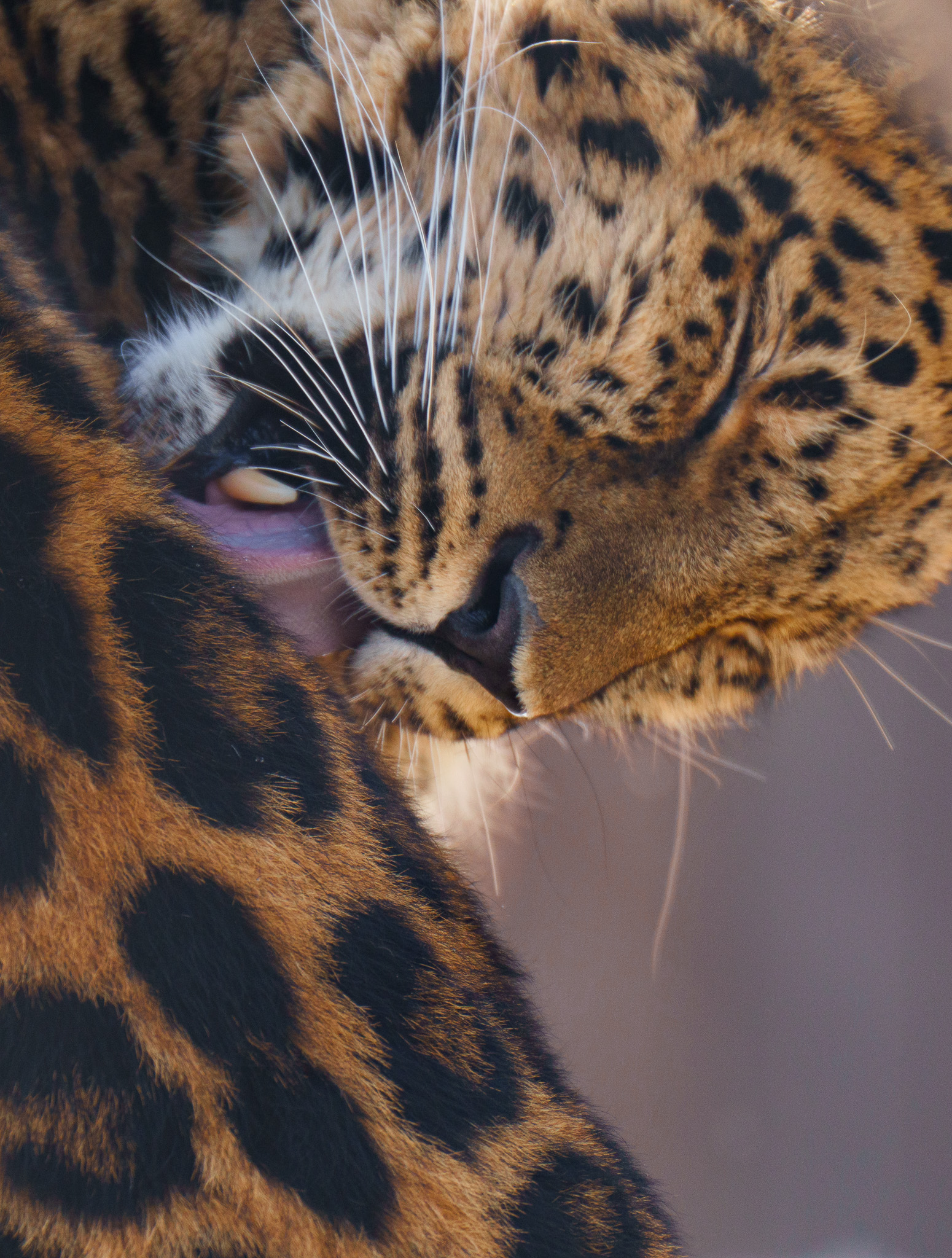
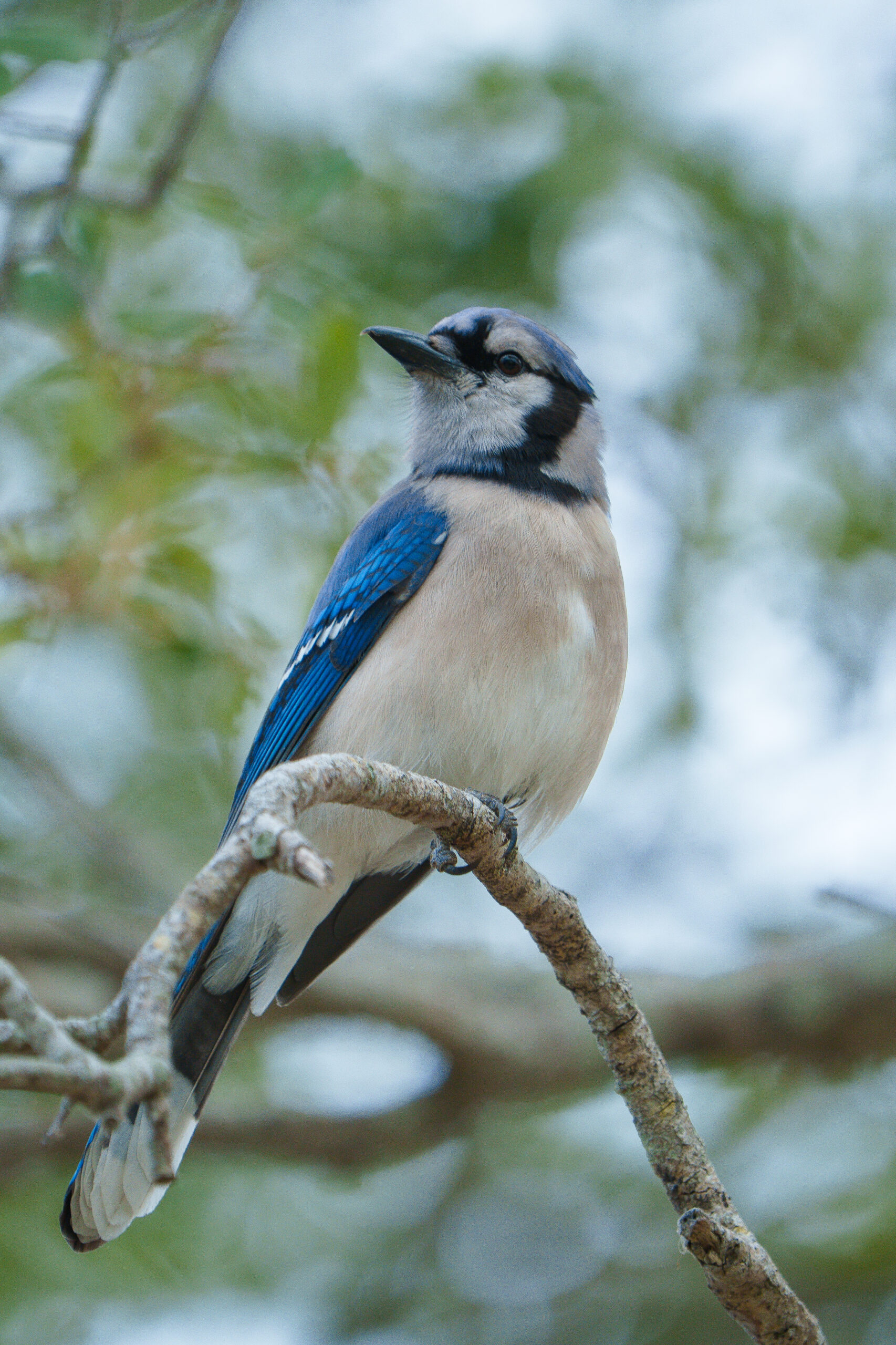
Close-up of a spotted big cat grooming its shoulder, long whiskers catching the light (14 words; also set confident=false. Keep the word "leopard" only if someone confirms the species.)Tiger resting in snow behind a pale tree trunk, head turned to one sideBay horse grazing on dry grass and snow below snowcapped mountains and bare aspen treesBlue jay perched on a lichen-covered branch against soft green blurred foliage

Patience, mostly. Wildlife photography is hours of nothing in exchange for a few seconds that matter, and the seconds do not announce themselves.
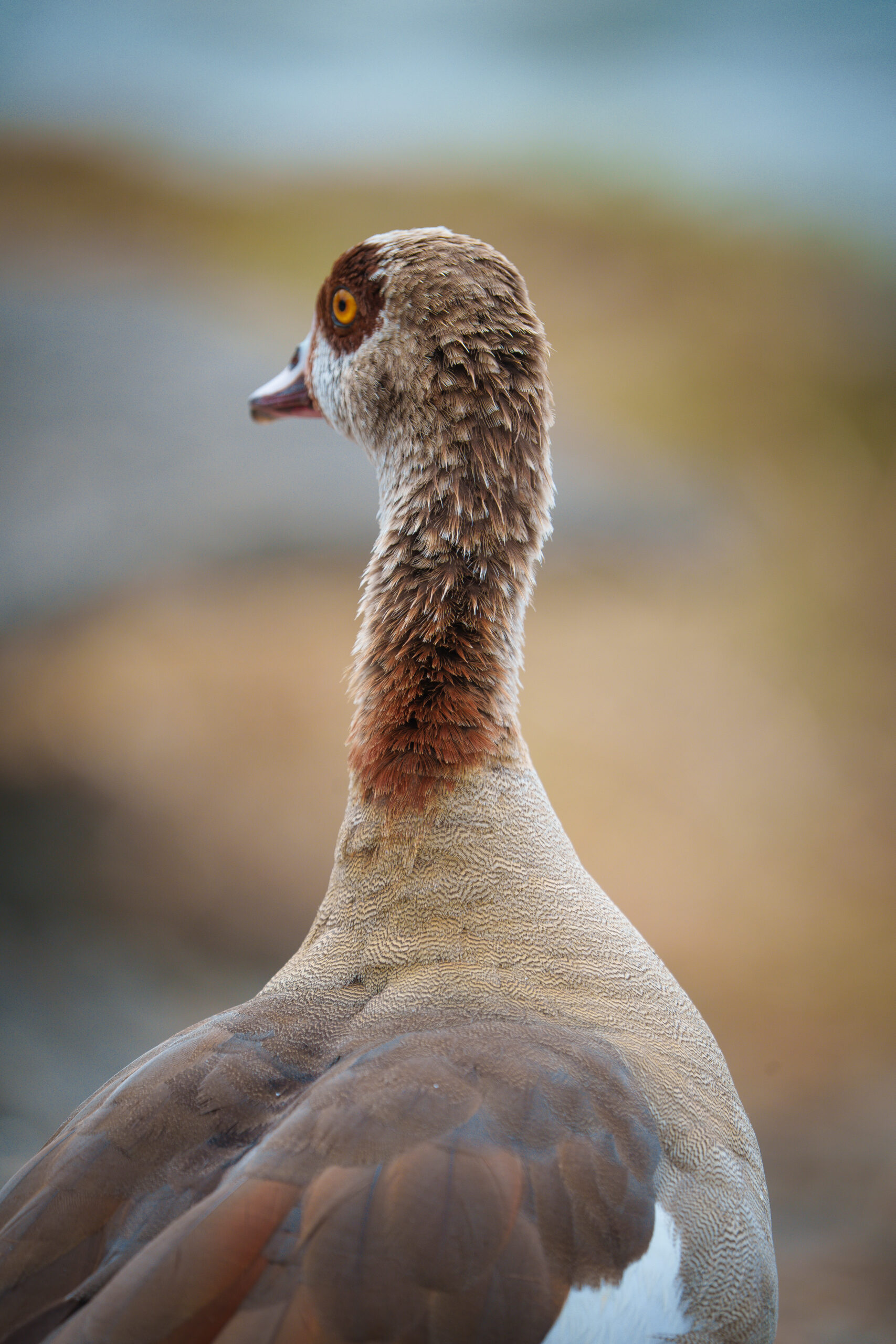
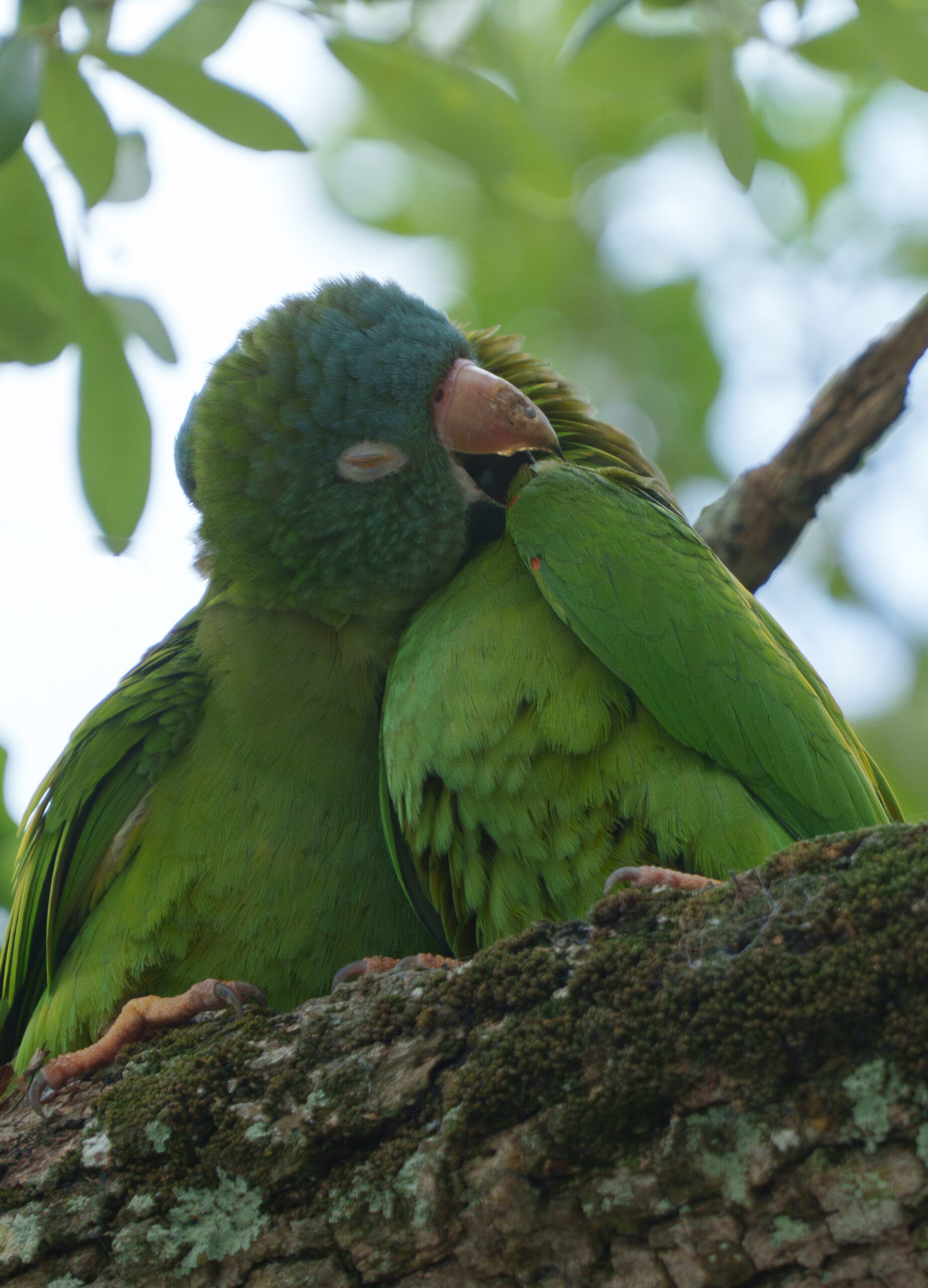
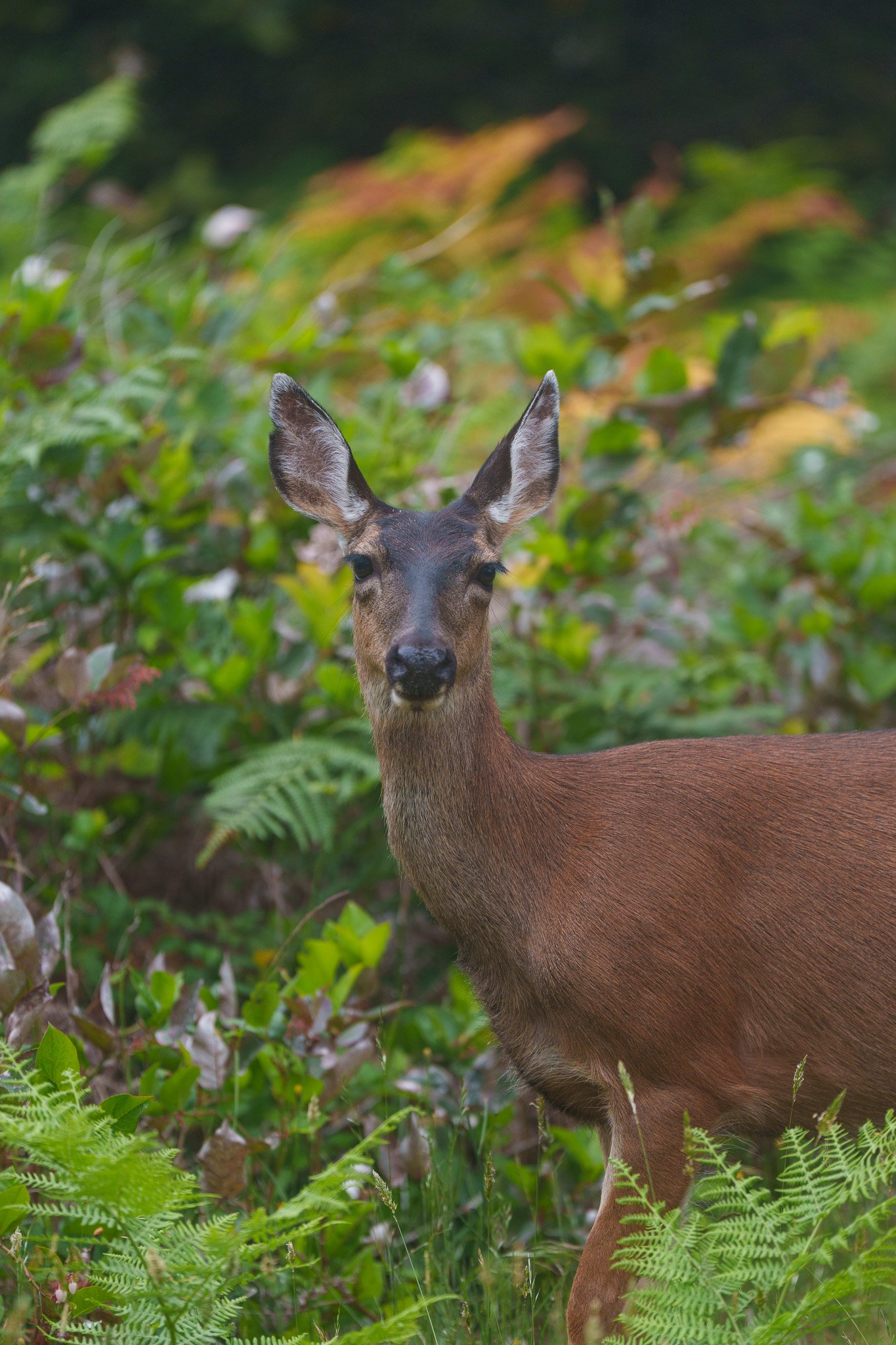
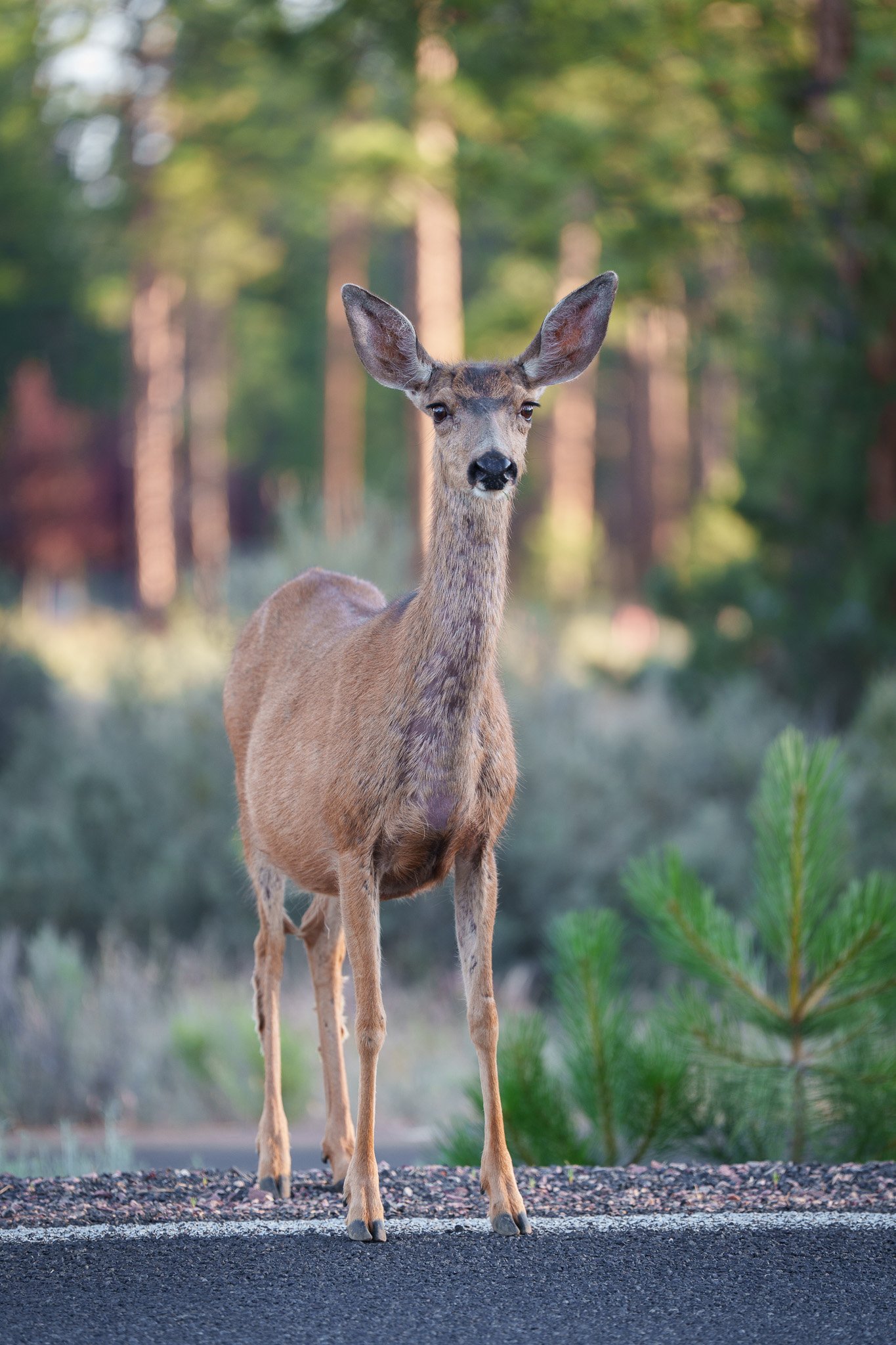
Tan and brown goose in profile with a bright orange eye and pink billTwo green parakeets huddled together preening on a mossy tree branchBlue jay facing forward on a mossy branch, pale breast and black neck ringDeer with large ears standing among ferns and shrubs, looking straight aheadDeer standing at the edge of a paved road with pine forest behind

Knowing when to stop walking

Walk straight at something wild and it leaves. So the approach is oblique and slow, and it ends earlier than I'd like. The rule I hold to: if the animal changes what it was doing because of me, I'm already too close, and whatever I'd get from there isn't worth it.

Backing off has cost me pictures. It has also meant the animal was still there, still doing the thing I came for, after the first frame. The frames worth keeping come from that side of the line — not from getting nearer, but from staying far enough out that the animal never had to account for me.

Rare isn't the same as interesting

People grade a wildlife photograph by how uncommon the animal is. That's a checklist value, not a picture value. Rarity is a fact about the animal. It isn't a property of the photograph, and it doesn't survive the trip to the viewer.

Someone looking at a frame can't tell whether the thing in it took years to find or walked past a parking lot that morning. All they have is what's in the rectangle. So the difficulty has to stay out of the argument entirely — if a picture only works once you've explained what it cost, it isn't the picture doing the work.

Explore my other photography categories or get in touch if you’re planning a project.

Planning something like this?

Tell me what you have in mind and I will tell you honestly whether I am the right person to shoot it.