Food that makes you hungry through a screen. Menu shots, brand work, editorial, lit and styled so the dish looks the way it tastes. For restaurants, products, and anyone who needs their food to sell itself online.
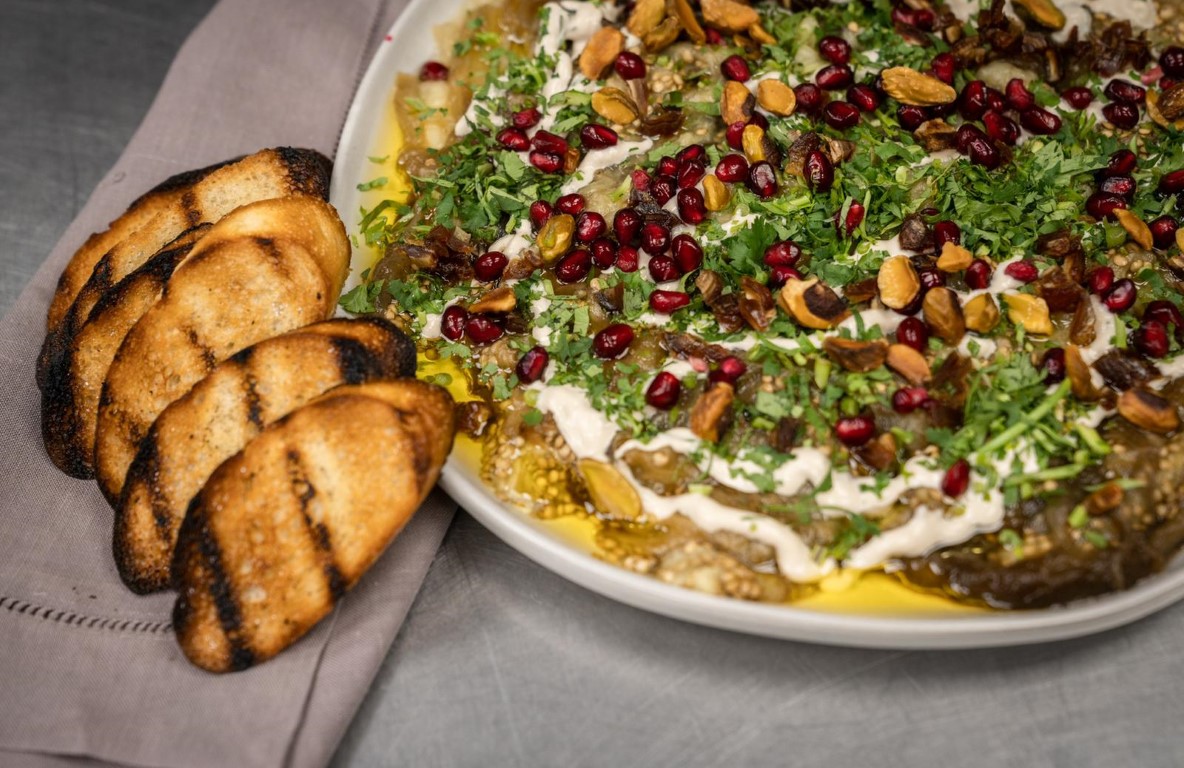

So the shot gets built before the plate arrives, light shaped, angle chosen, focus set, and the food walks onto a stage that is already lit.The rest is restraint about styling. A little mess is honest. A crumb, a used fork, a napkin that is not perfectly folded.
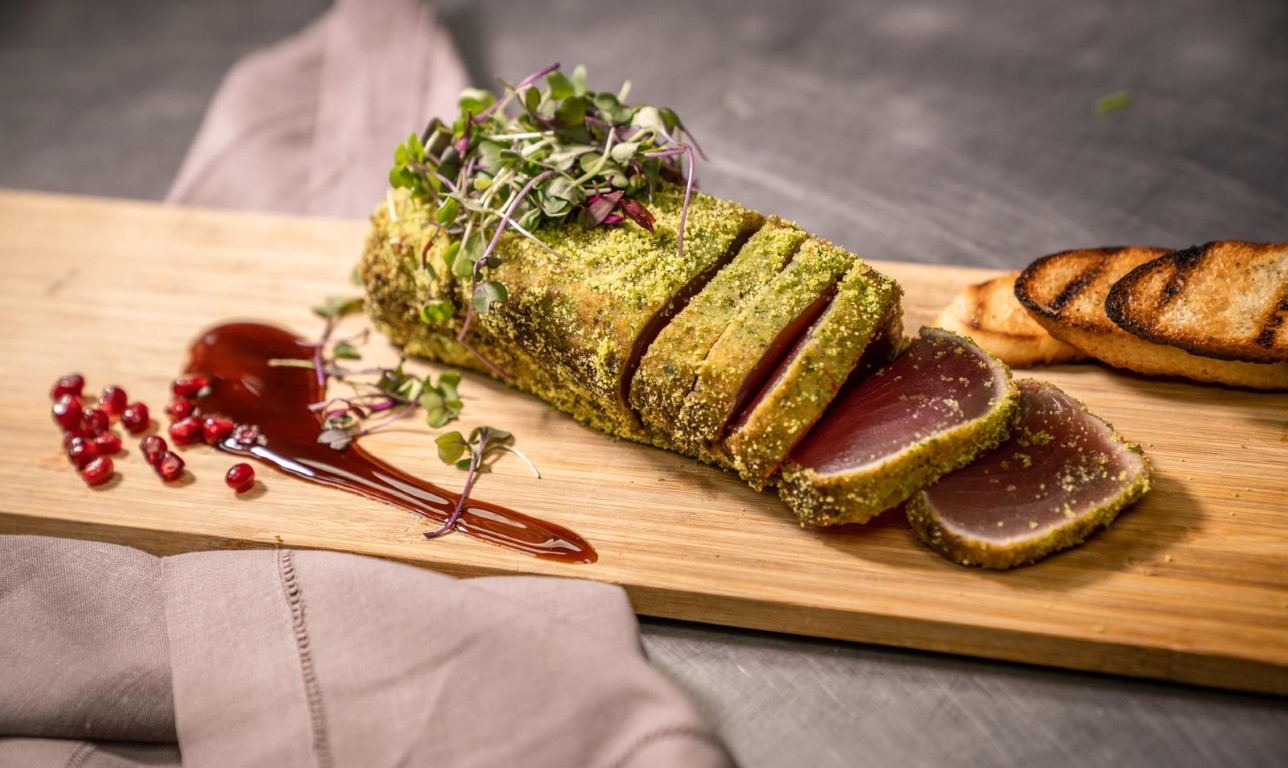
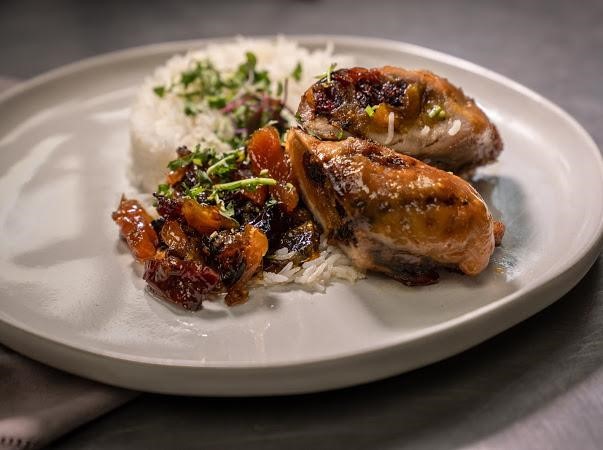
Side and back light give it dimension, which is the difference between a menu photo and something that makes you hungry.Timing is brutal here. Most dishes have about ninety seconds where they look like themselves. Herbs wilt, ice sweats, cheese sets.

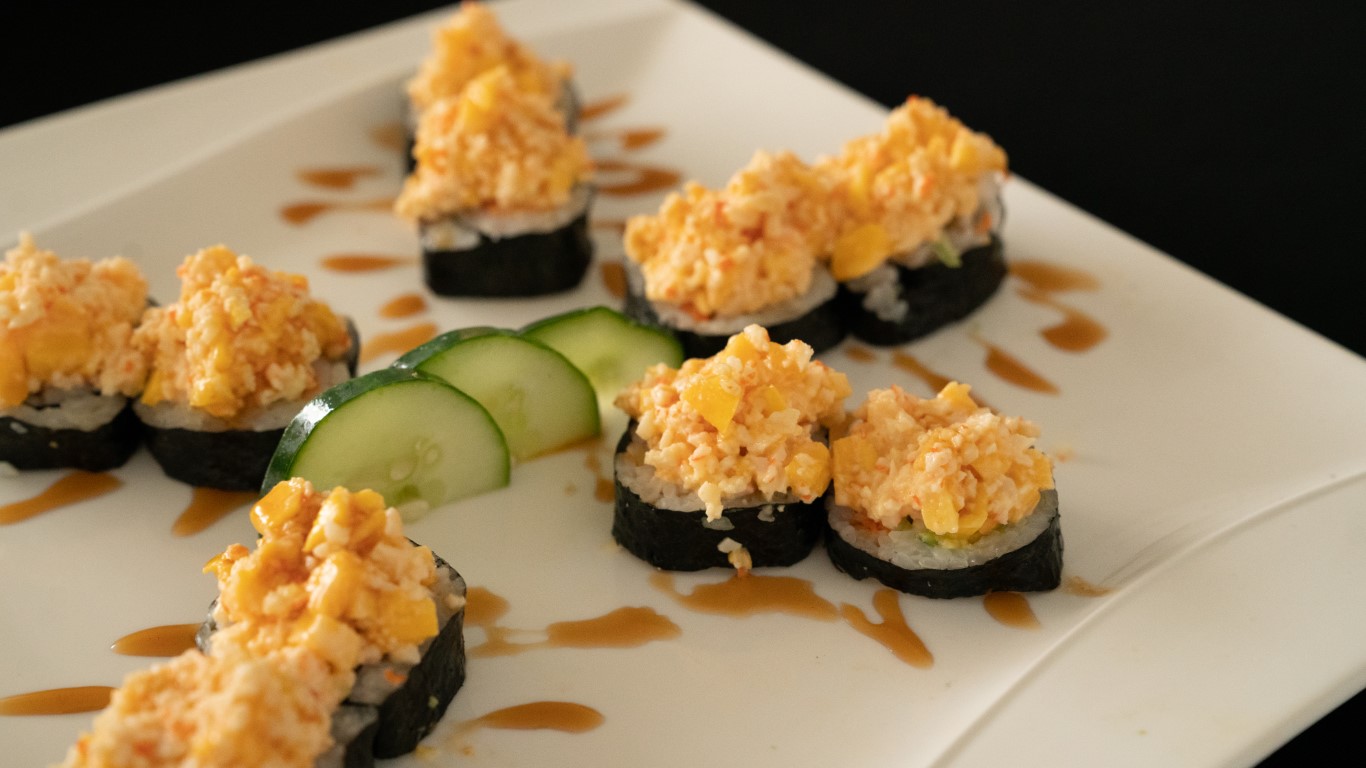
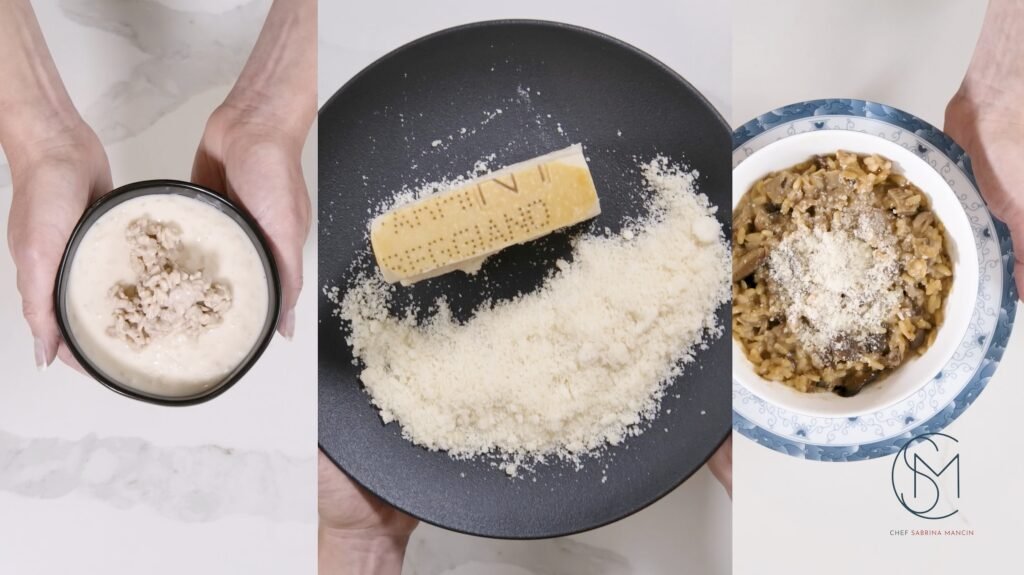
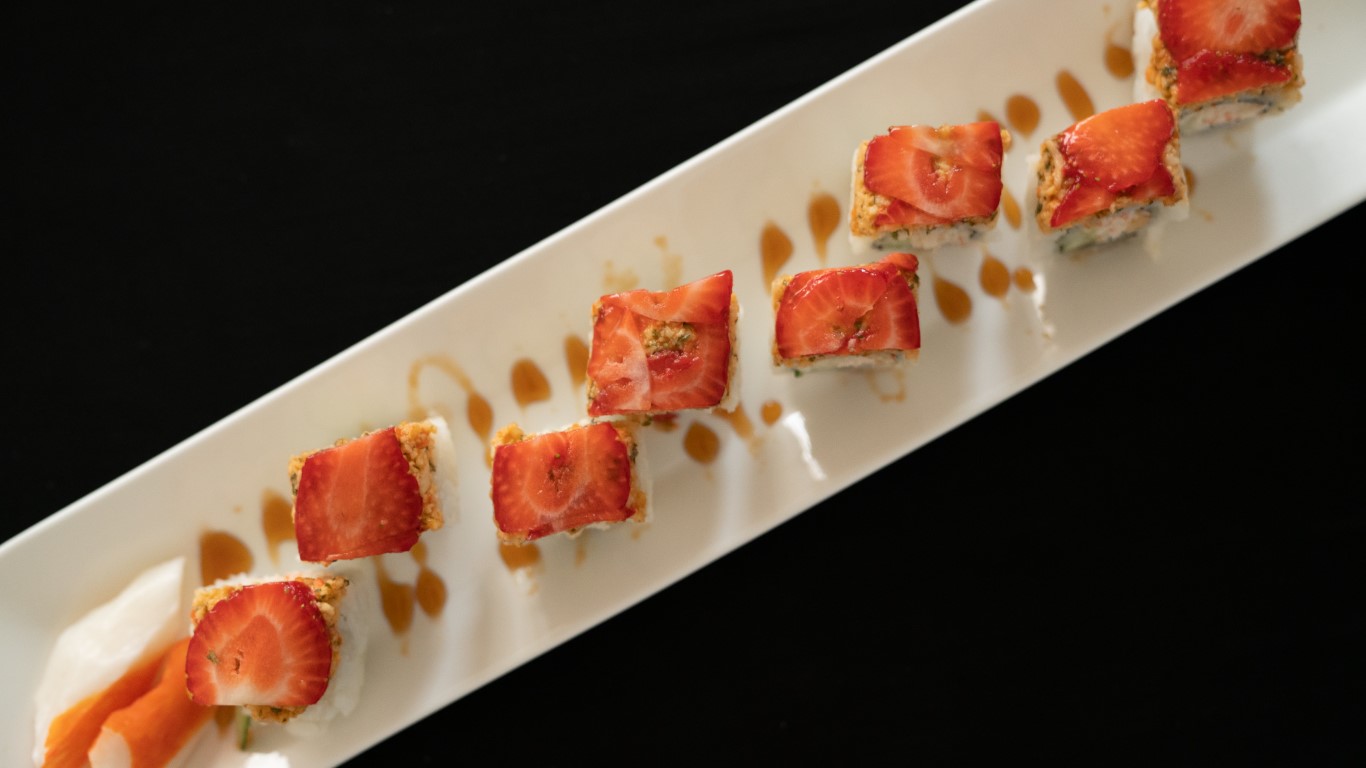
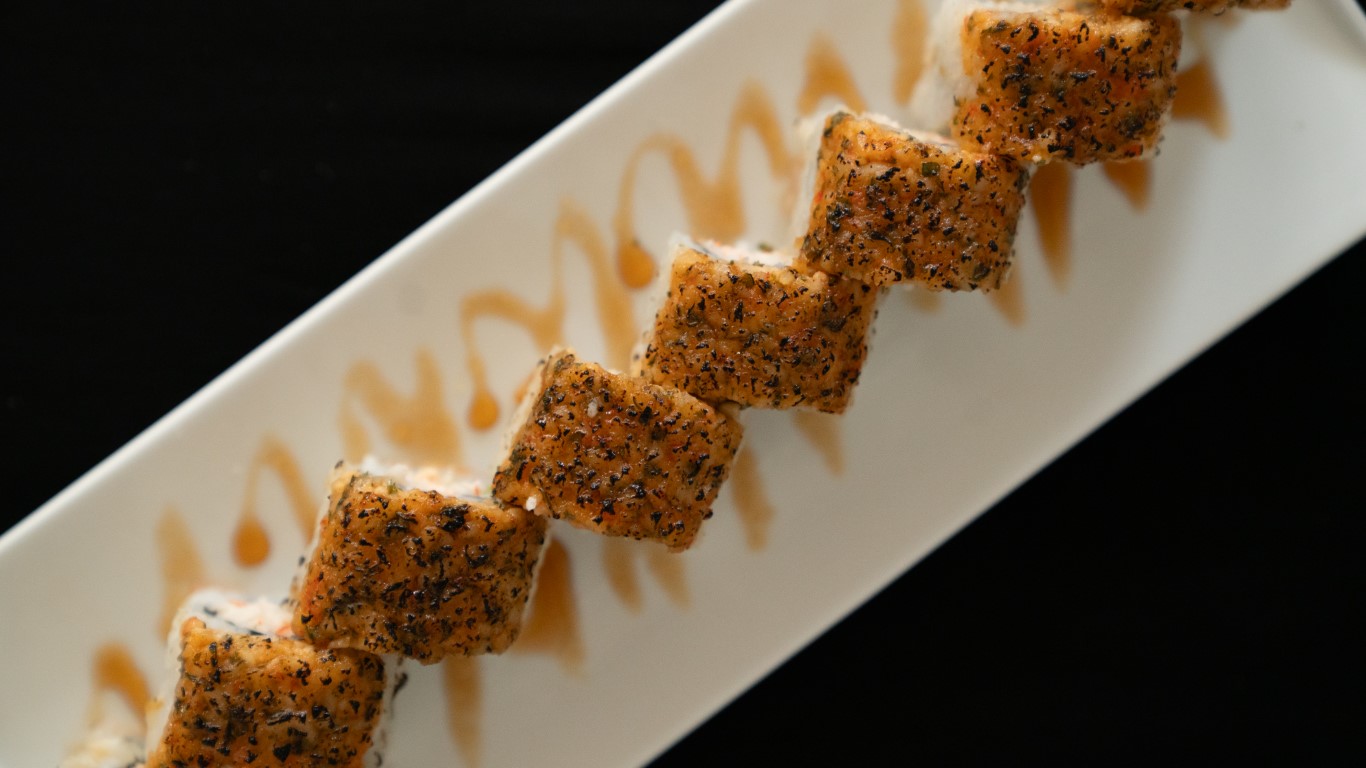
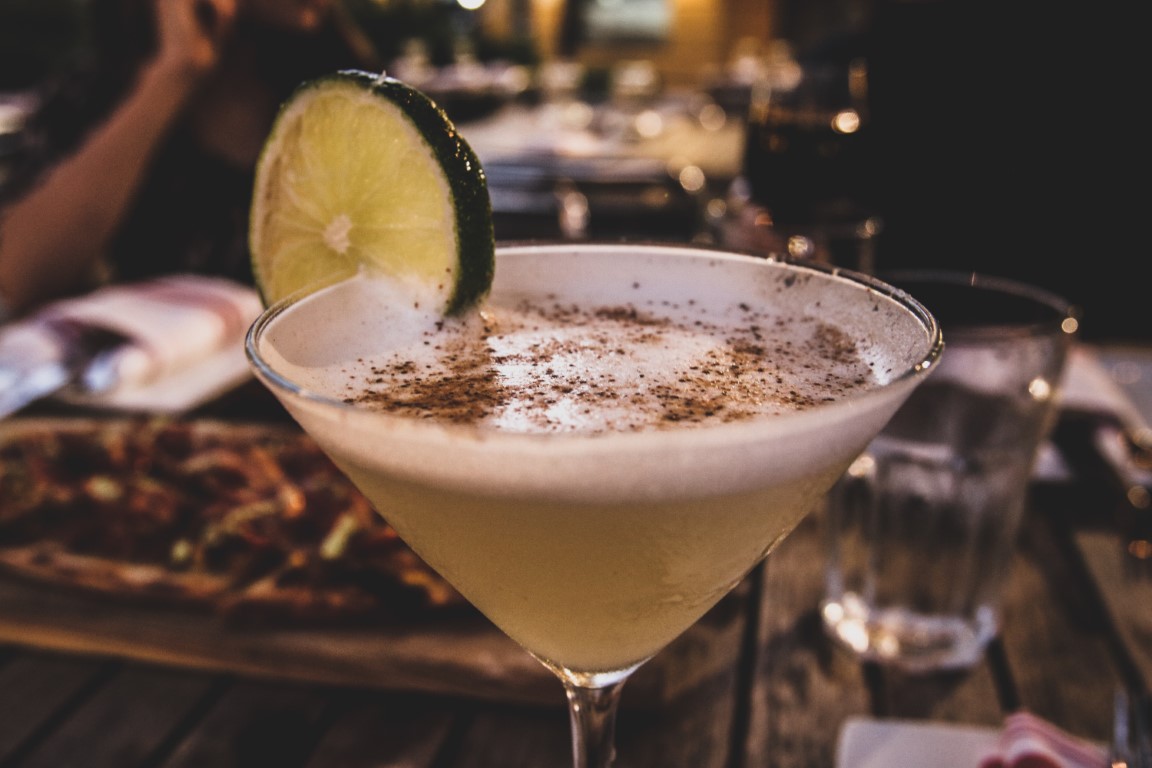
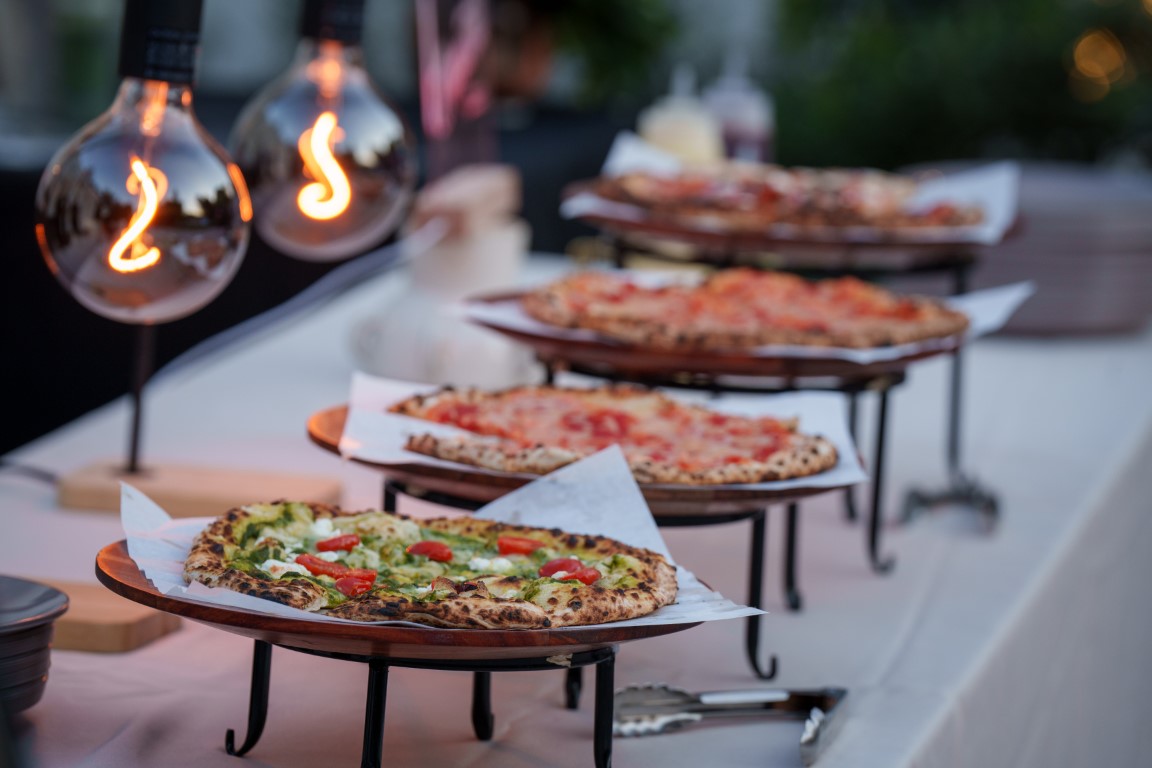
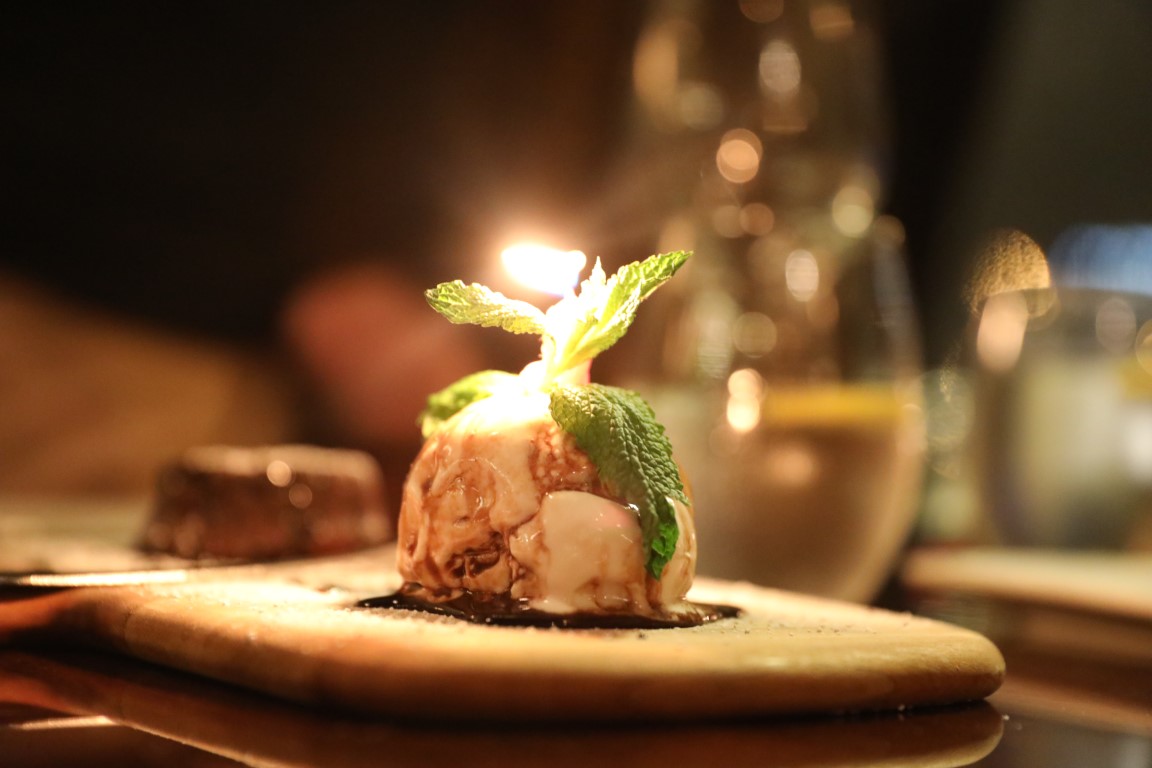
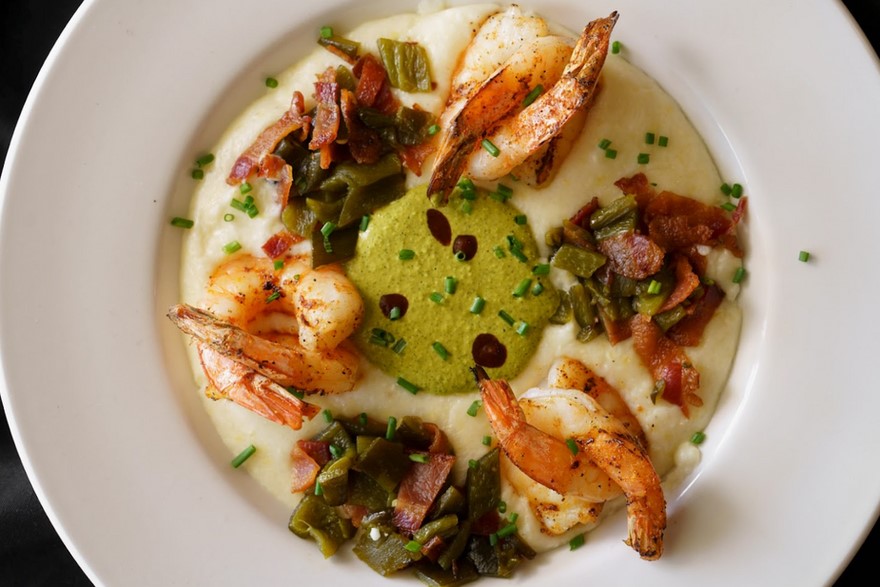
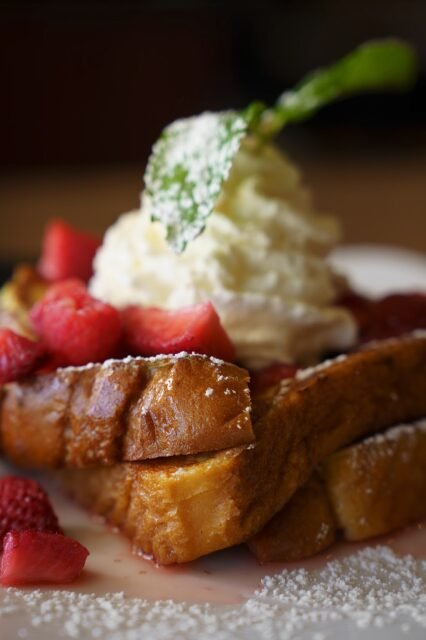
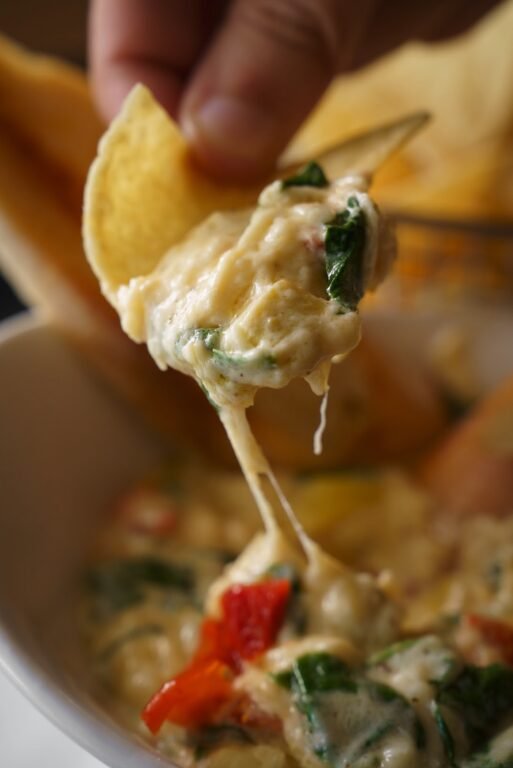
Light through food, not light on it. A little backlight and a plate comes alive: sauce catches, steam reads, the edge of a crust separates from the shadow behind it. Front-lit food looks like evidence.
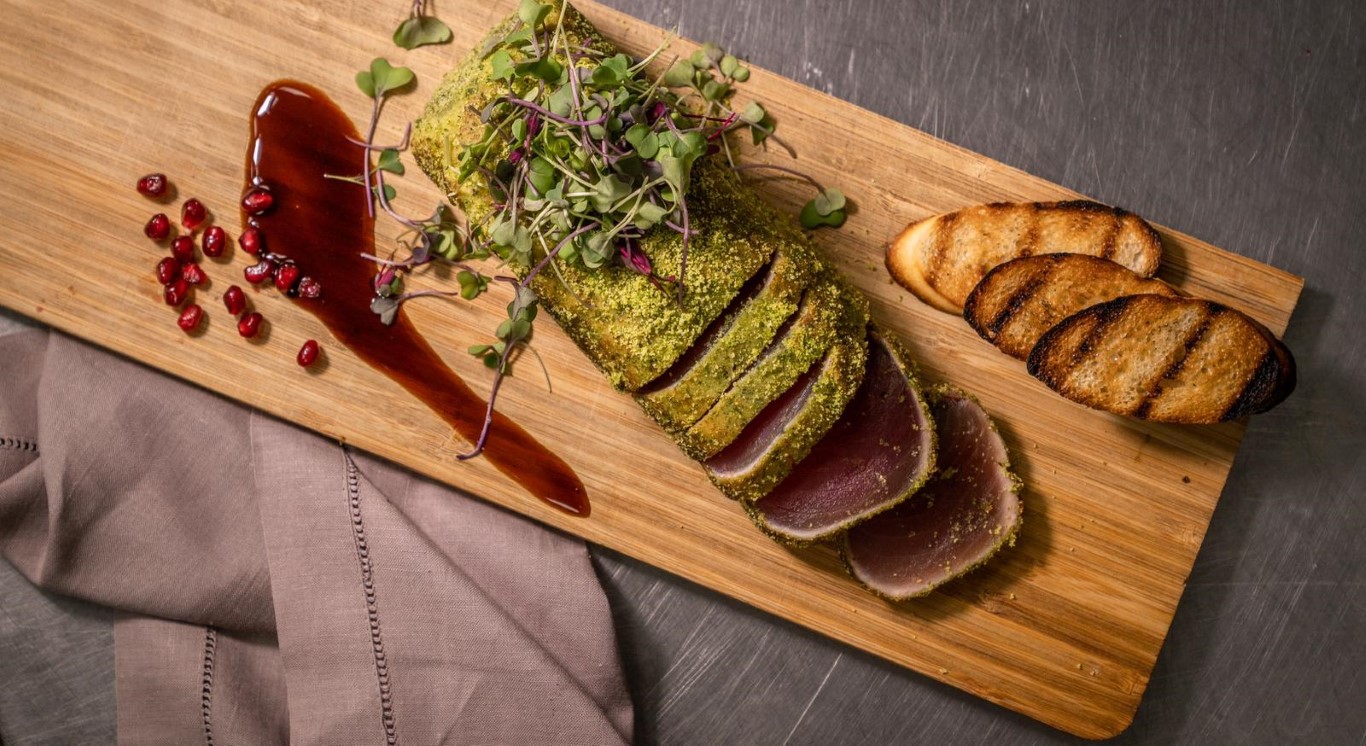
Food that has never been touched does not look appetising, it looks fake.

The dish decides where the camera goes
Most of it is height. A bowl arranged in a circle wants the camera directly over it. Anything built in layers, or served in a tall glass, vanishes from that angle and has to be met nearer its own level. Choose wrong and a good dish photographs as nothing at all.
Then there is depth. A plate is deeper than it looks, and if only the near rim is sharp the food stops reading as food. So I settle where the front edge of the subject sits, then build the frame back from it.
Texture is doing all the work
A photograph has no smell and no temperature. Everything that makes food appealing has to arrive through surface: the crackle on a crust, the point where a glaze thins out, a cut edge that is still wet. That is why these frames tend to sit close.
The habit I run into is wanting everything in one shot: every plate, the whole table, the drinks. It flattens out. There is usually one dish worth the frame, and one part of that dish worth most of it.
Explore my other photography categories or get in touch if you’re planning a project.