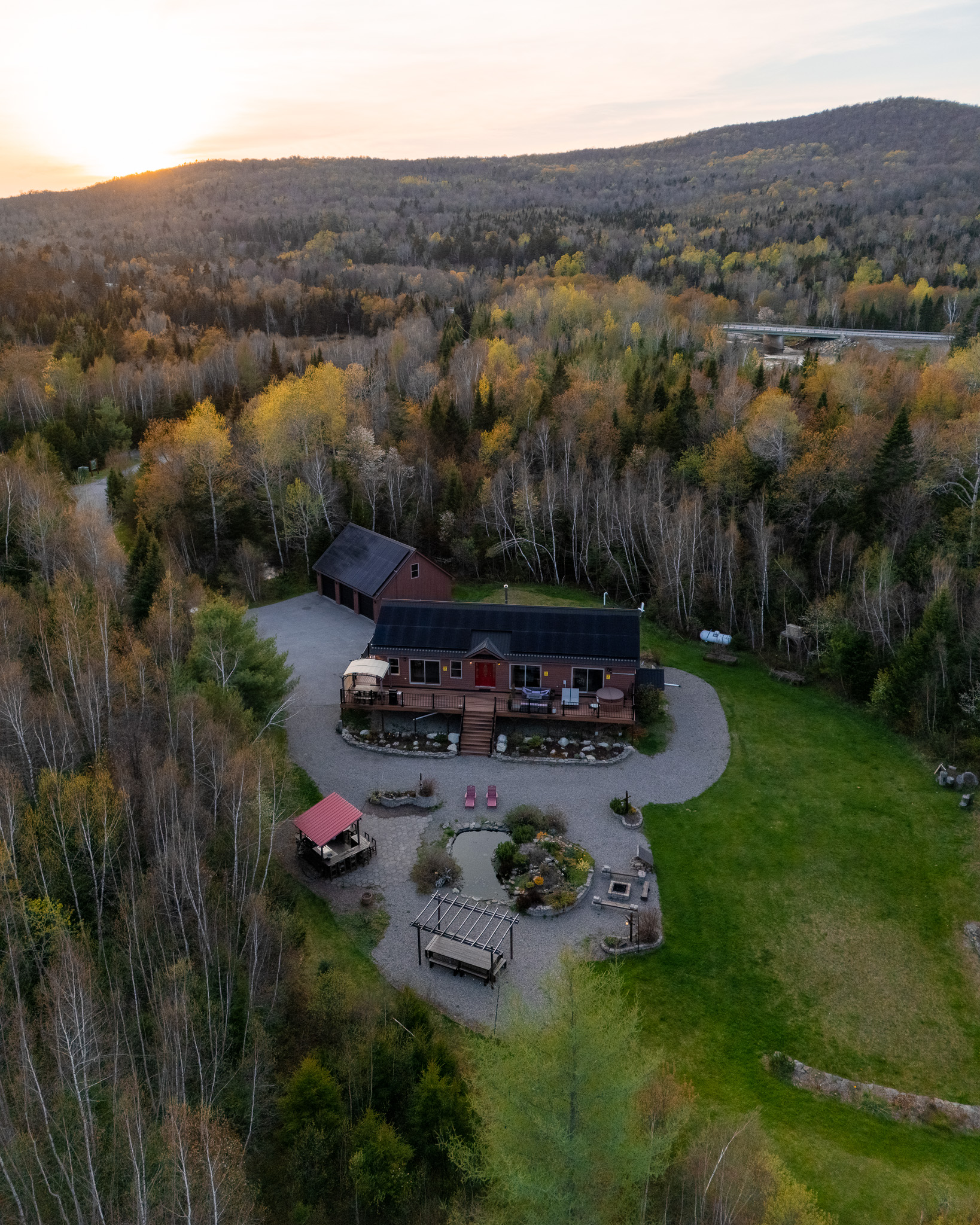
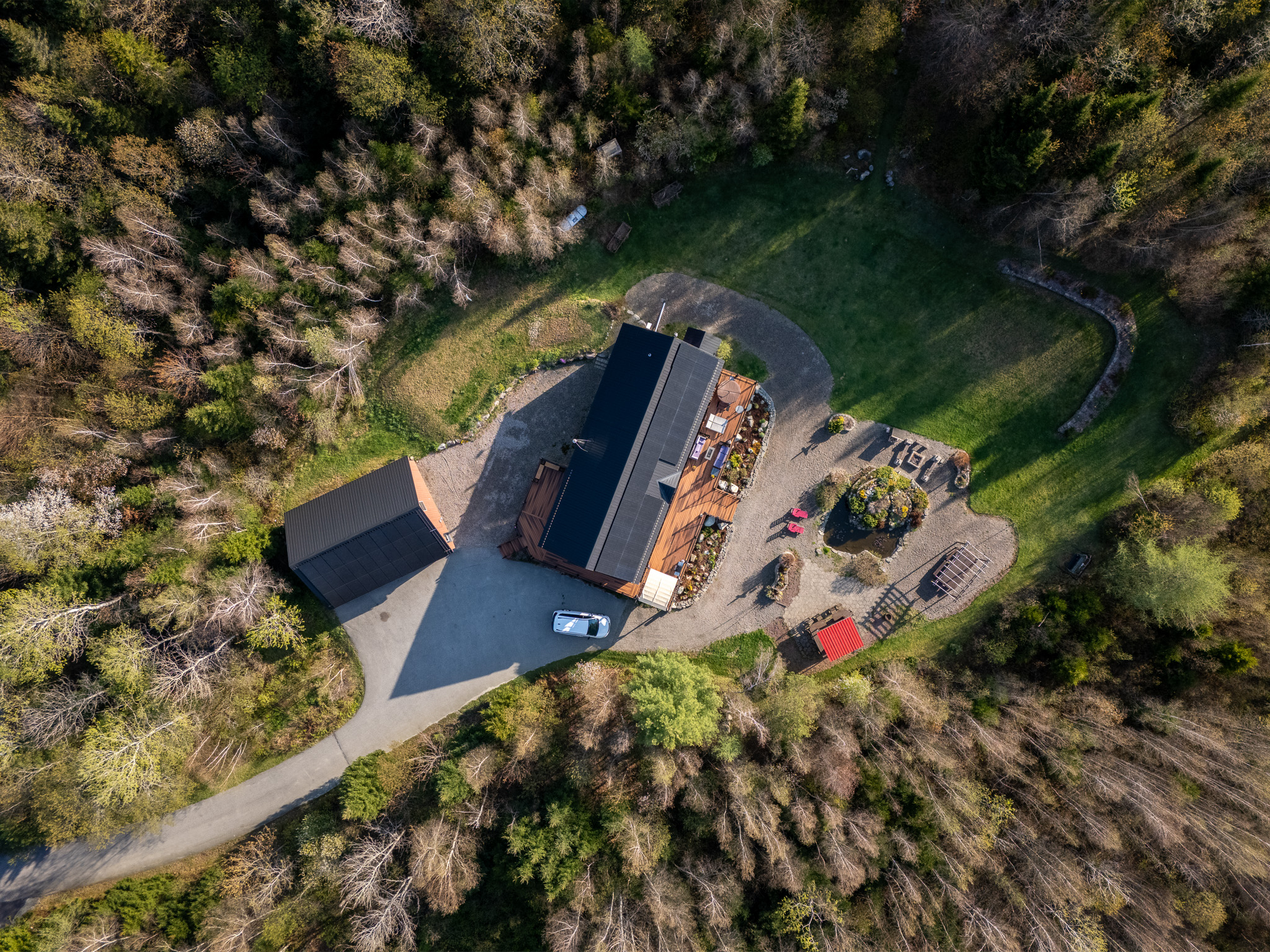
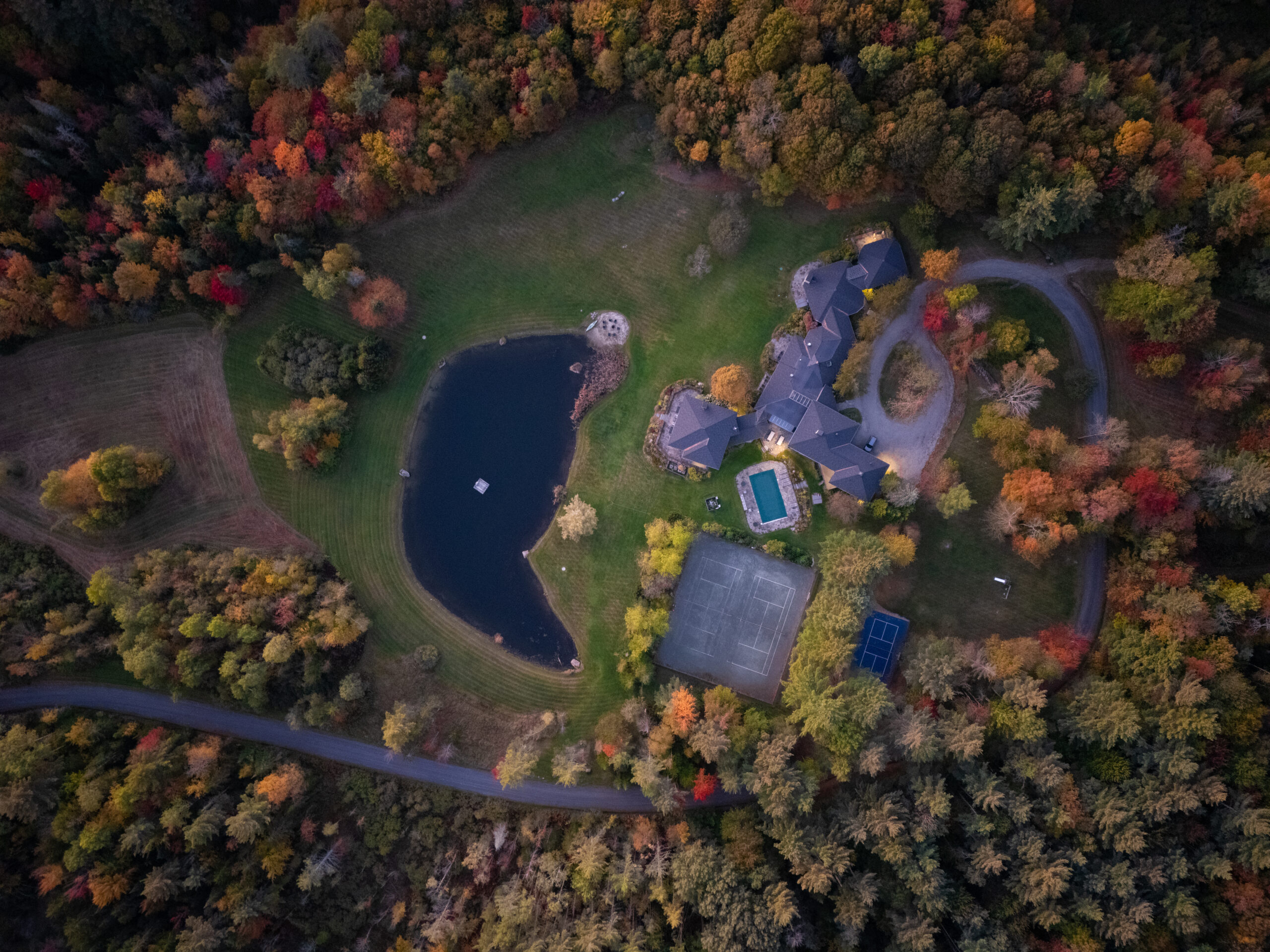
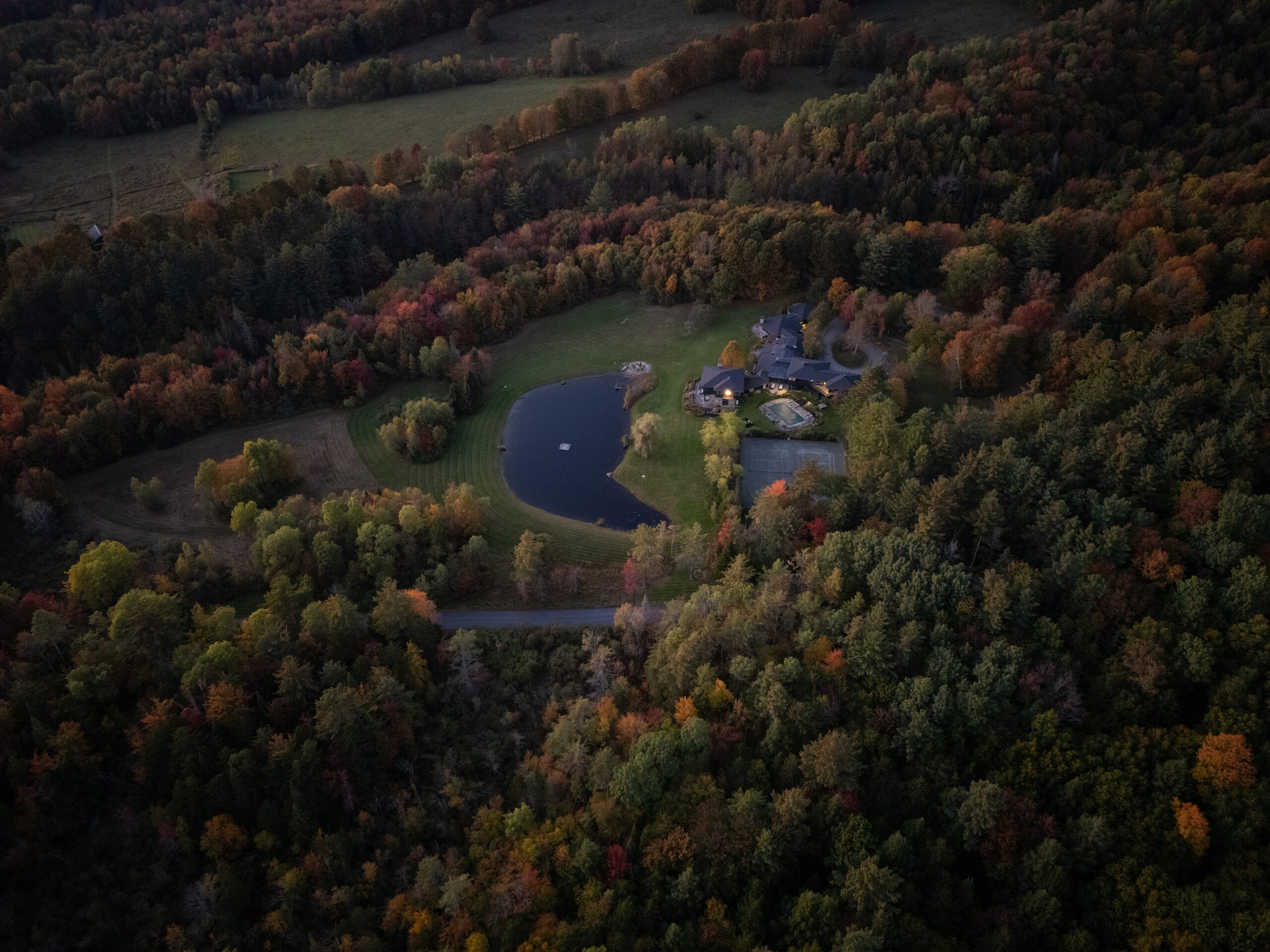
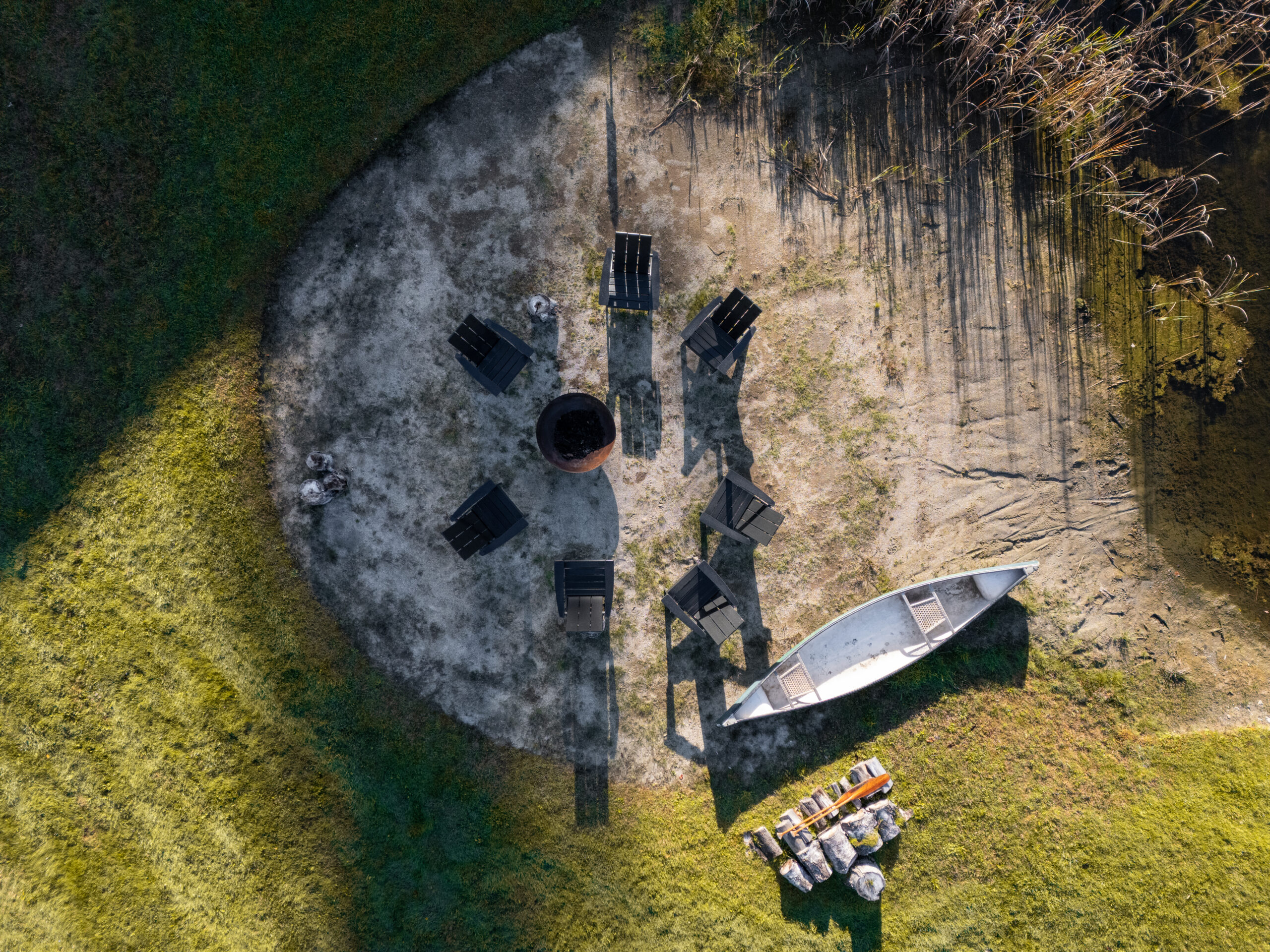
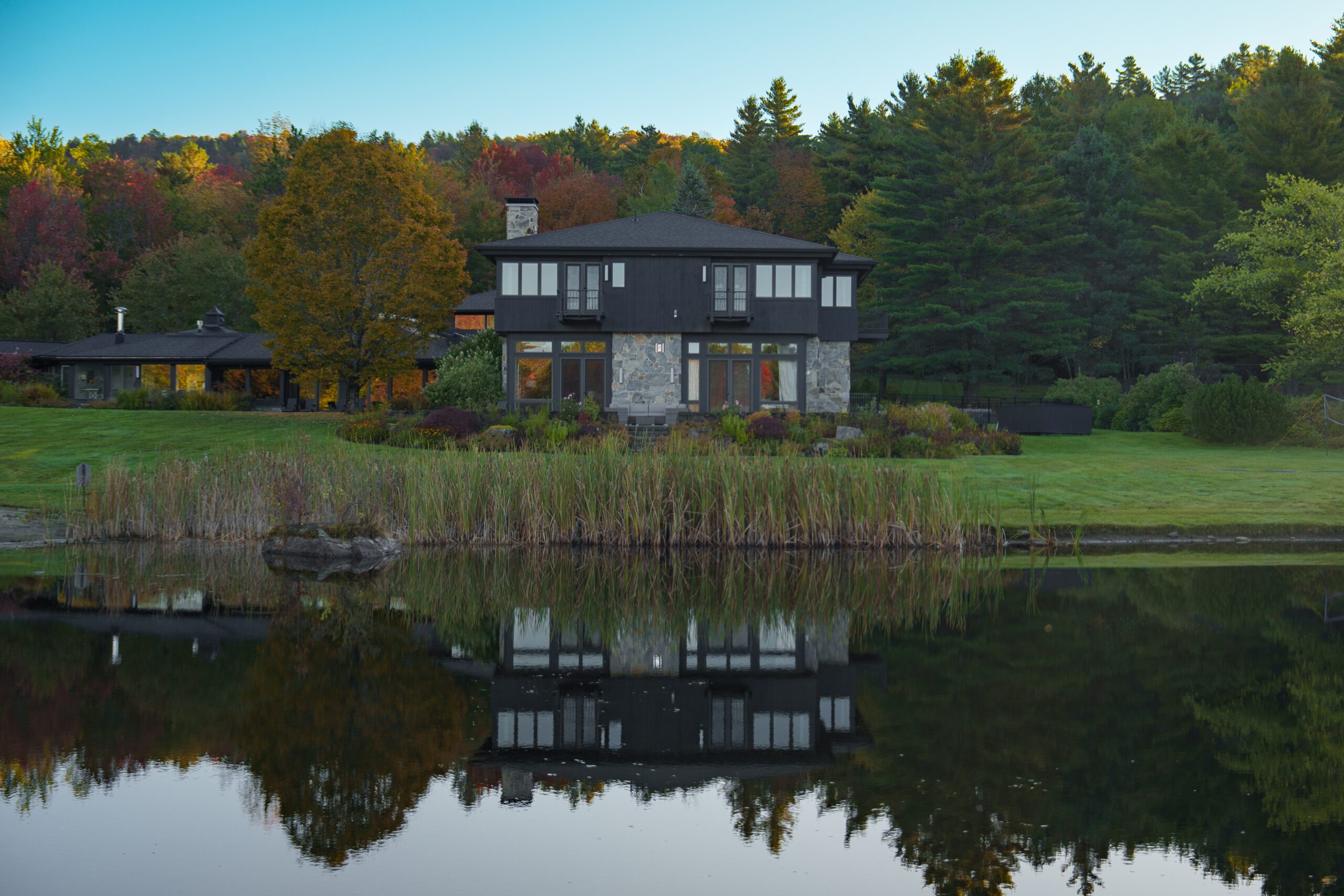
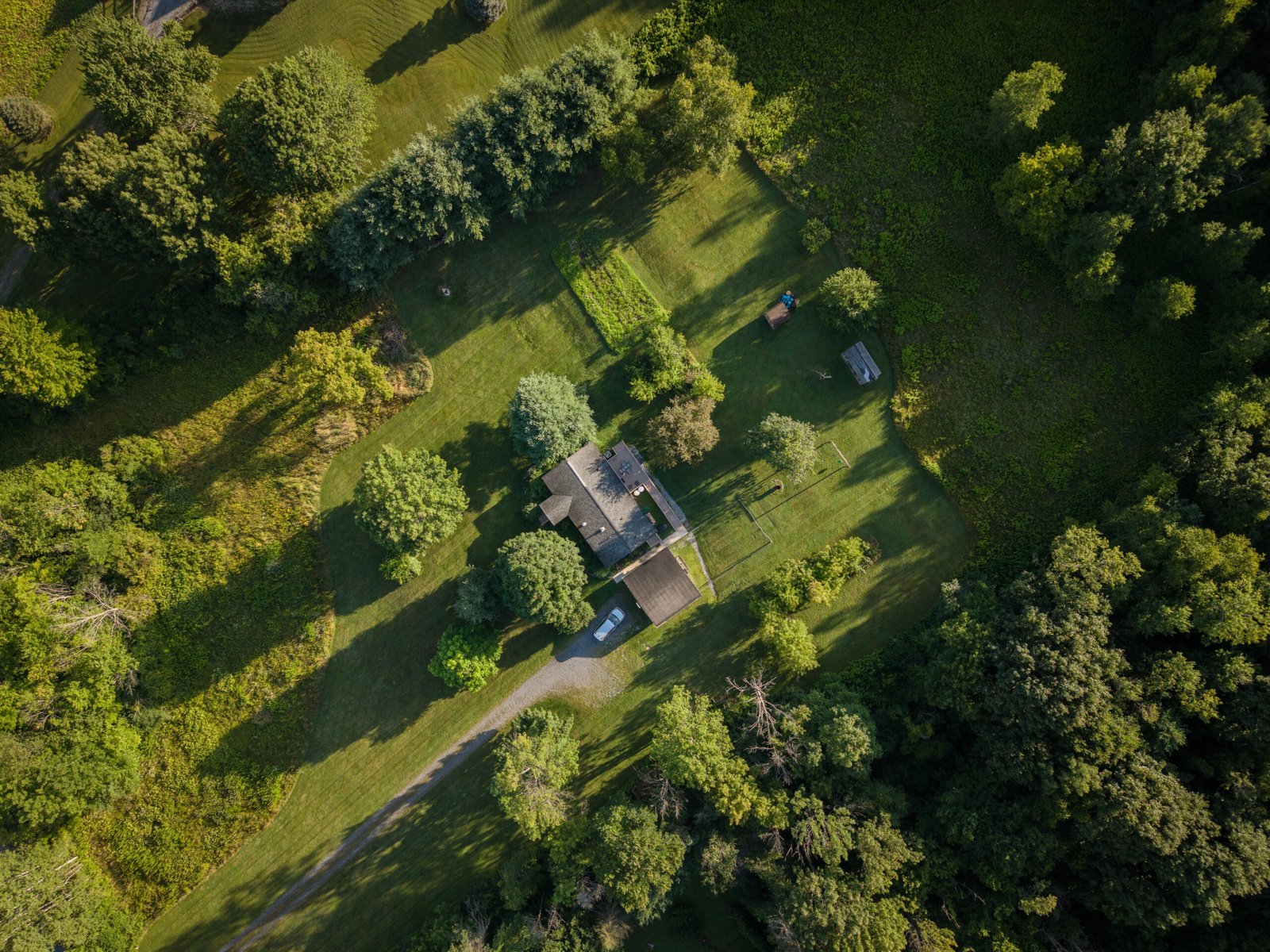
Spaces that sell themselves. Interior and exterior photography, and drone, when the property calls for it, for agents, owners, and short-term rentals.
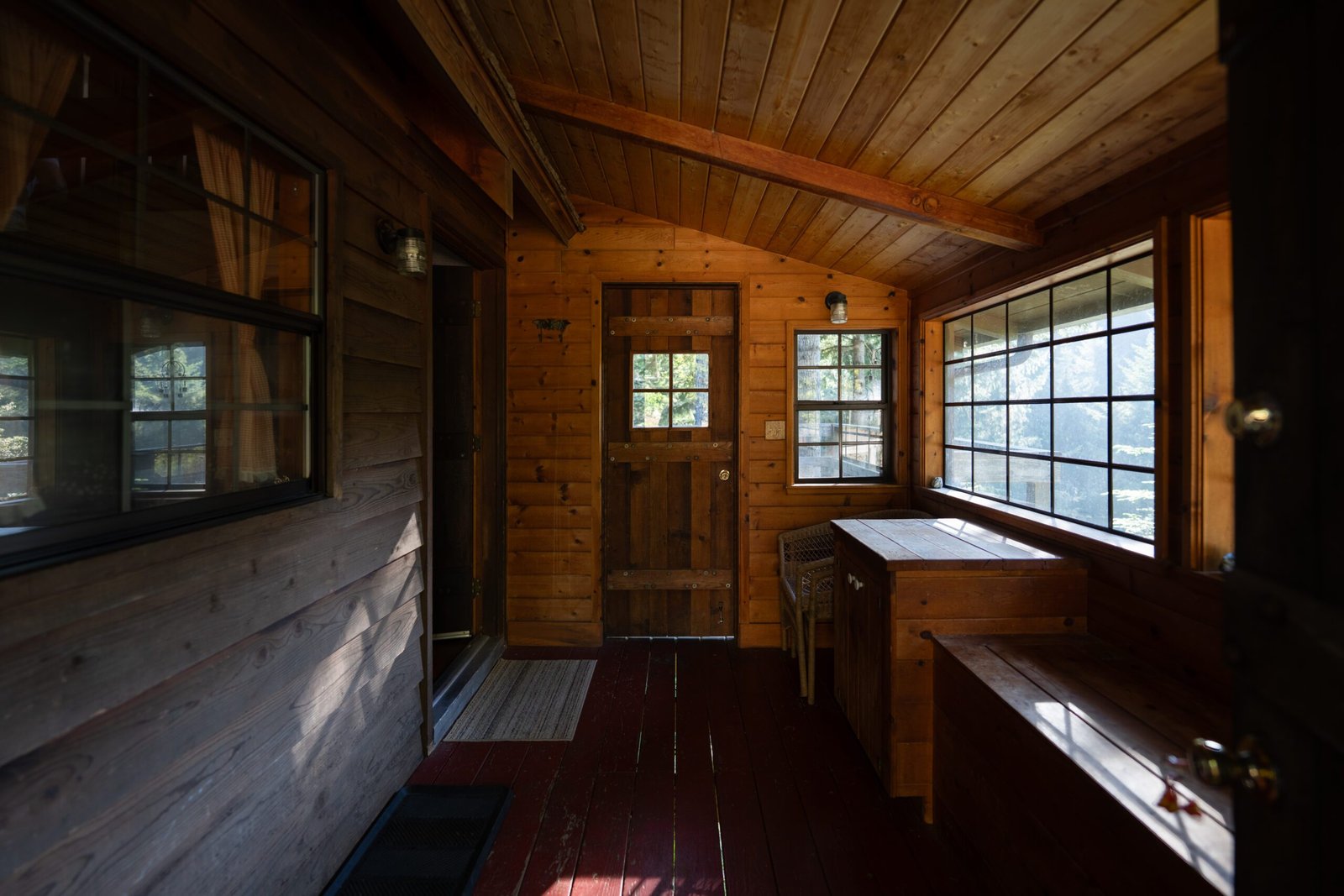
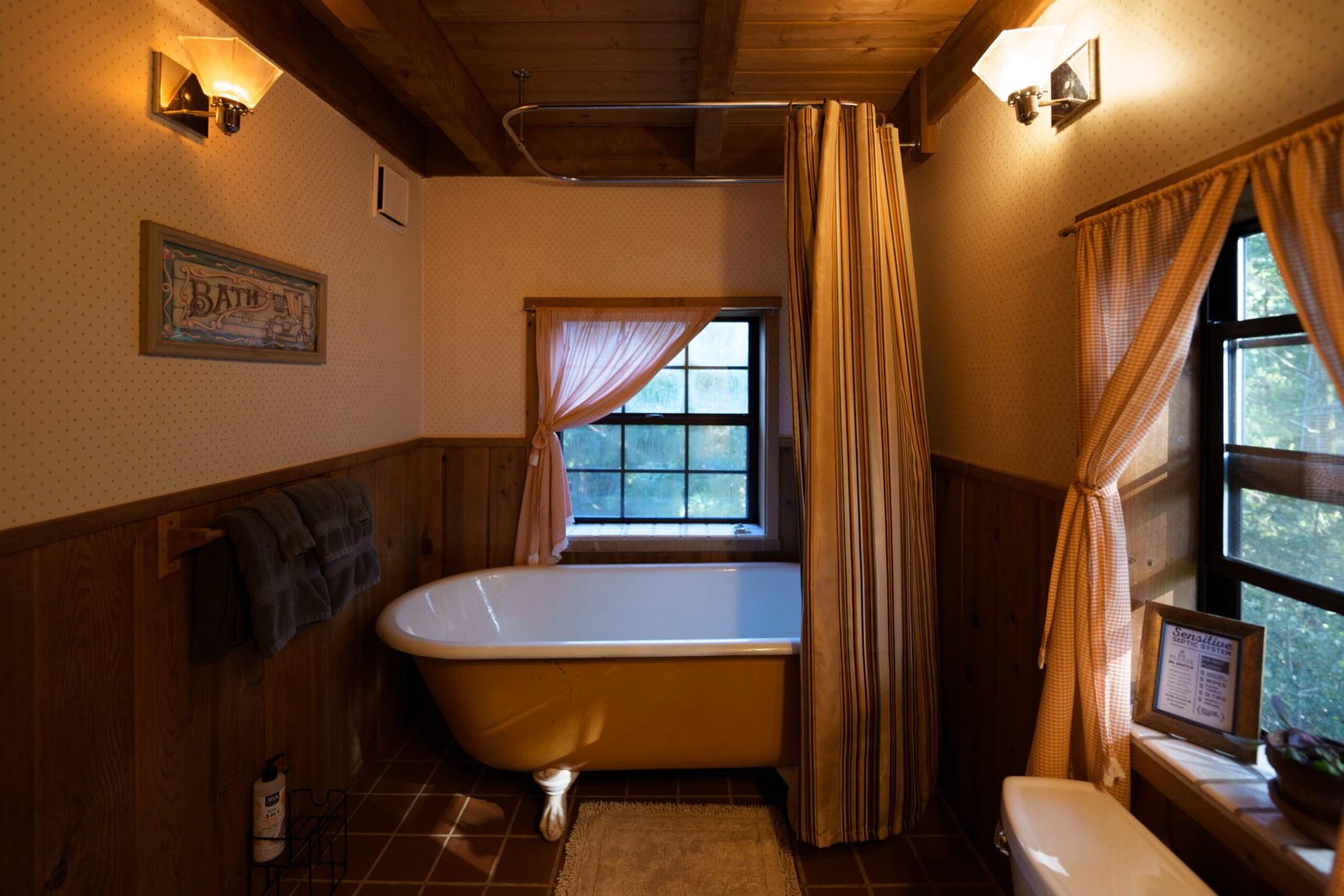
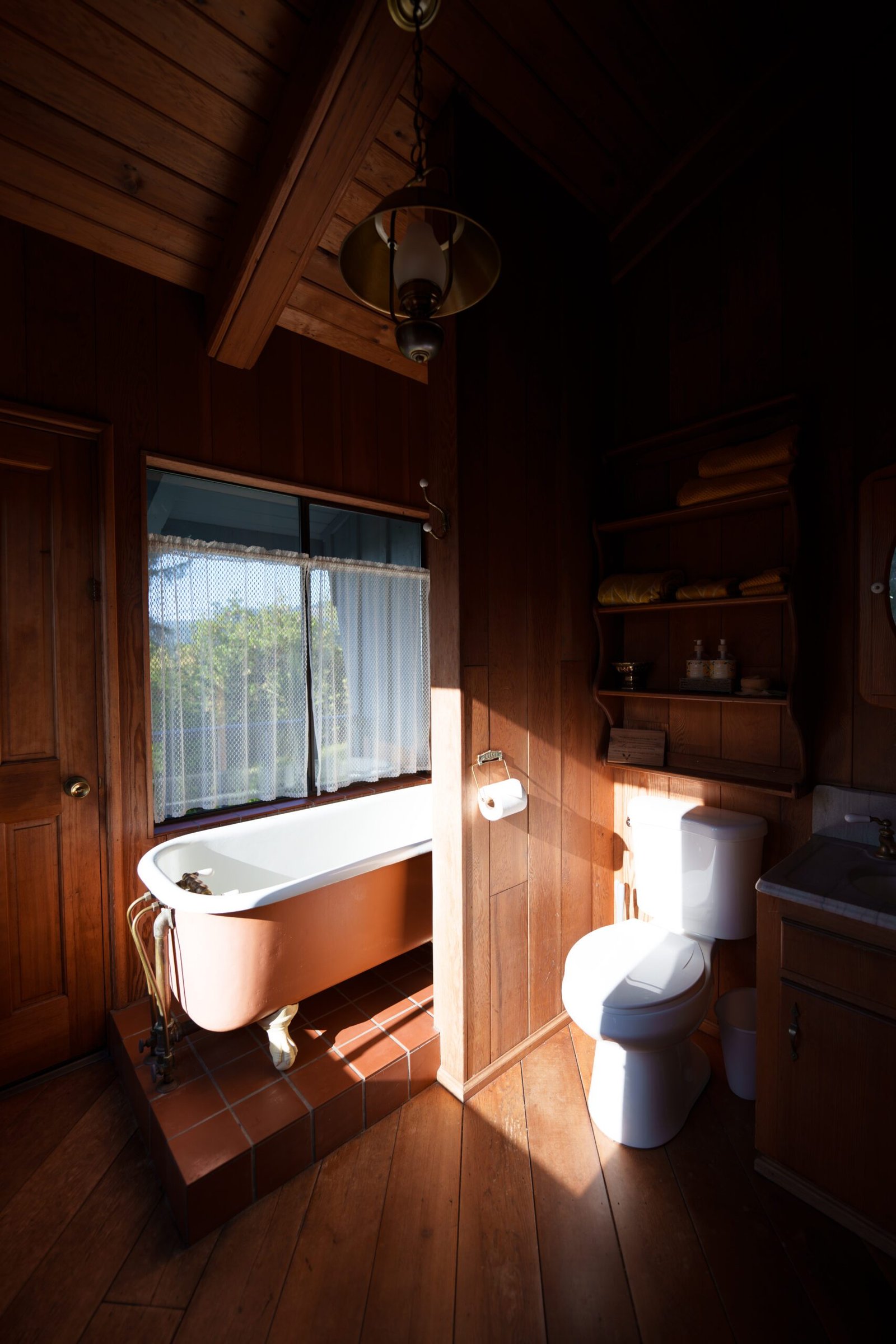
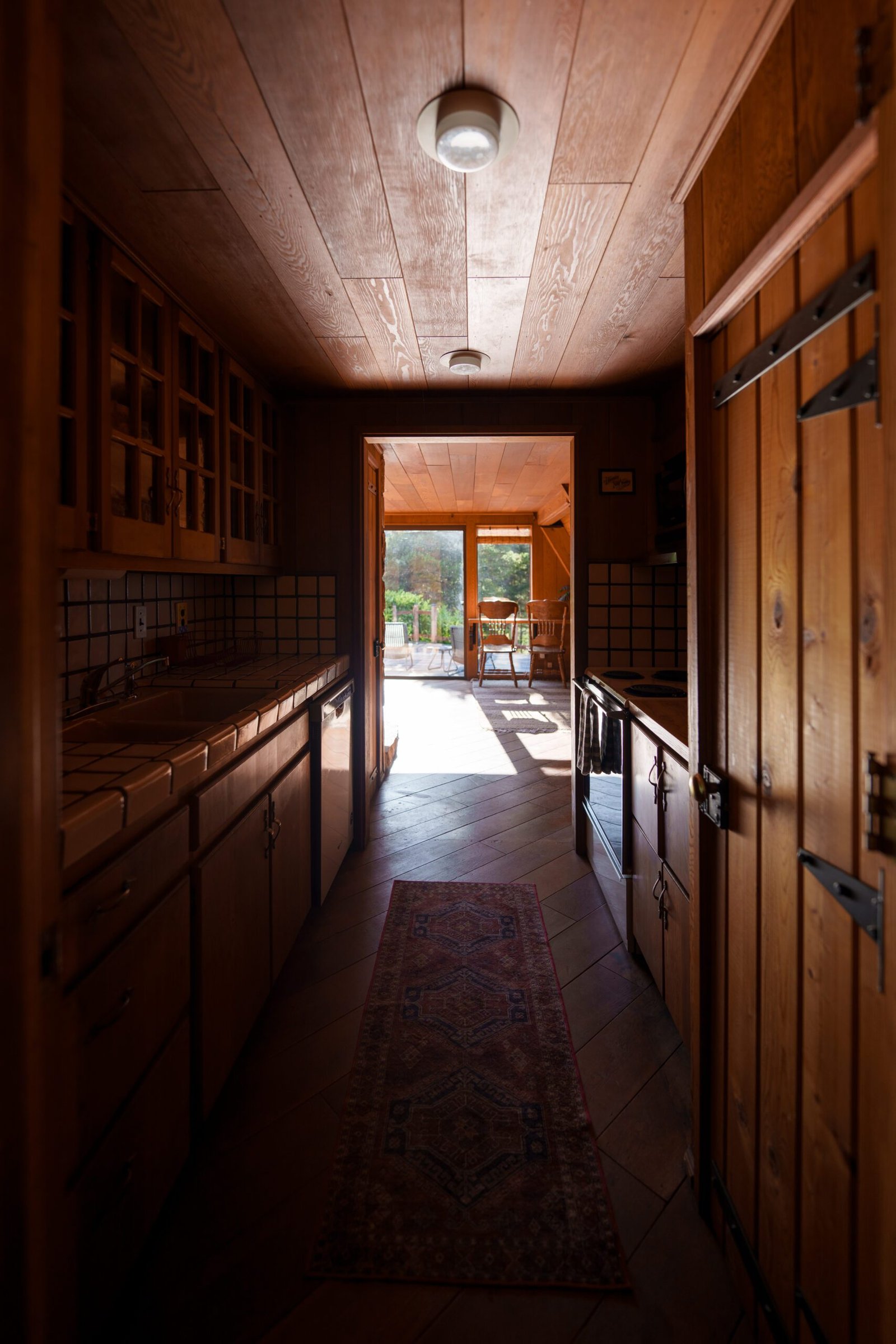
A room photographs well when the light is doing something. Late afternoon, when the sun drops low enough to come through the west windows and lie flat across the floor, is the hour worth waiting for. Everything before it is documentation.
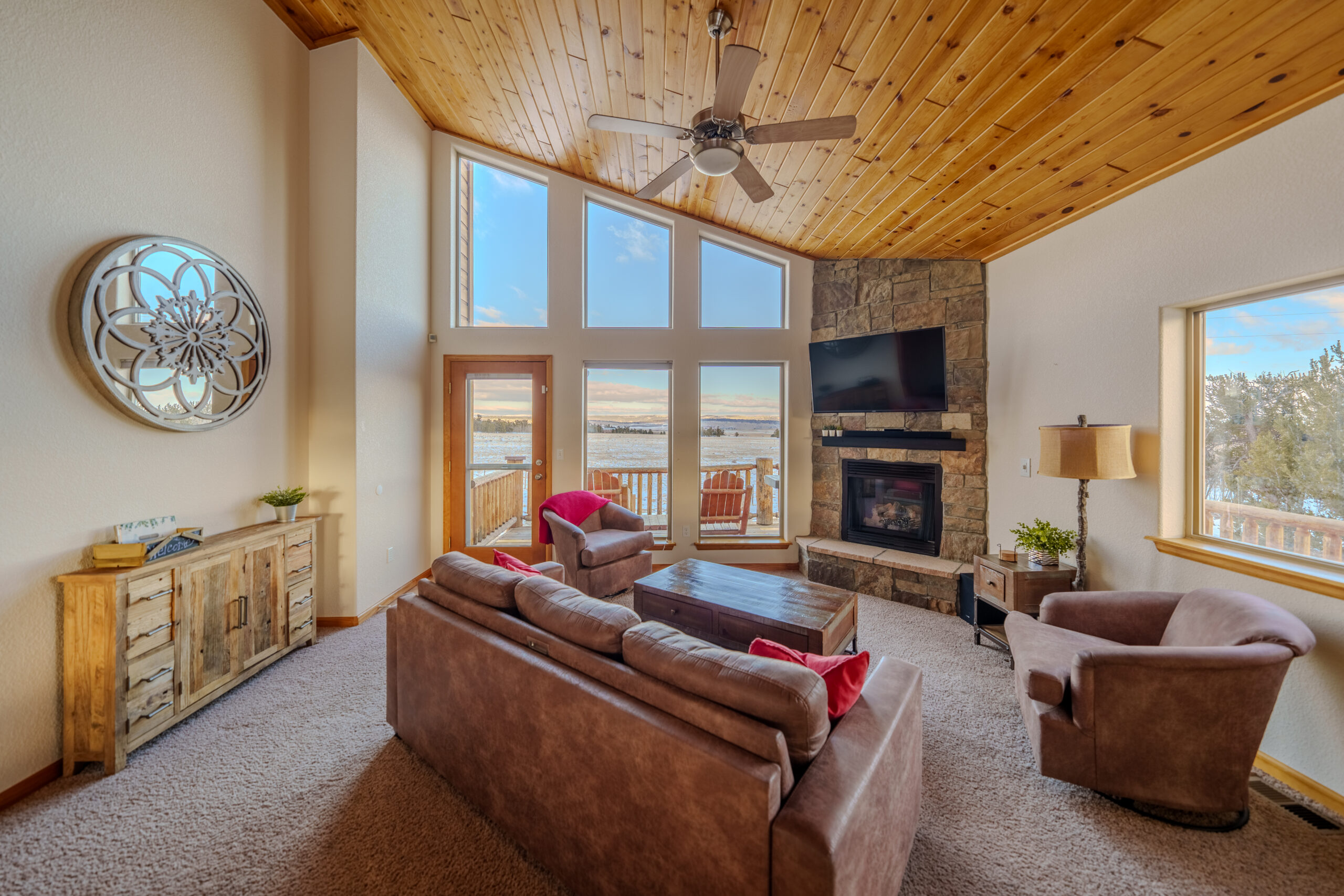
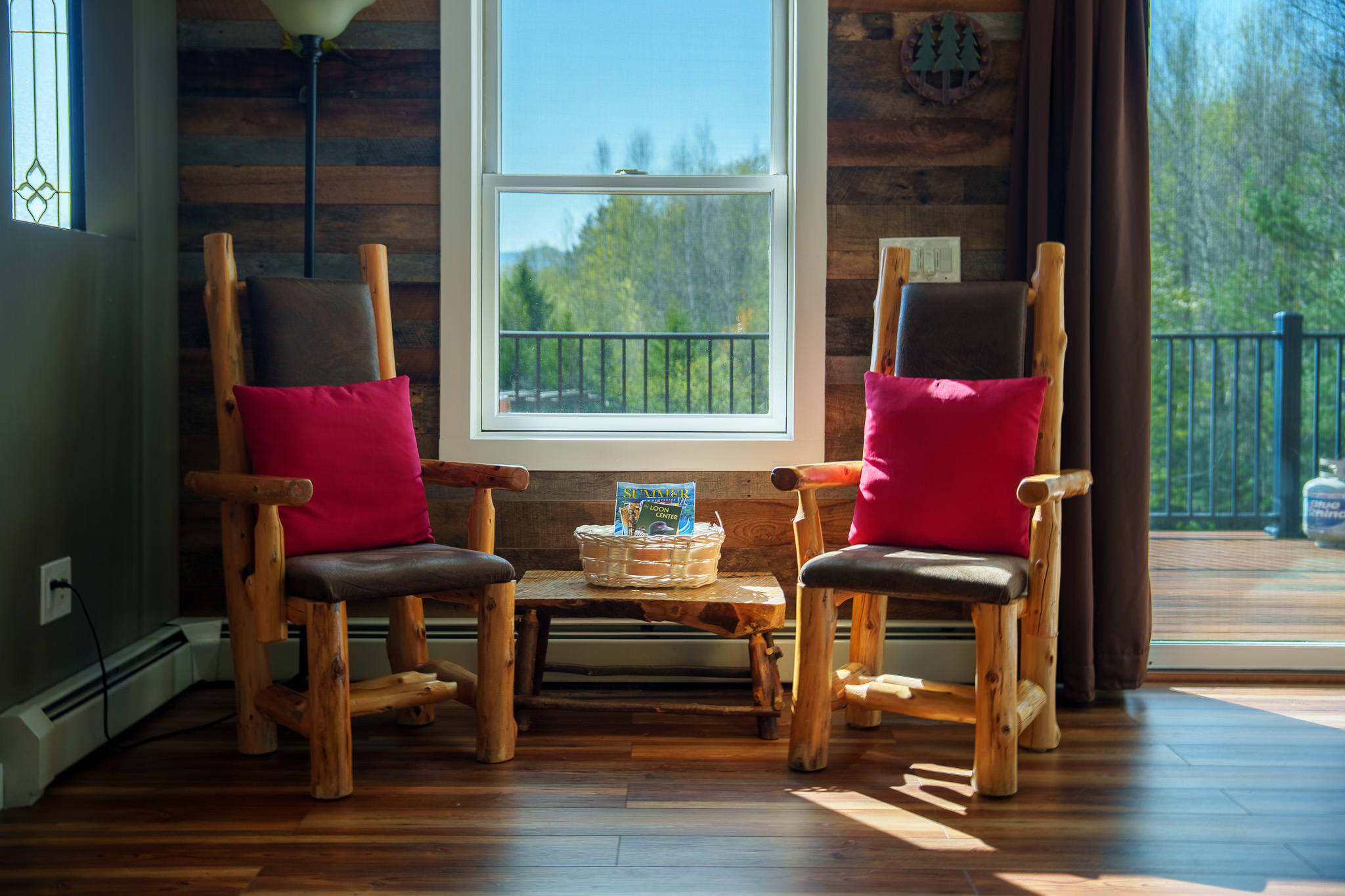
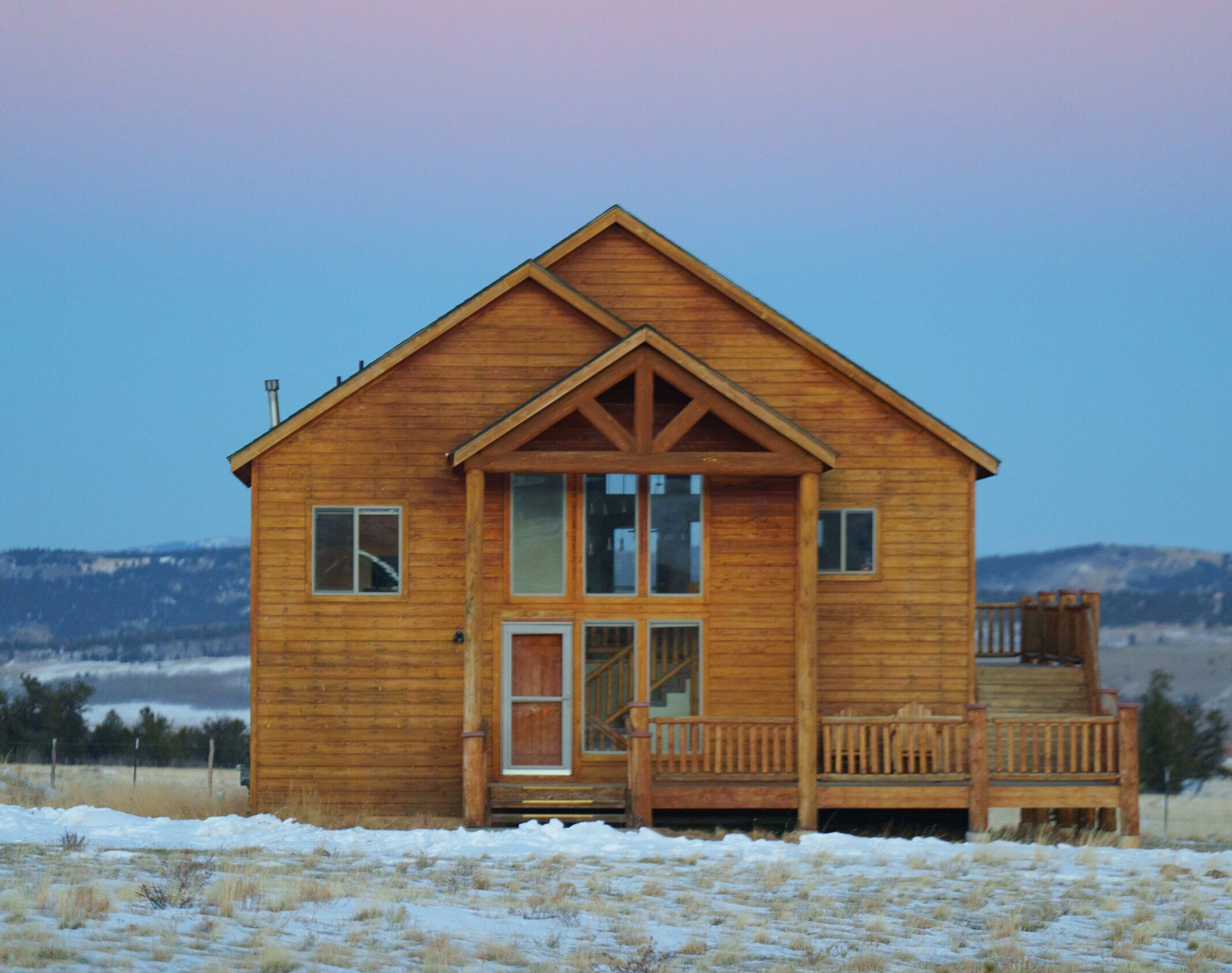
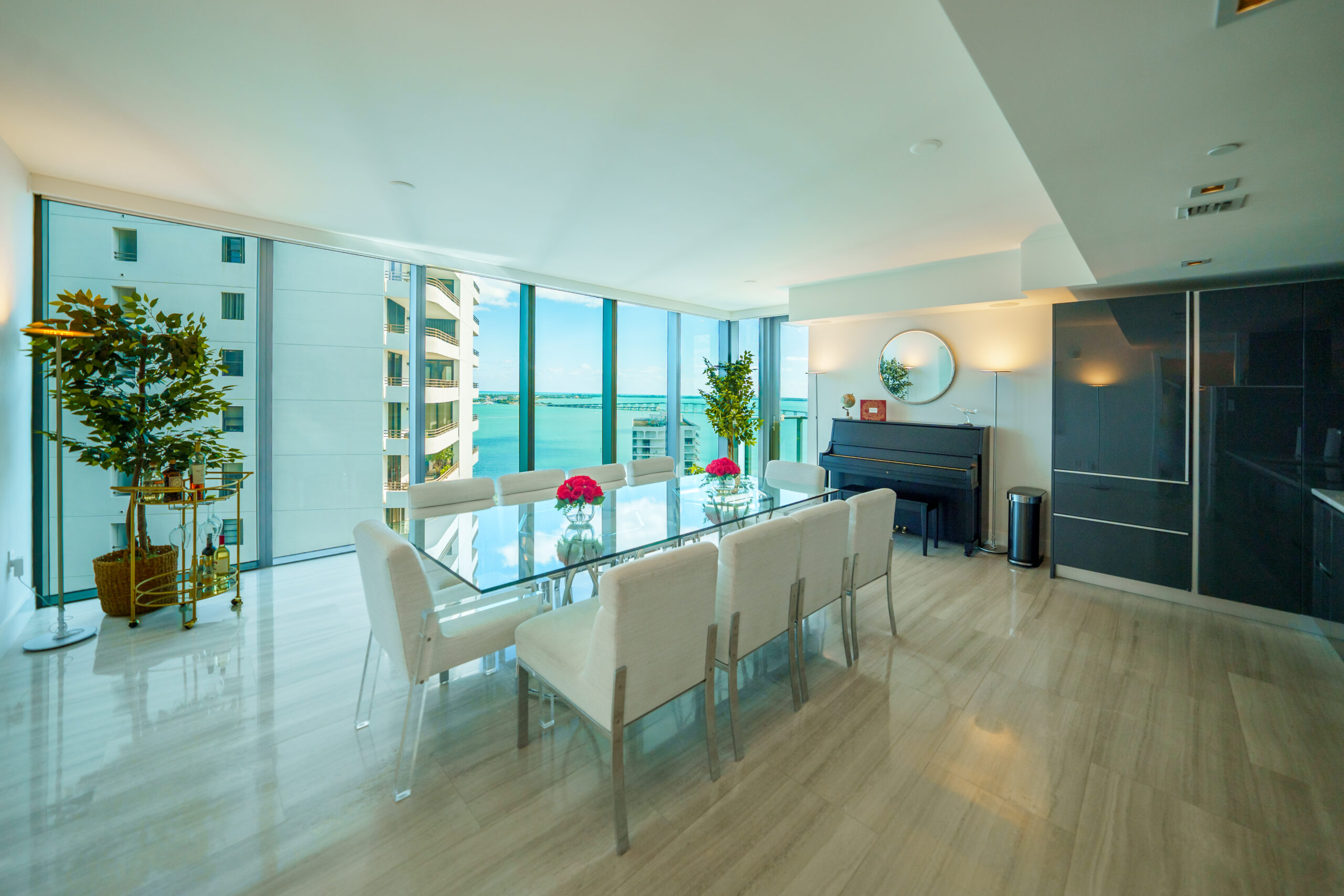
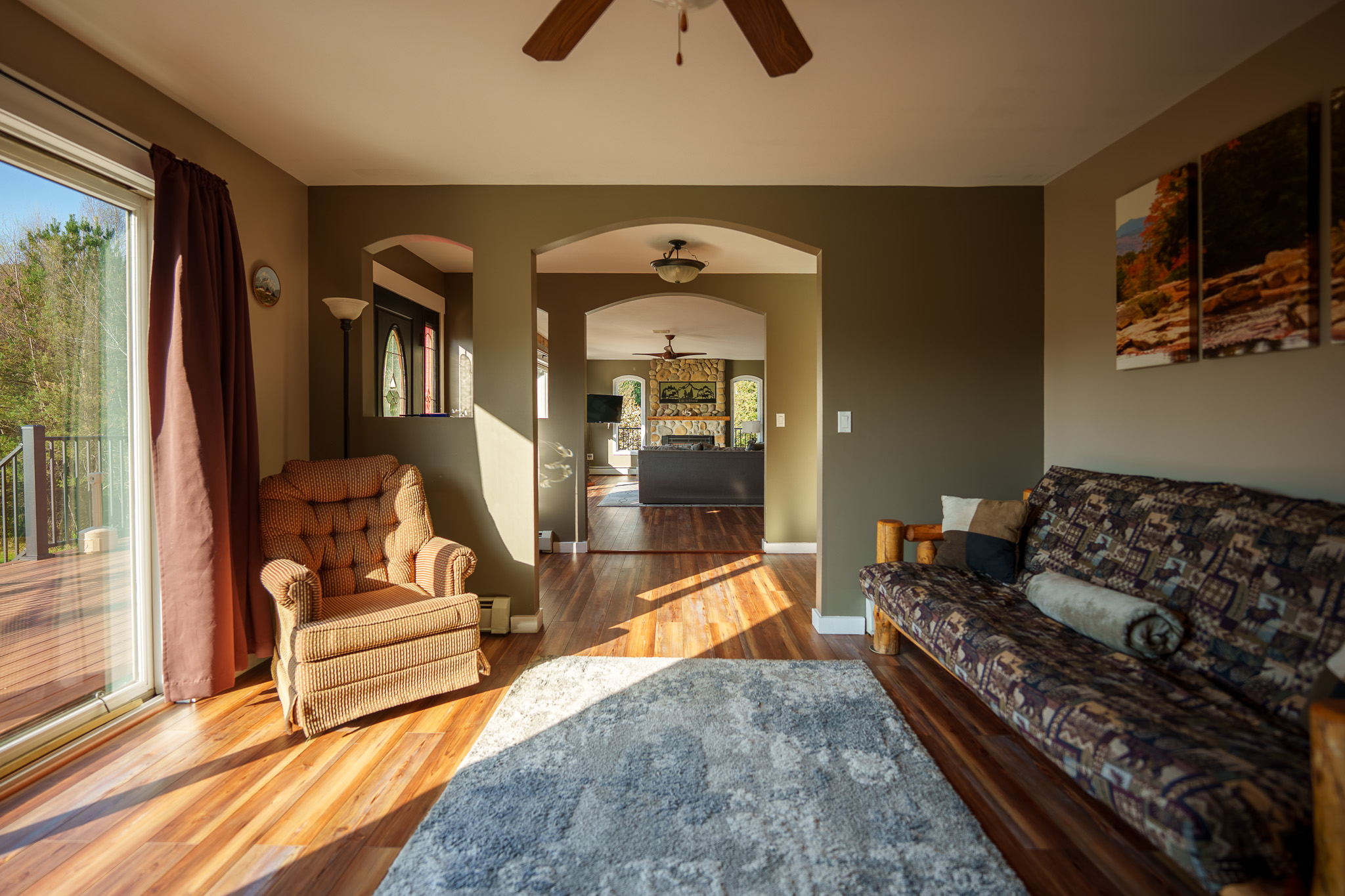
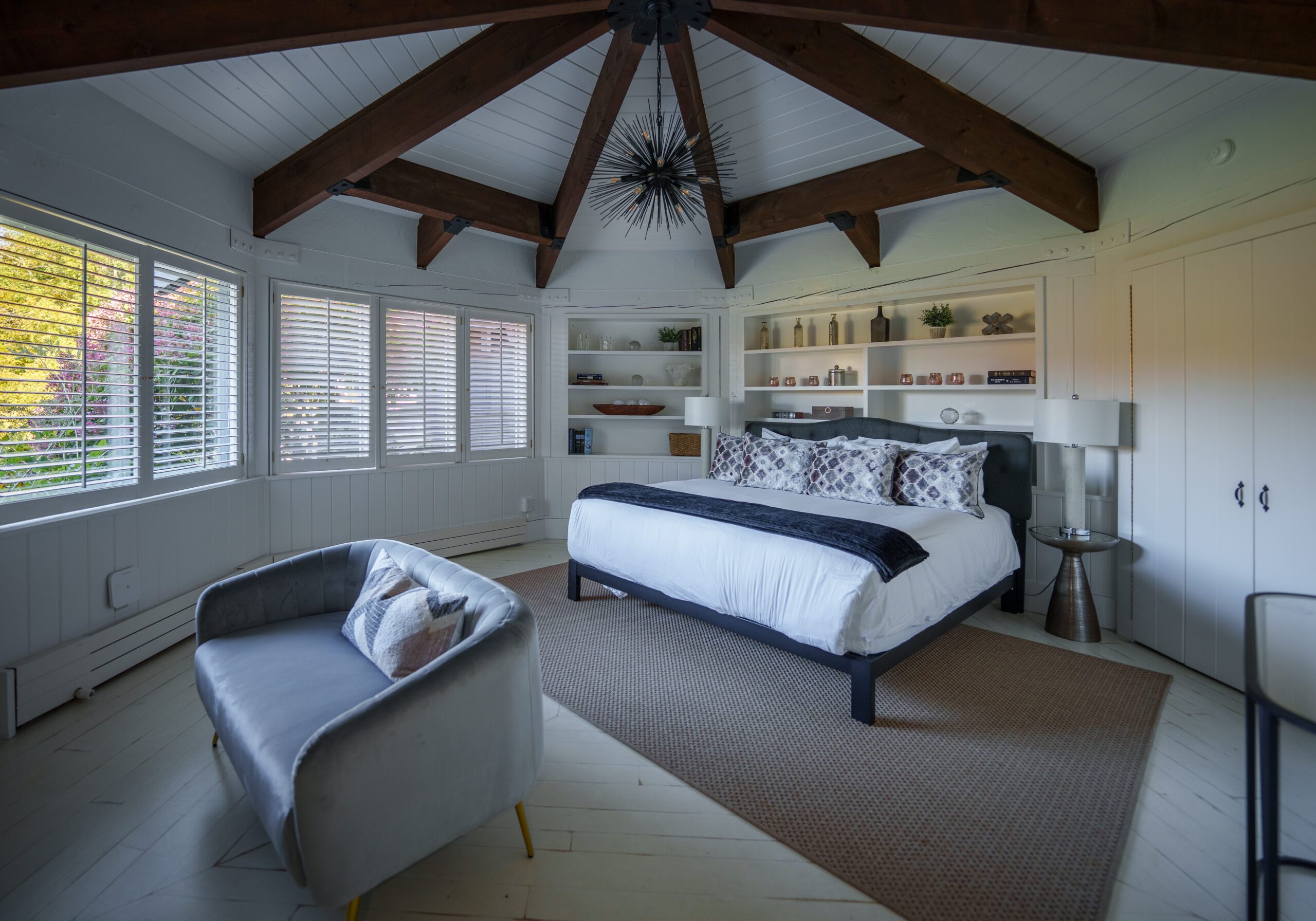
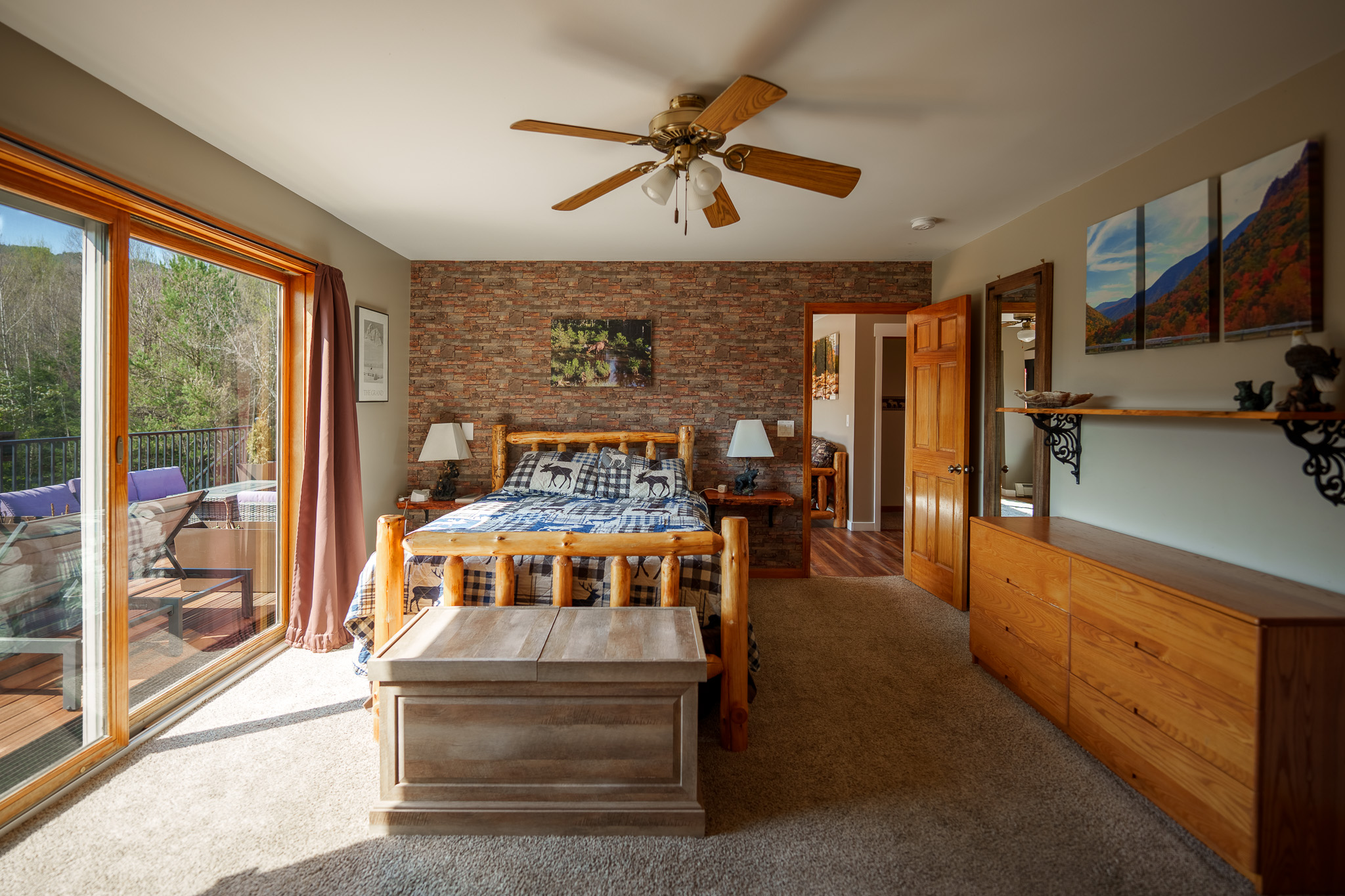
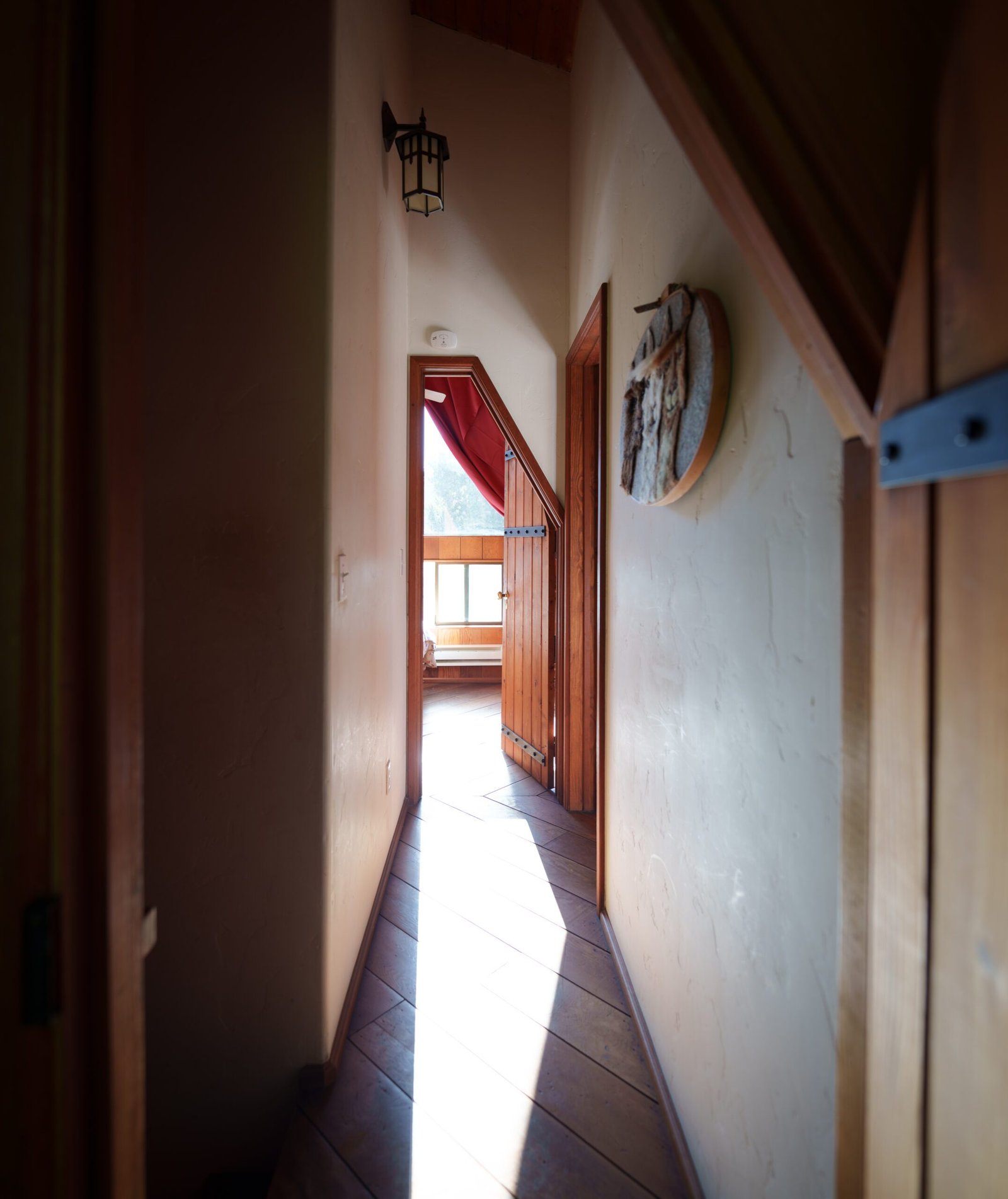
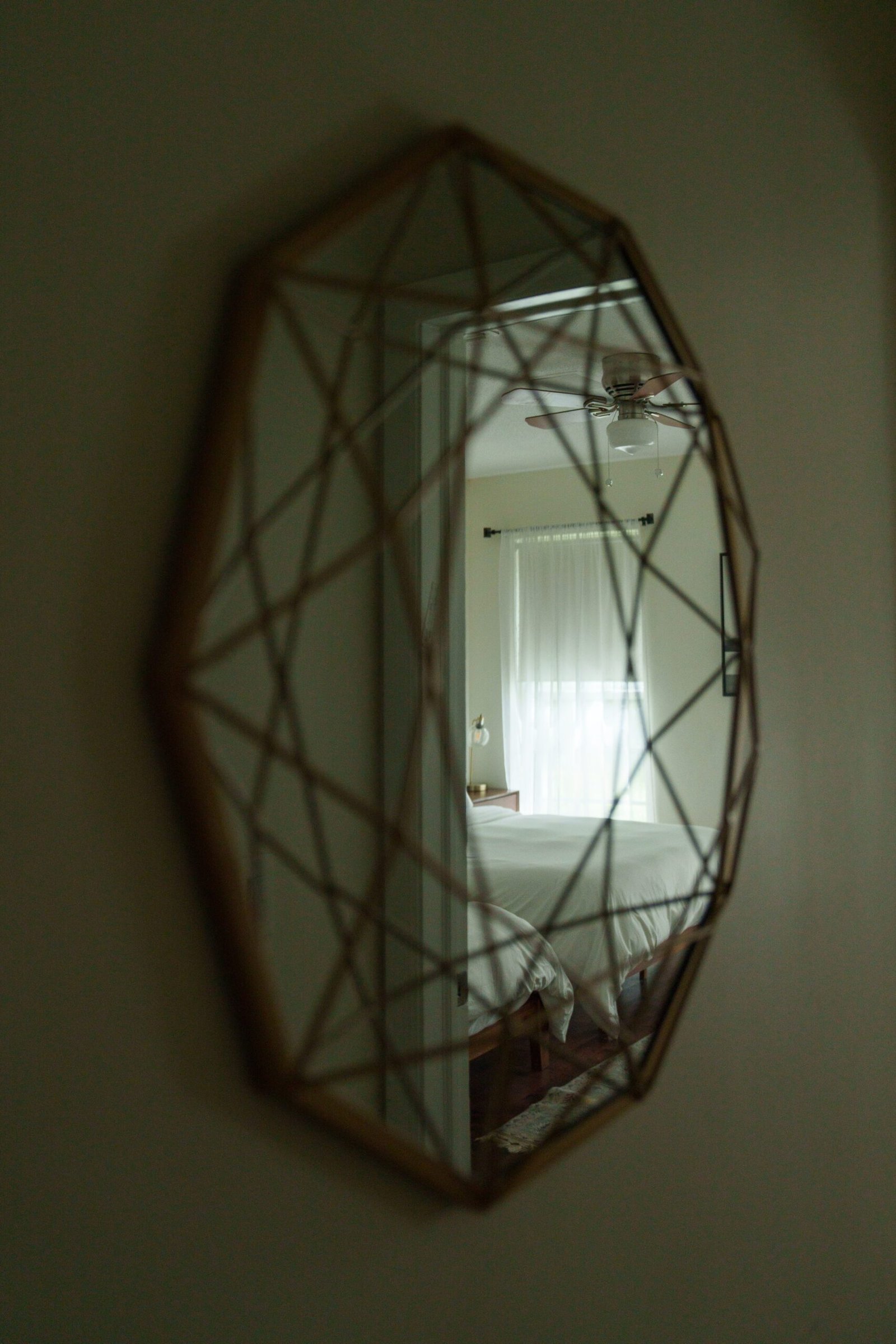
I will move a chair four inches to open a sightline, and shoot a hallway twice to get the doorway framing the window behind it.
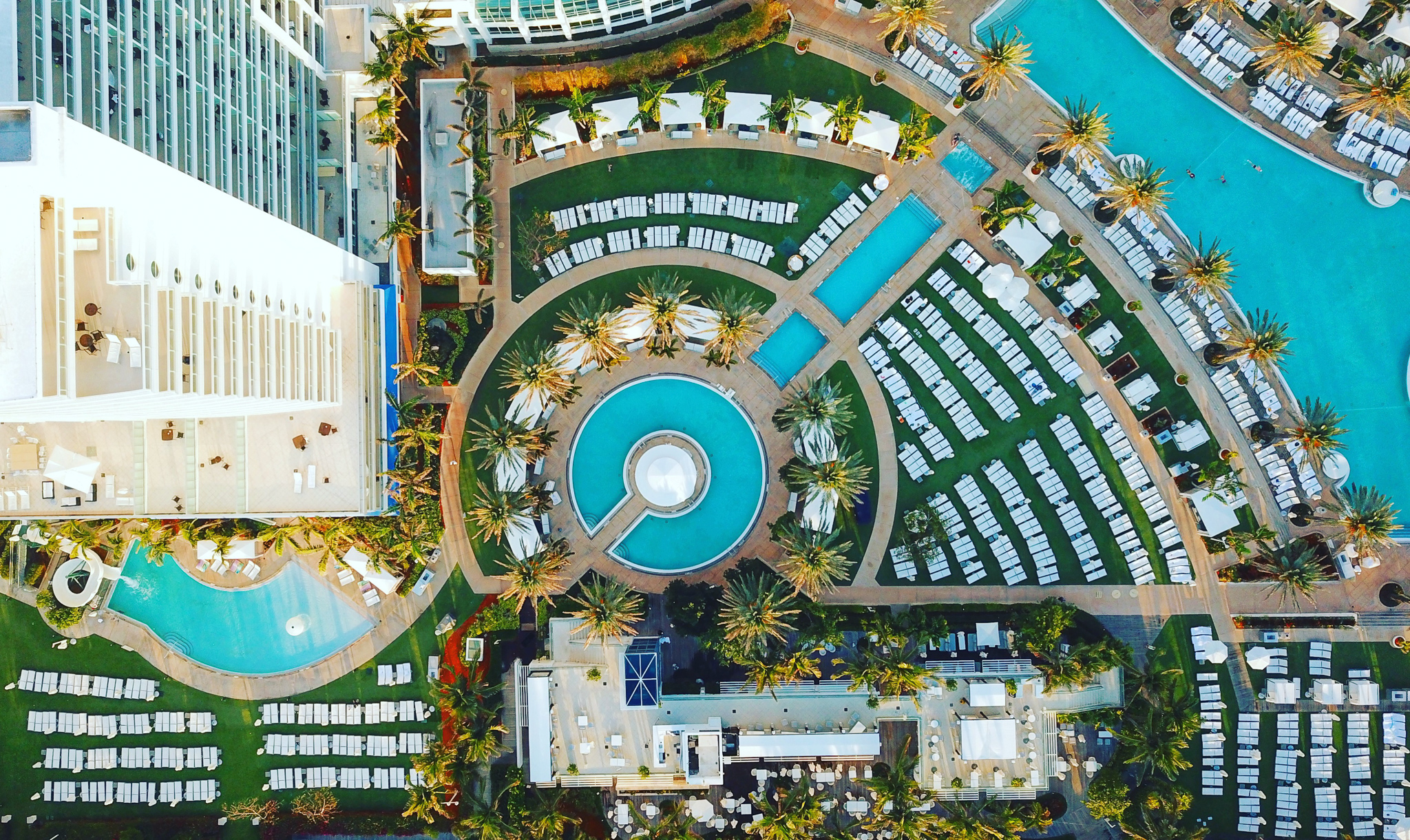
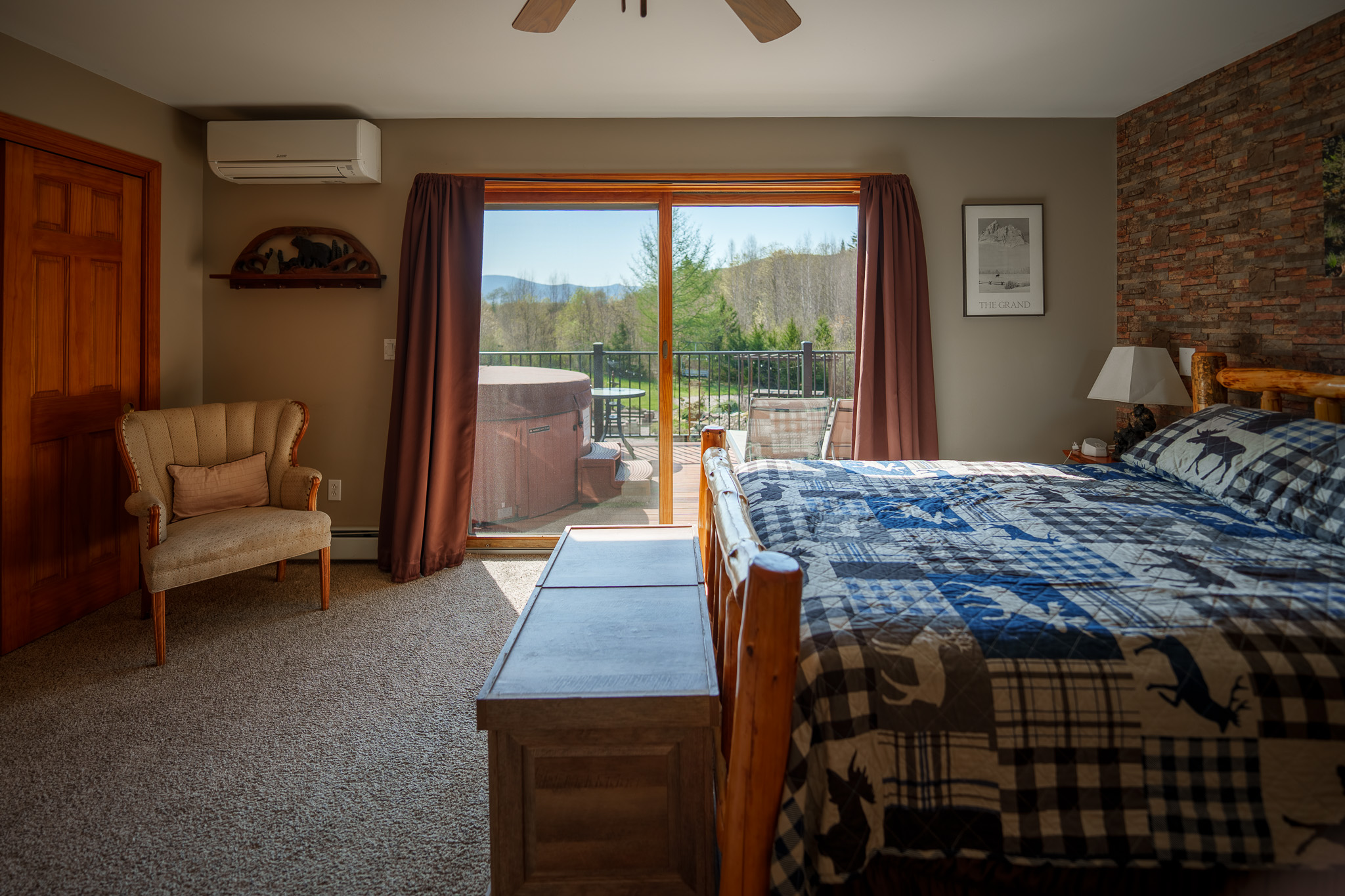
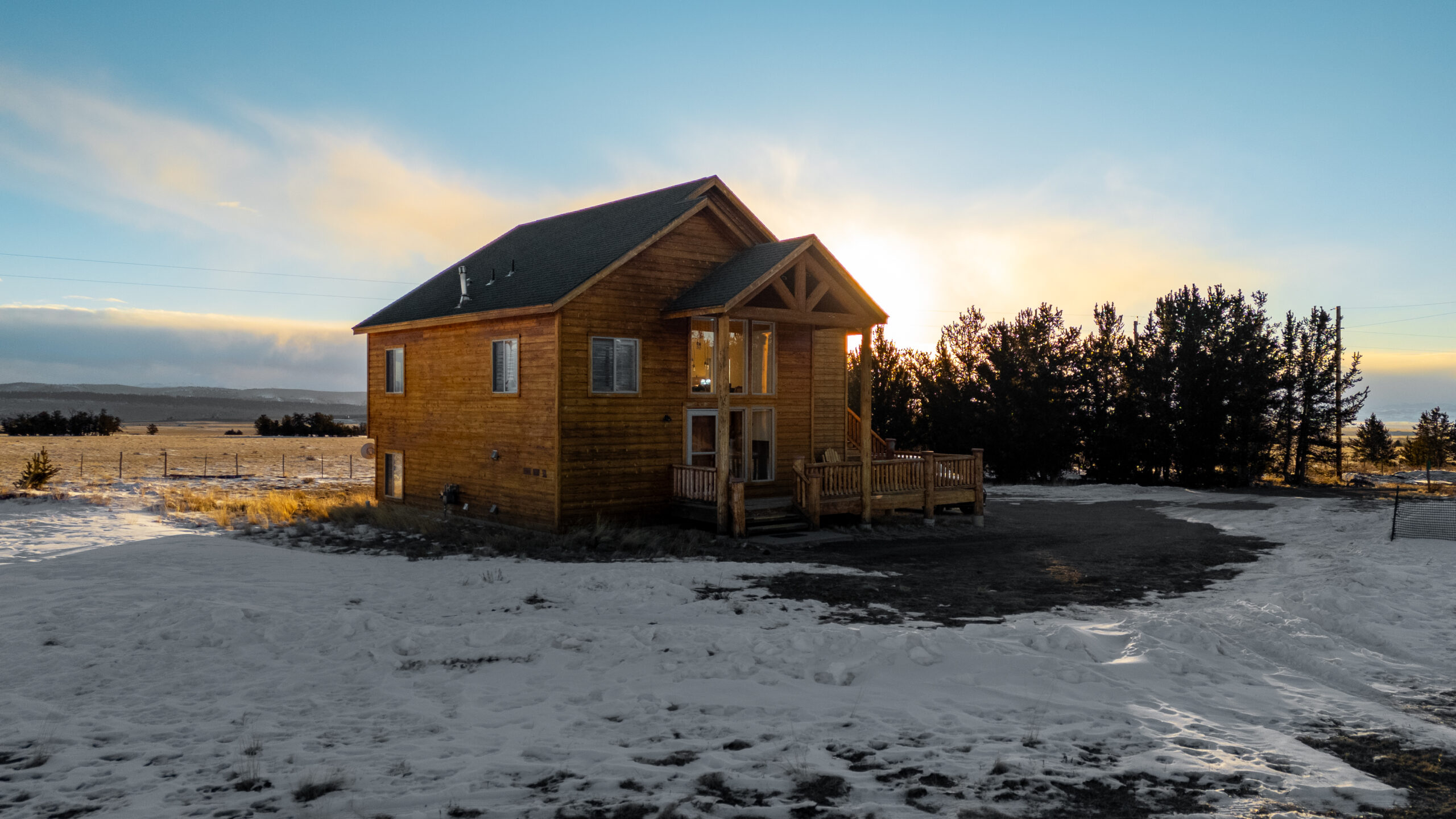
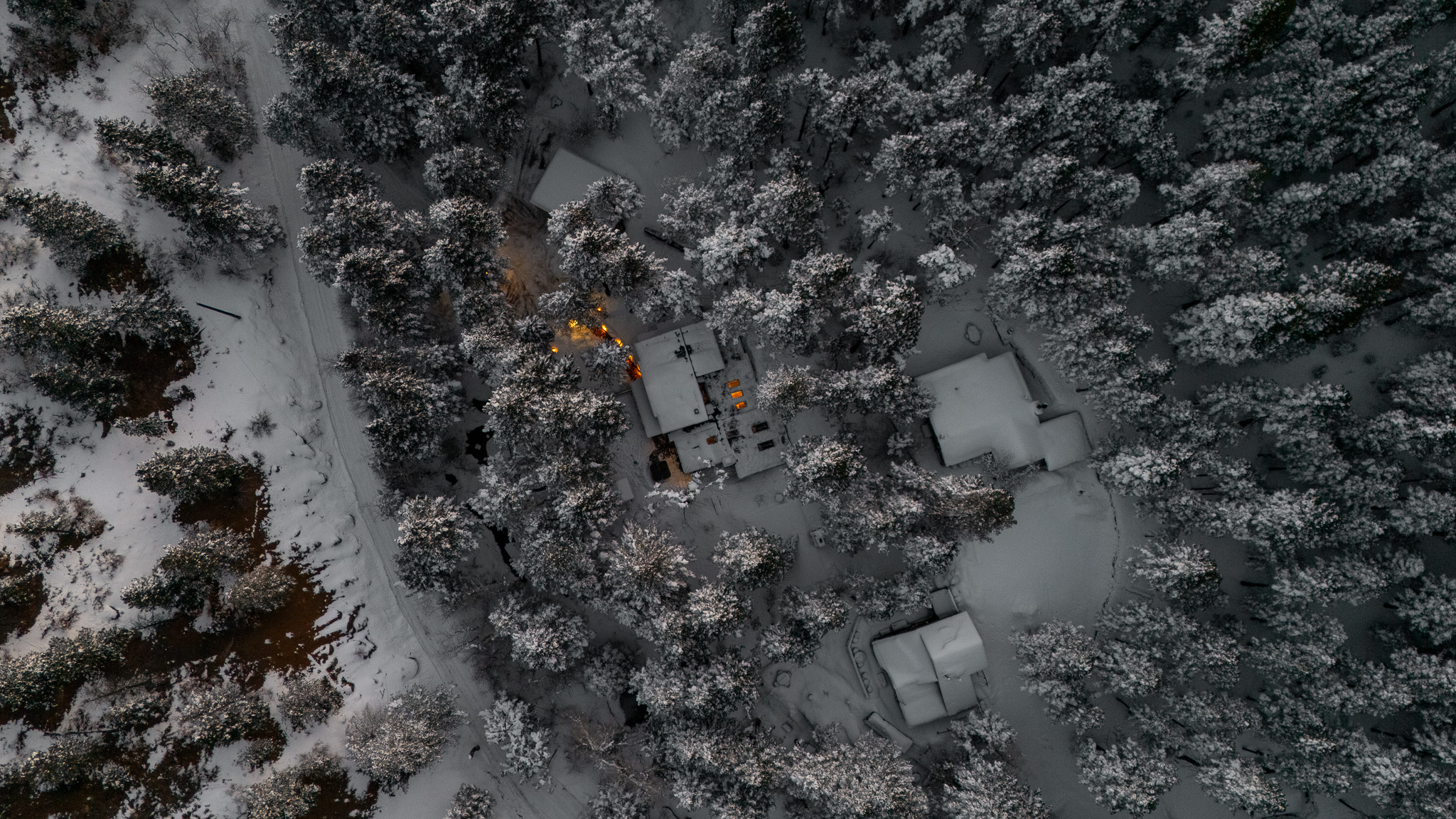
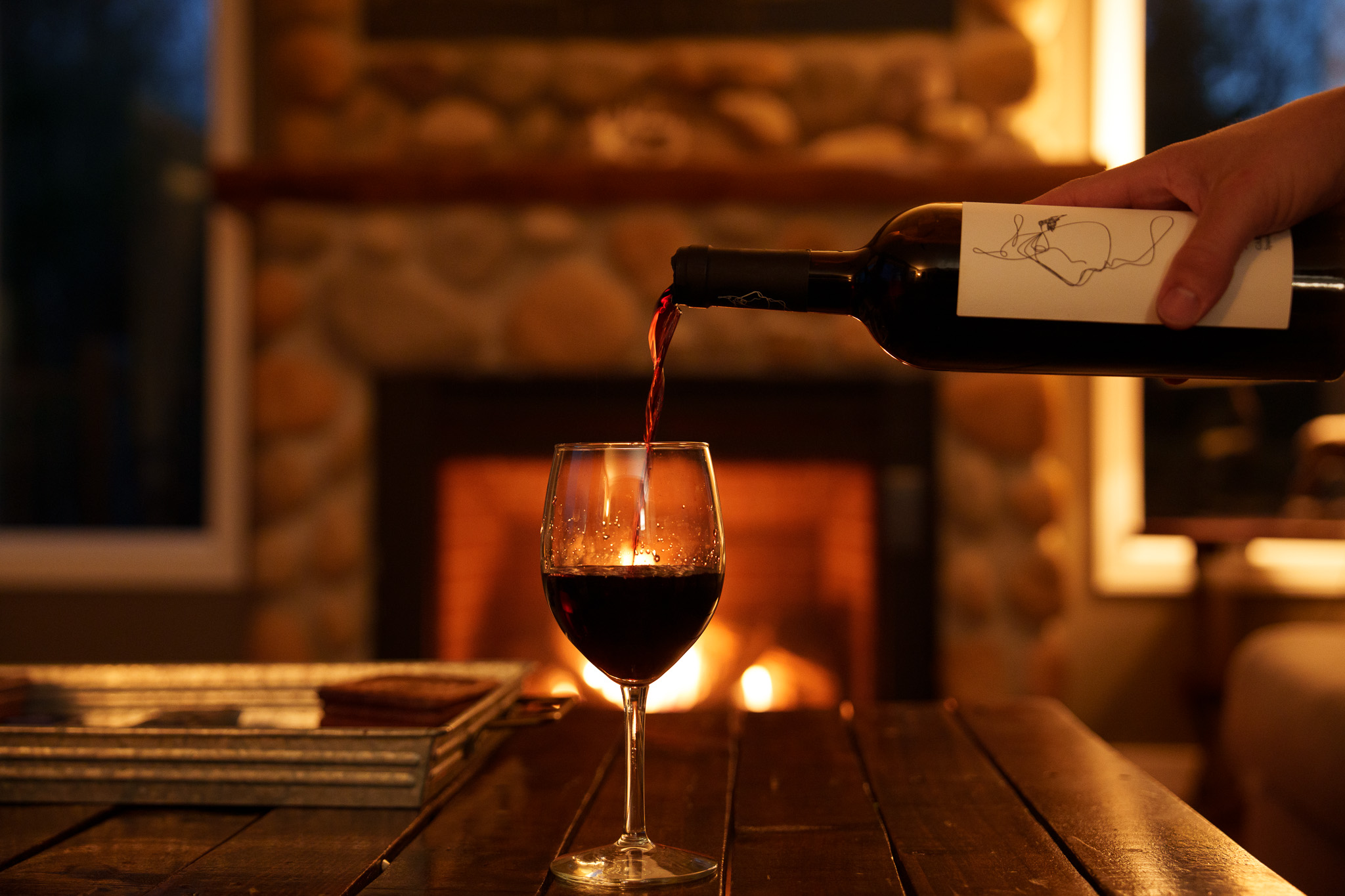
I would rather let a room keep its contrast: let the corners fall away, let one shaft of light carry the frame while everything else stays quiet.
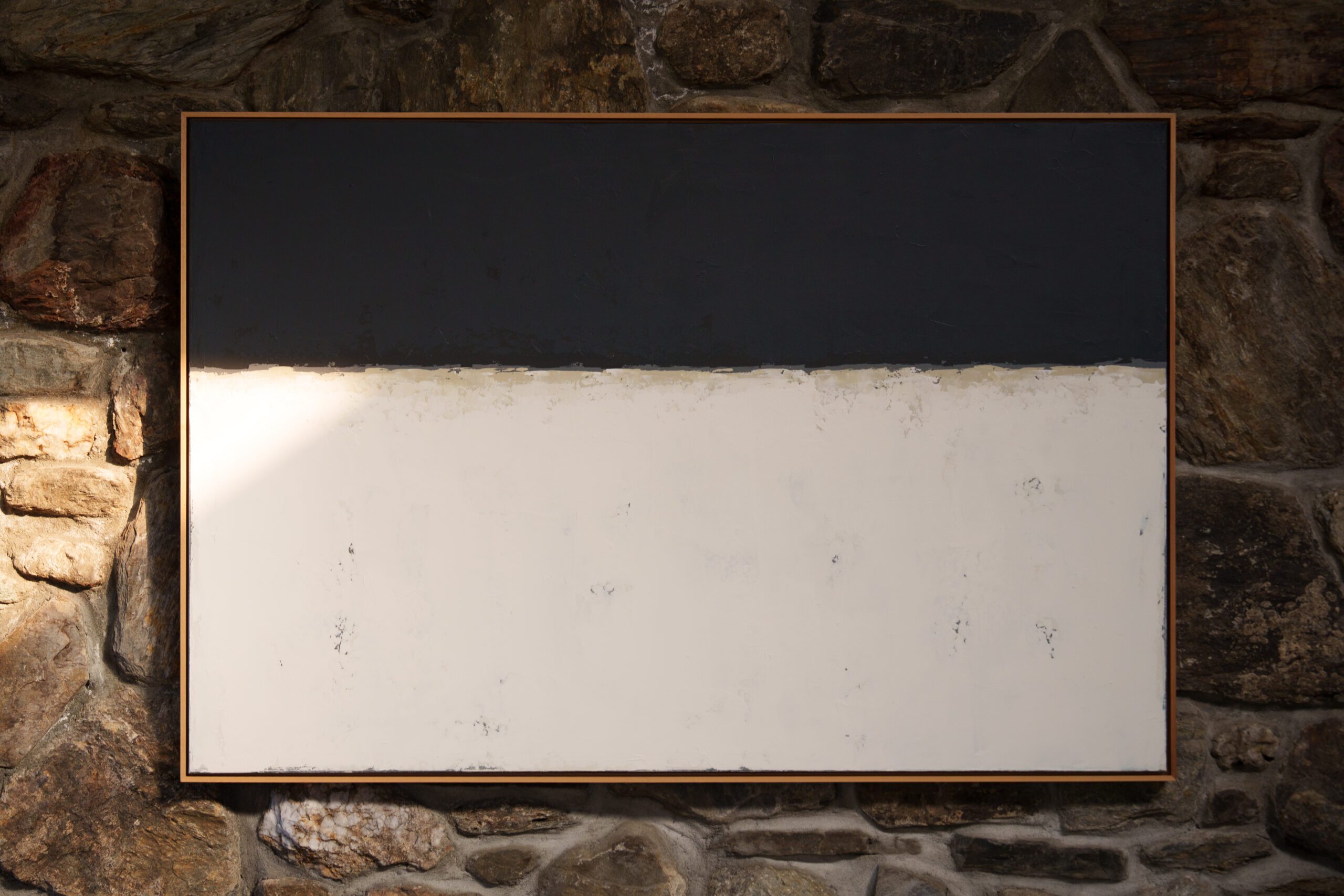
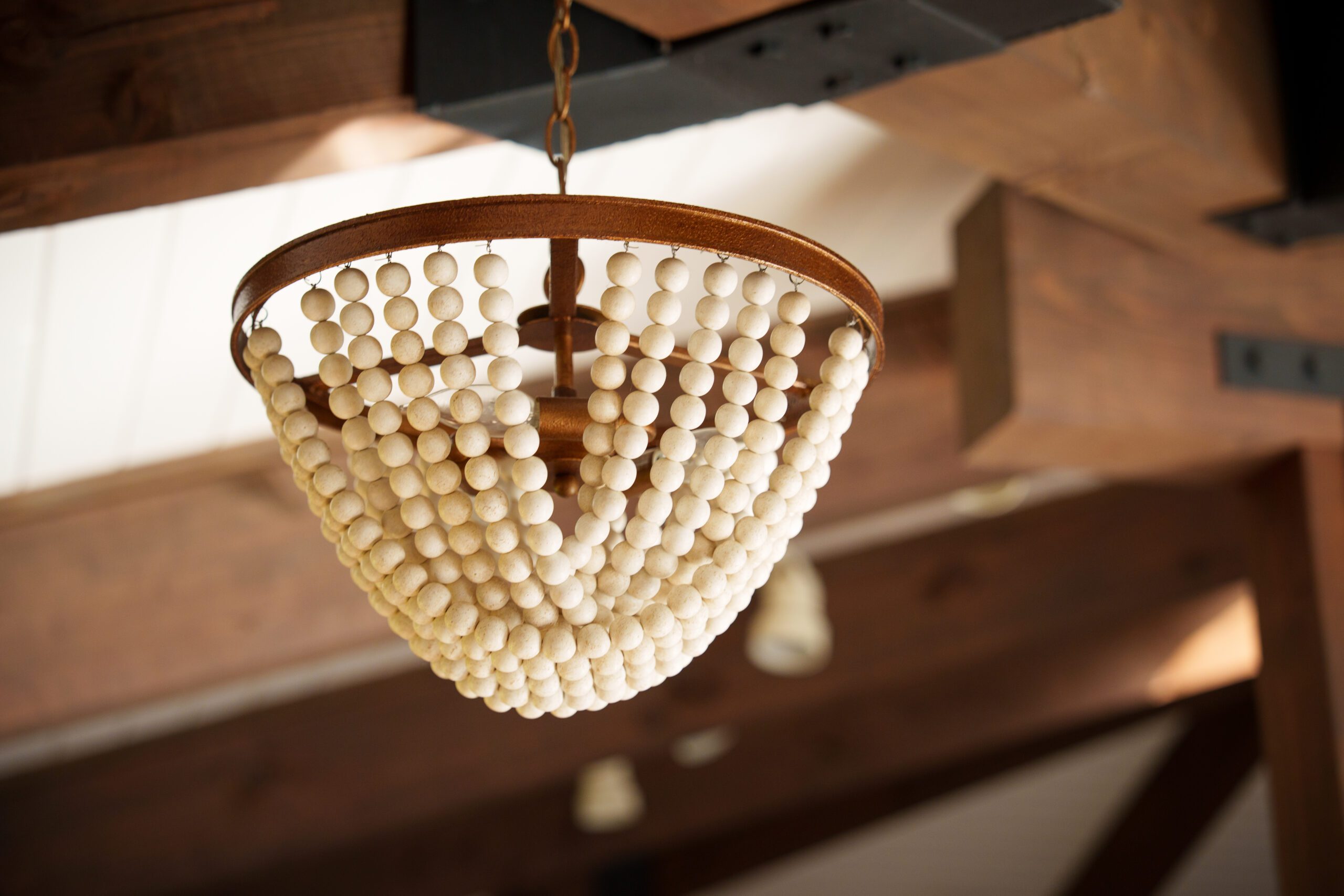
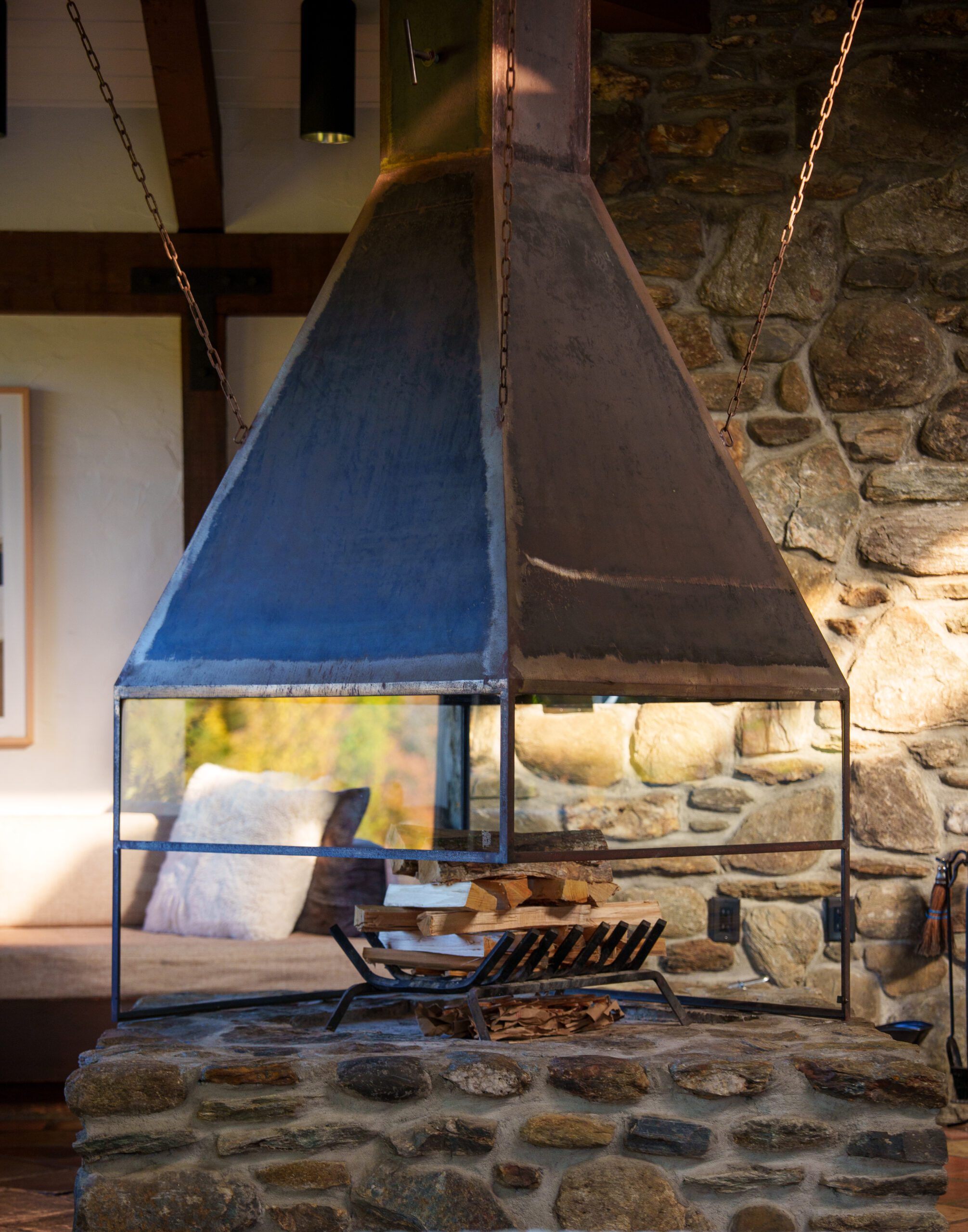
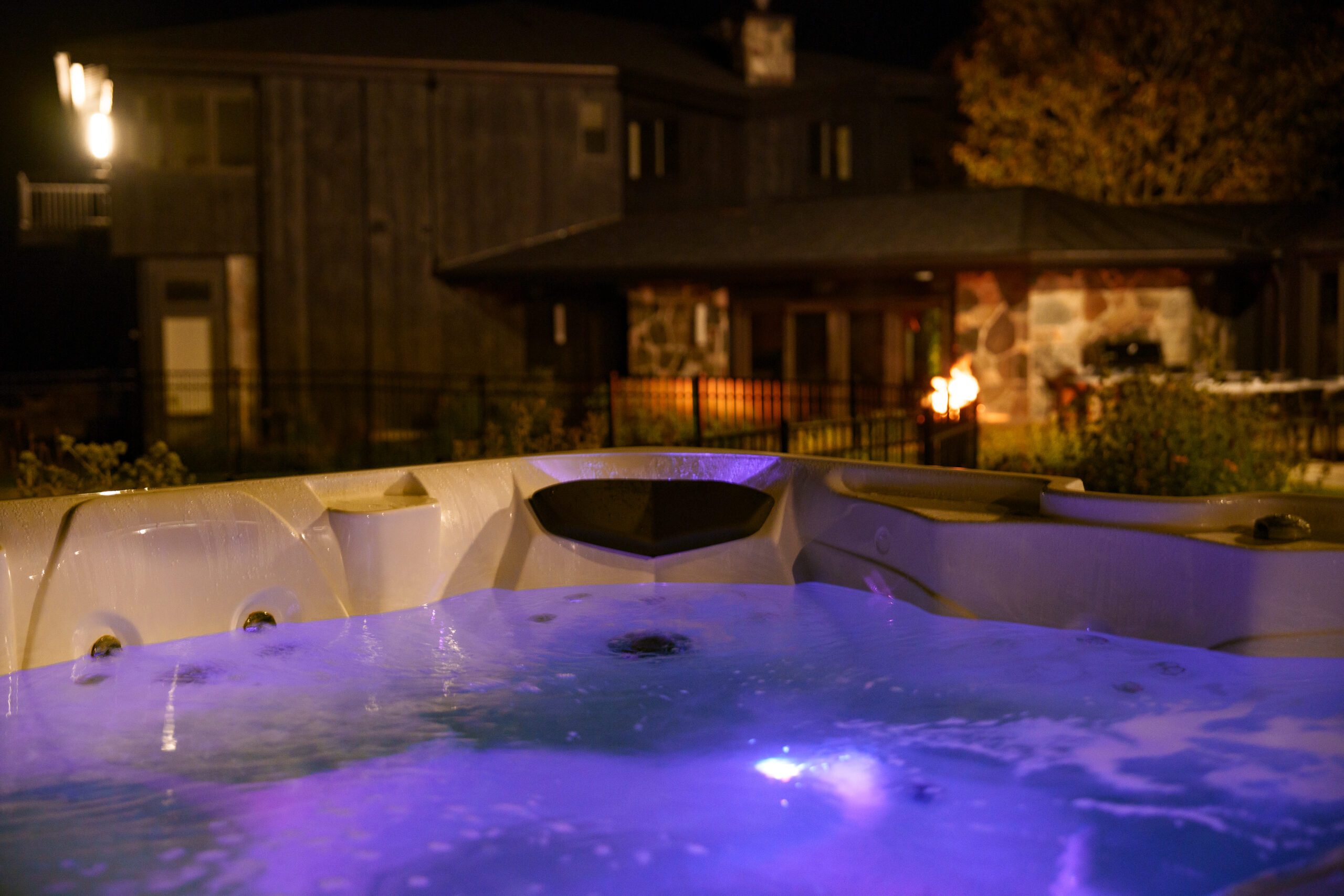
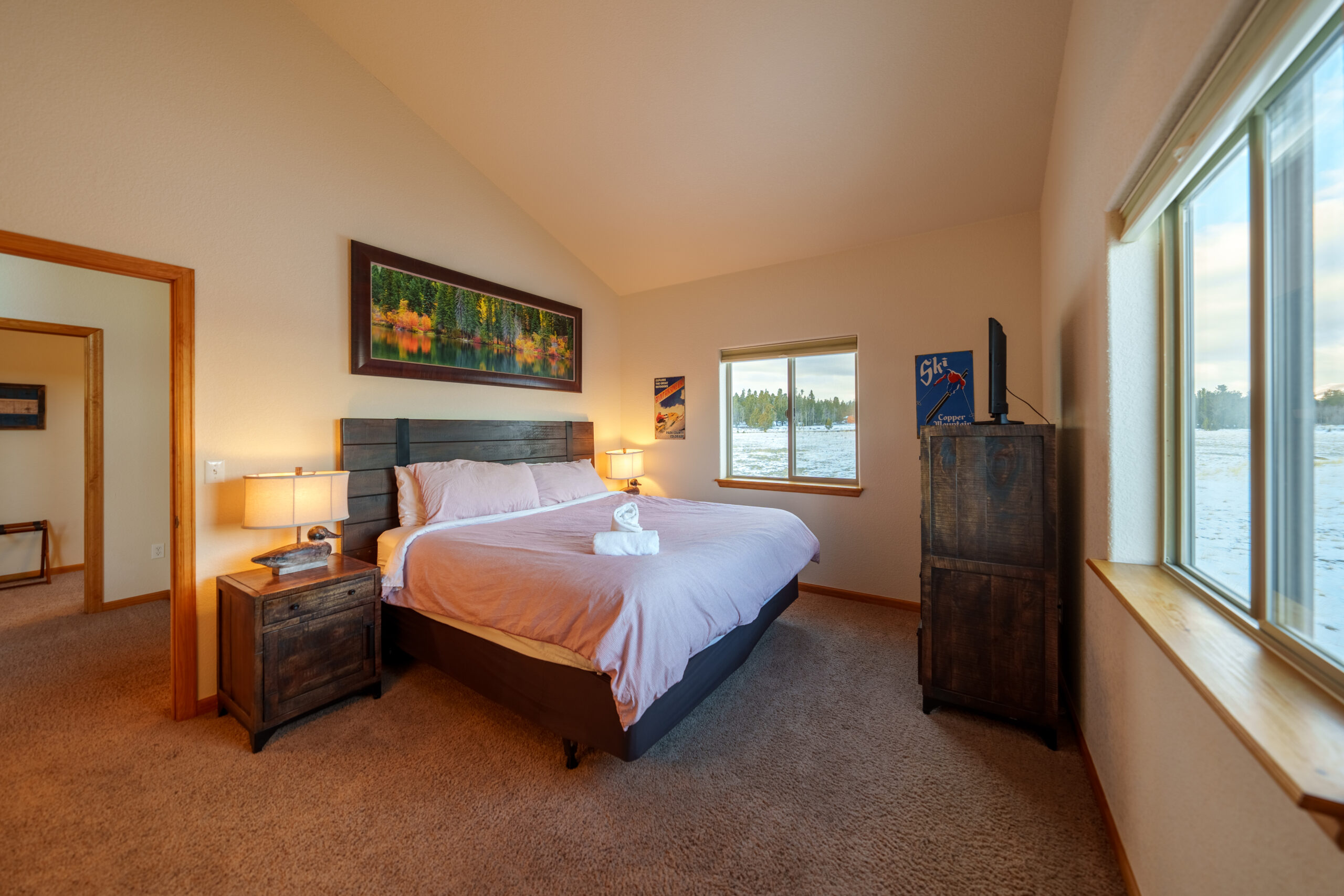
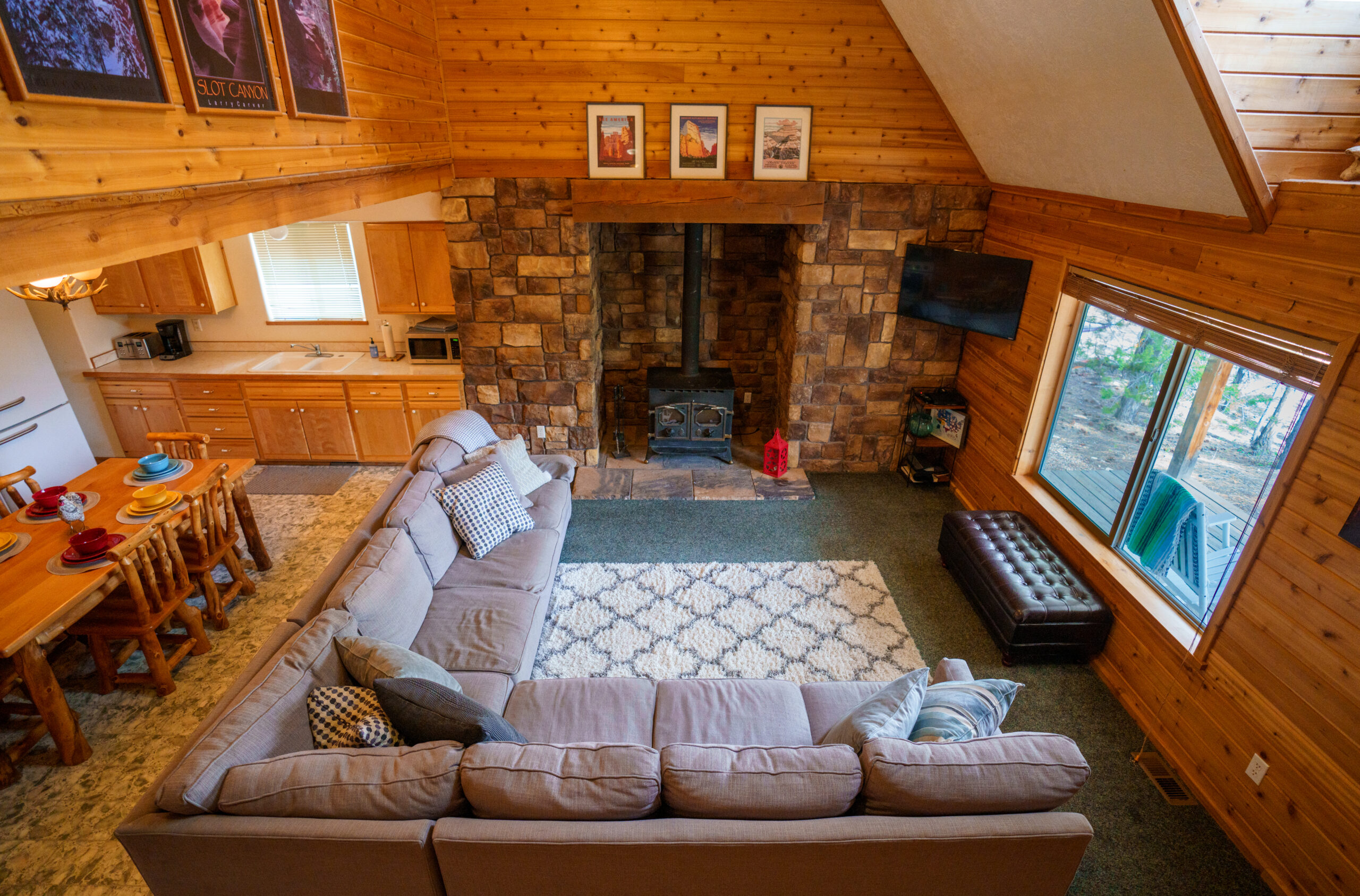
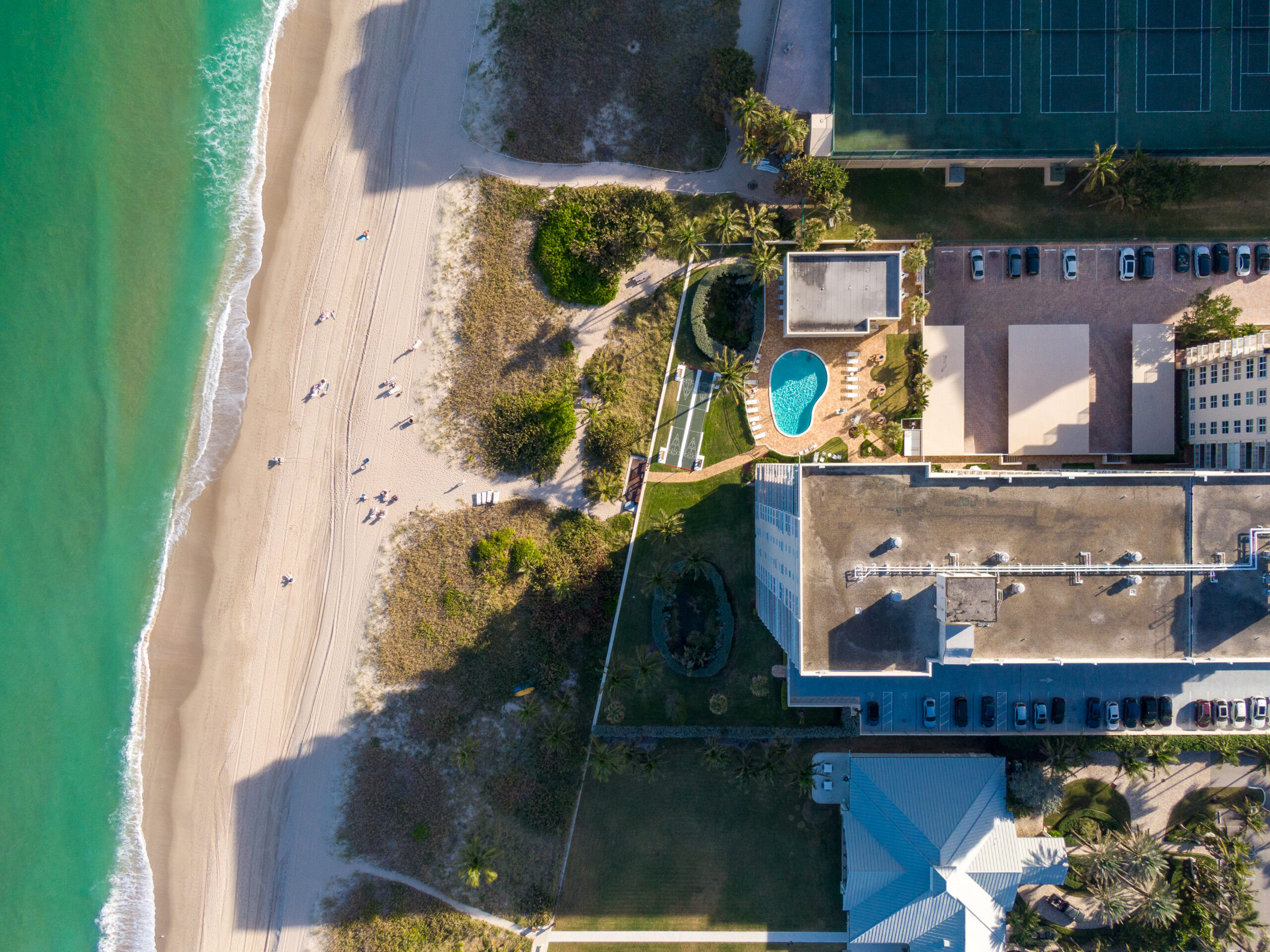
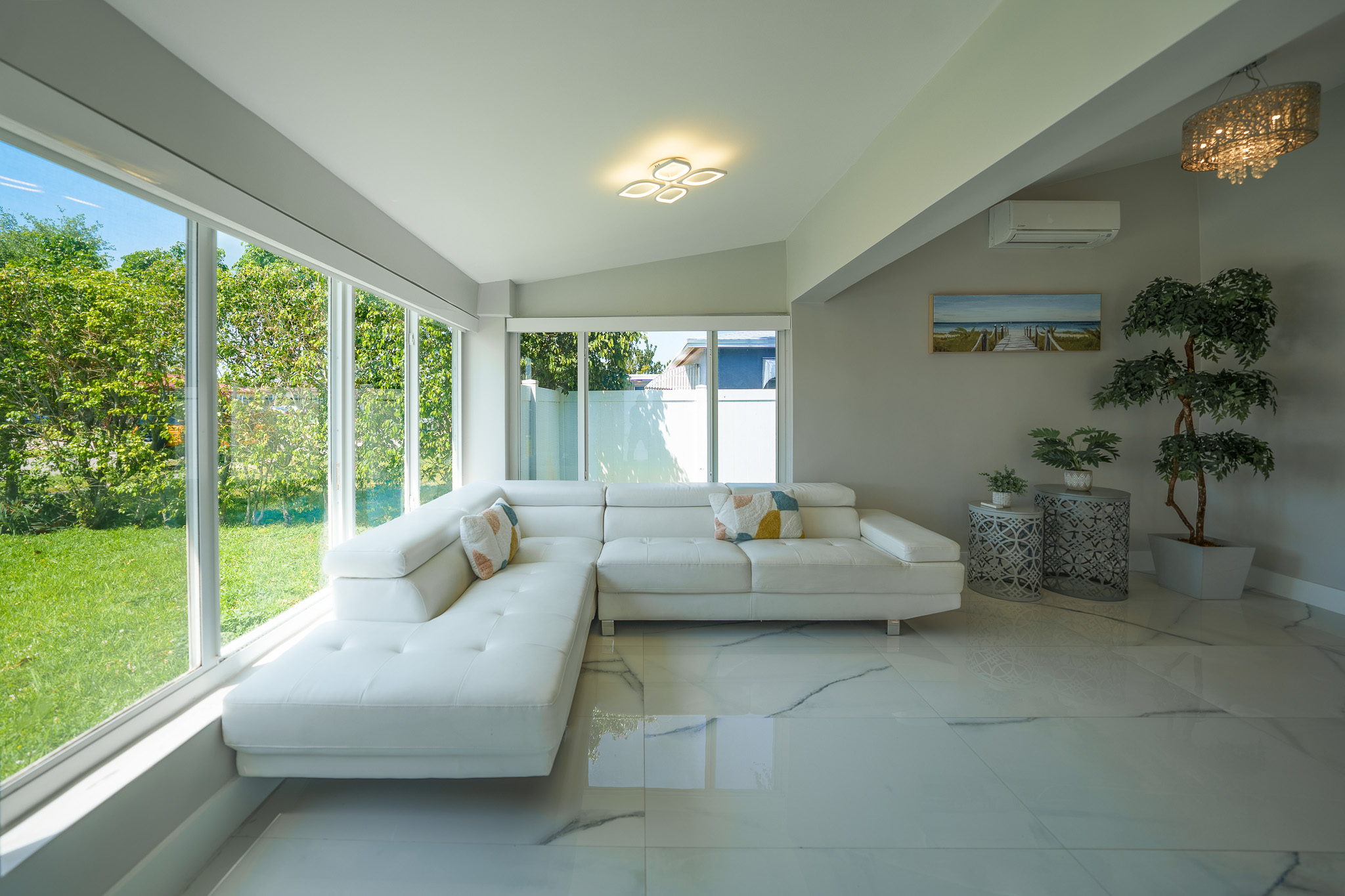
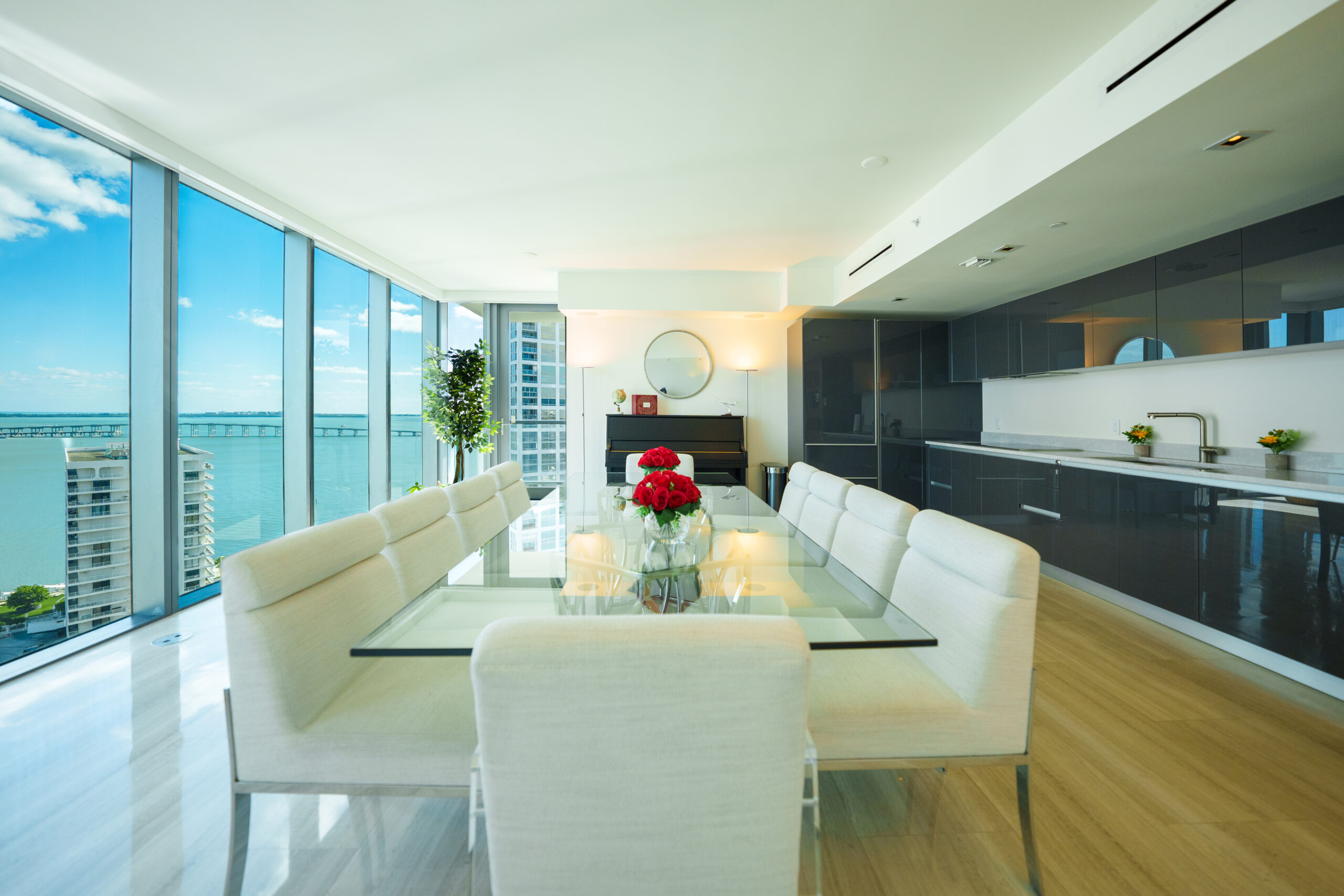
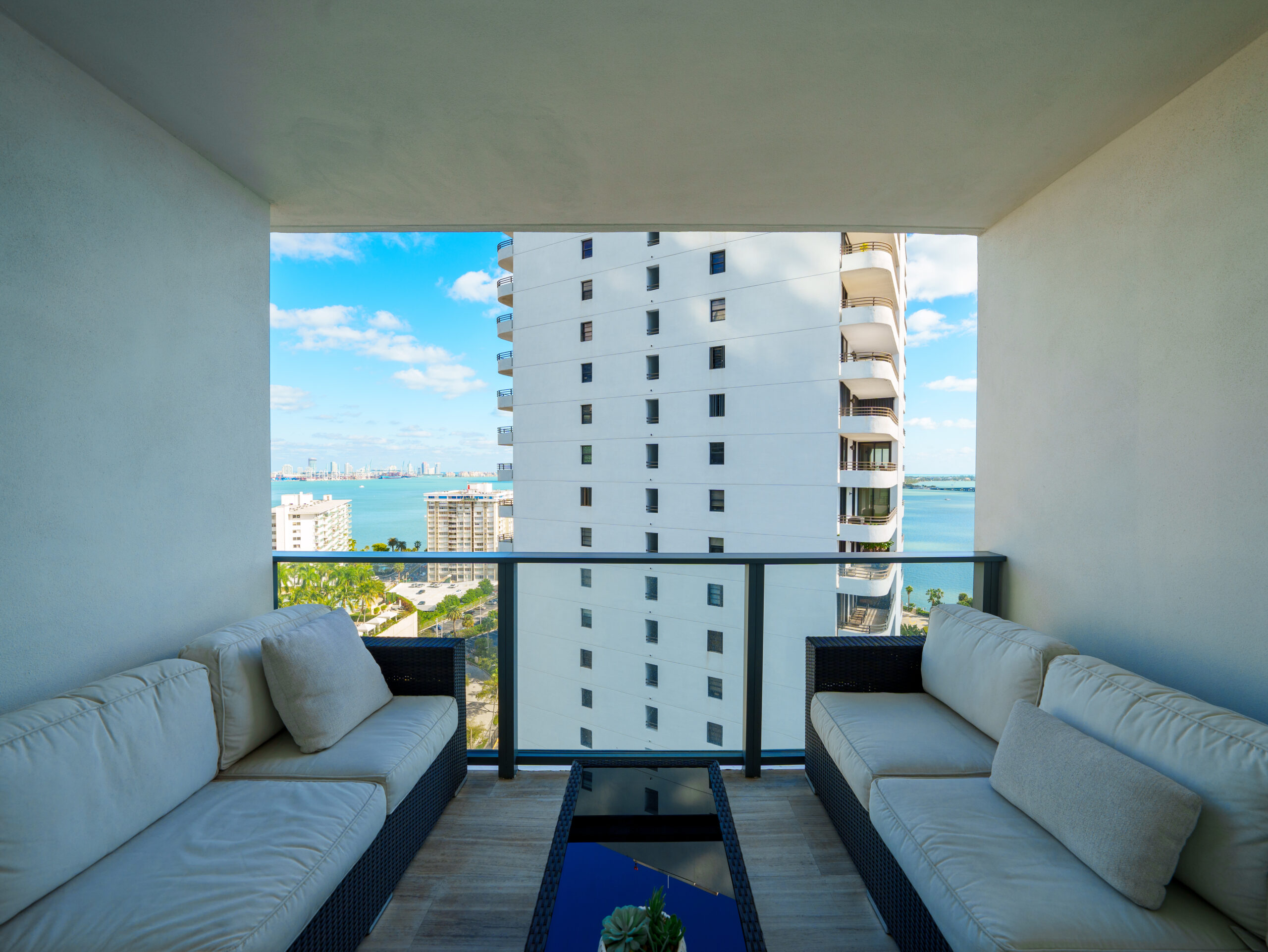
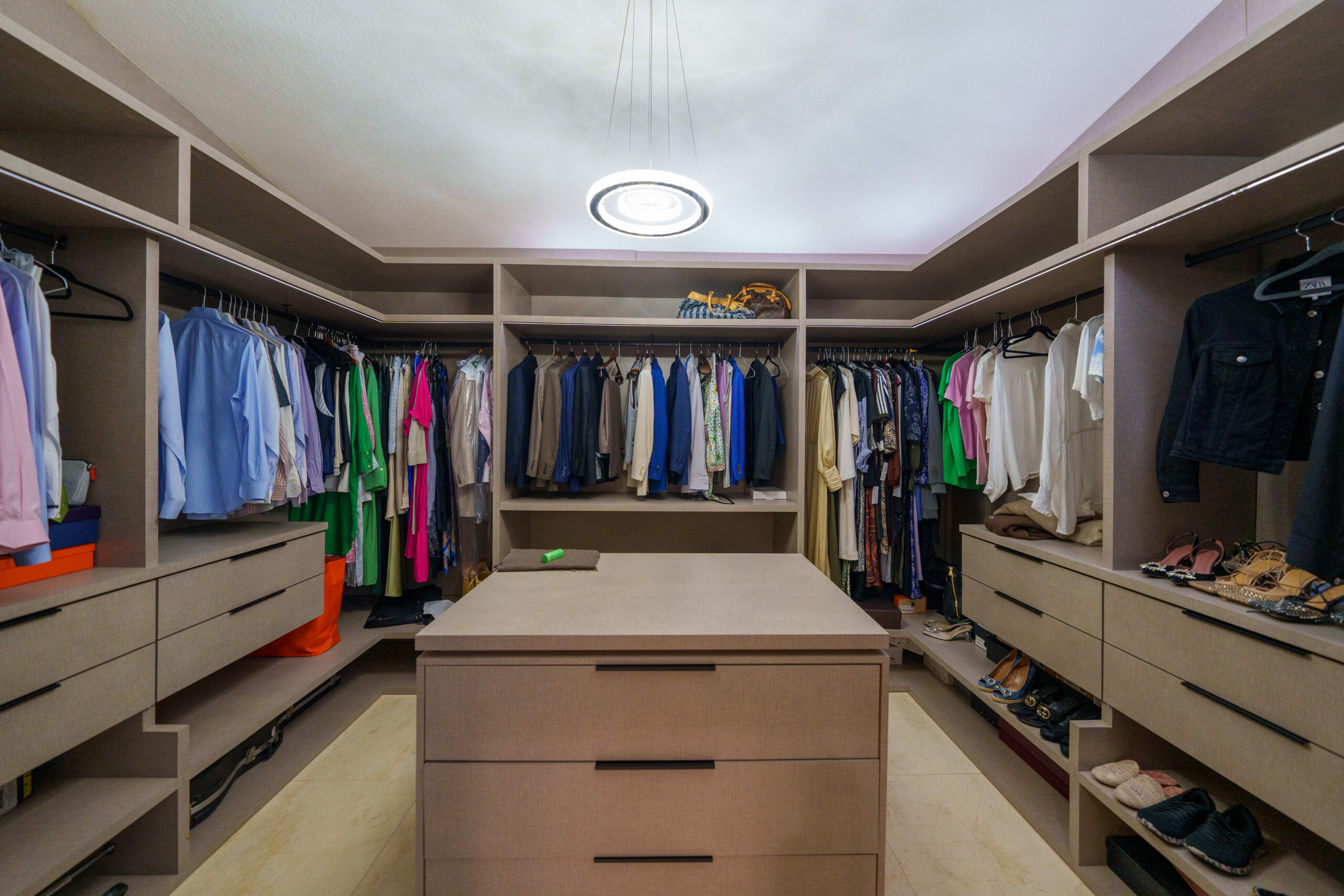
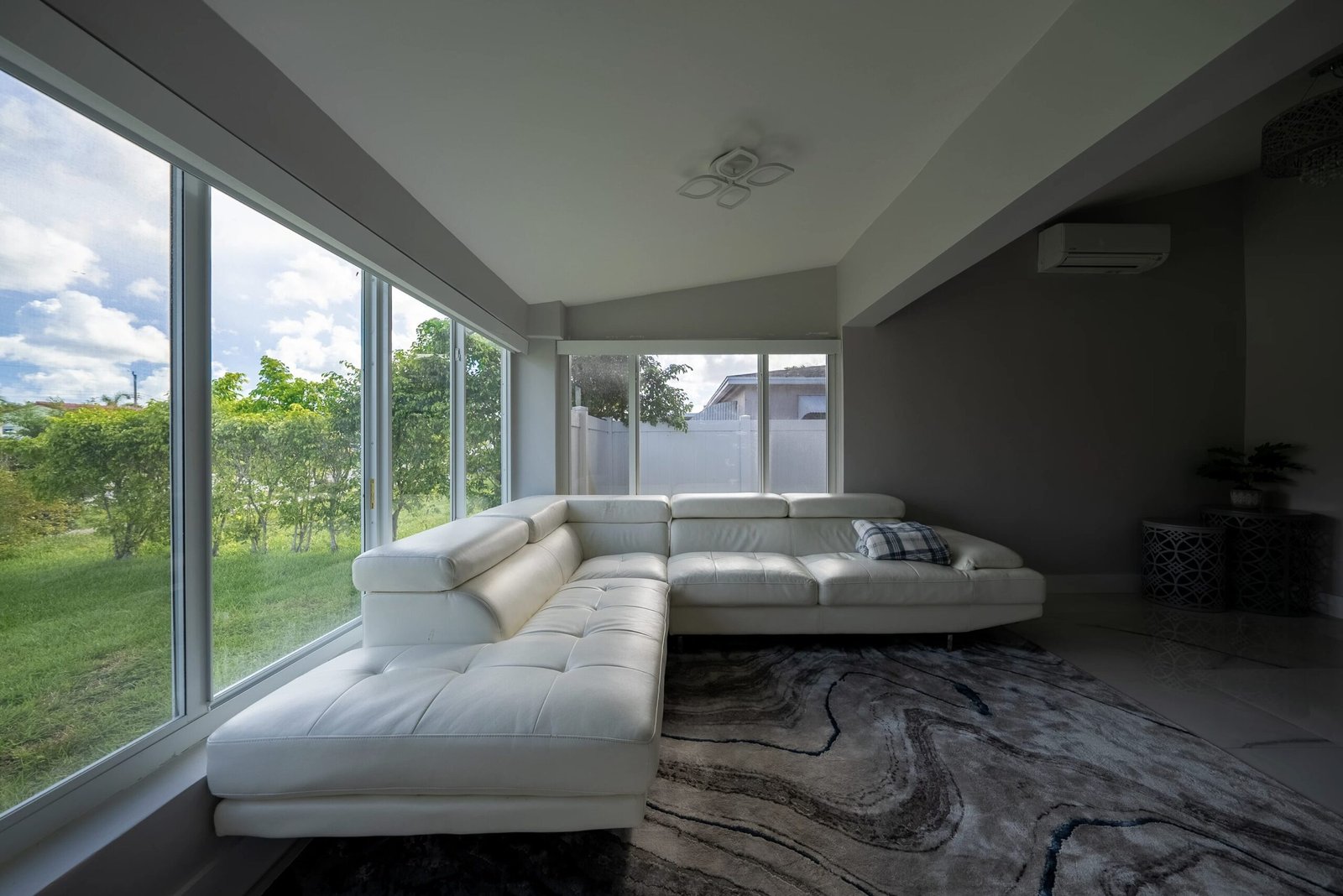
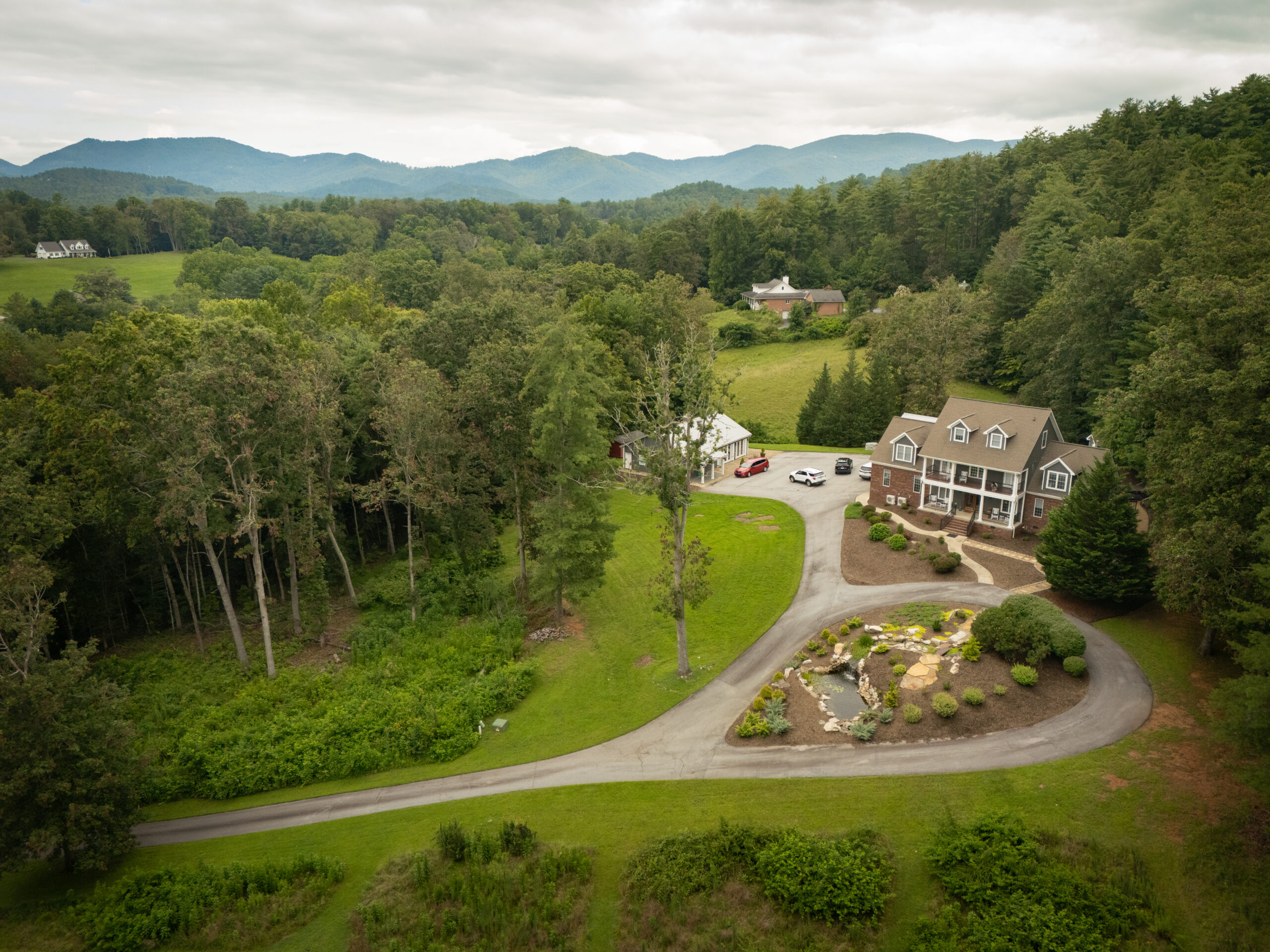
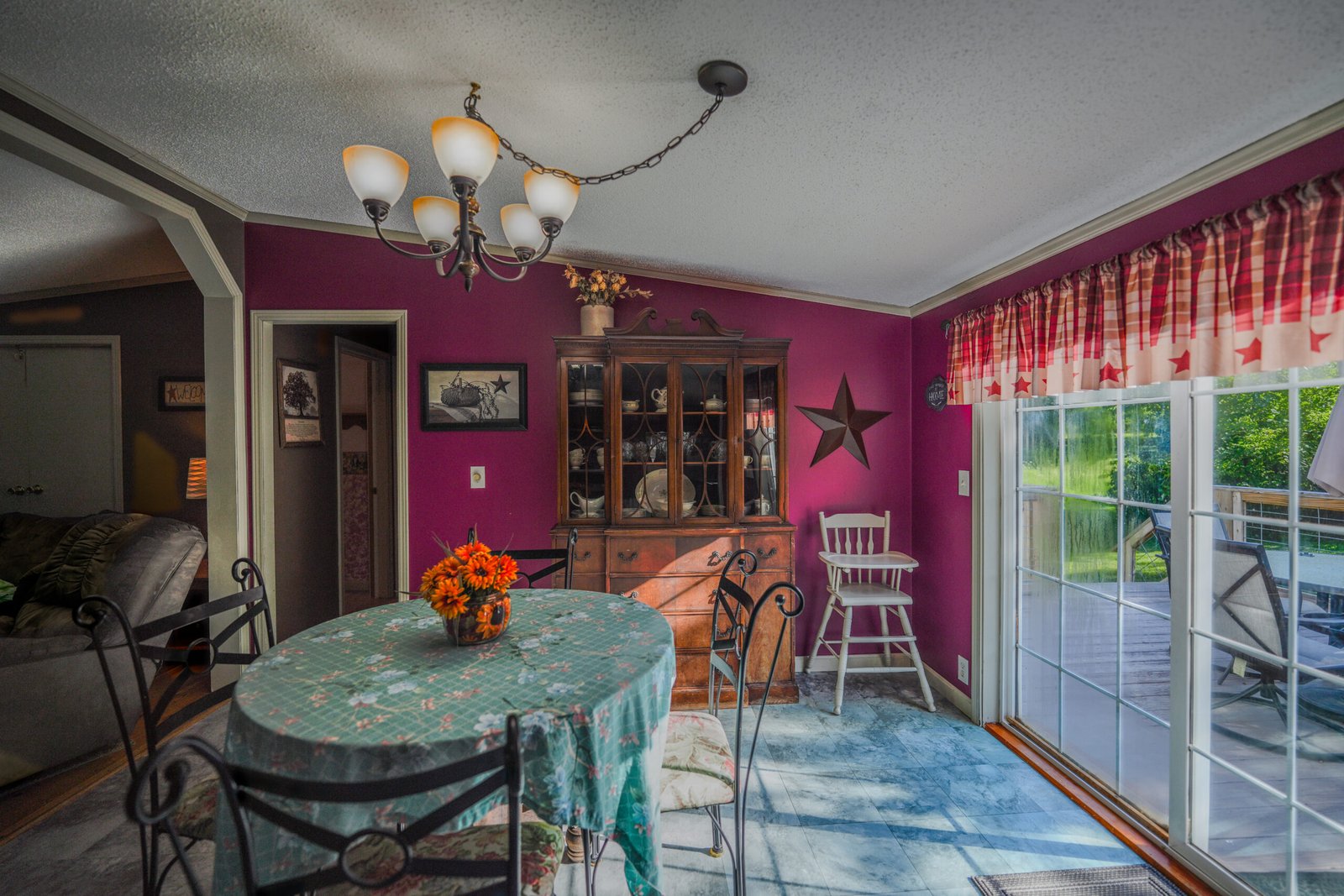
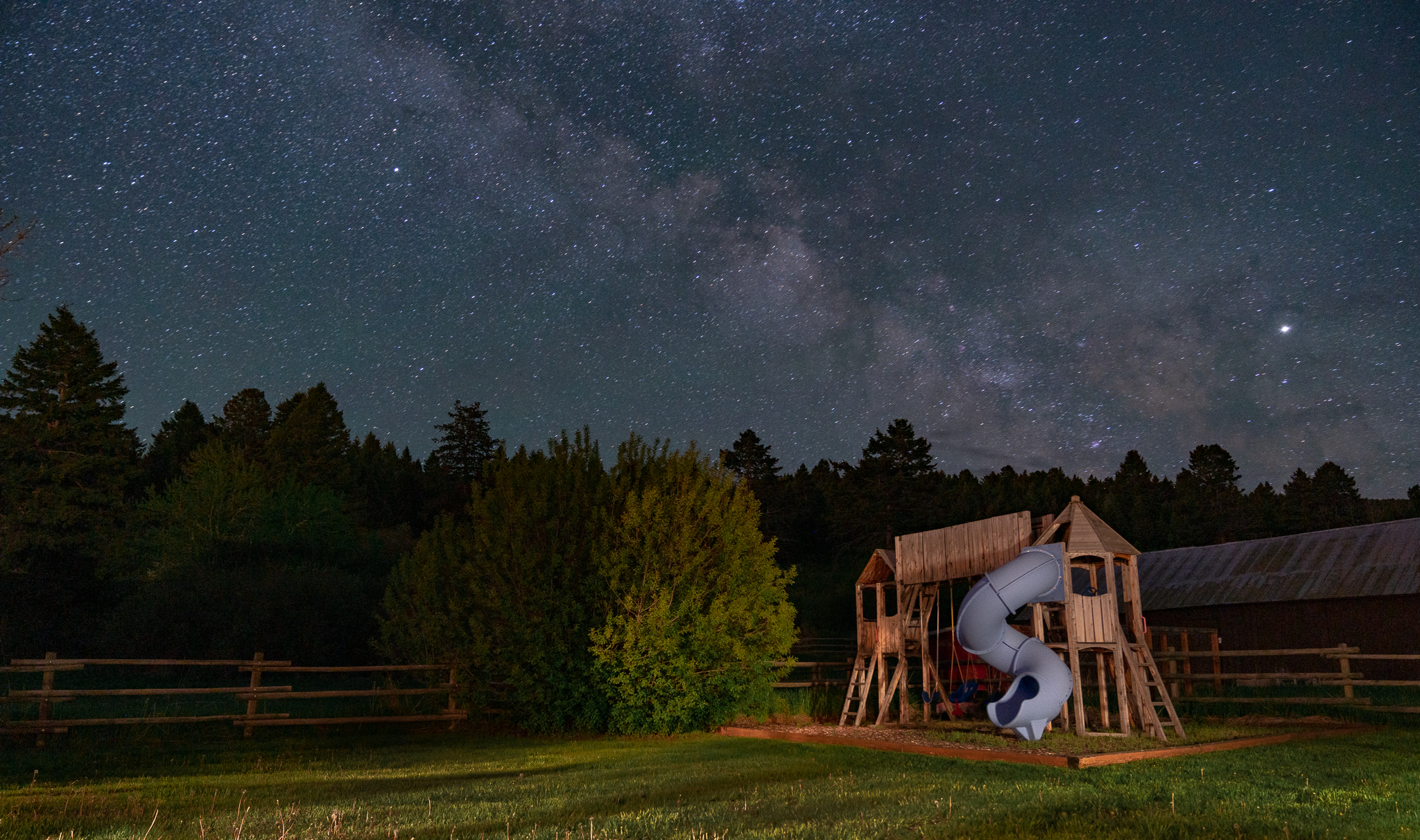
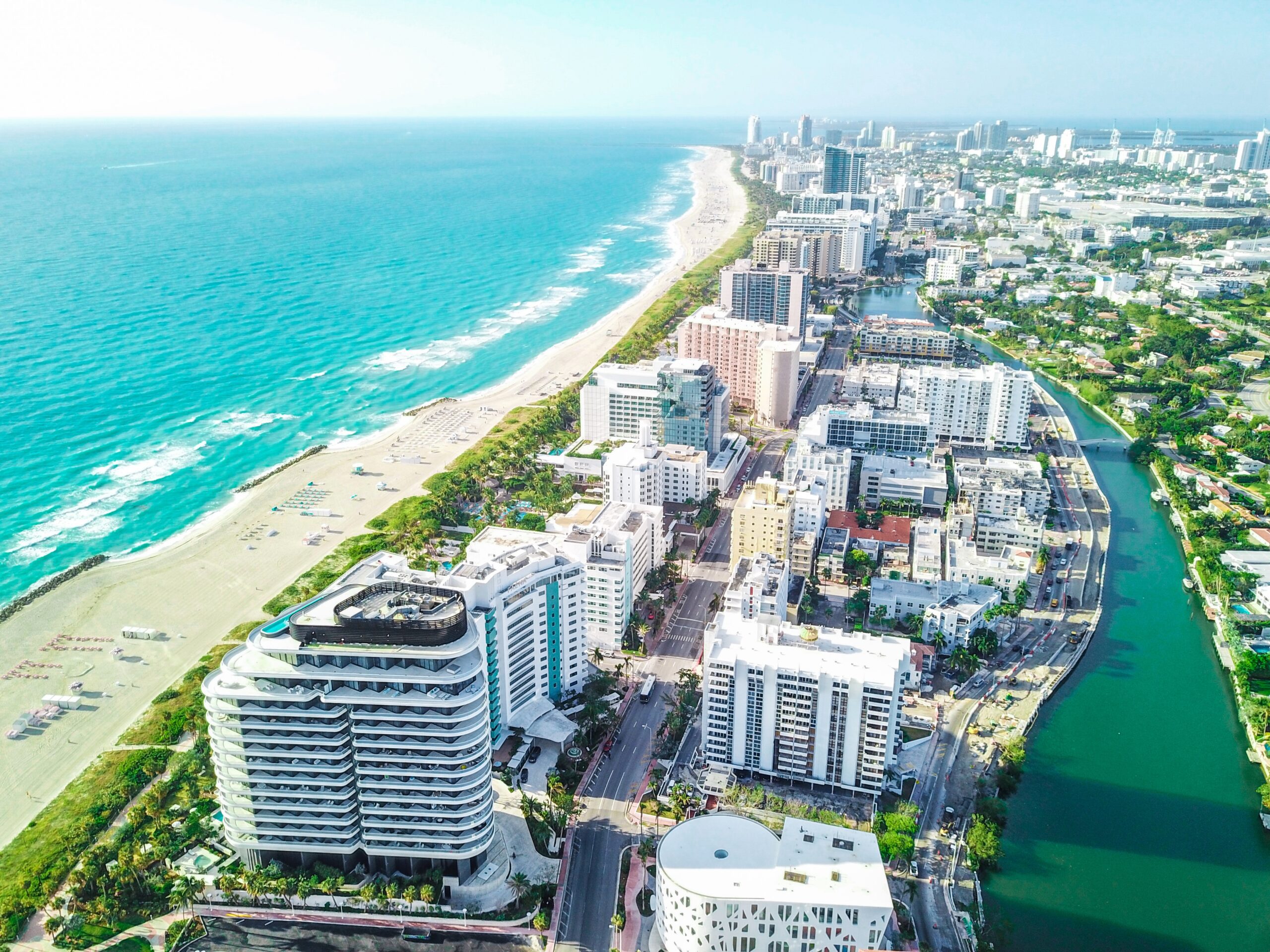
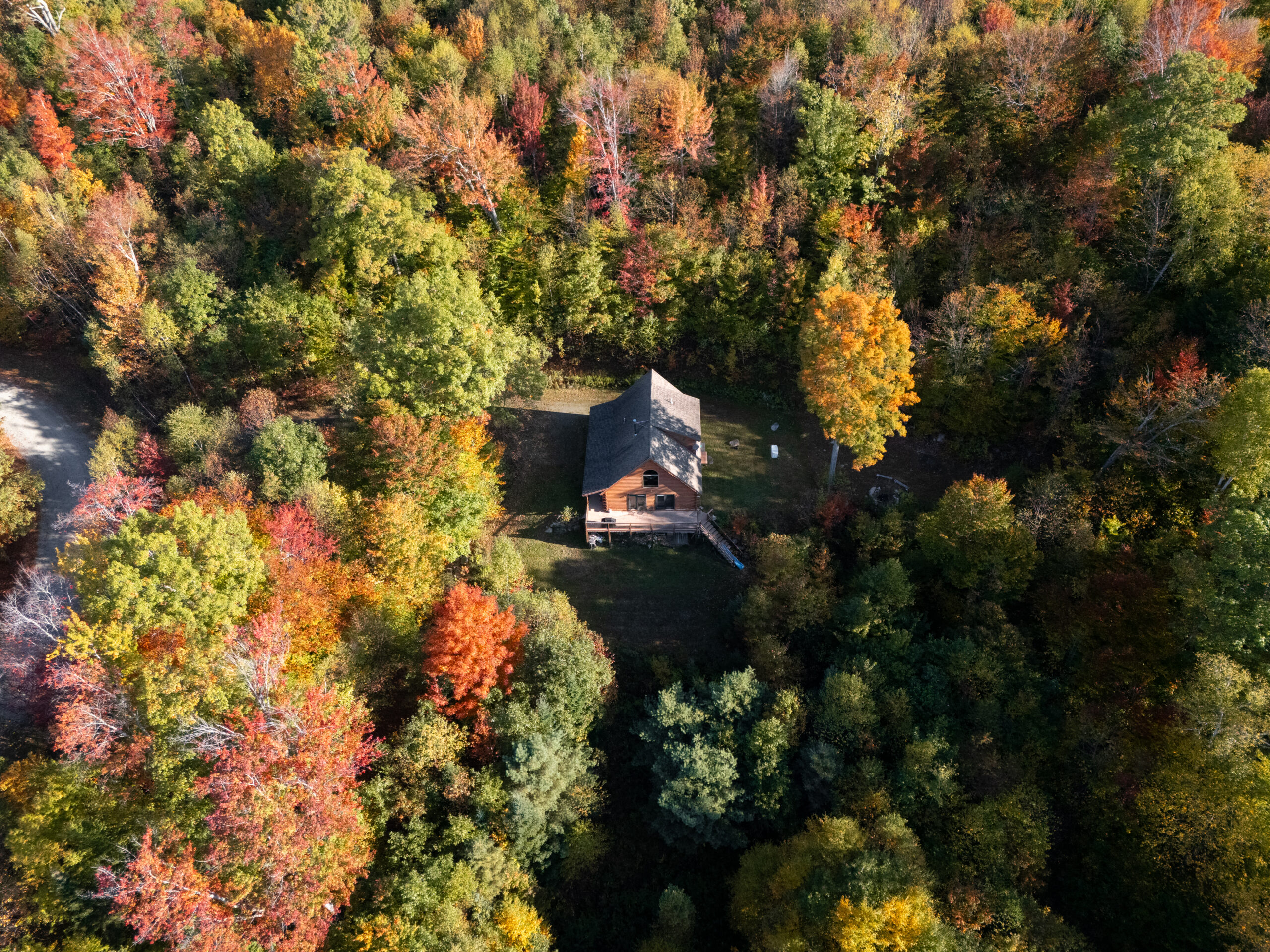
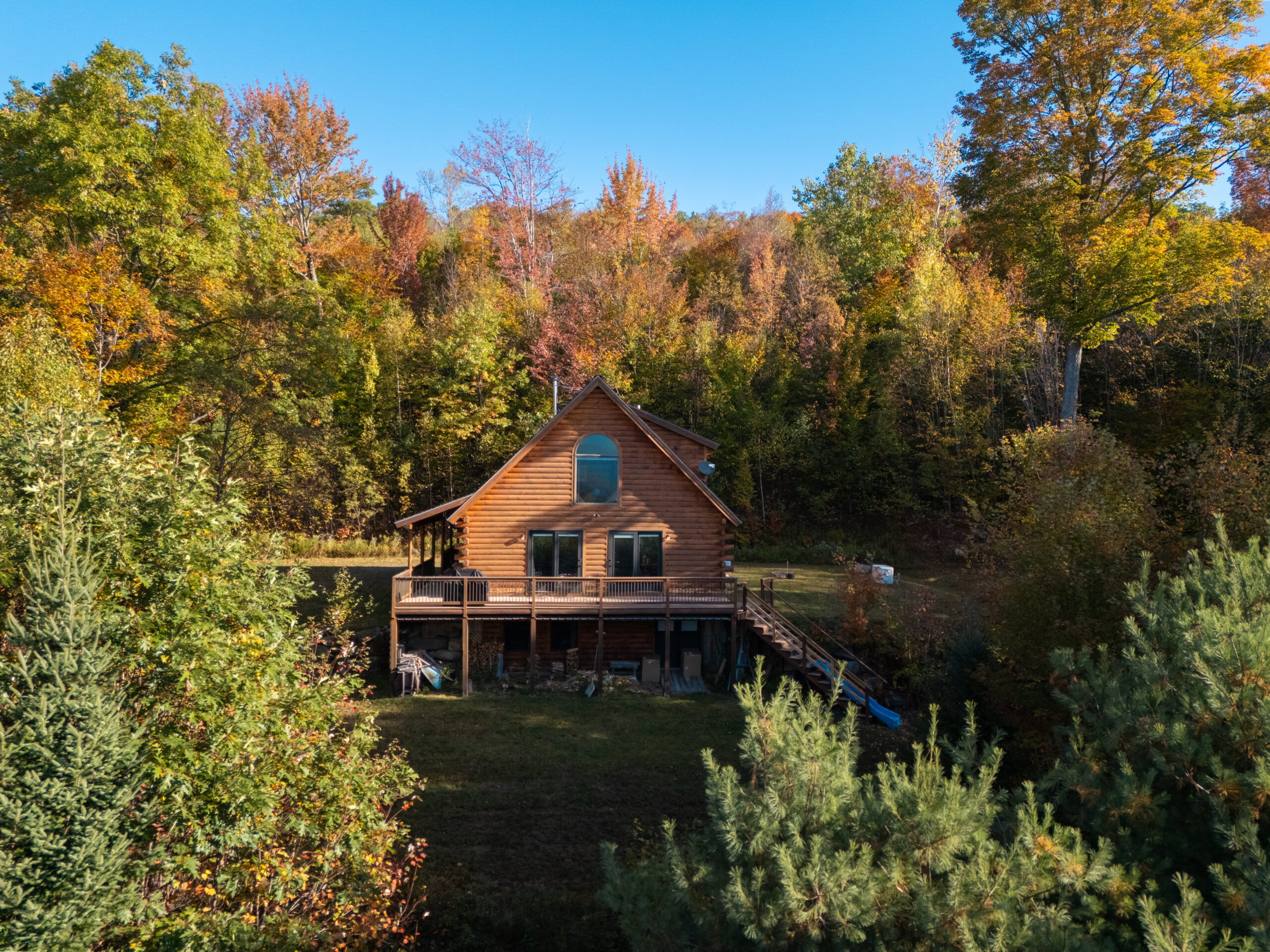
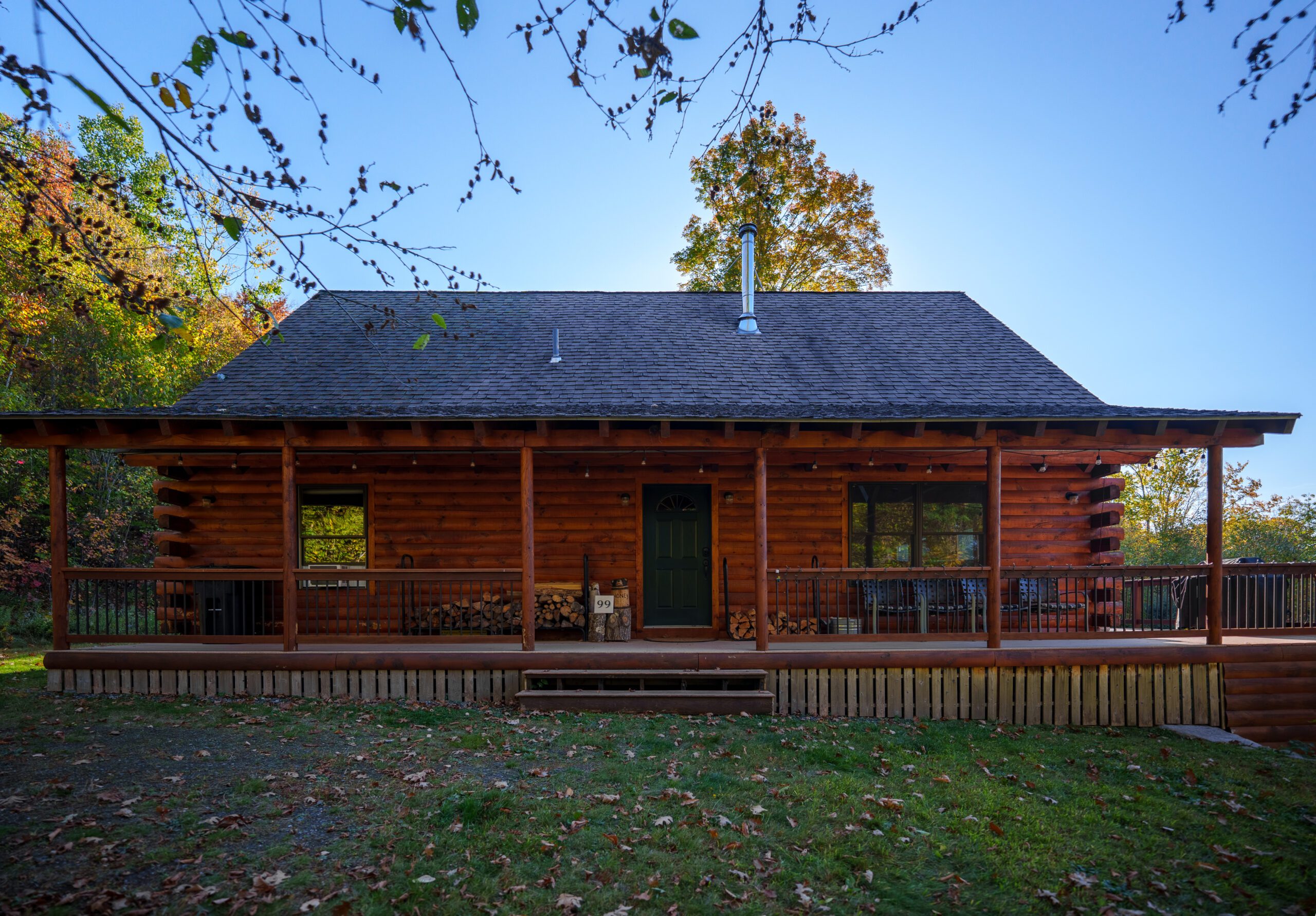
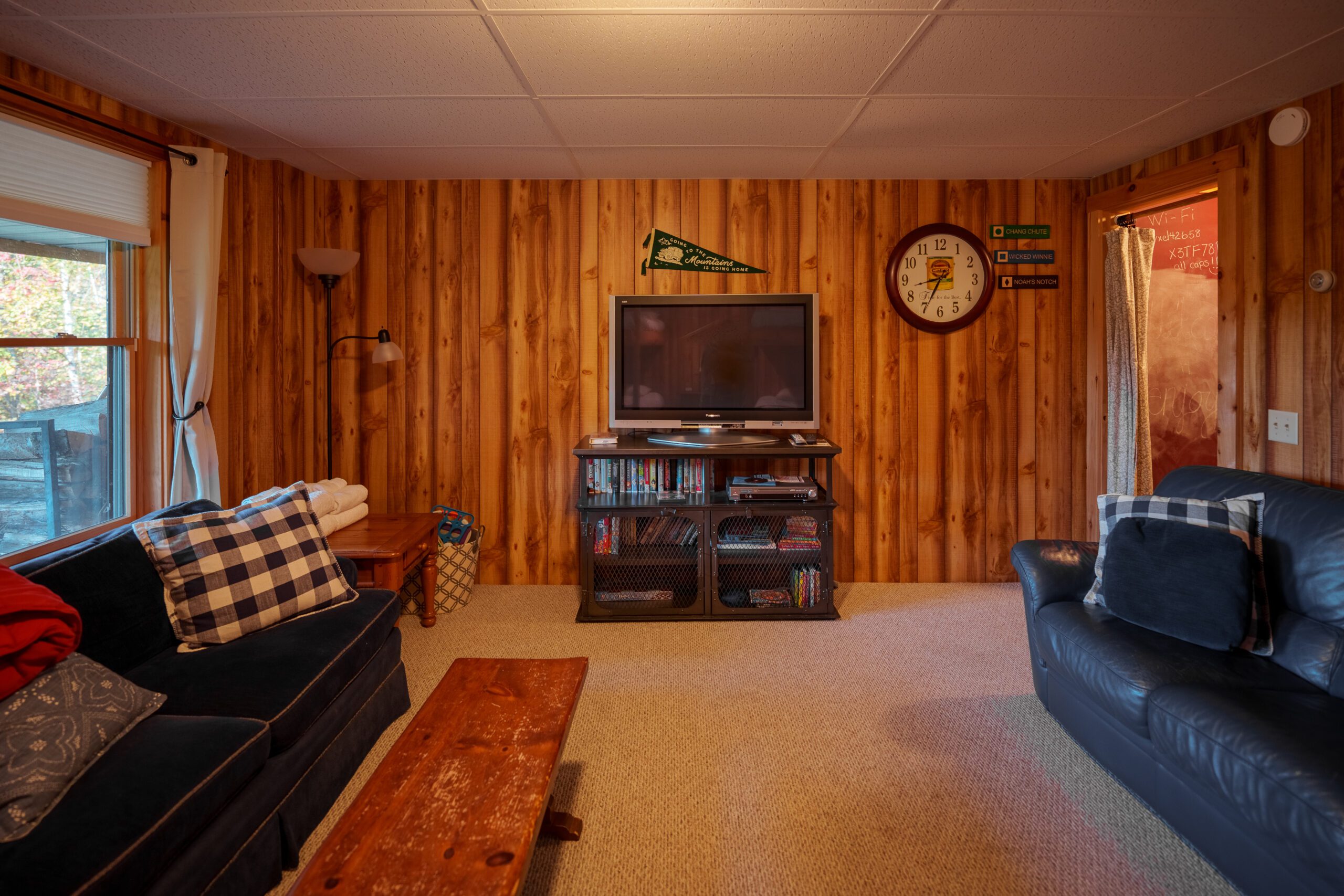
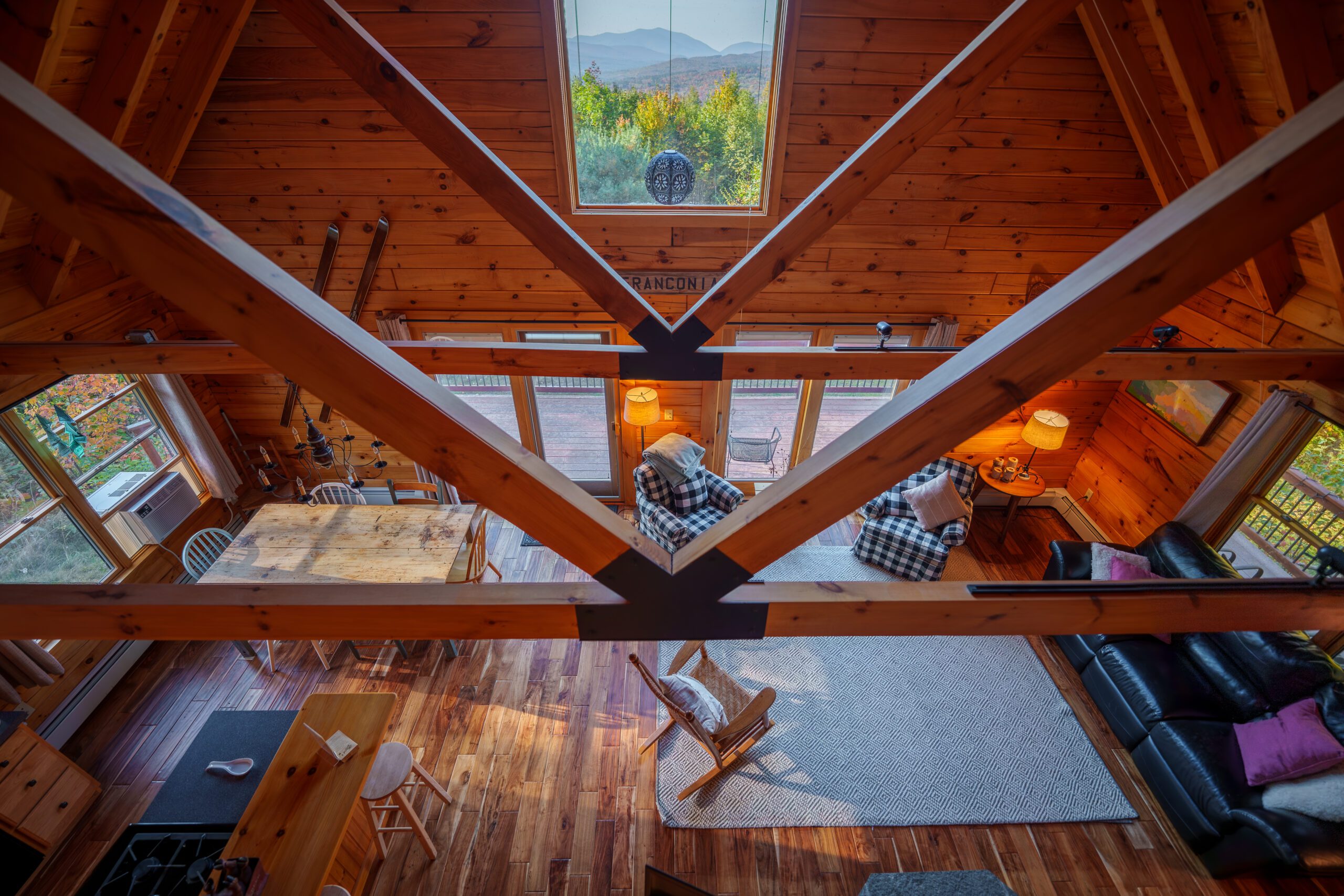
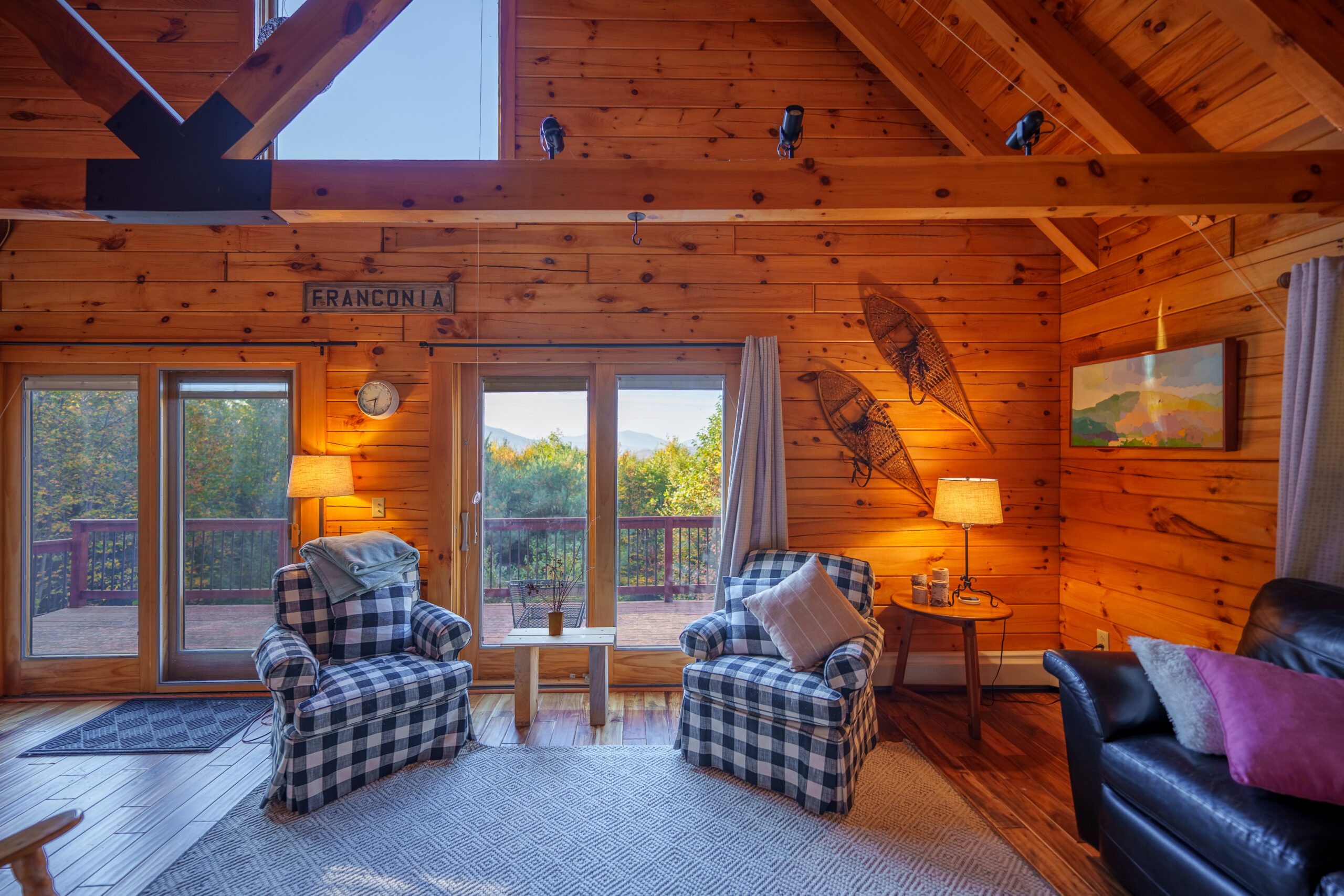
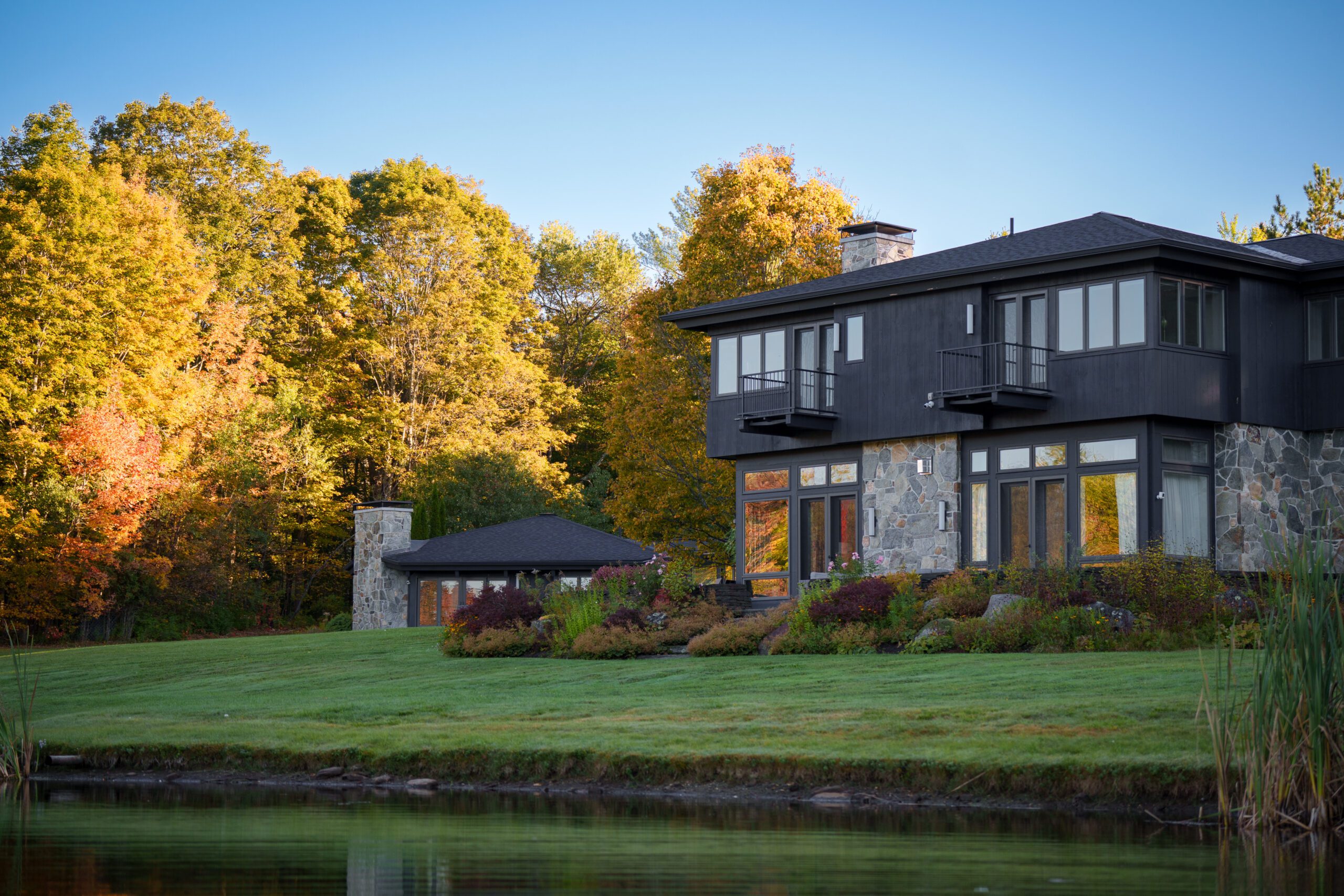
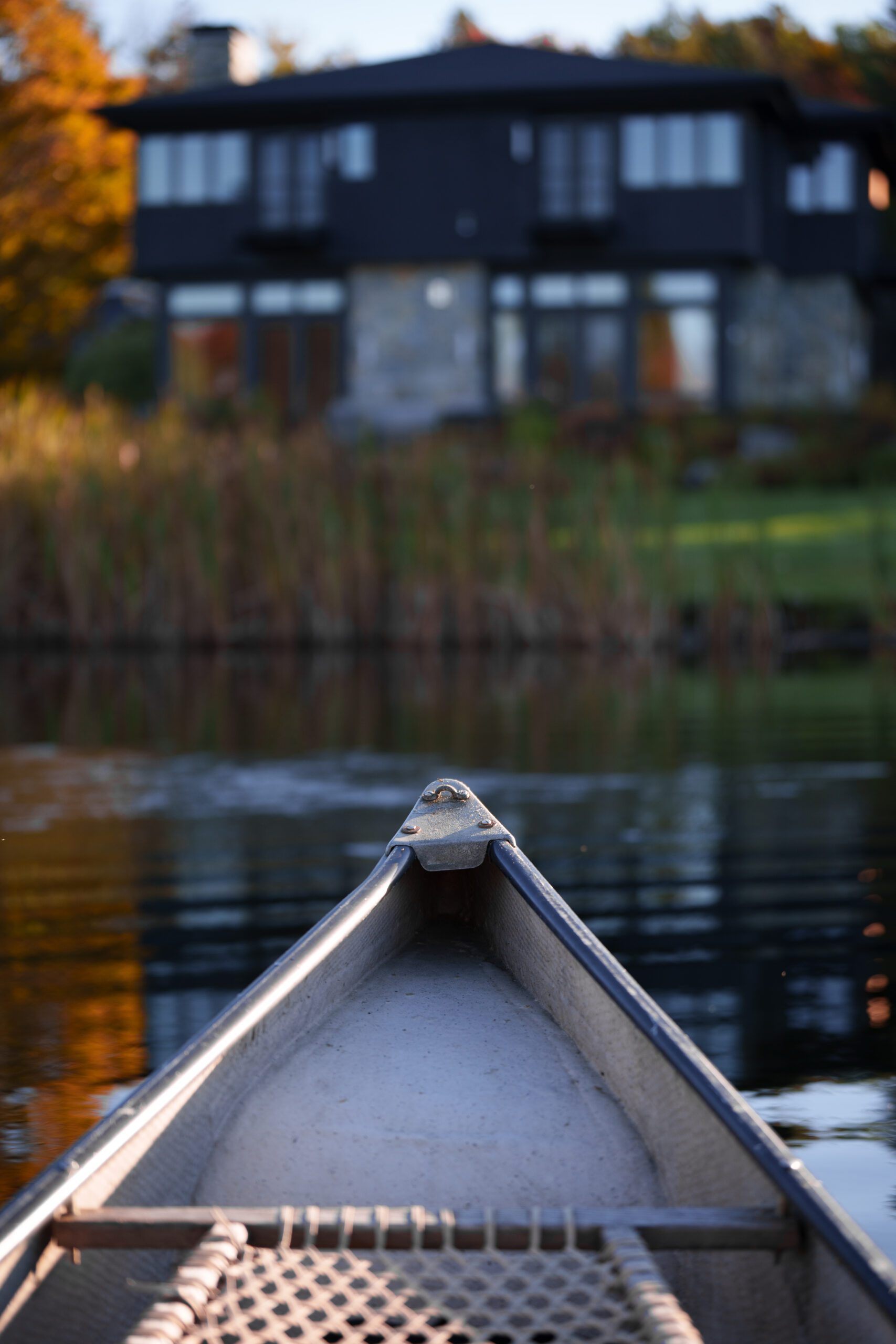
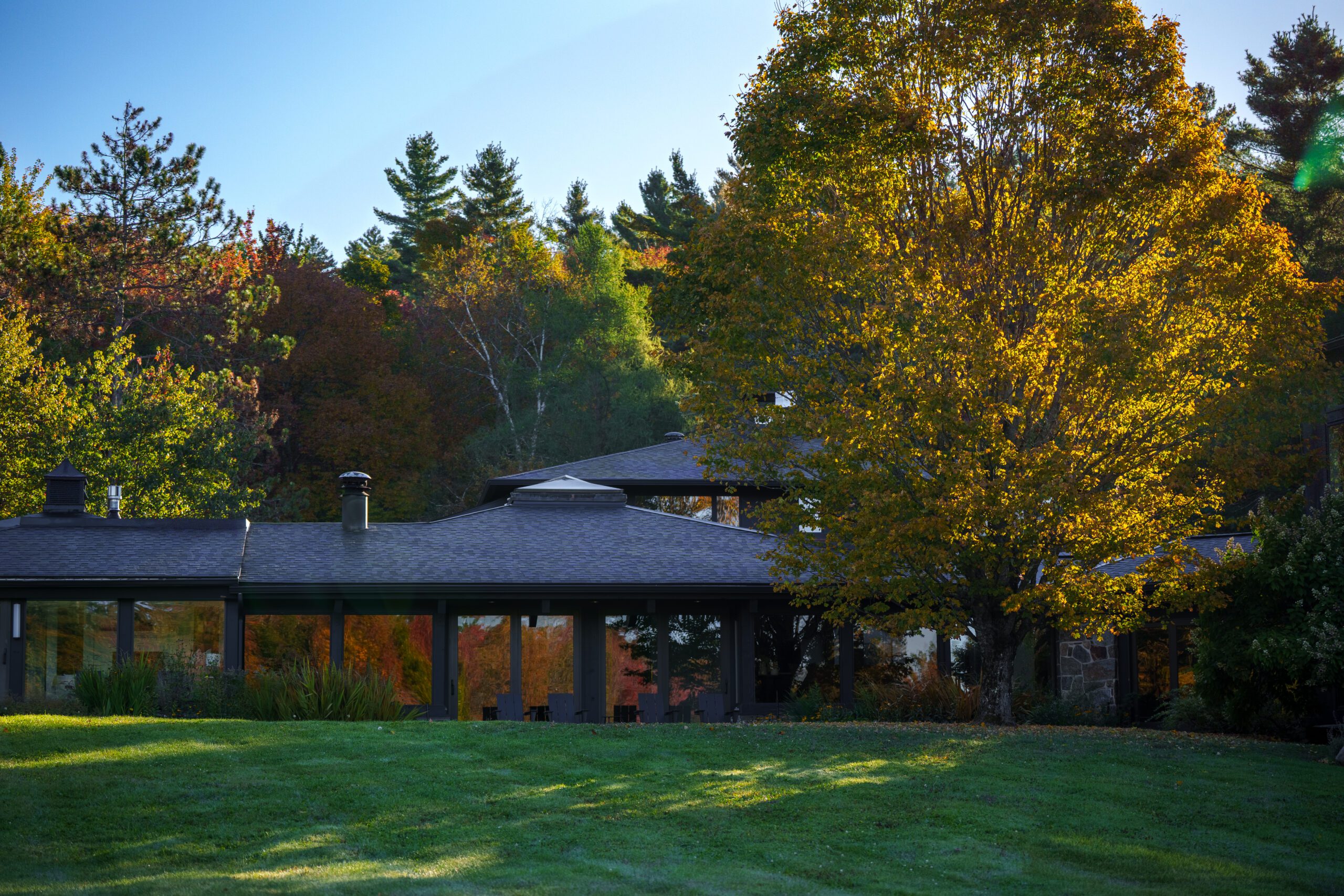
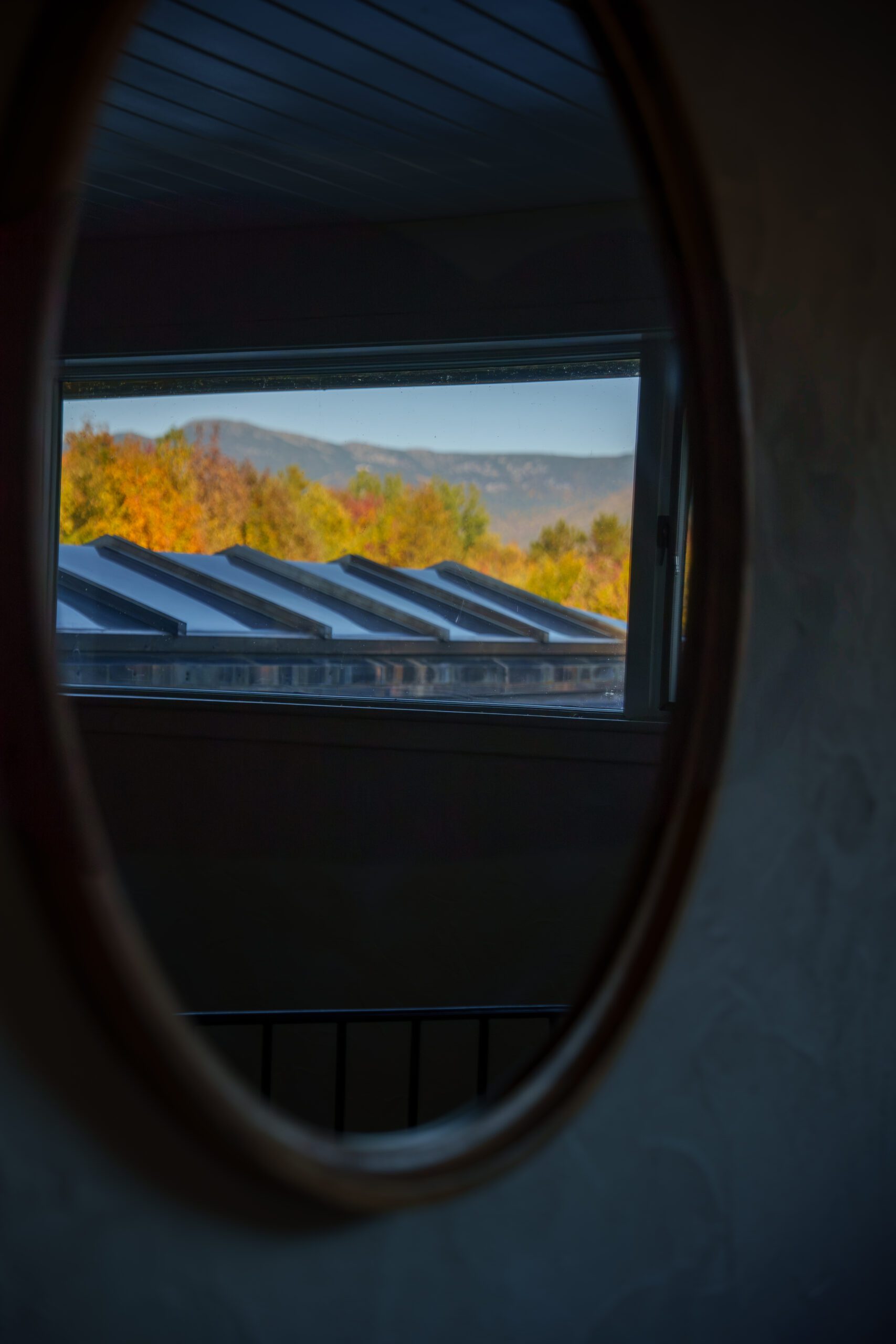

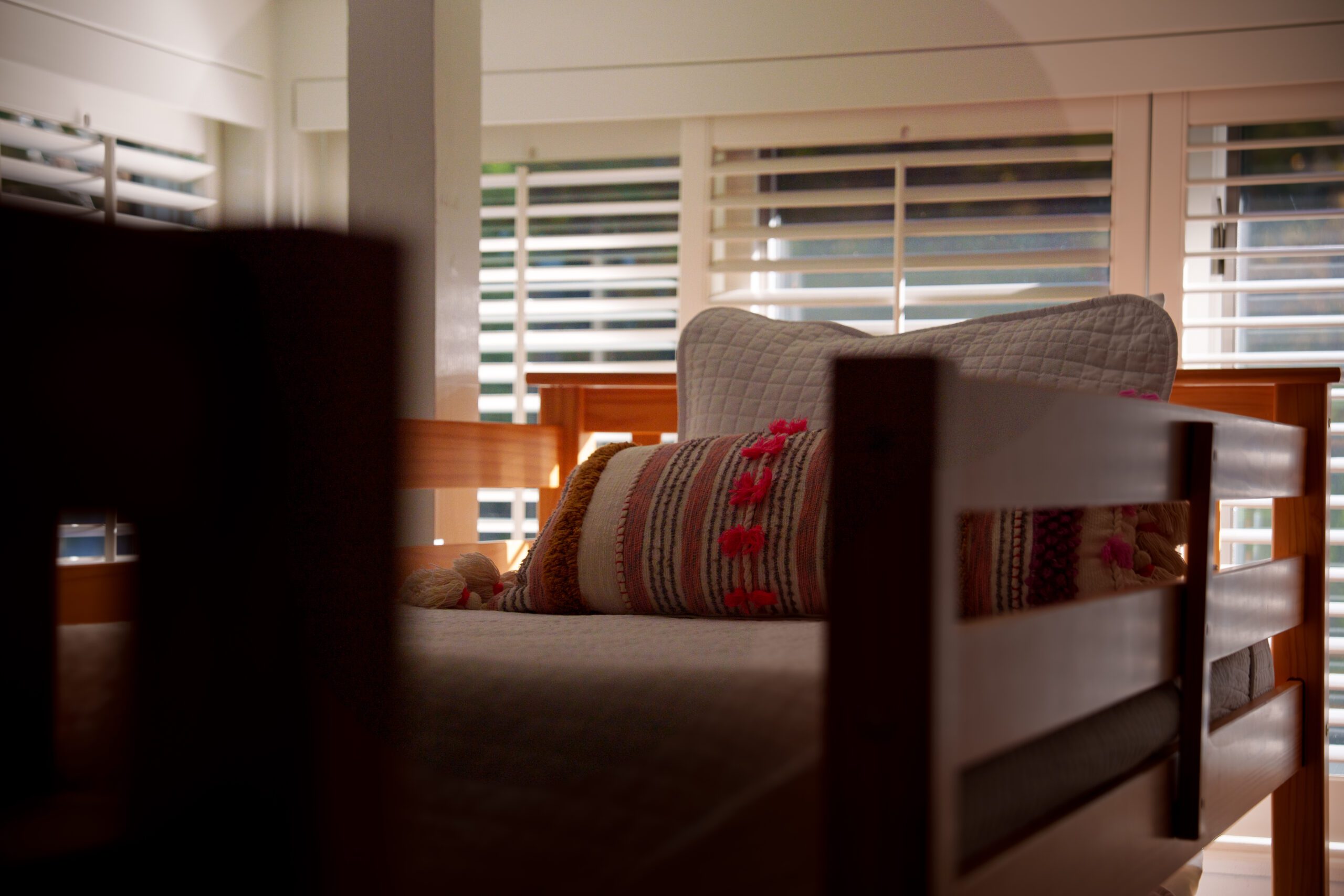
Composition here is mostly restraint. Square to the wall, or do not bother. Verticals stay vertical.
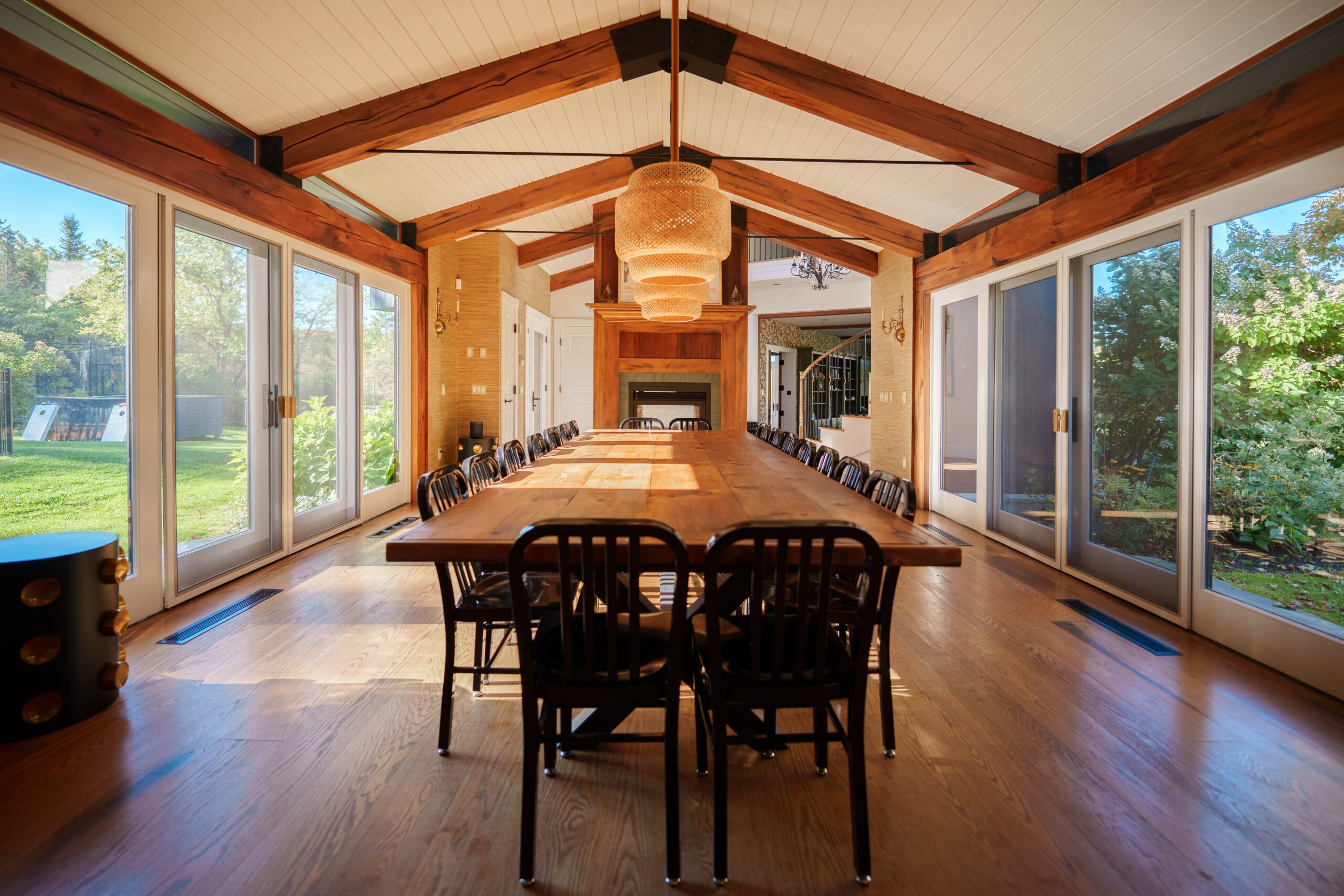
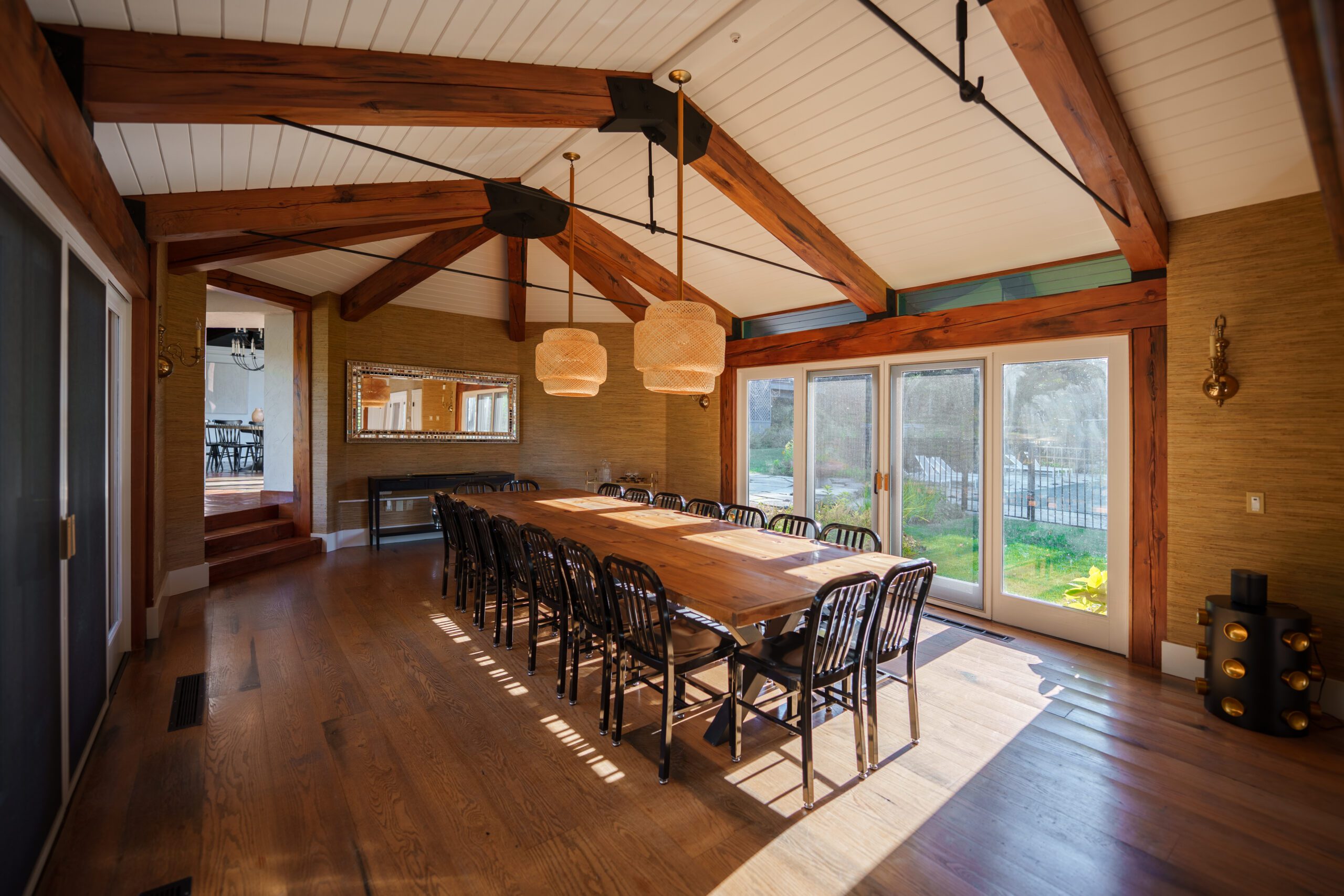
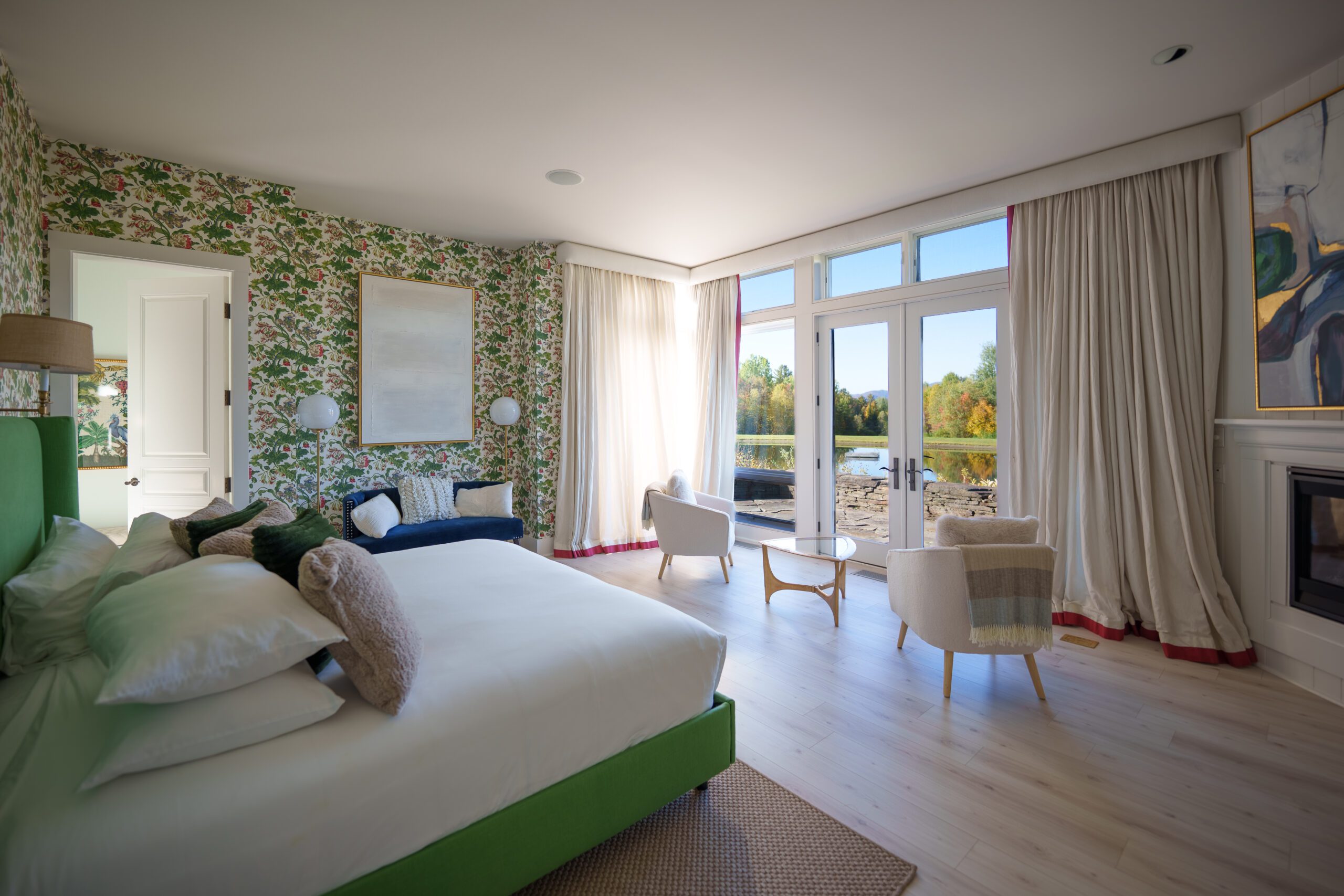
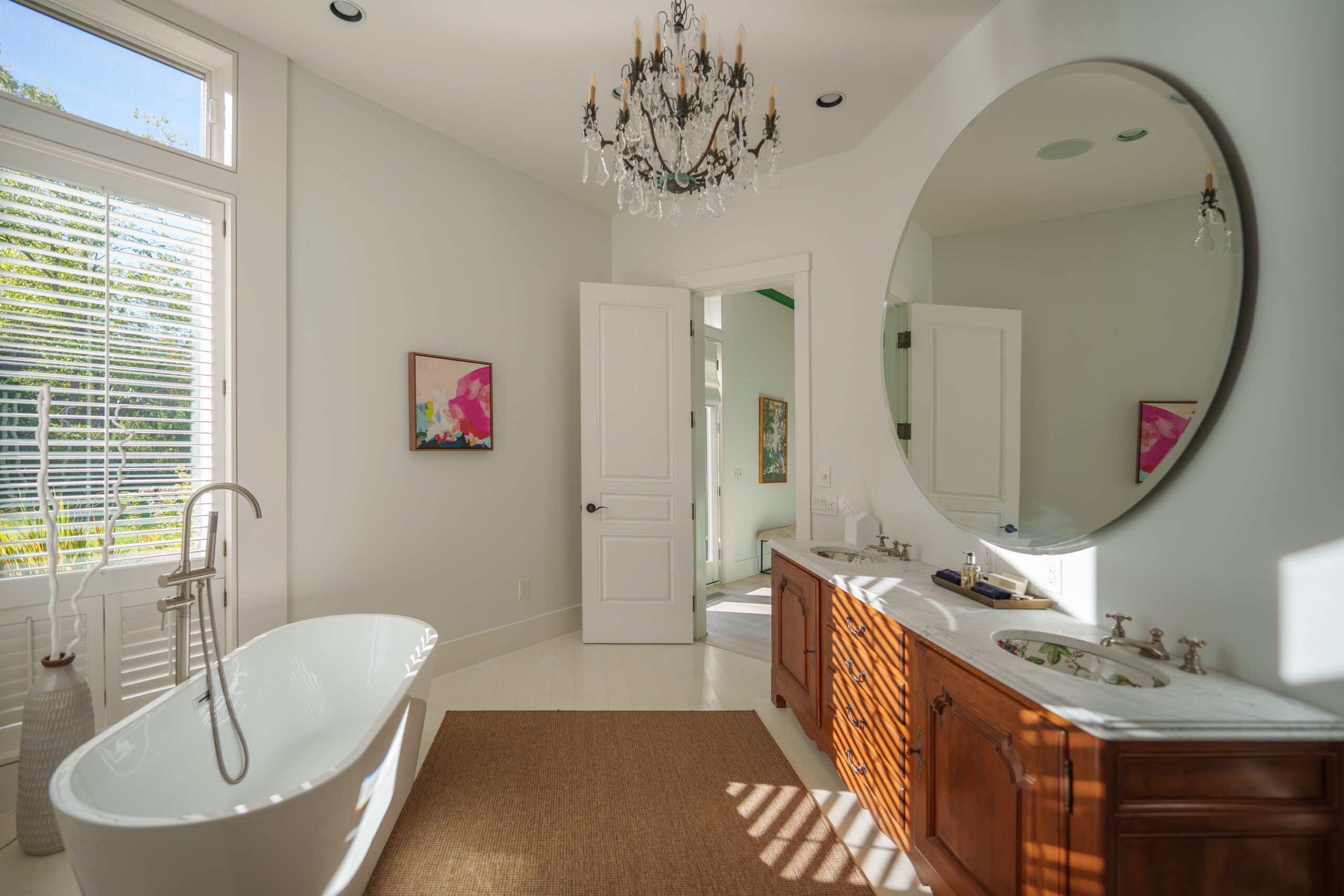
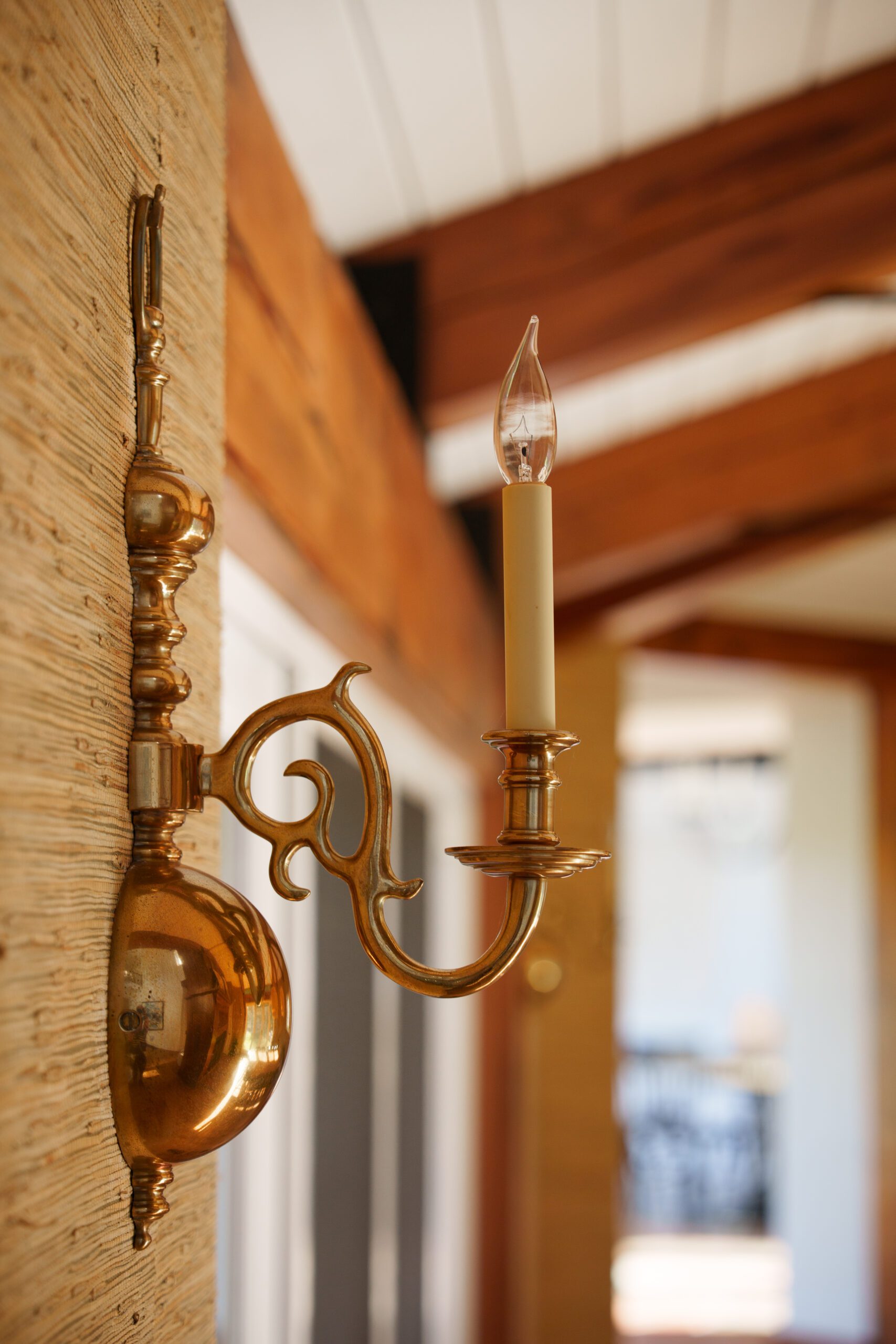
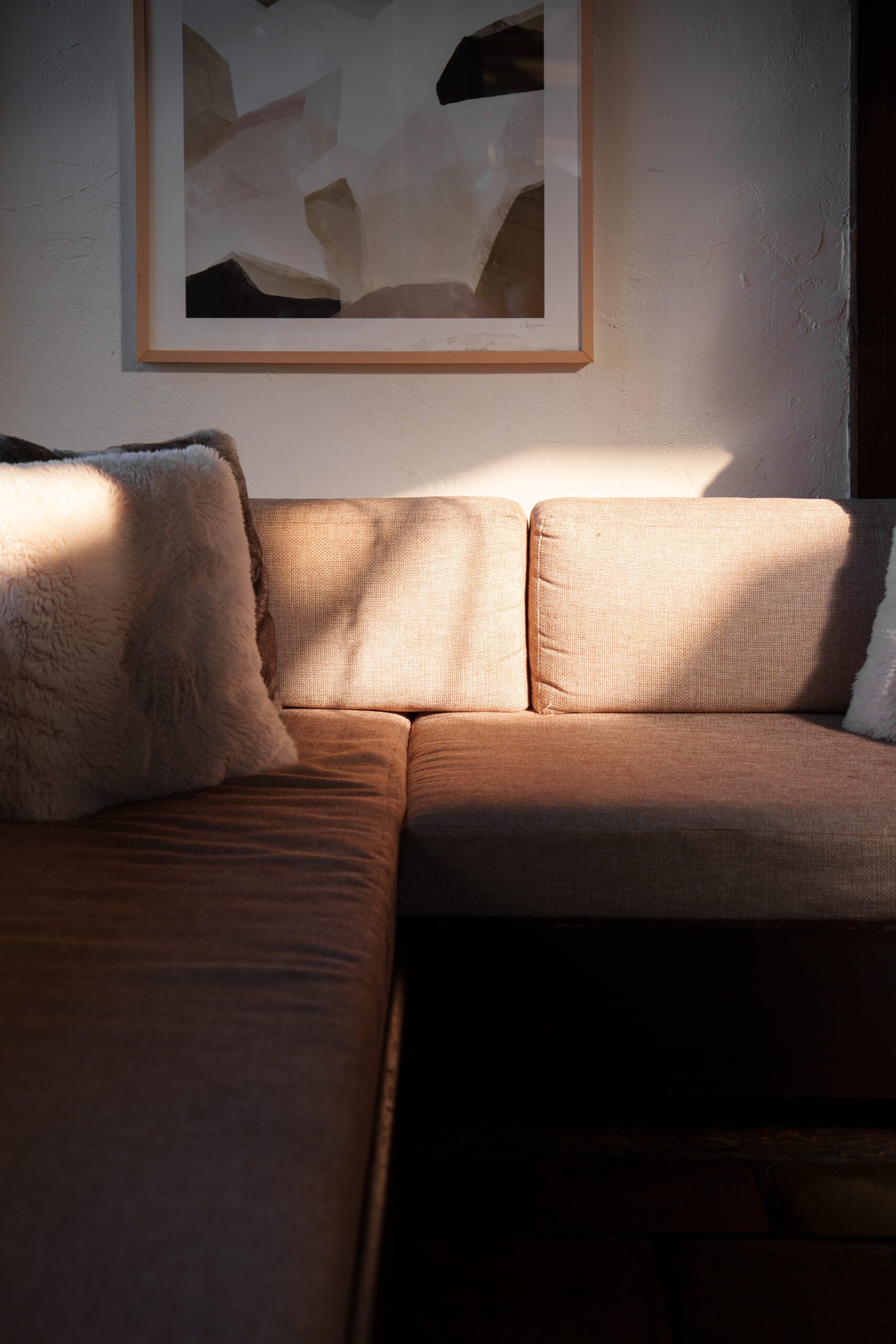
When it works, a stranger drives across town to see it in person. That is the entire job.
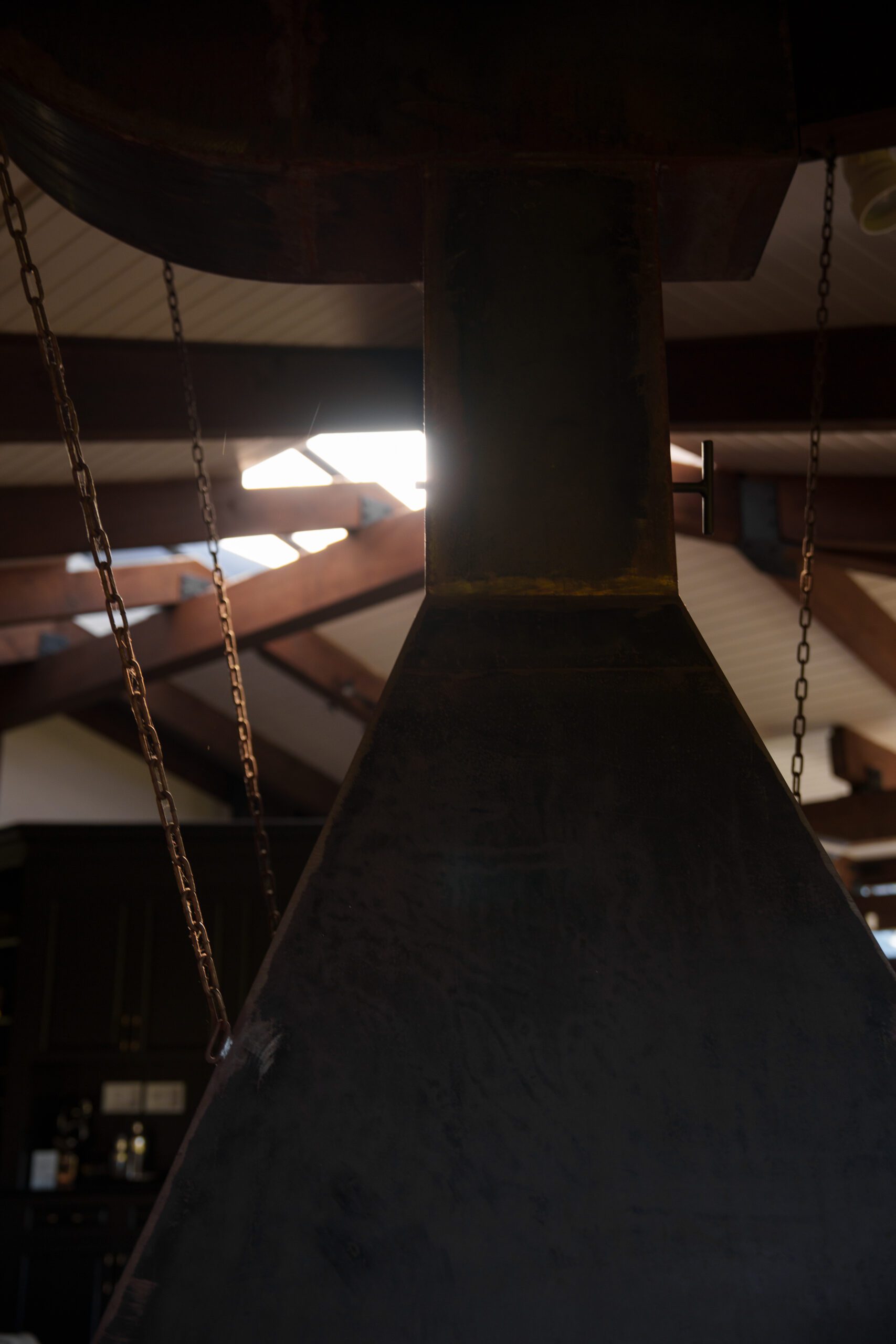
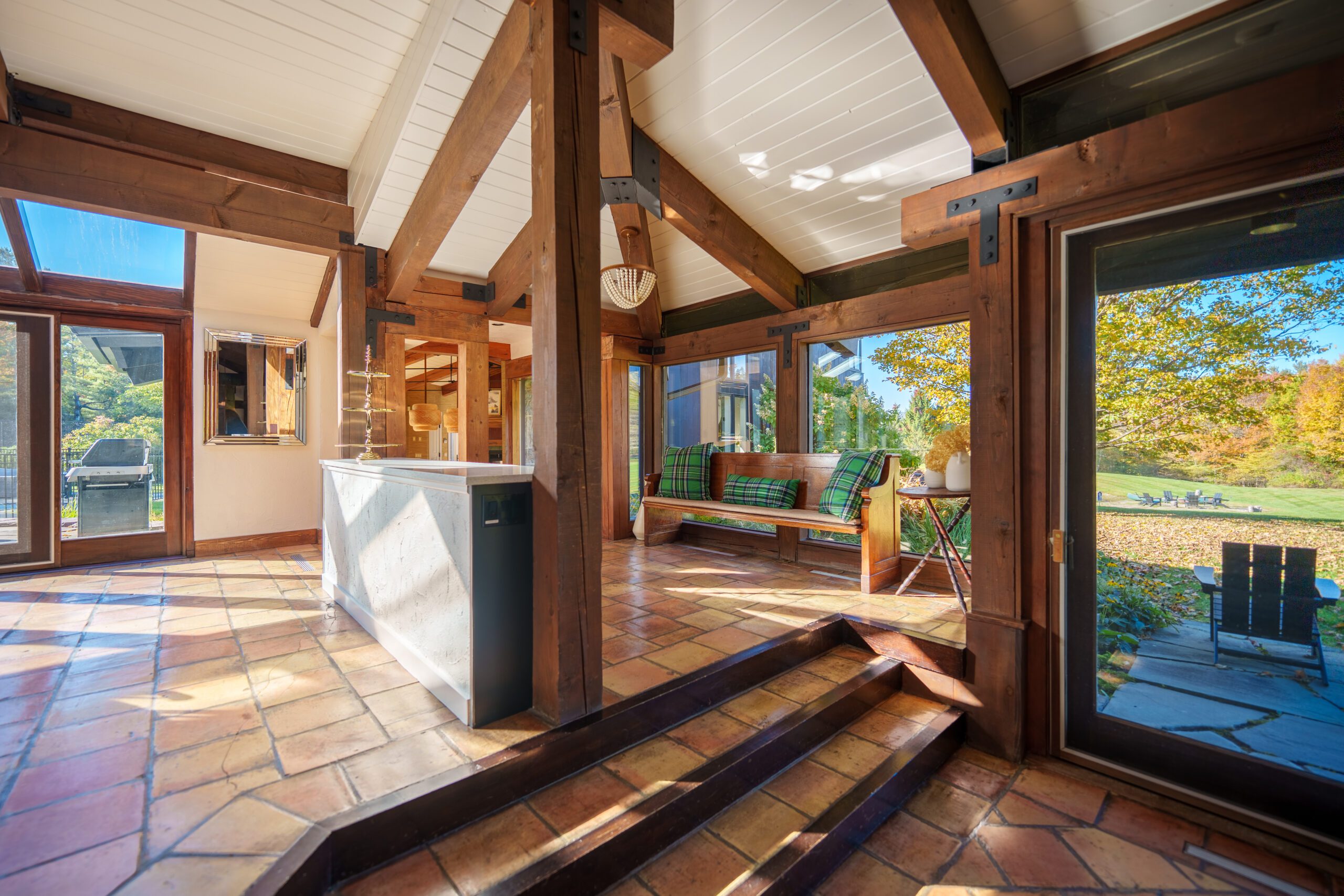
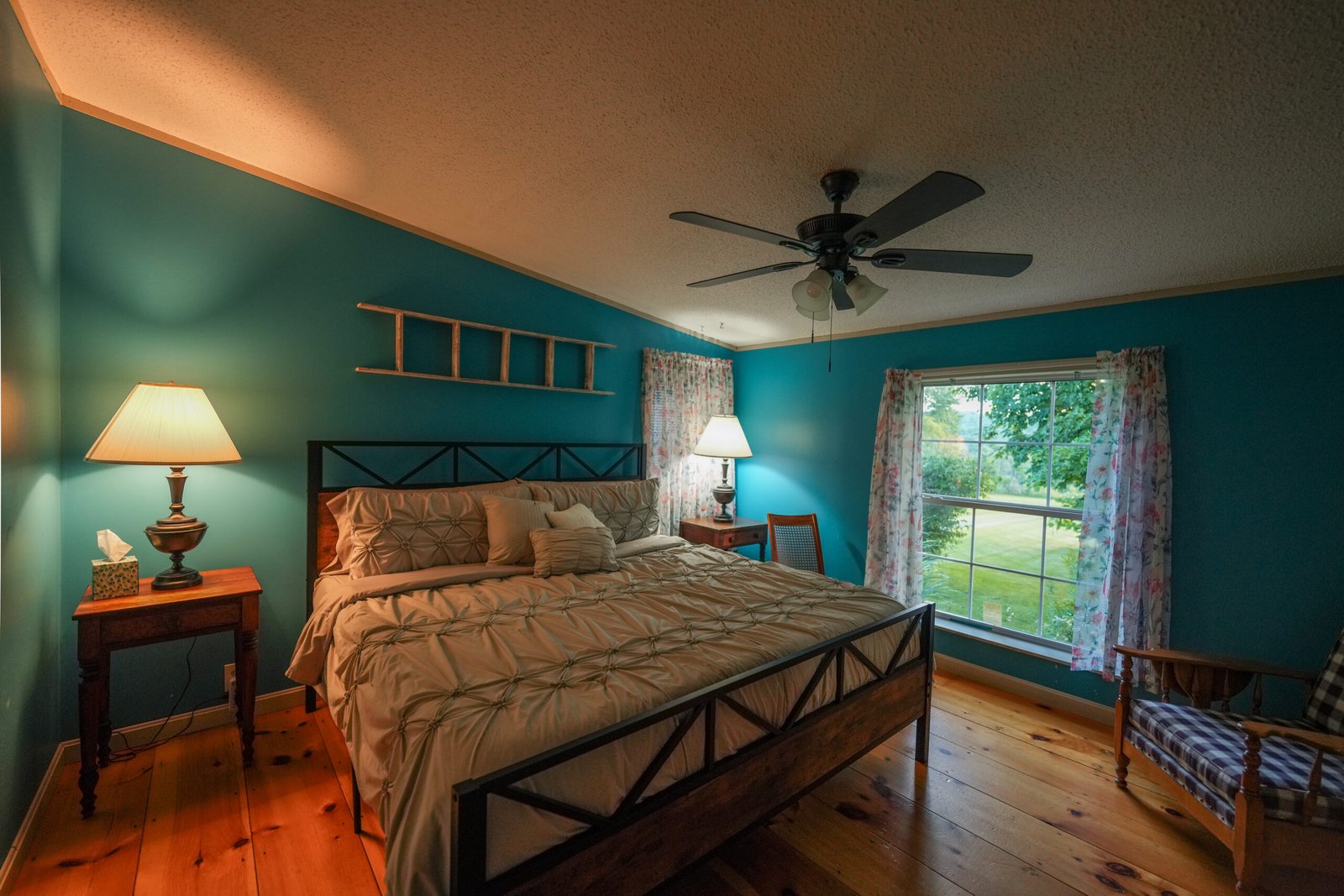
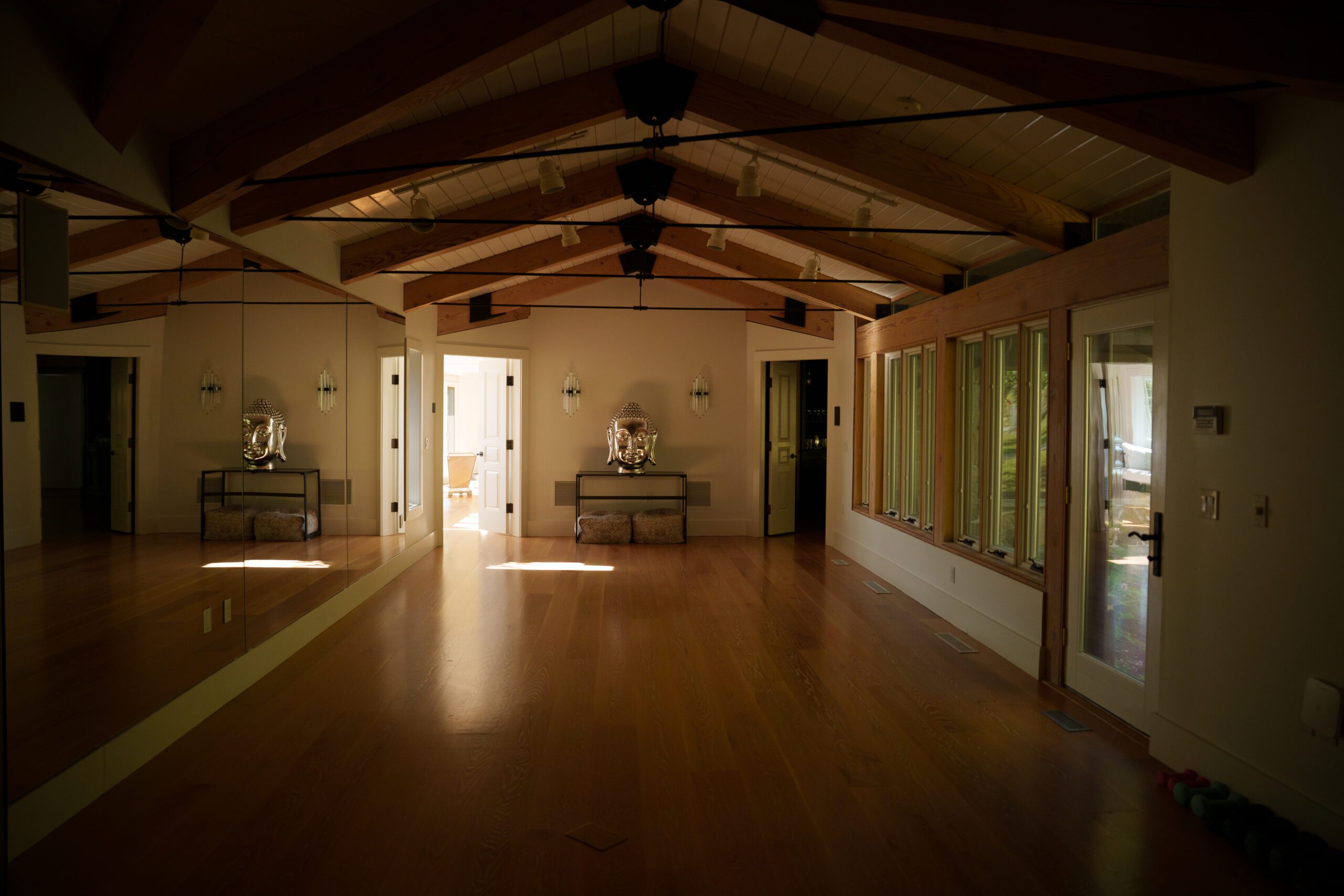
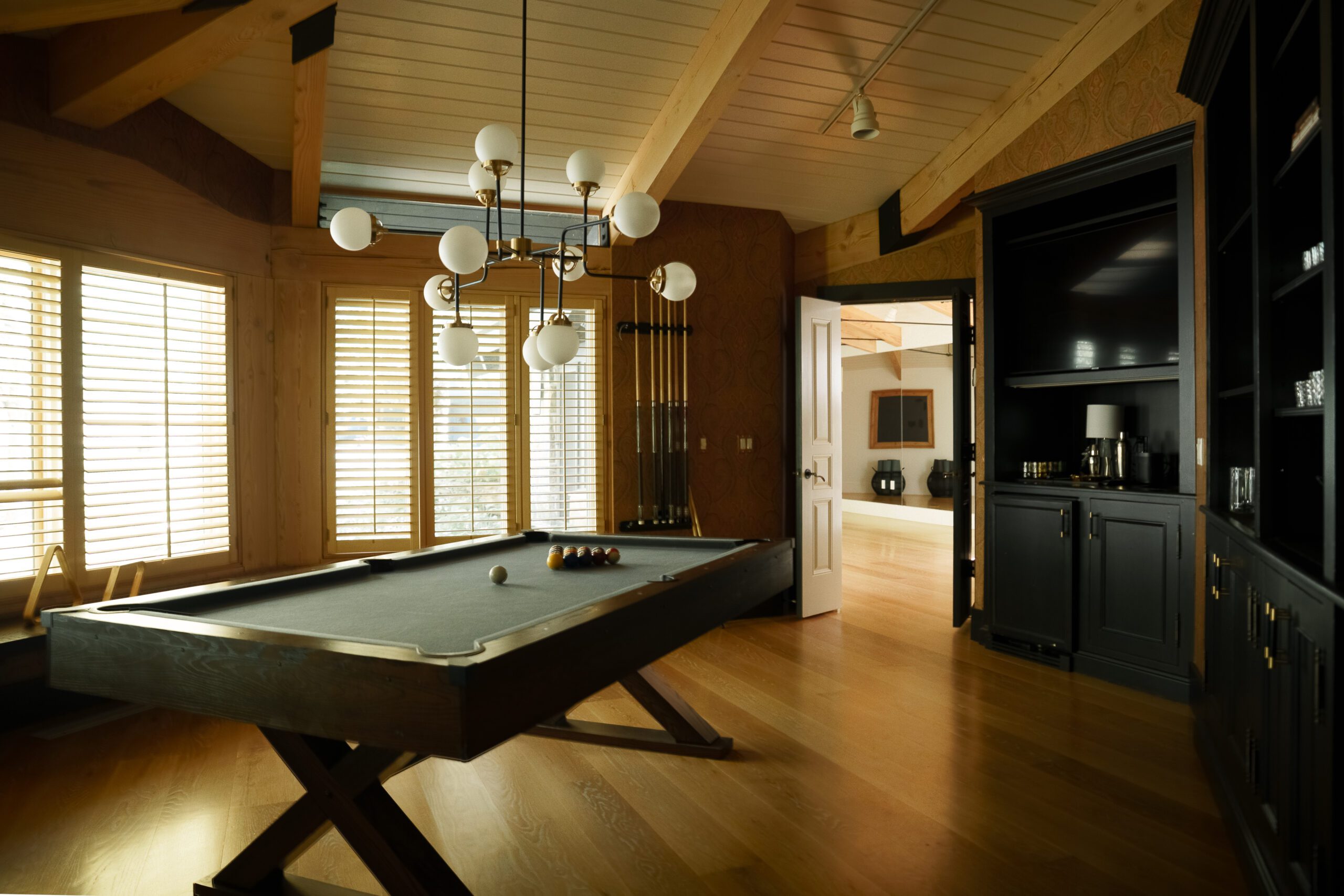
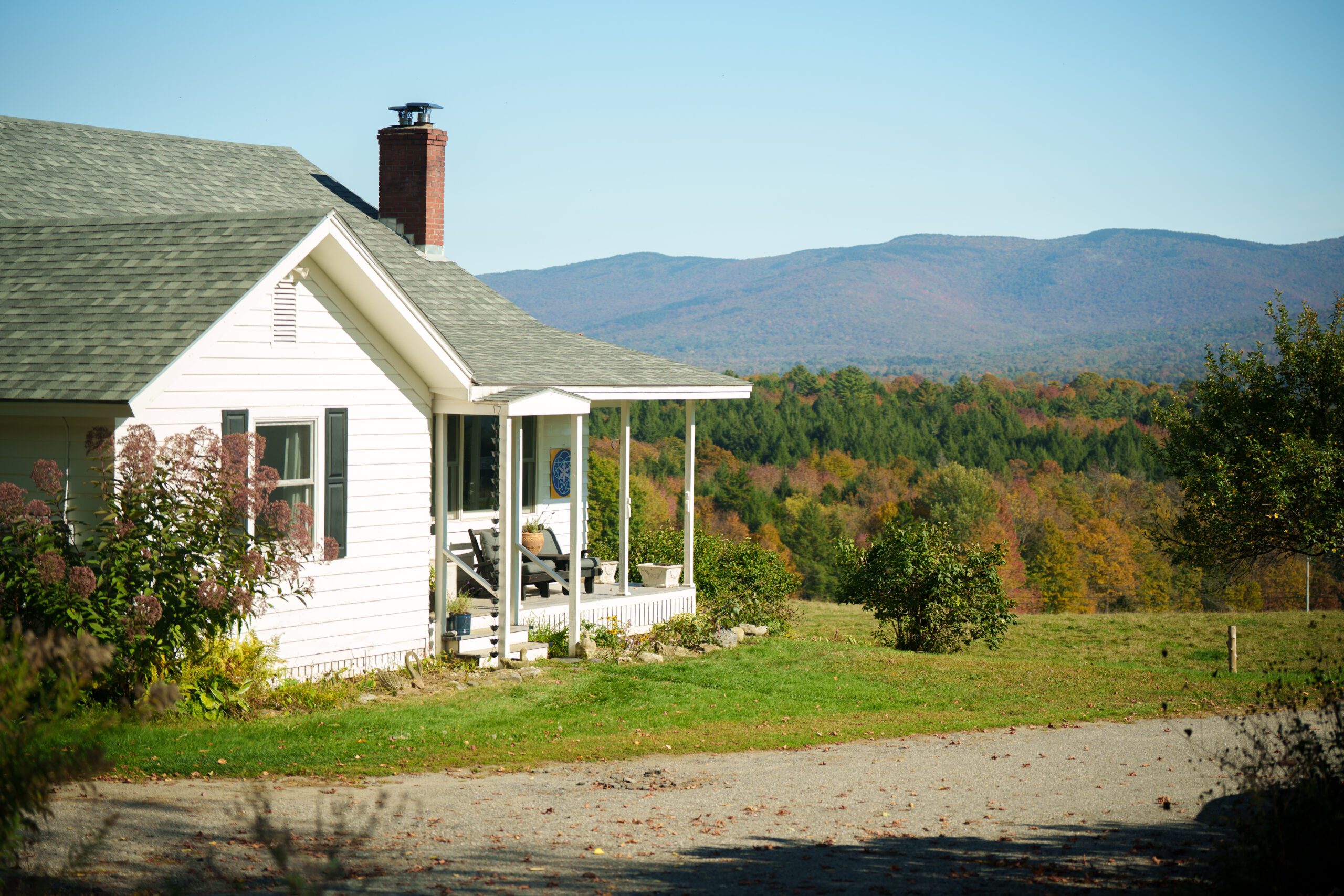
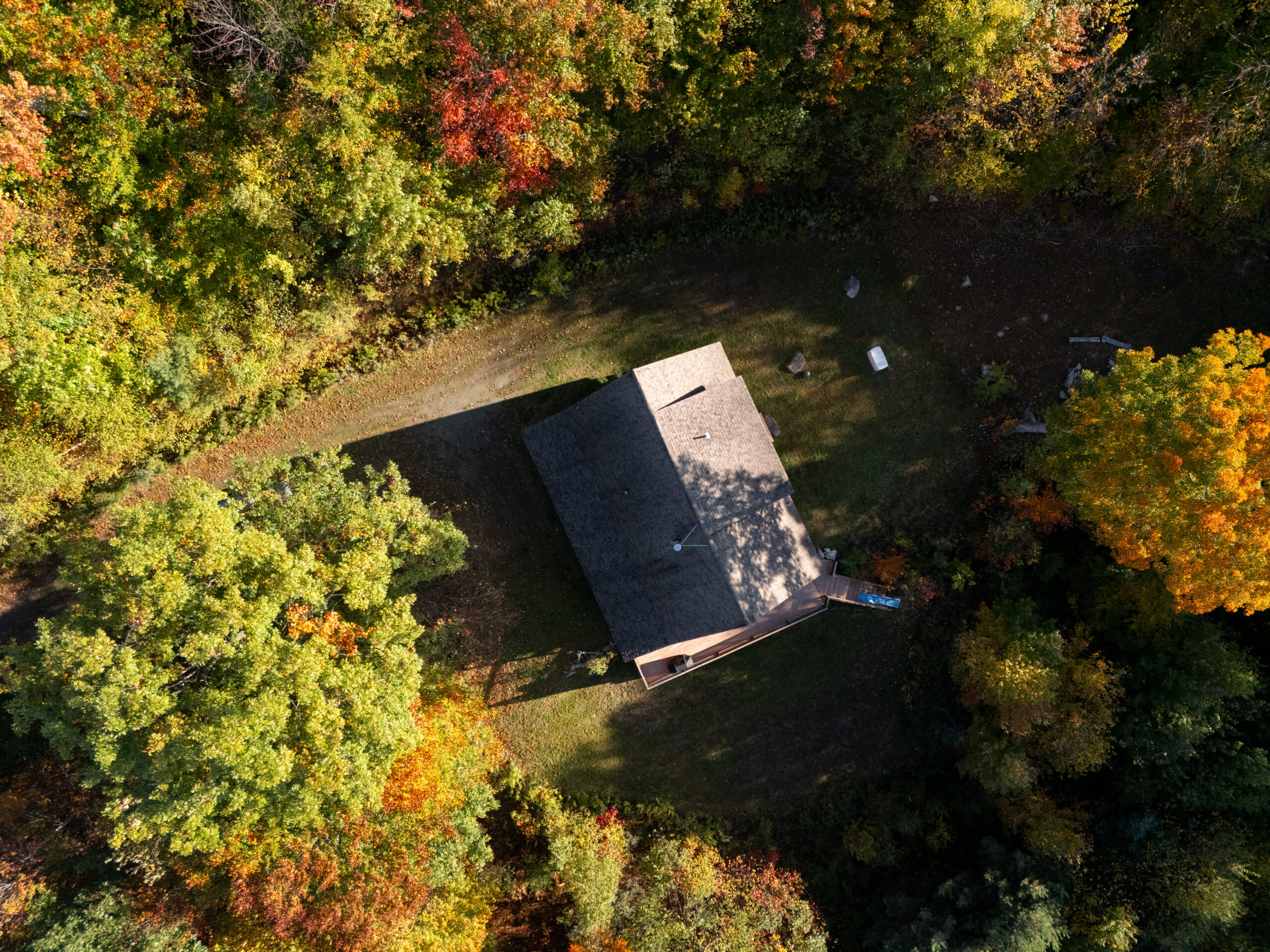
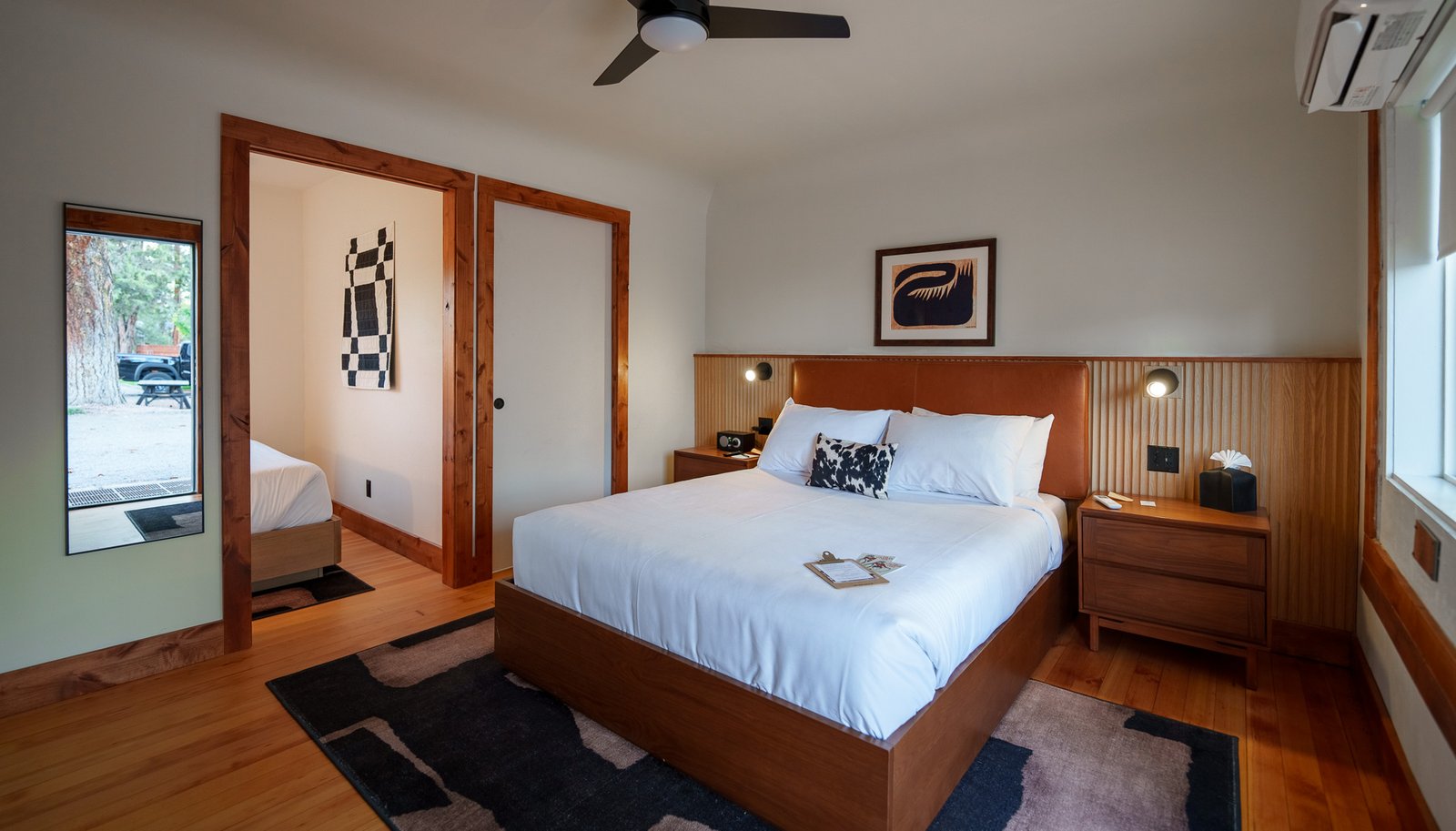
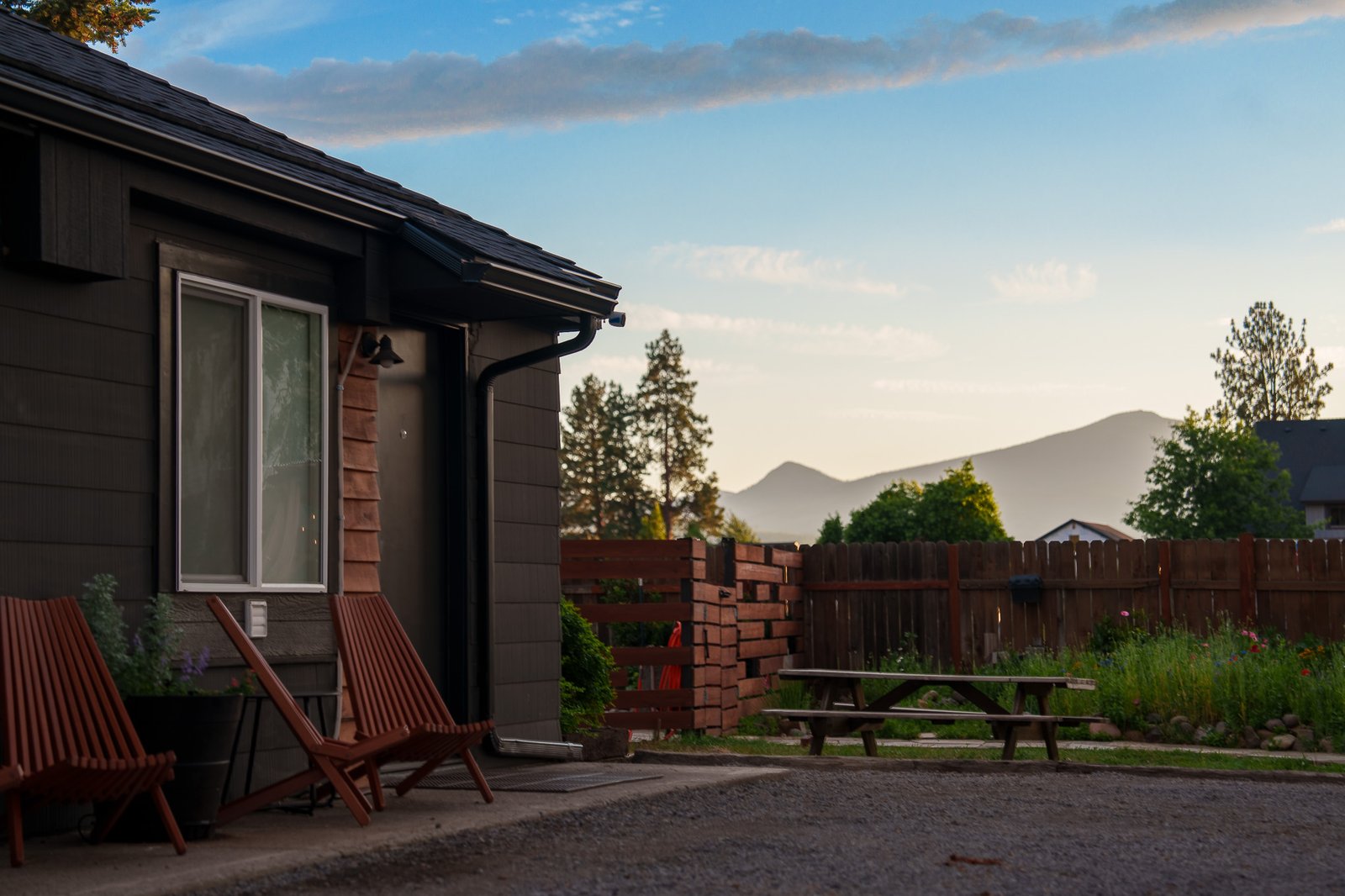
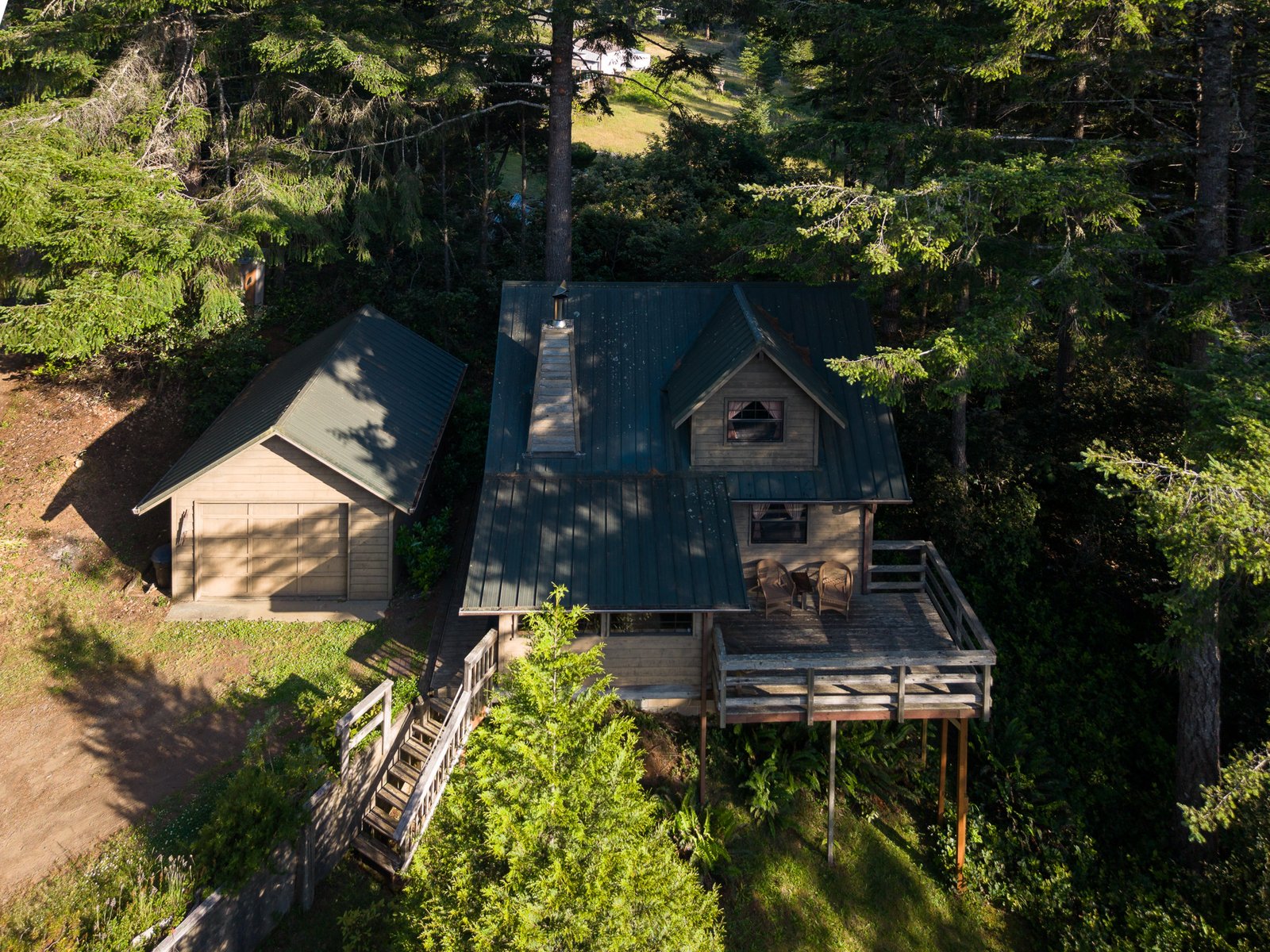
A building is the largest thing most people will ever buy, and it is usually photographed like a spreadsheet.
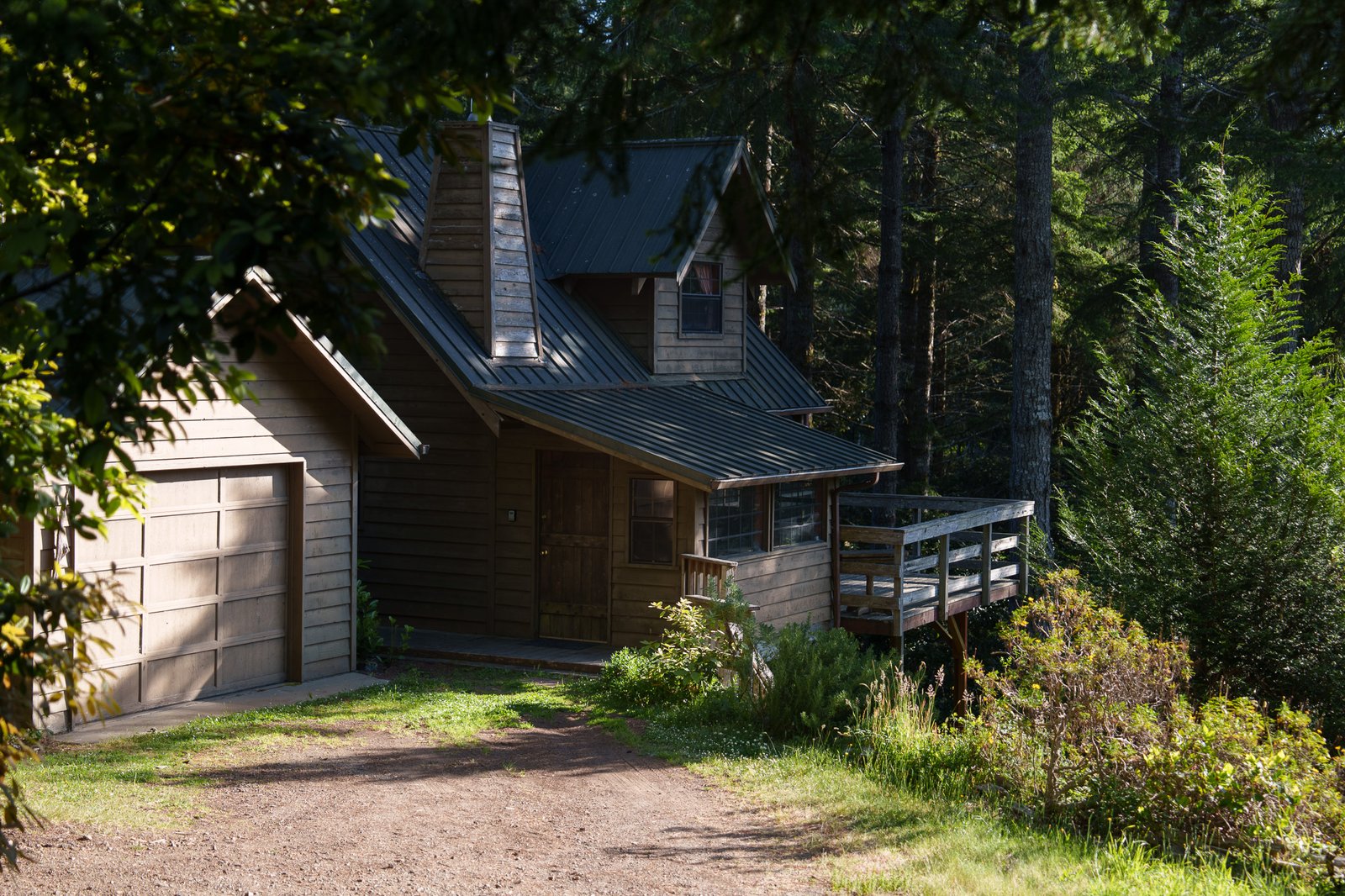
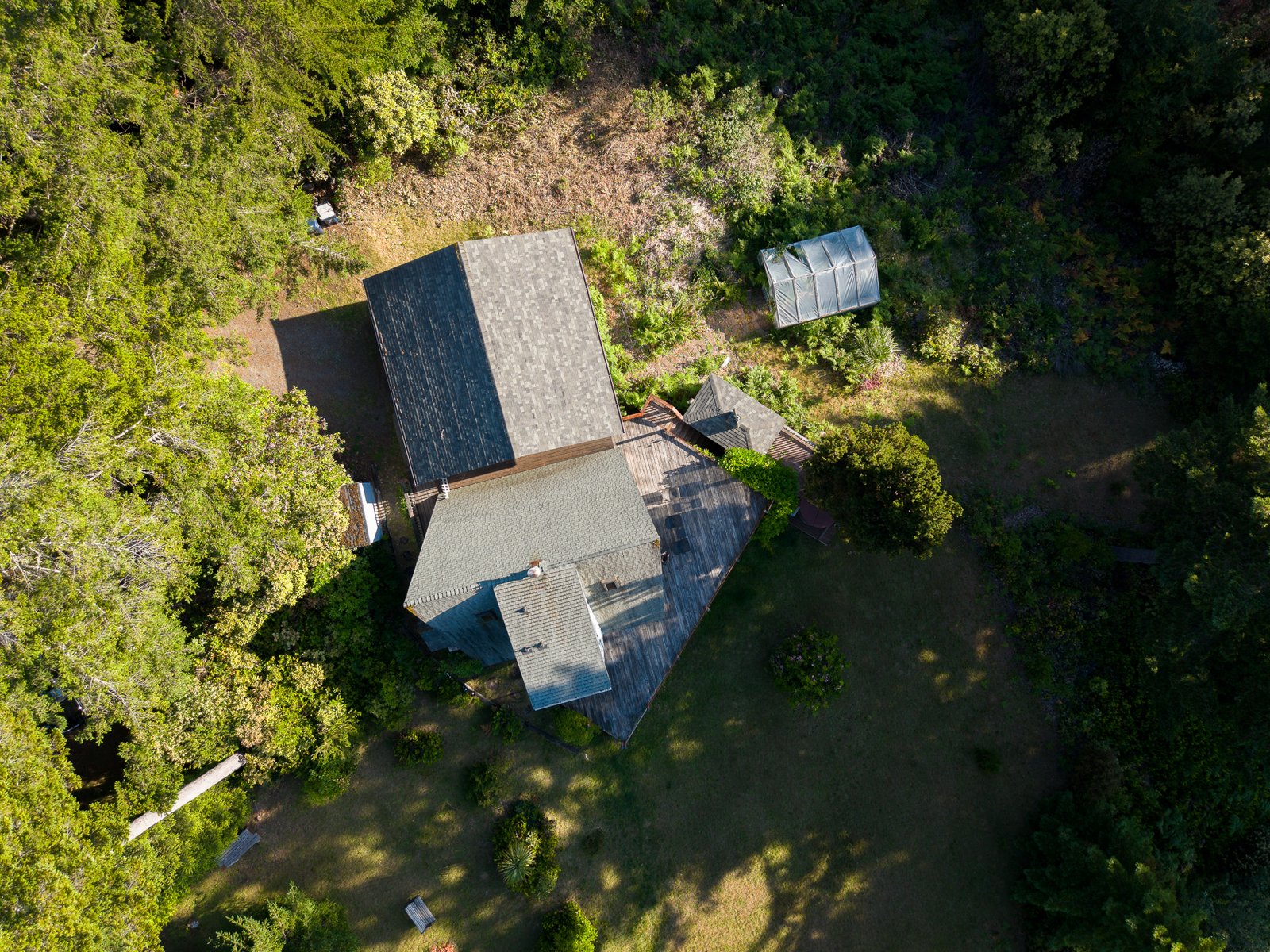
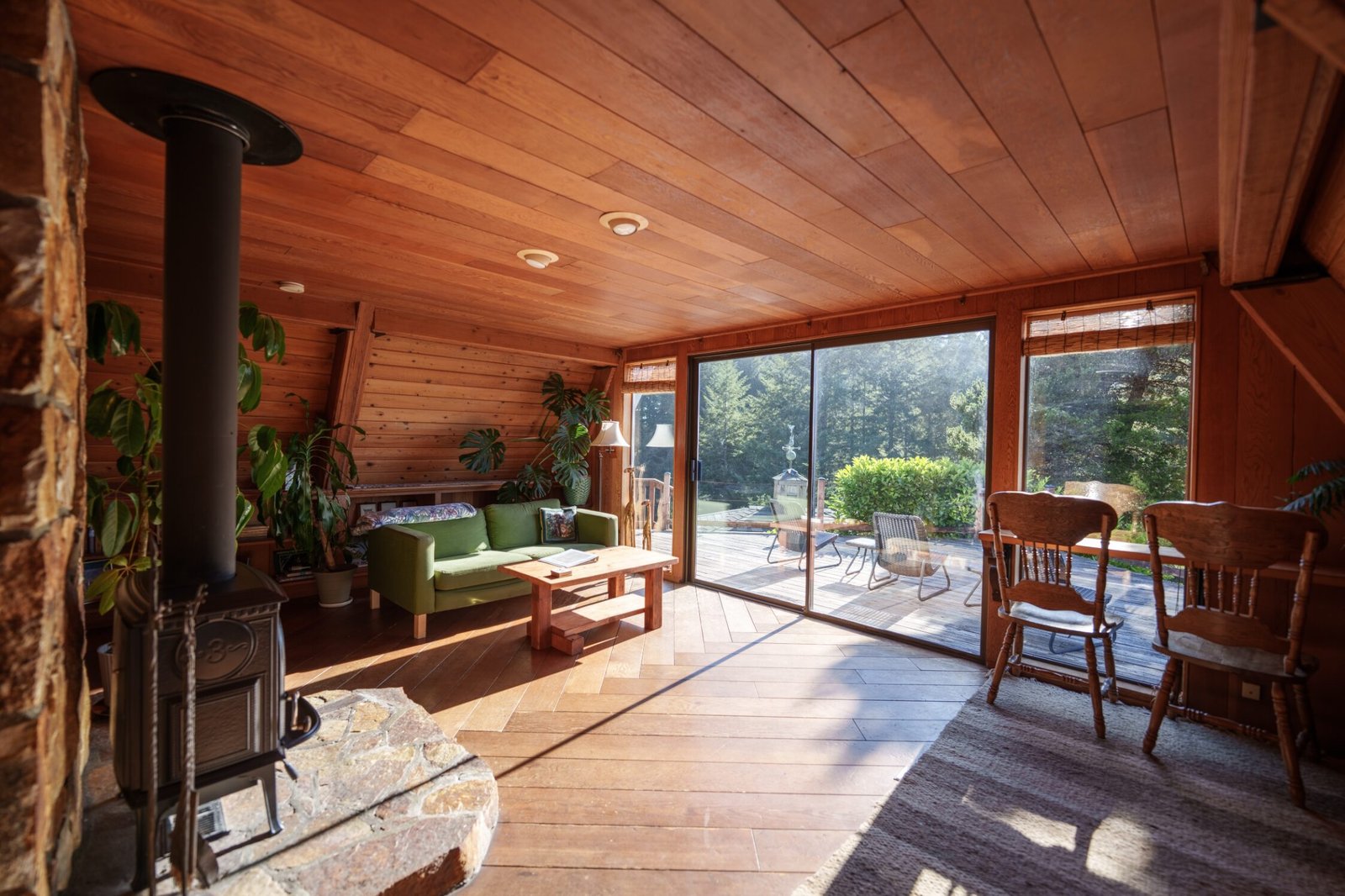
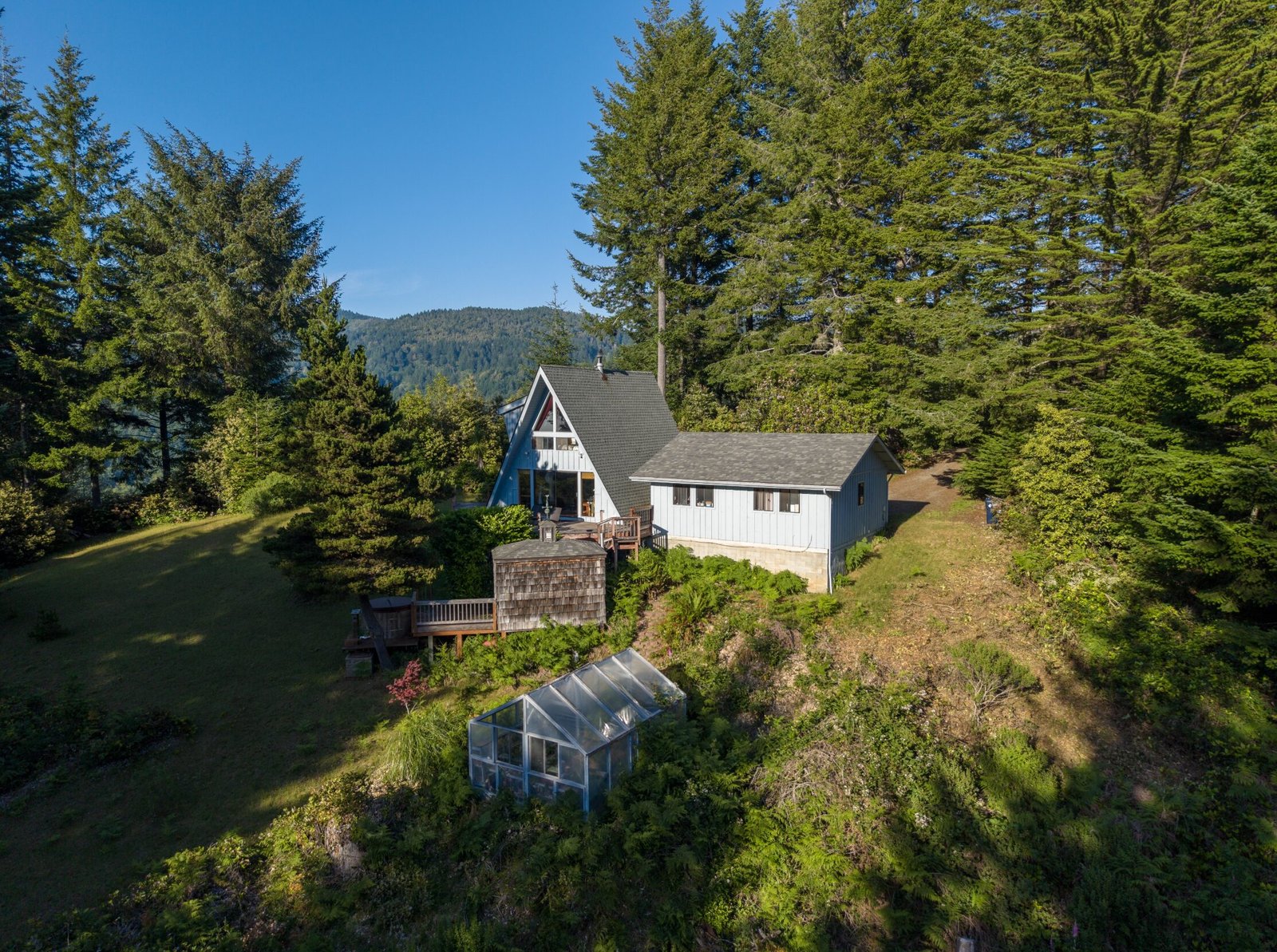
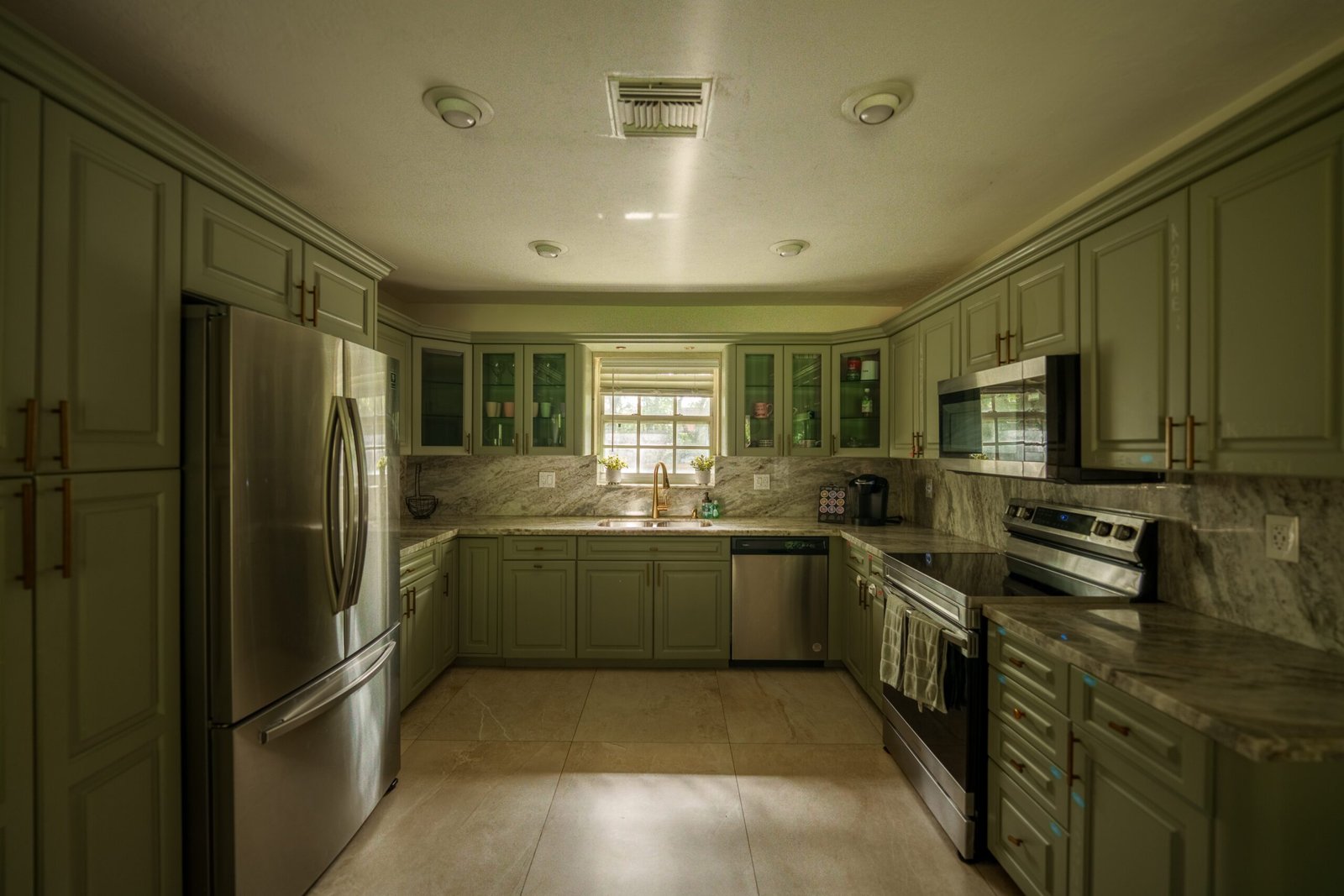
Most real estate photography flattens a place. Wide lens, every light in the house burning, each corner as bright as the next and just as lifeless.
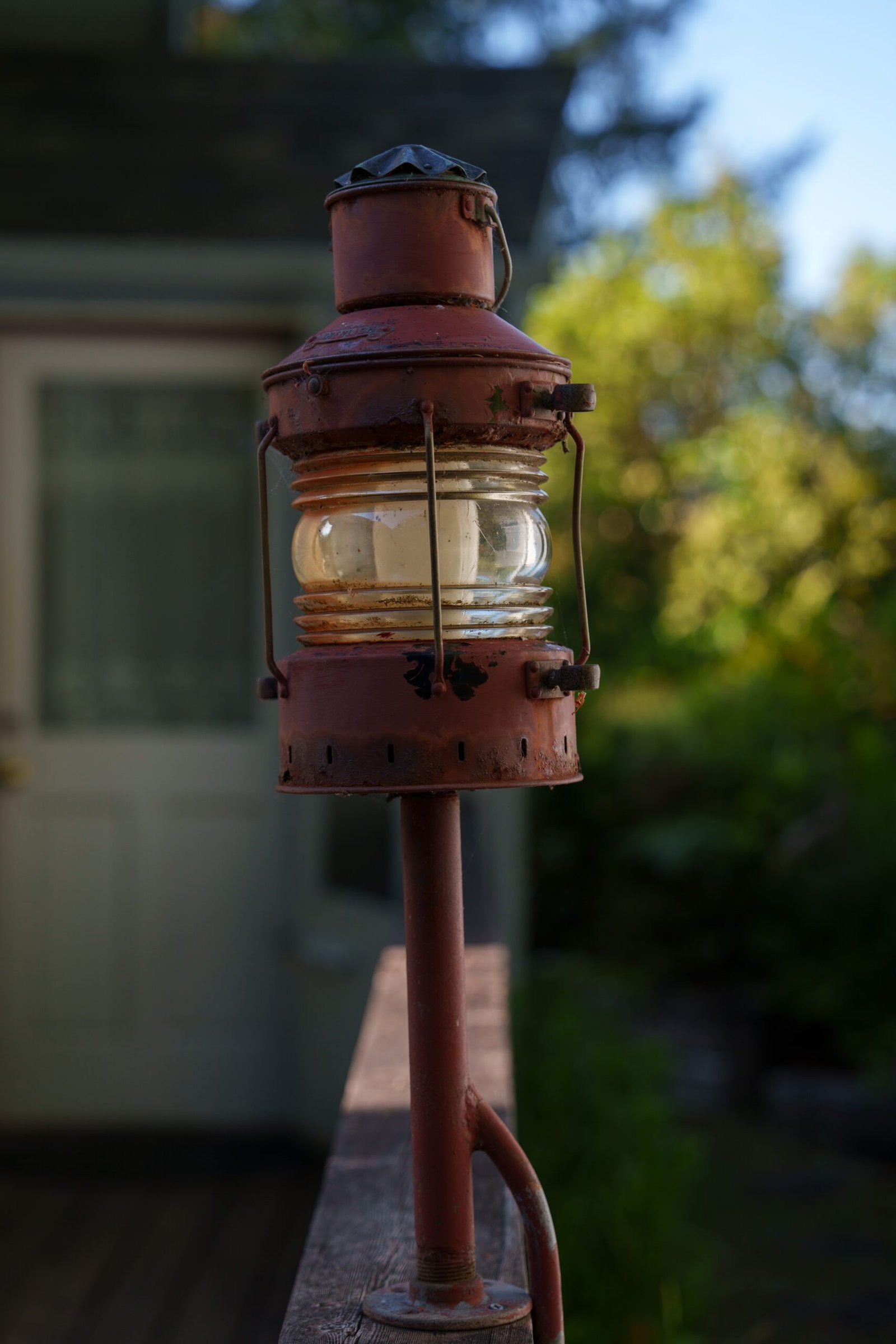
Bigger is not the goal
Making a room look bigger is the wrong target. I understand the pull of it, and I think it costs you. A buyer who walks in expecting the photo and finds a smaller room has already started subtracting, and they subtract from everything else in the house too.
What sells a place is legibility: how the rooms connect, where the light lands in the afternoon, what you see from the sink. A photograph that answers those questions honestly is doing more work than one that inflates the square footage. Size is the thing a buyer can measure for themselves.
The hour before I arrive
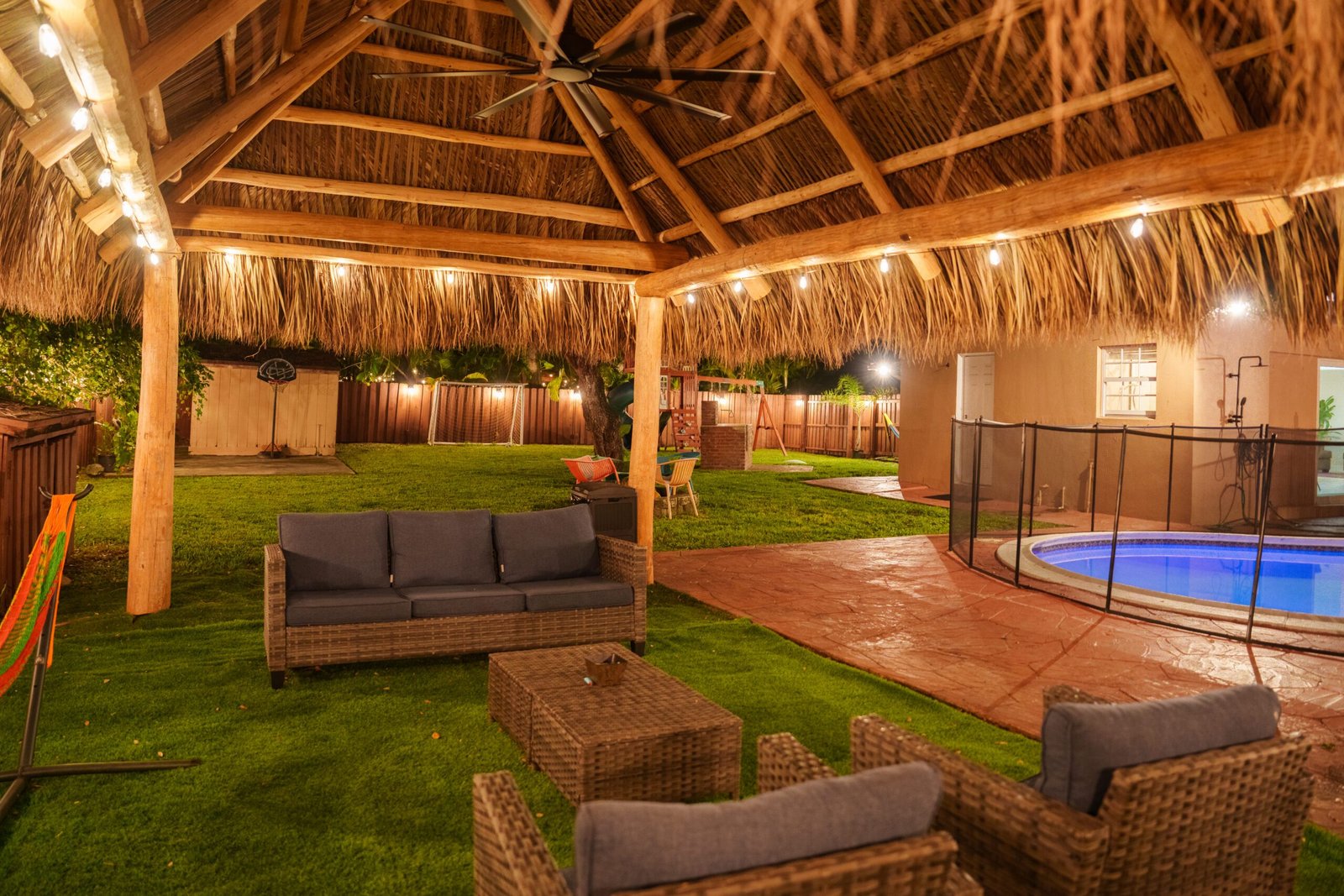
The hour before I arrive decides more than anything I do after. Counters cleared down to one object. Cars off the driveway and out of the street view. Cords, mats, bins, hoses, the skimmer, the magnets on the fridge, all of it put away. Blinds set to the same angle in every room. Lids down.
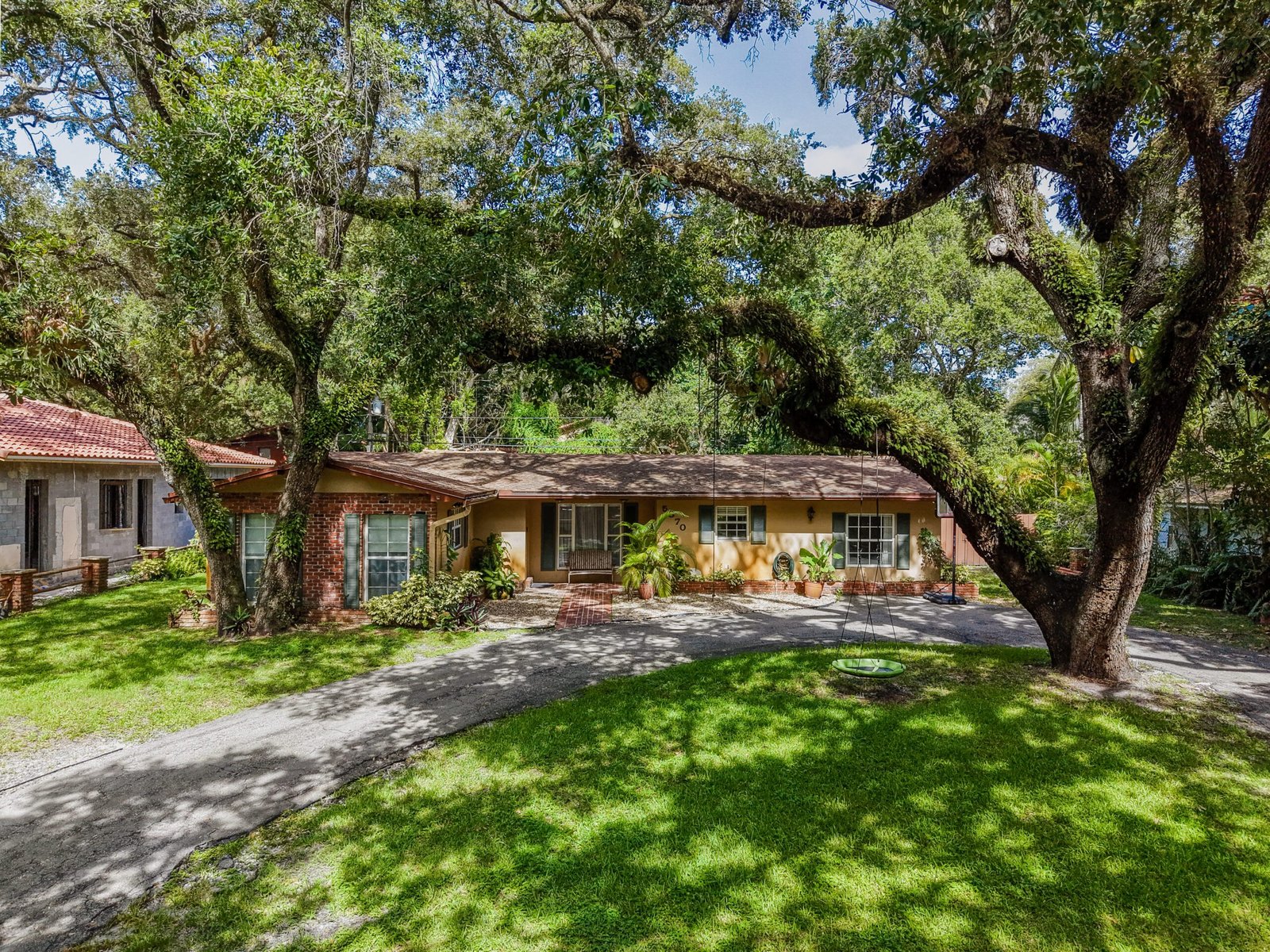
Then orientation. A west-facing pool deck and an east-facing kitchen do not want the same hour of the day. Which way a house faces sets the order the rooms get photographed in, and that order is not negotiable with the sun.