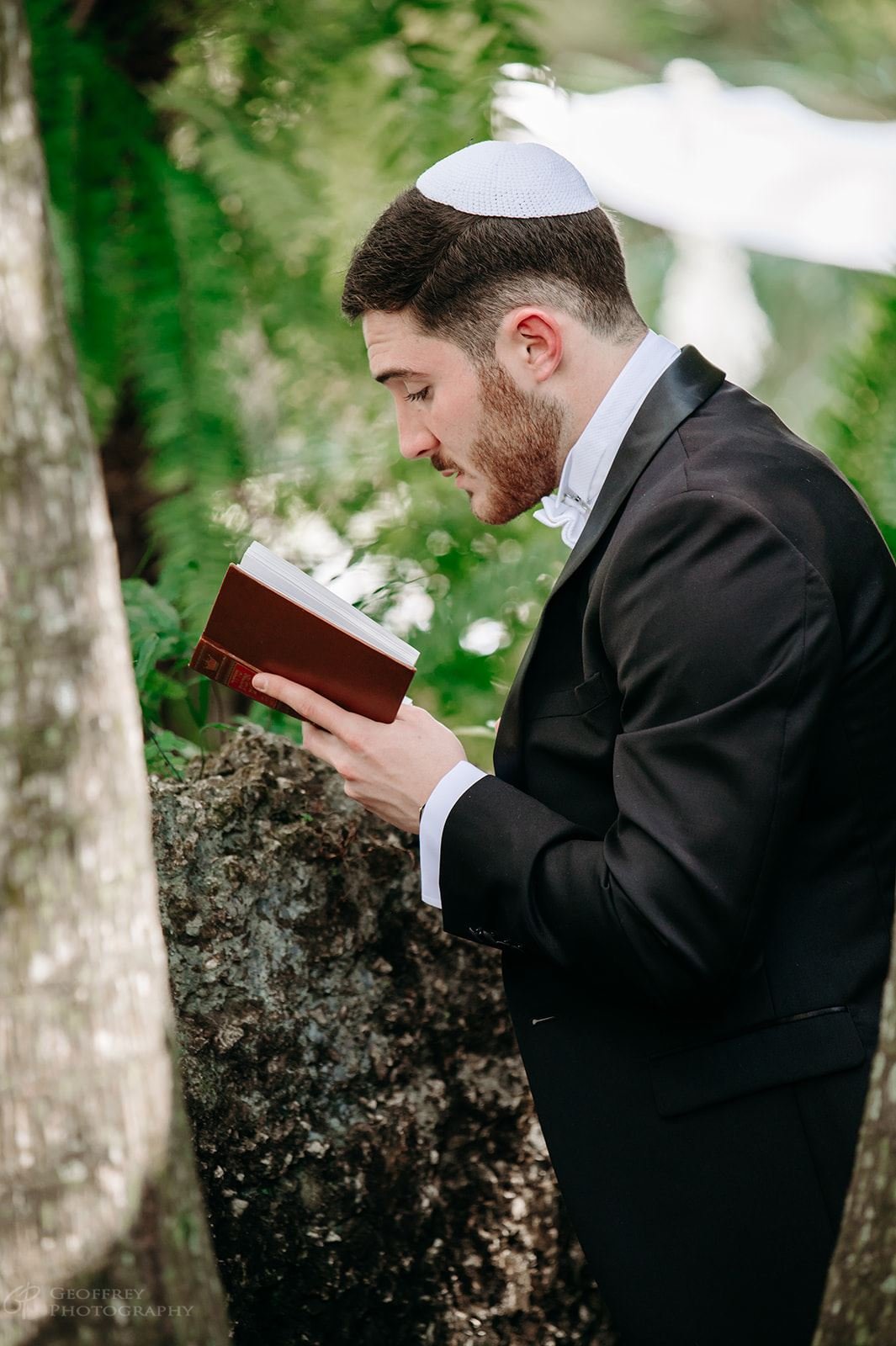
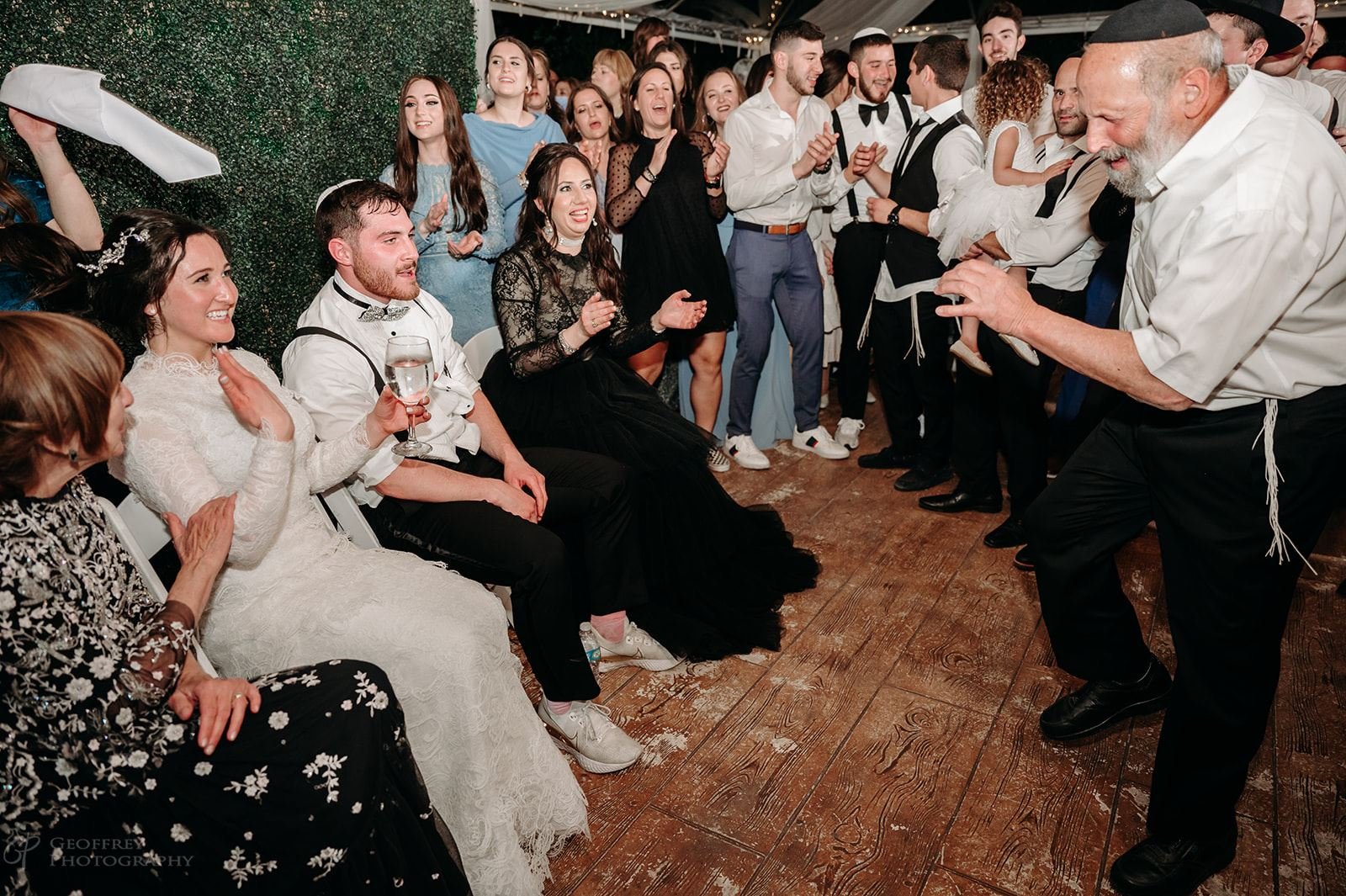
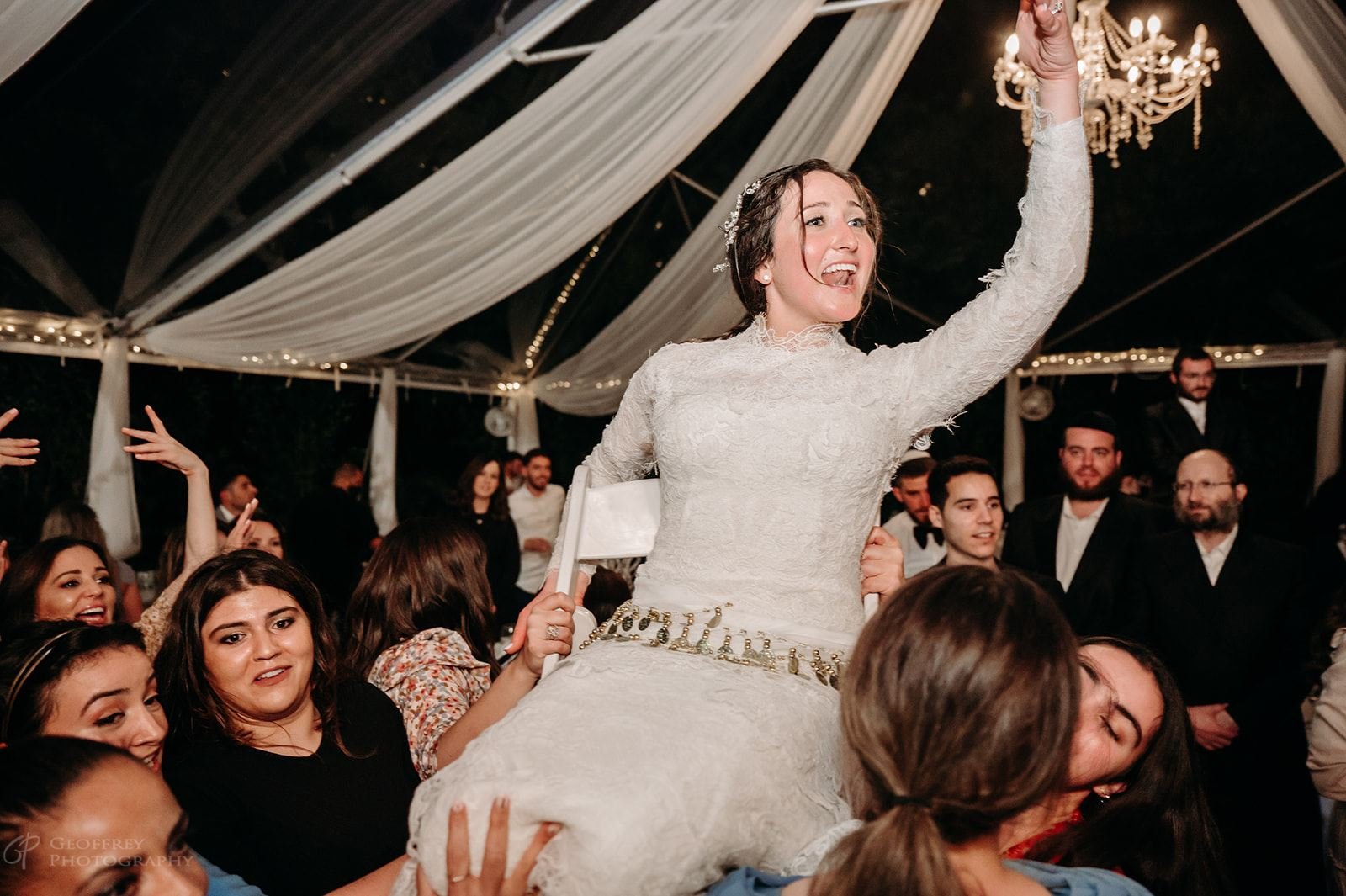
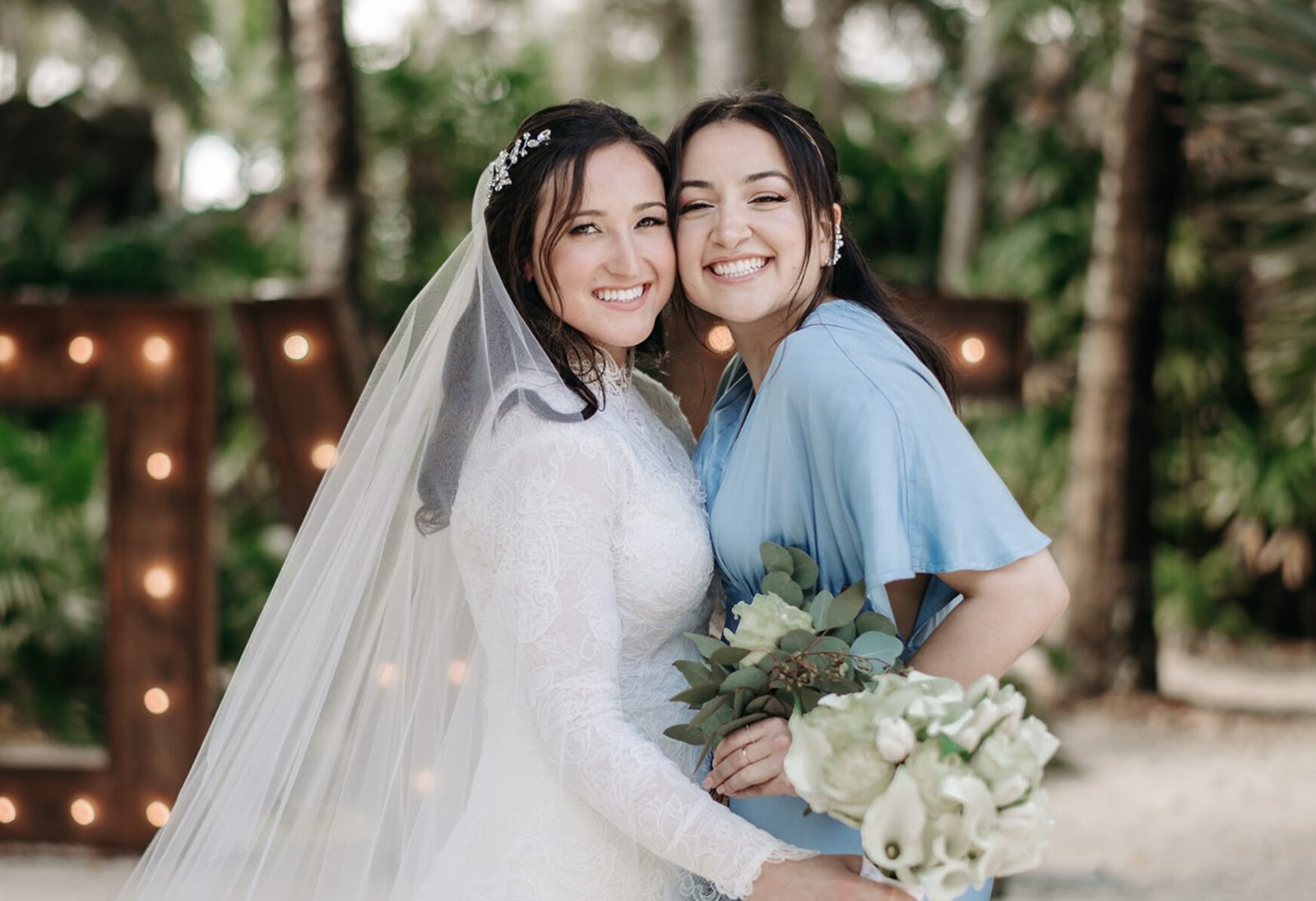
The day, the way it actually felt. I shoot close when it matters and disappear when it doesn't, no endless posed shot-list while the light goes. What you get back is the vows, the details, and the thirty seconds nobody knew I caught.
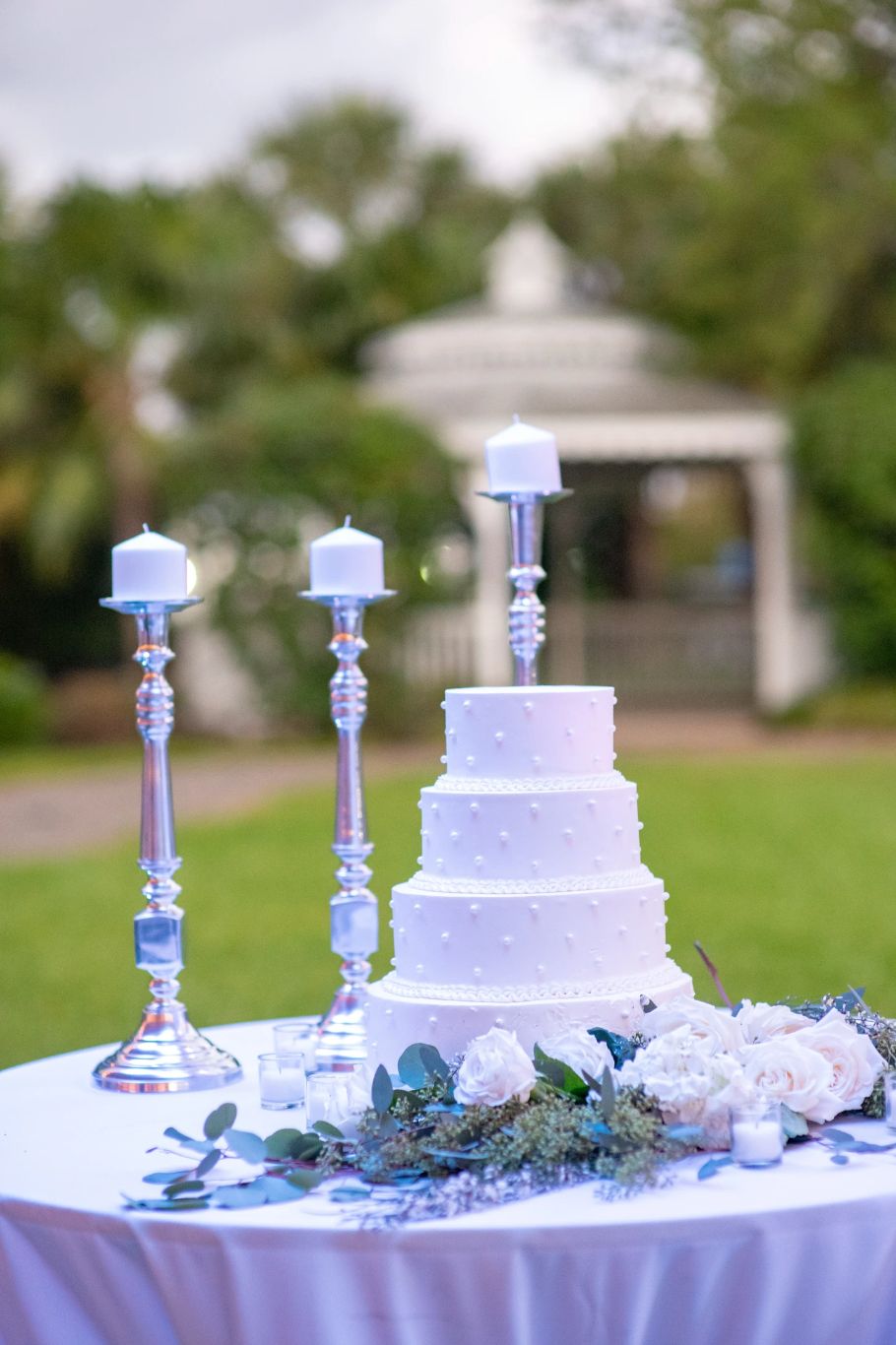
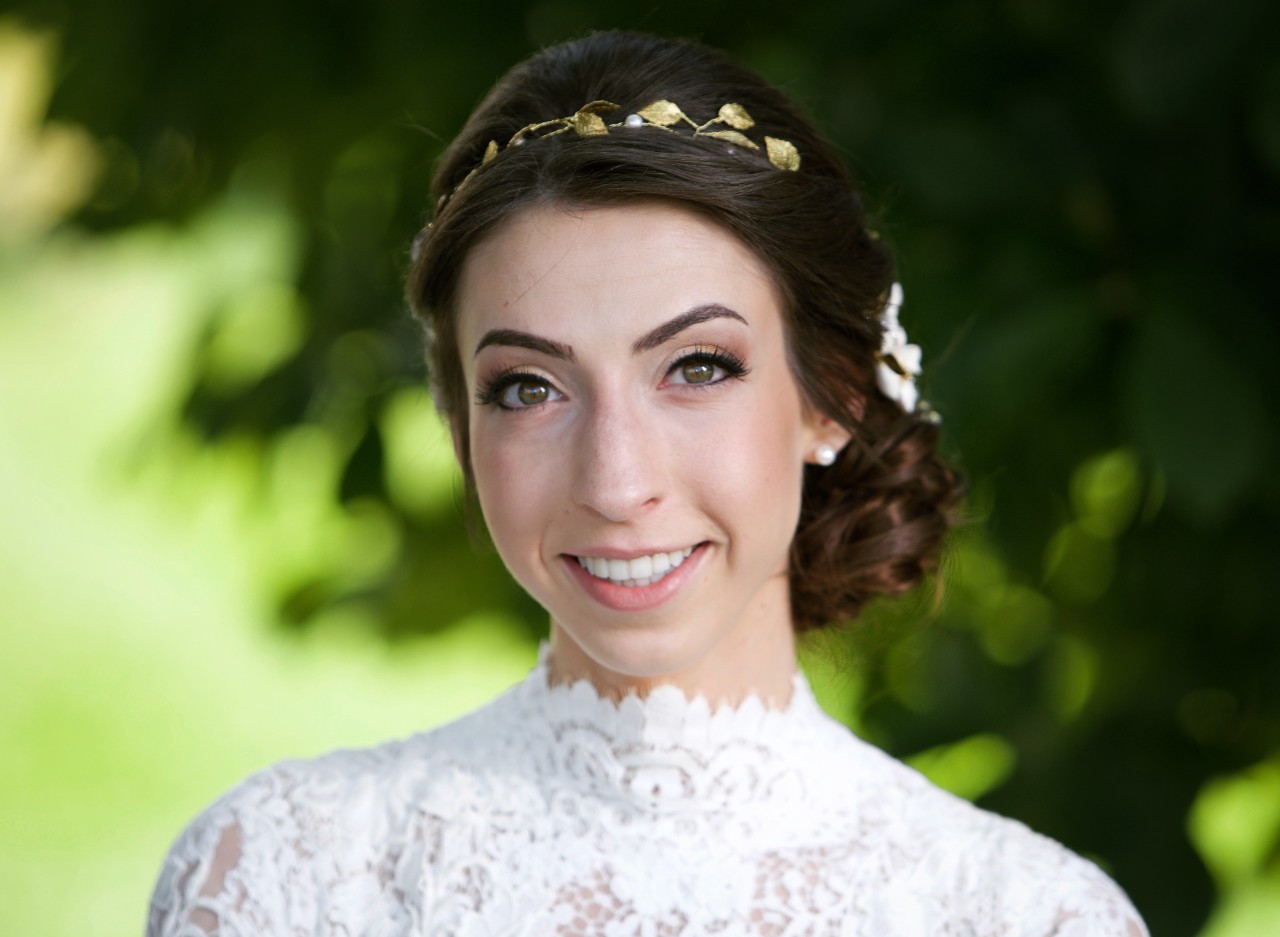
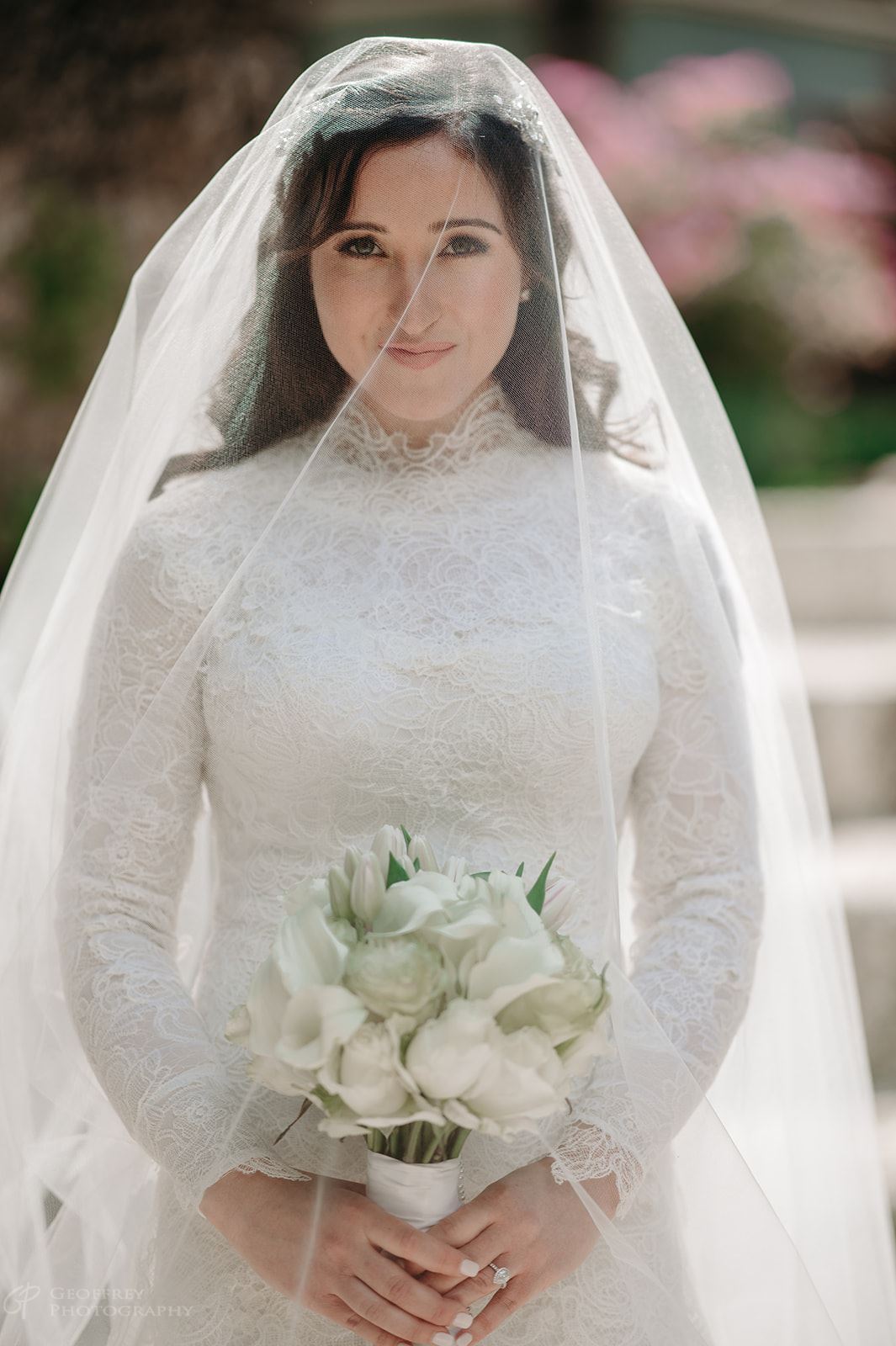
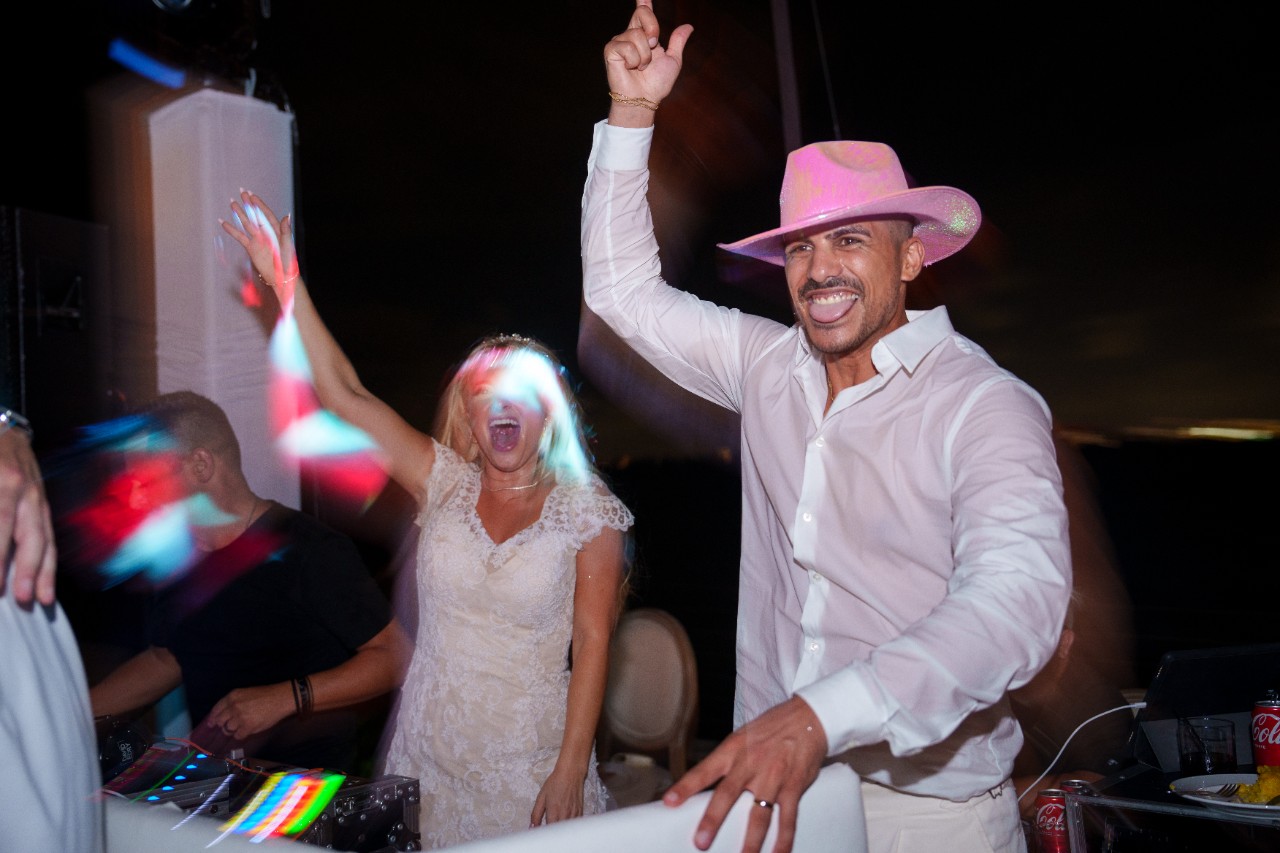
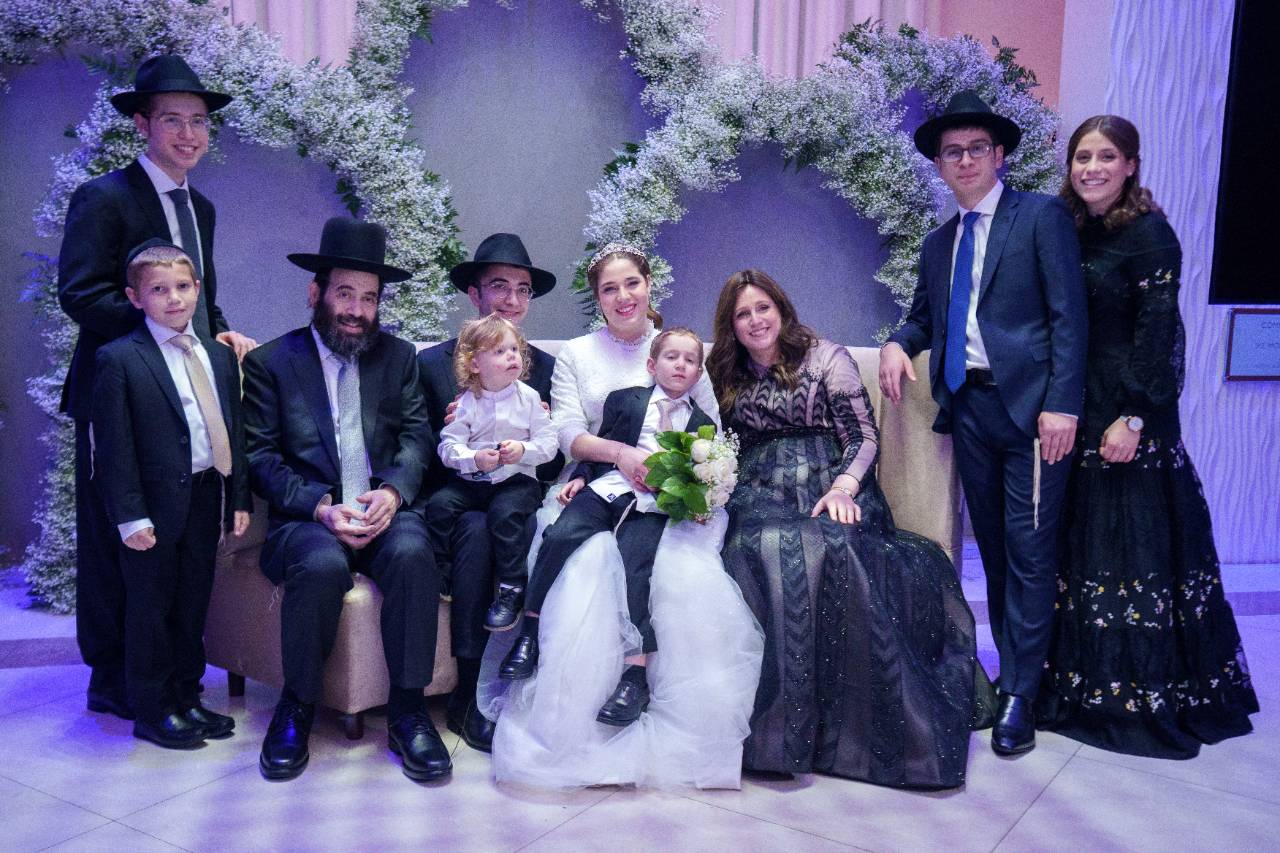
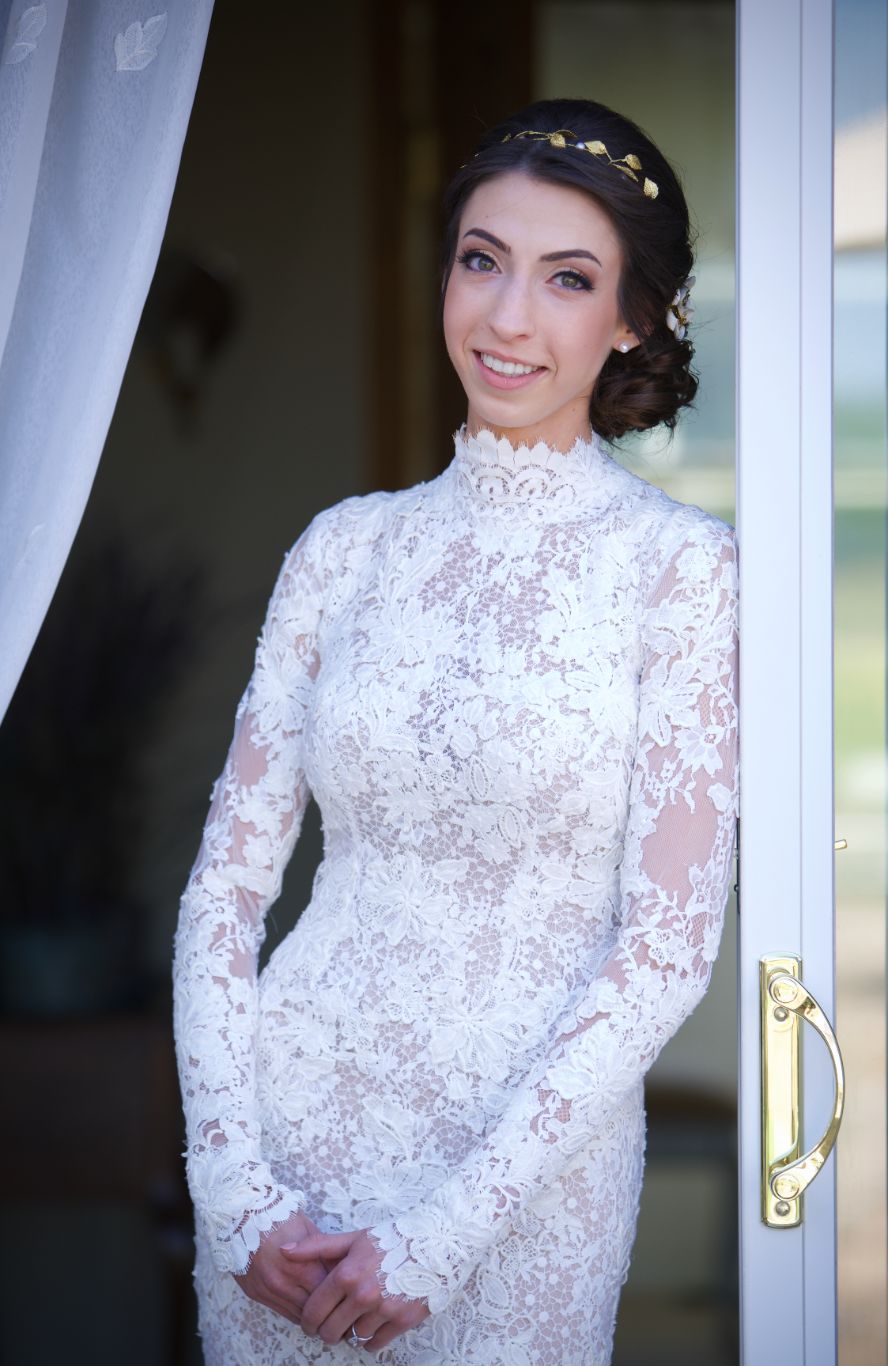
A grey afternoon stays grey rather than being graded into a sunset that never happened. Years later nobody remembers how the photos were edited.
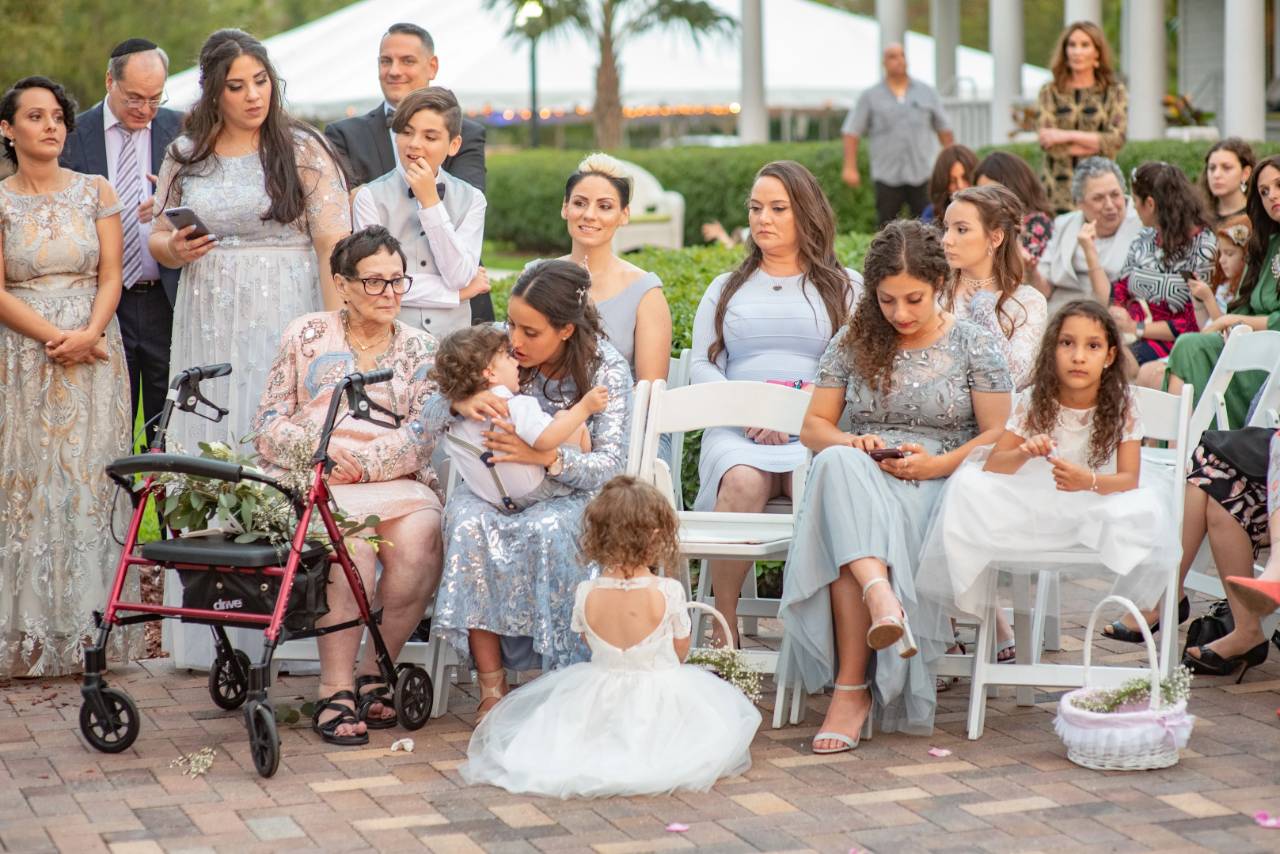
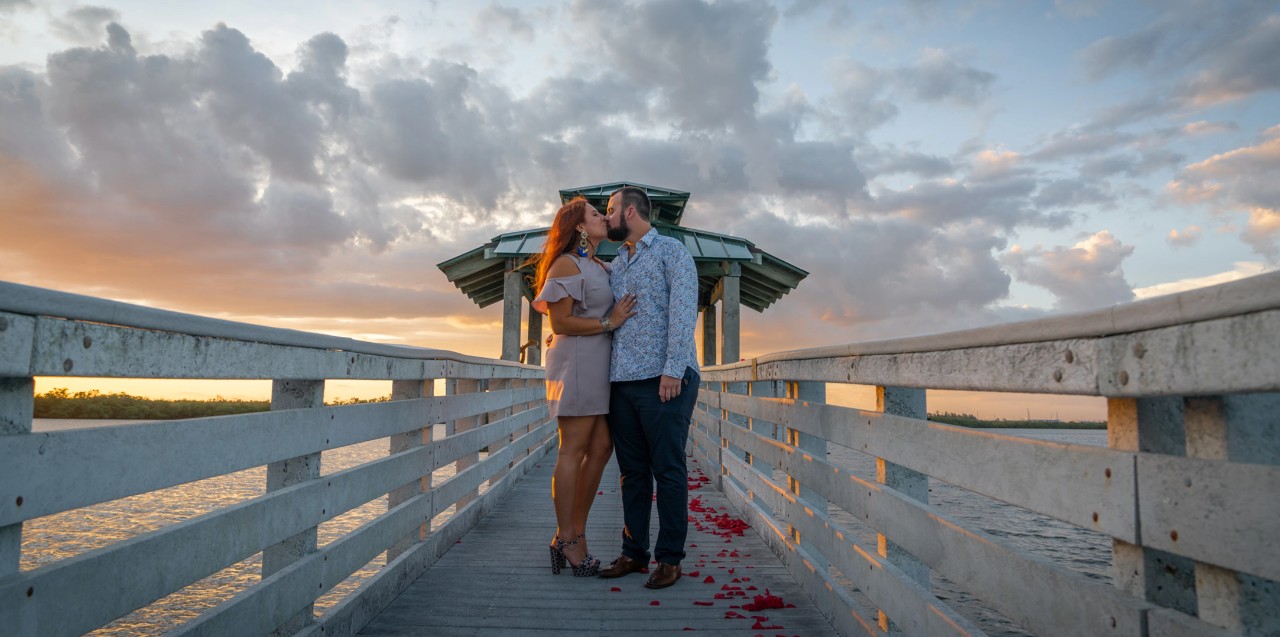
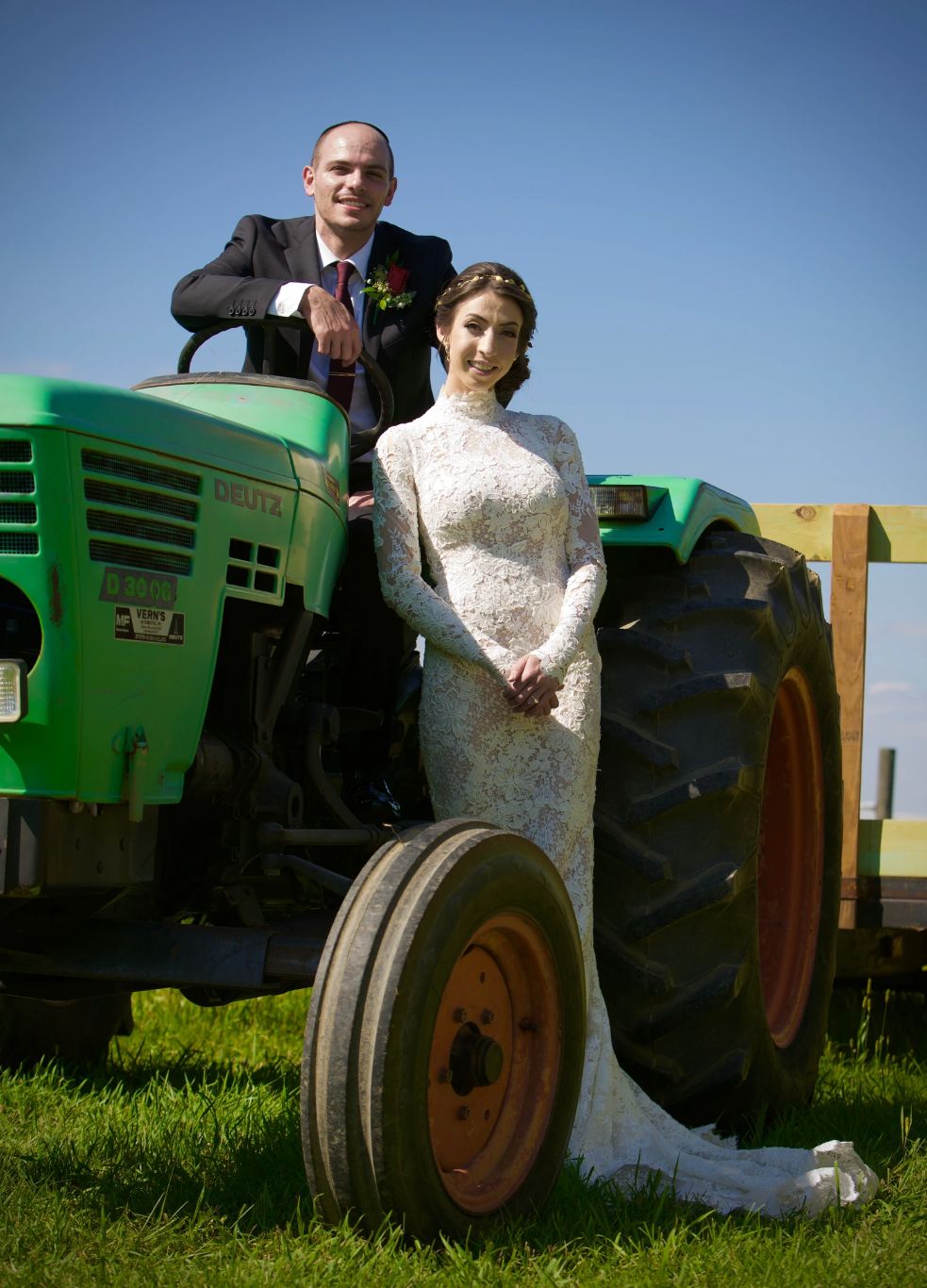
A wedding gives you a handful of moments that cannot be repeated and several hours that can look after themselves, and the craft is knowing which is which while it is happening rather than afterward. I read rooms ahead of the beat: watching the mother of the bride instead of the bride, because her face tells you what is about to land.
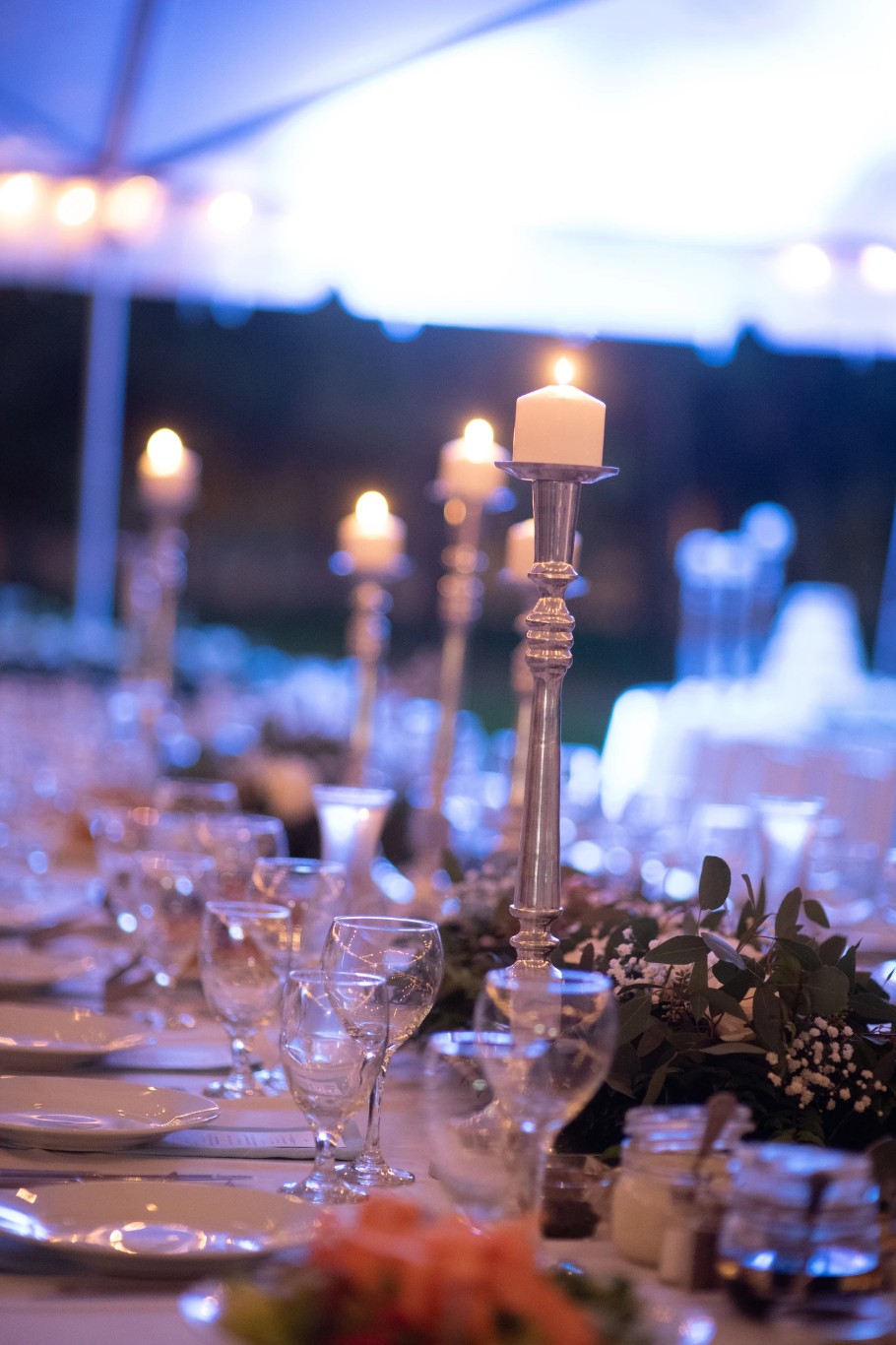
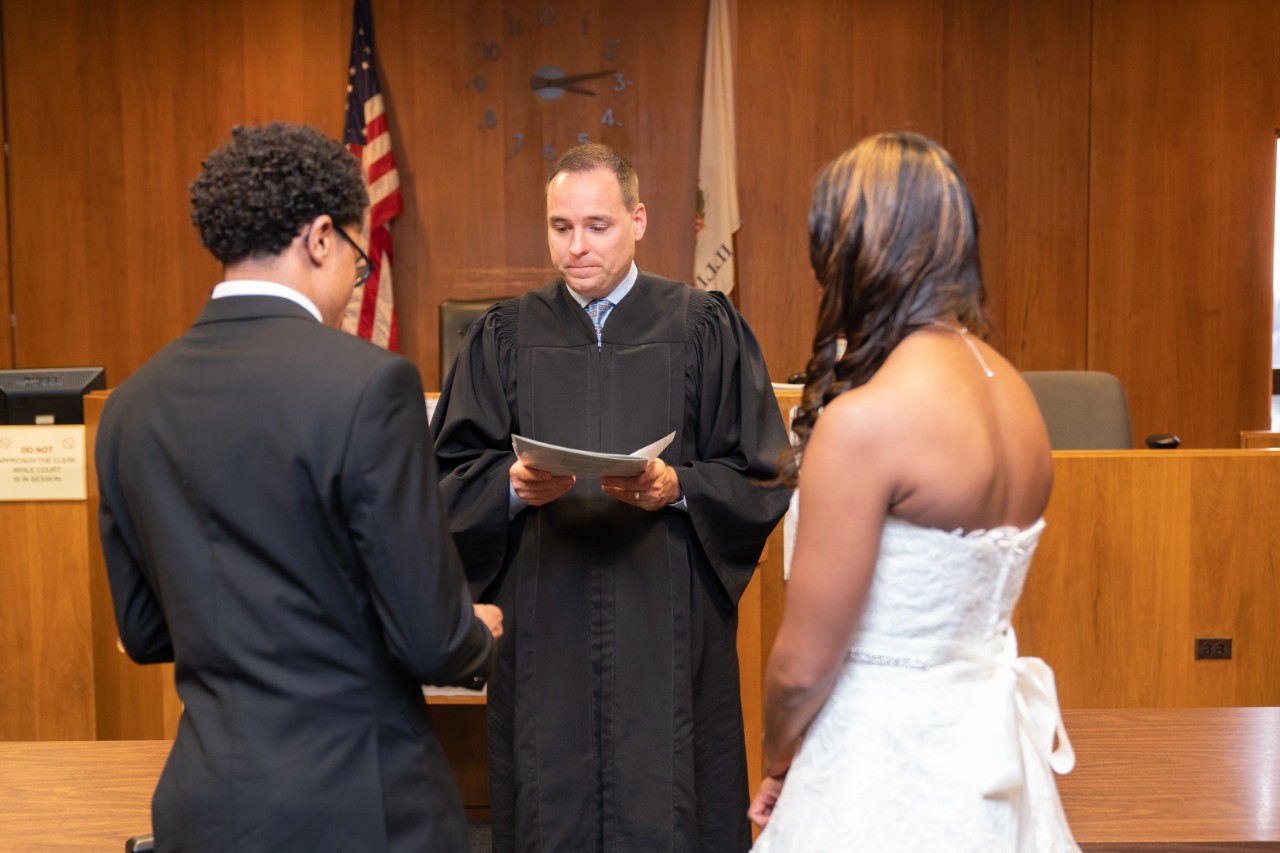
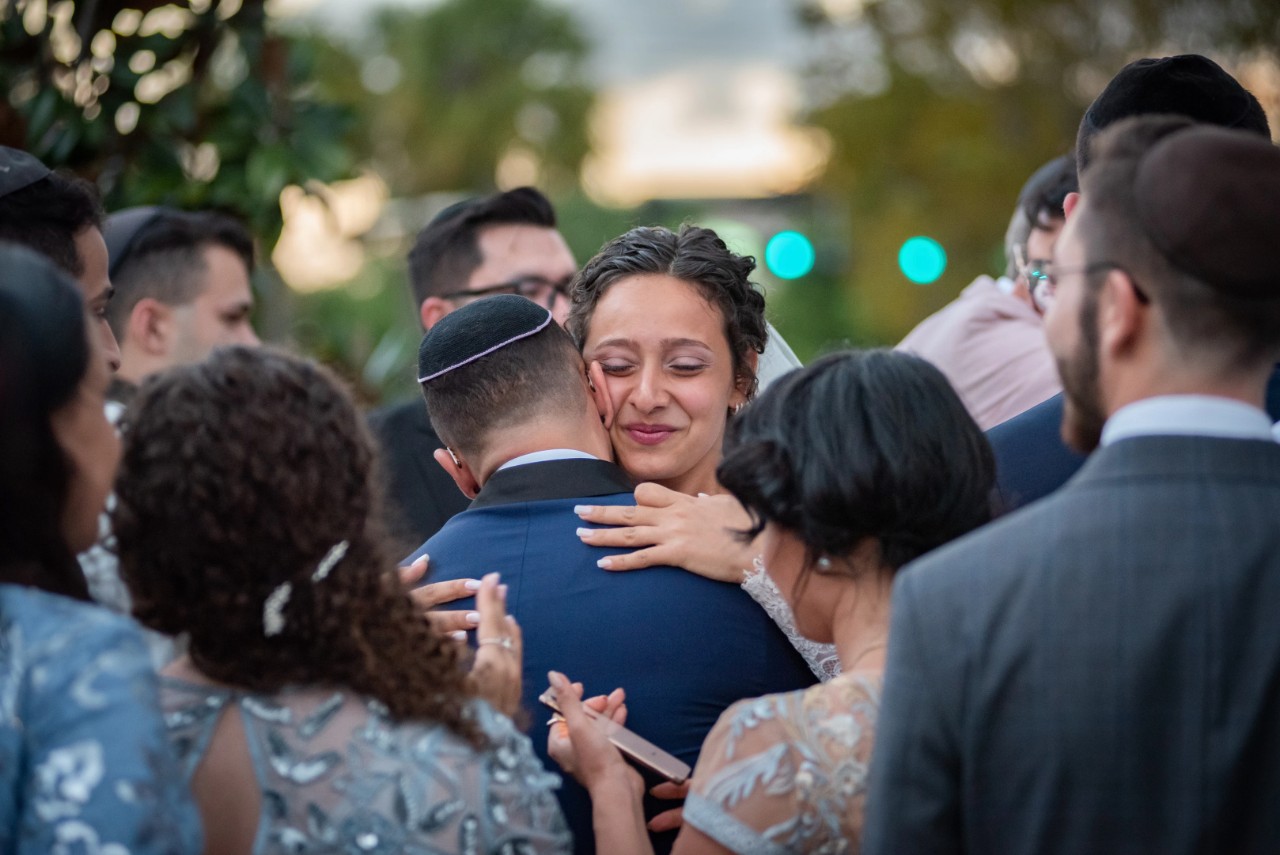
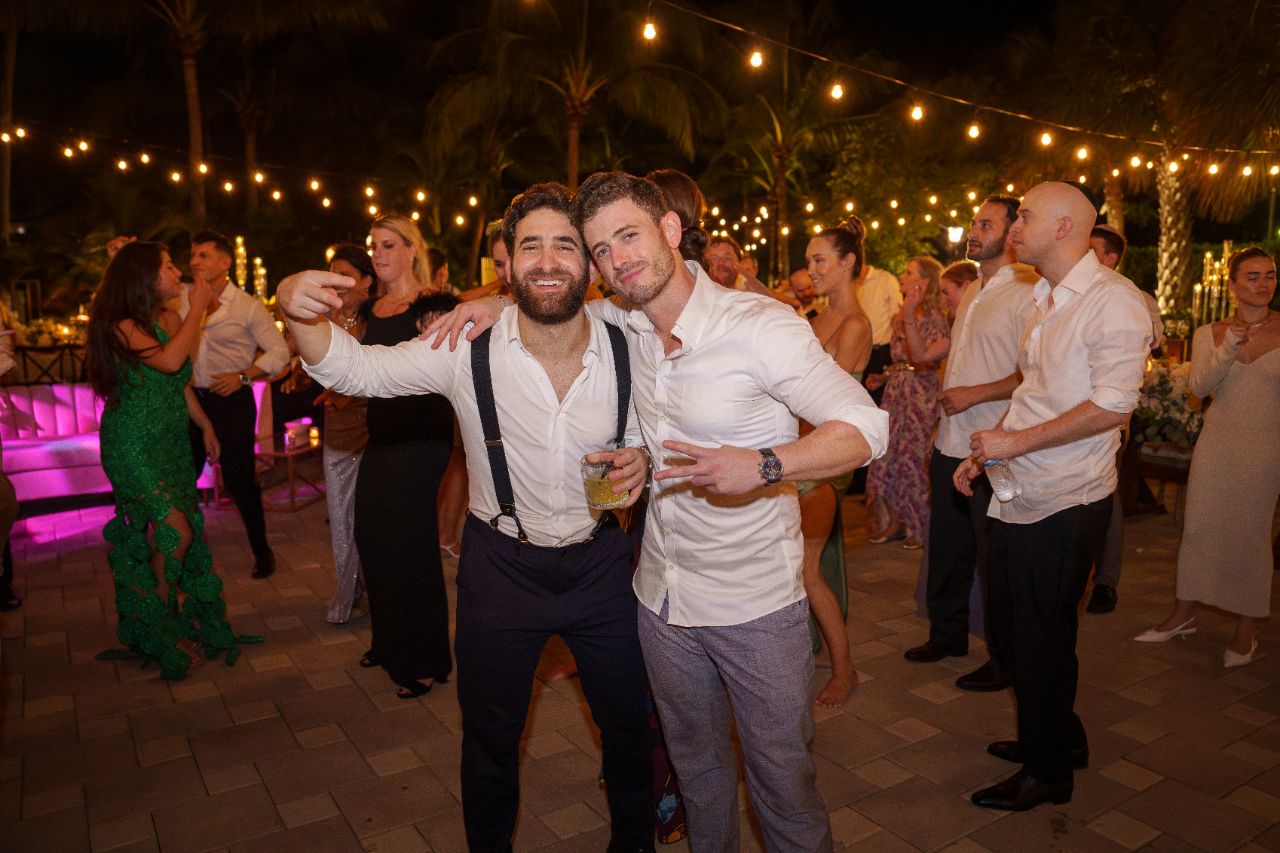
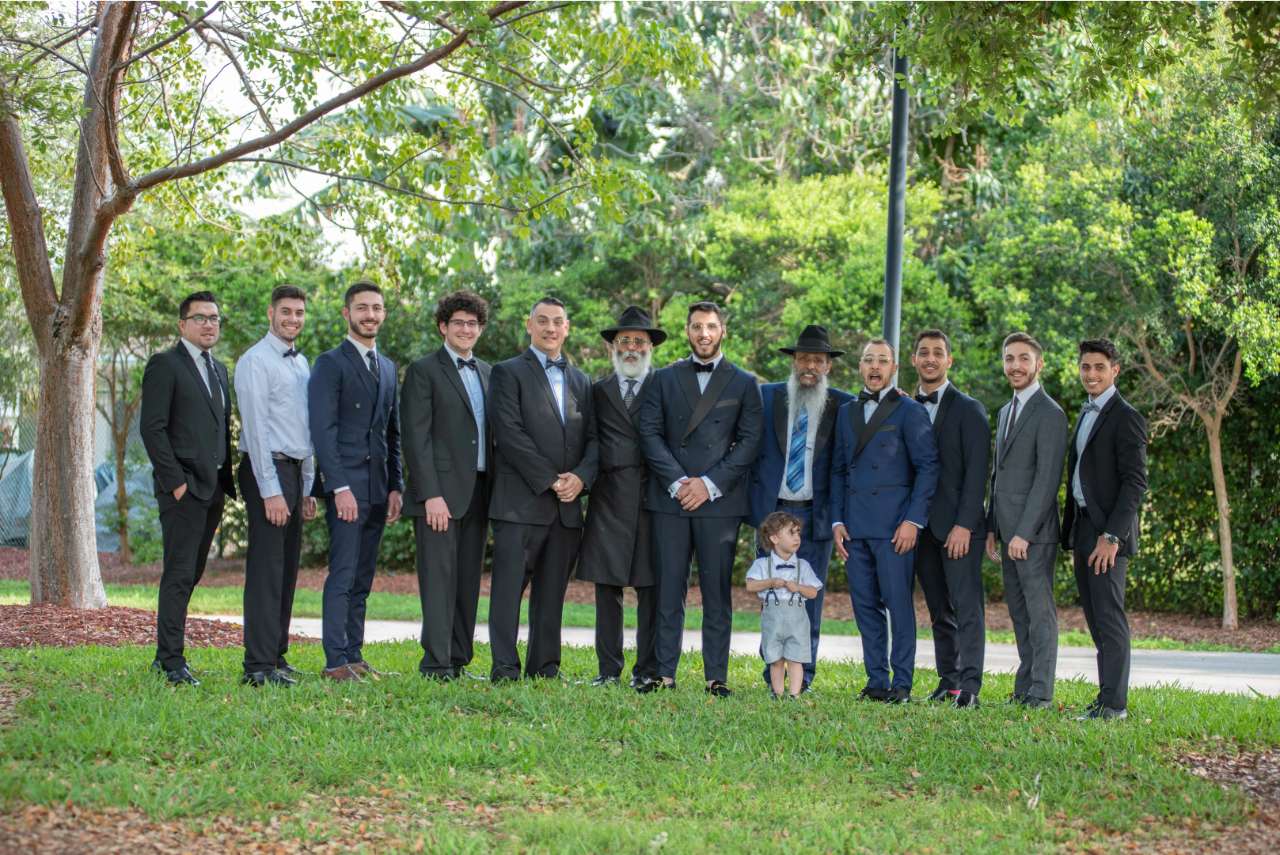
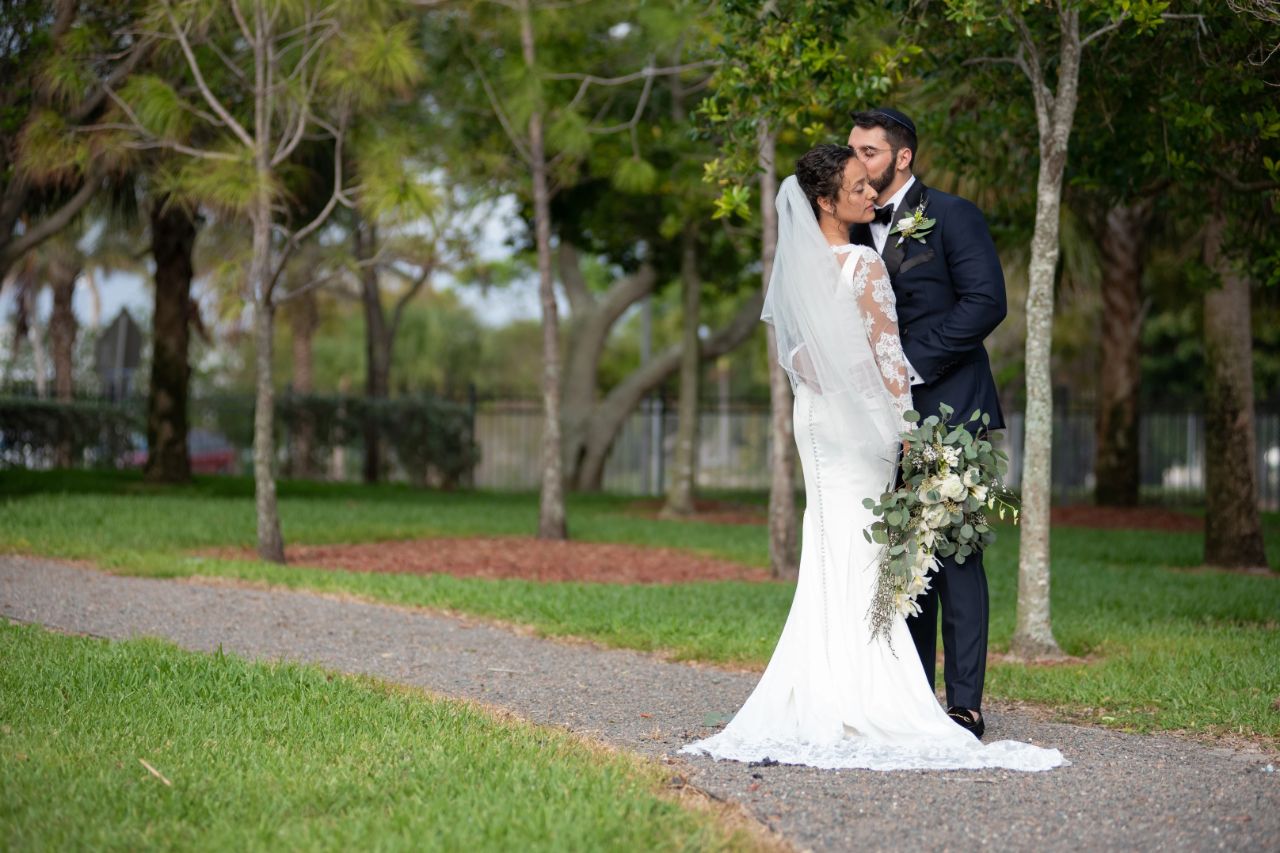
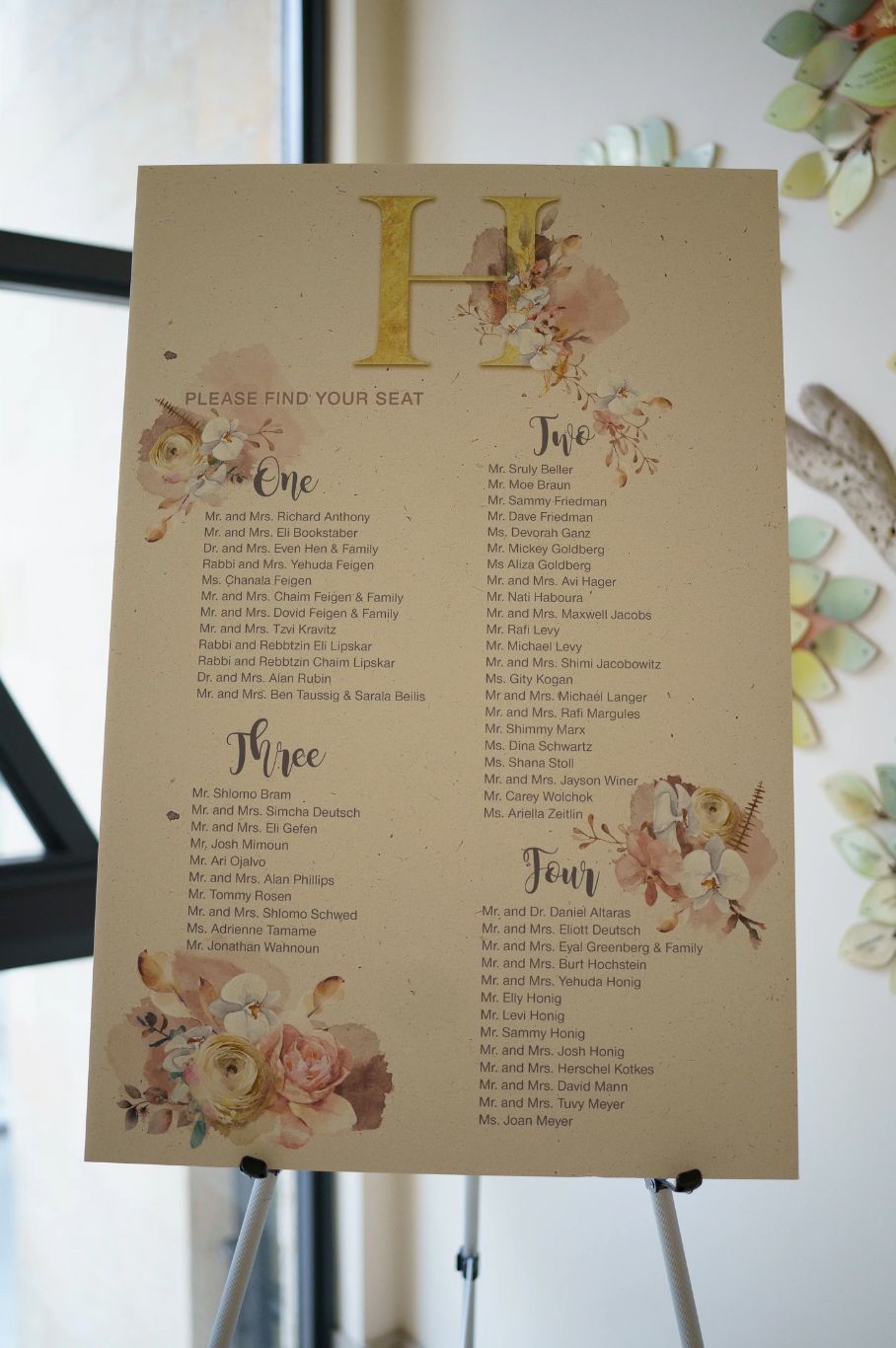
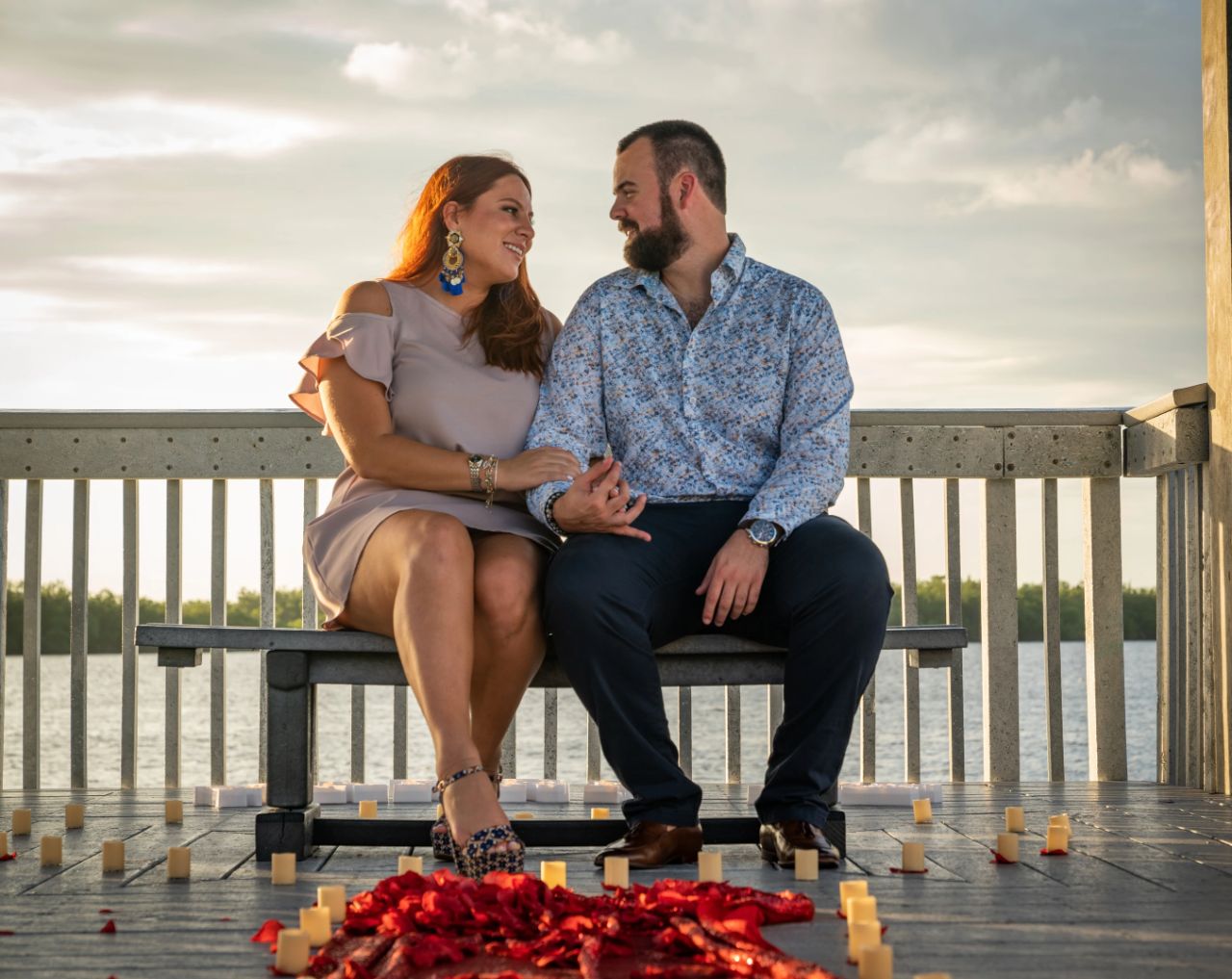
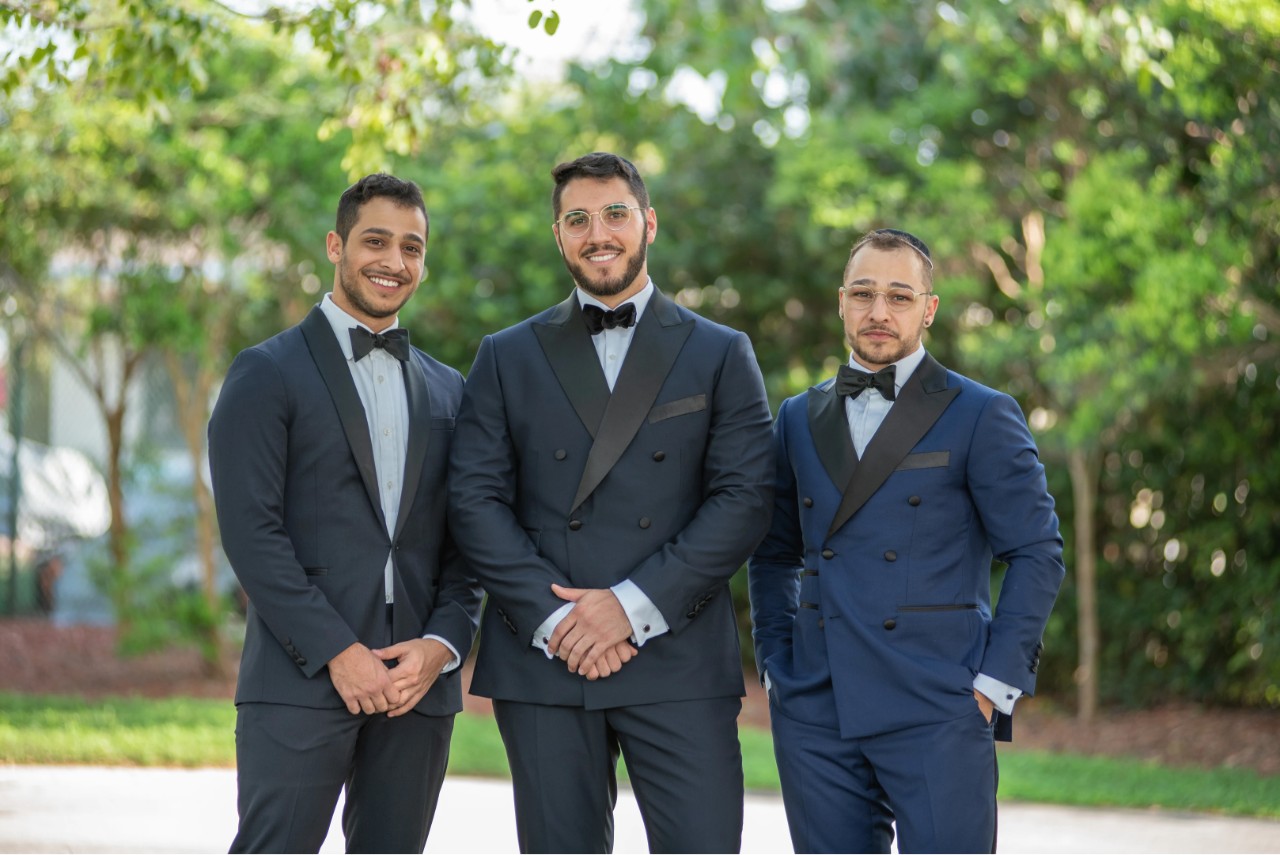
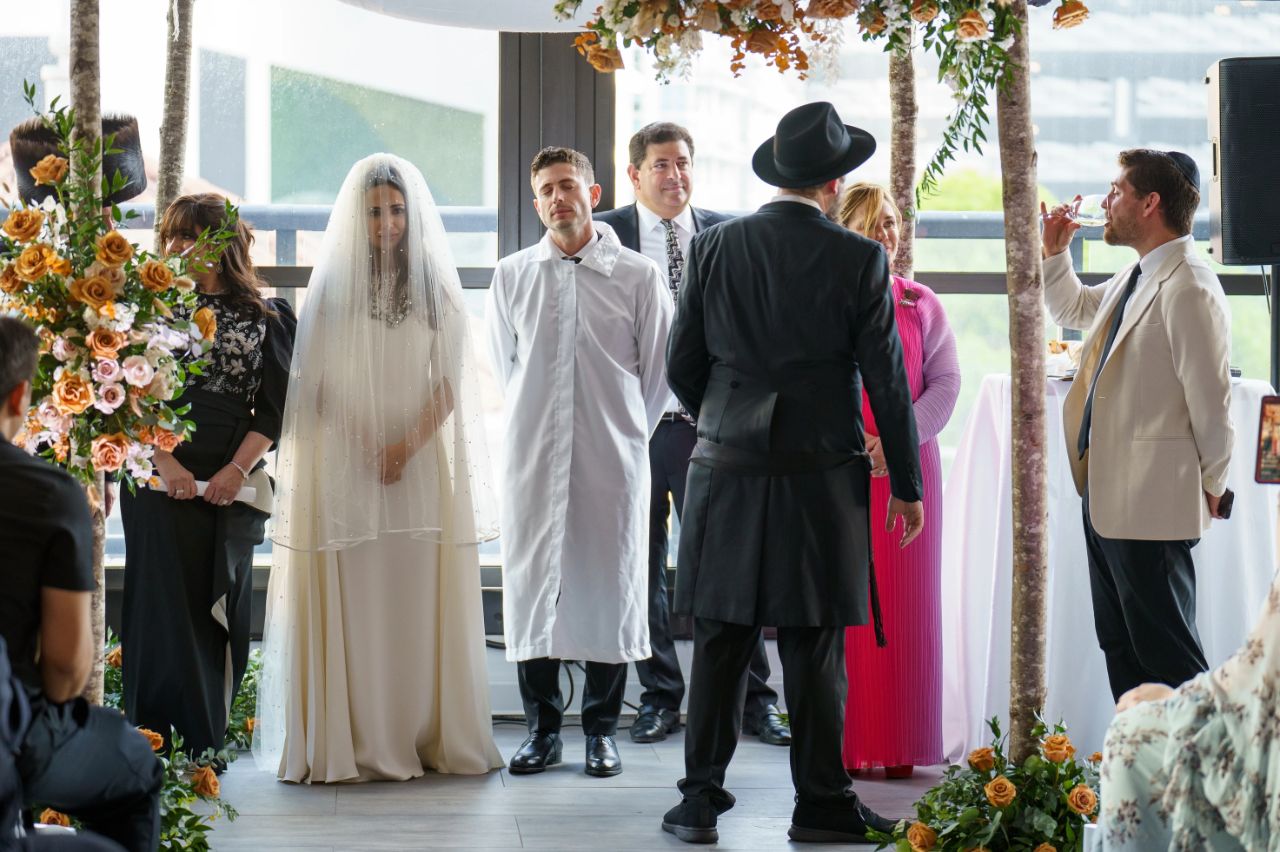
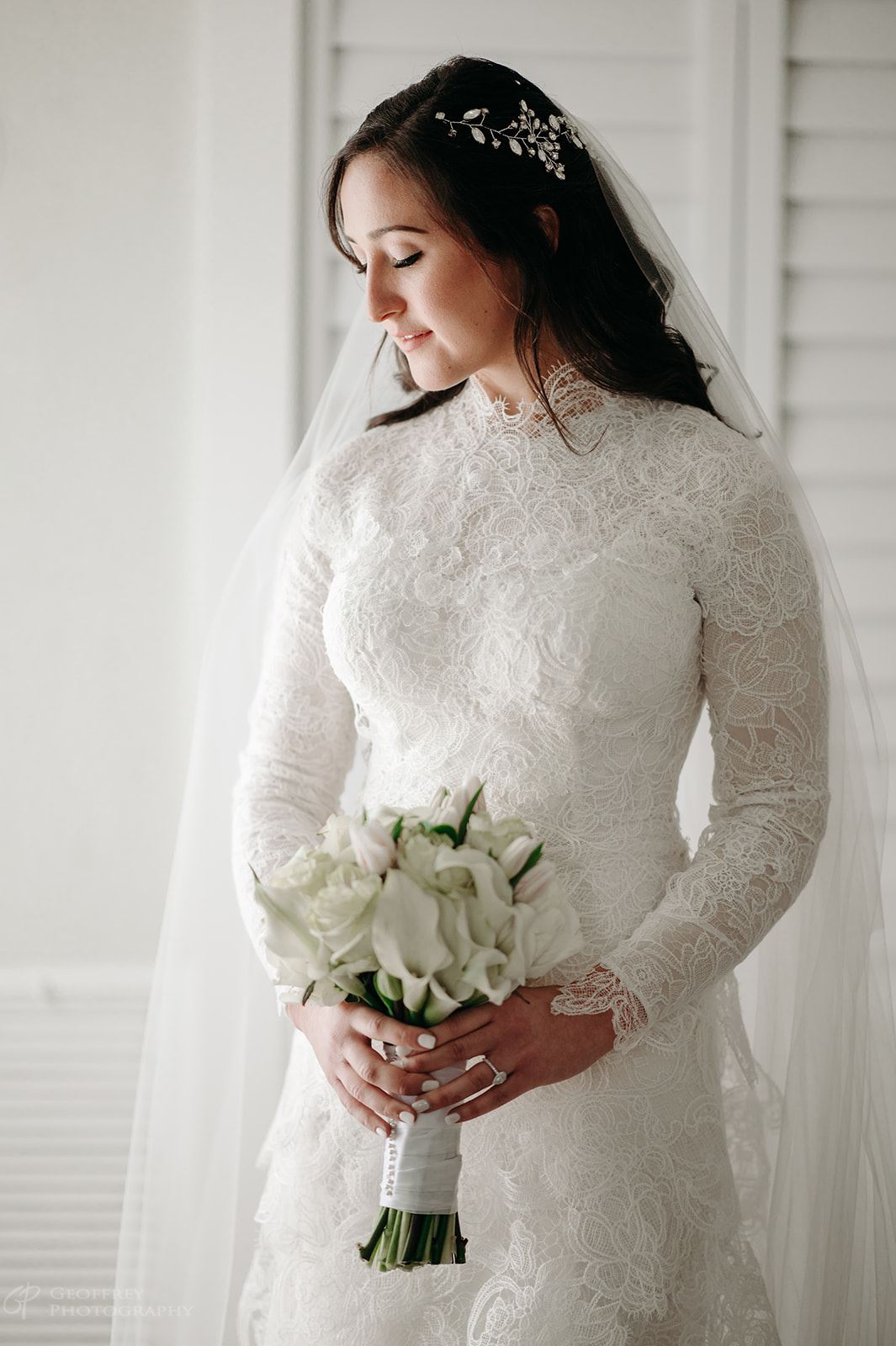
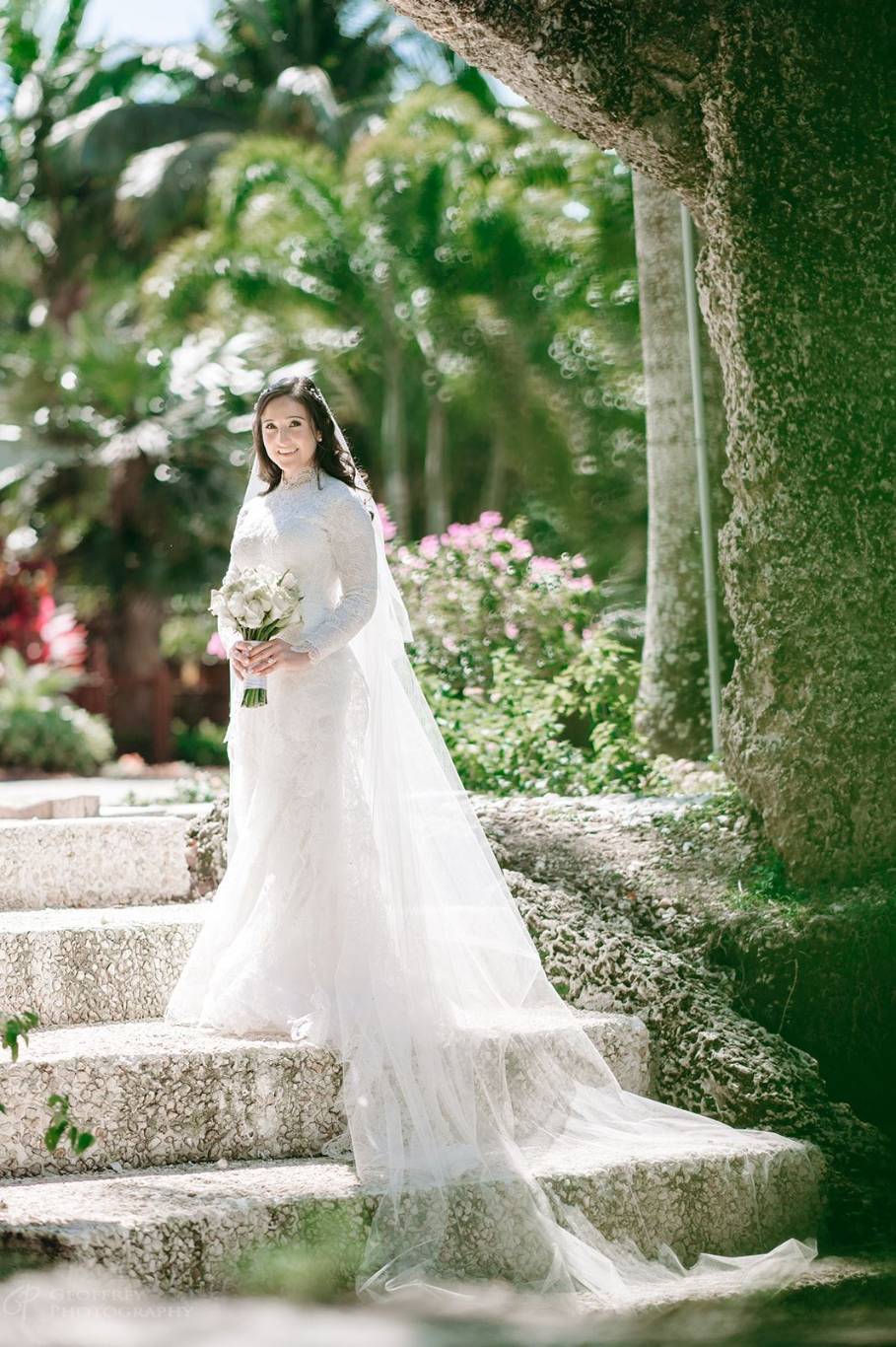
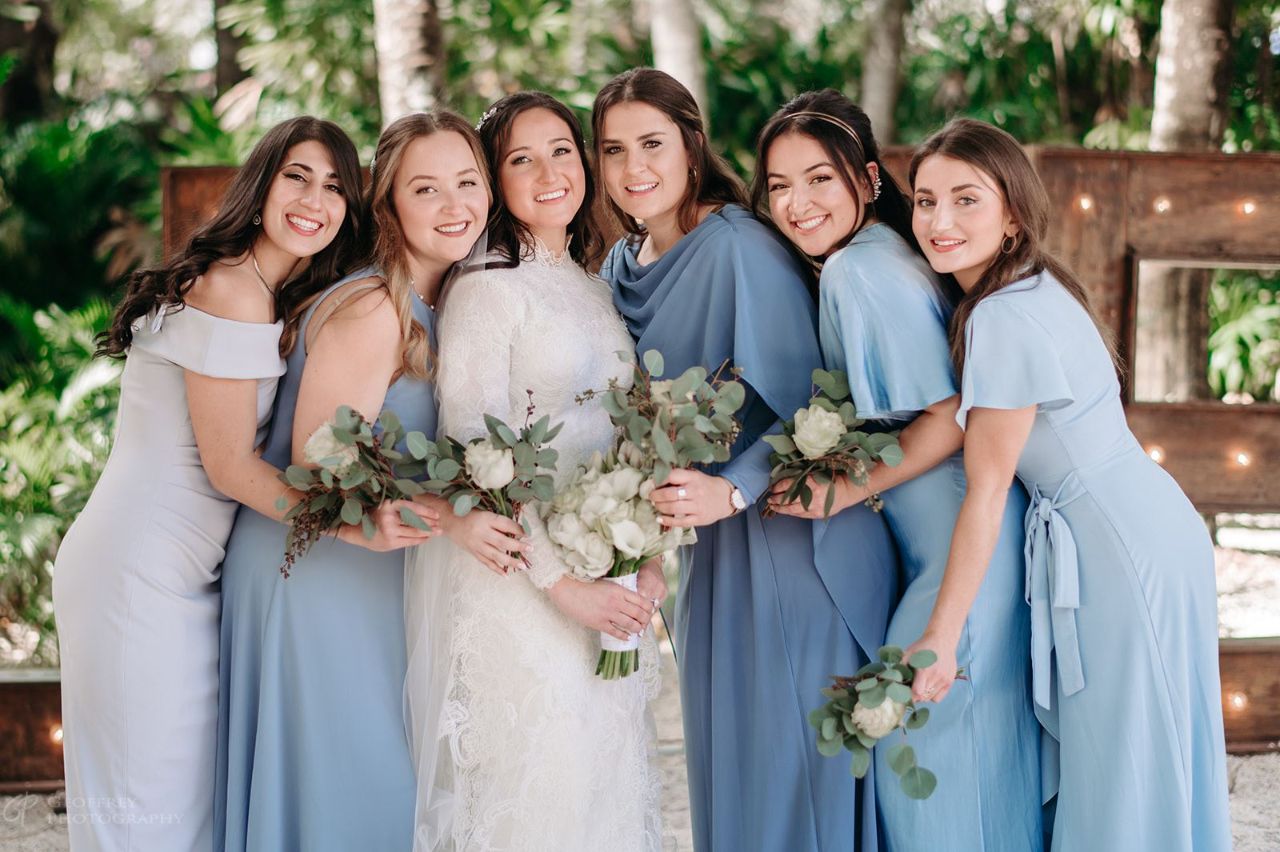

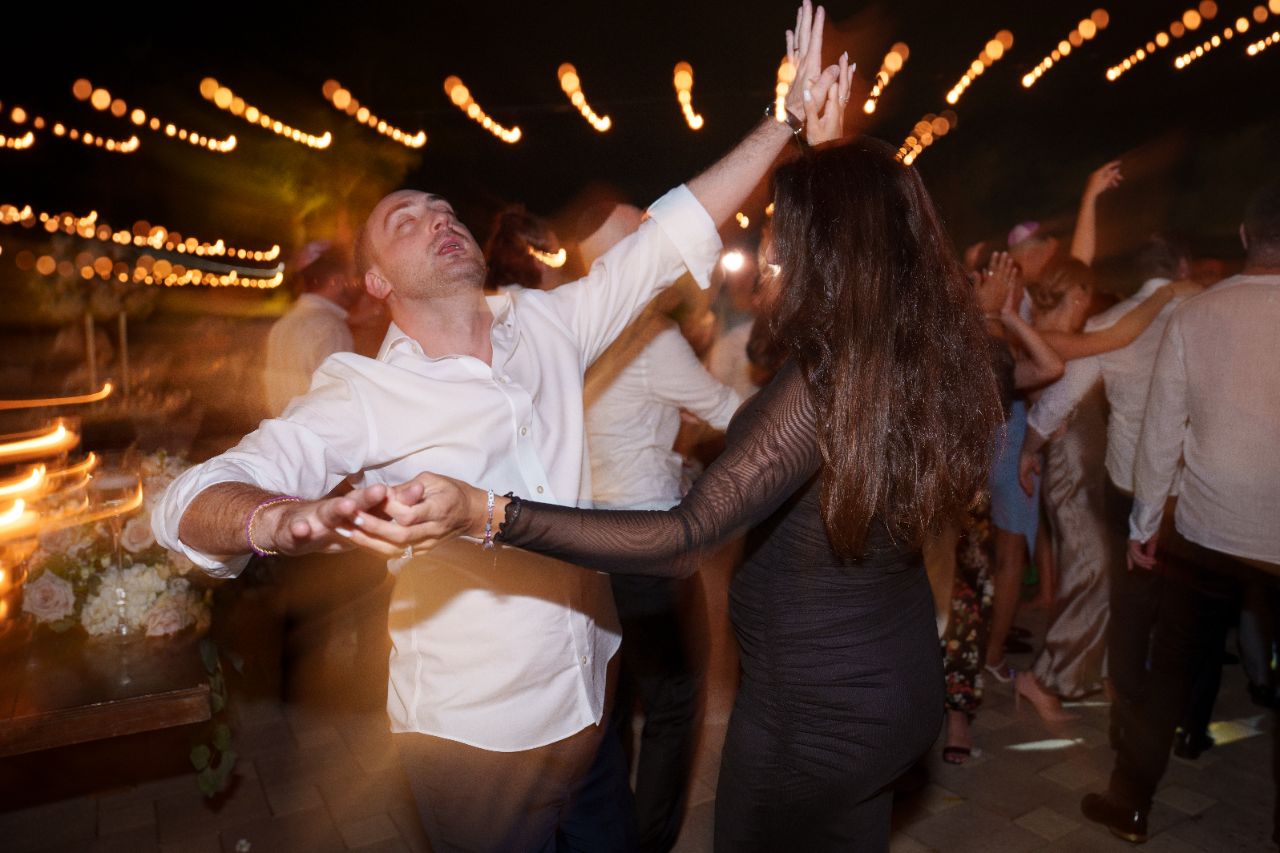
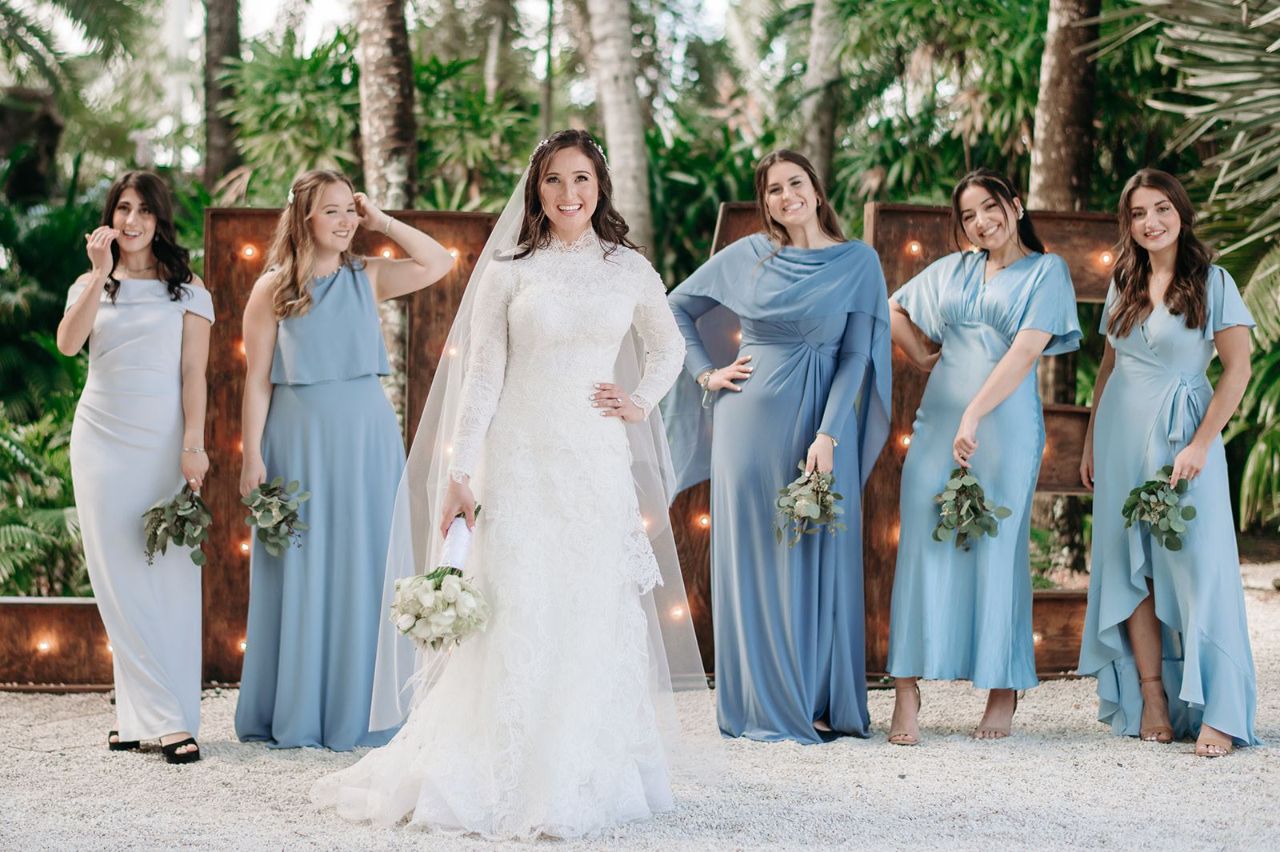
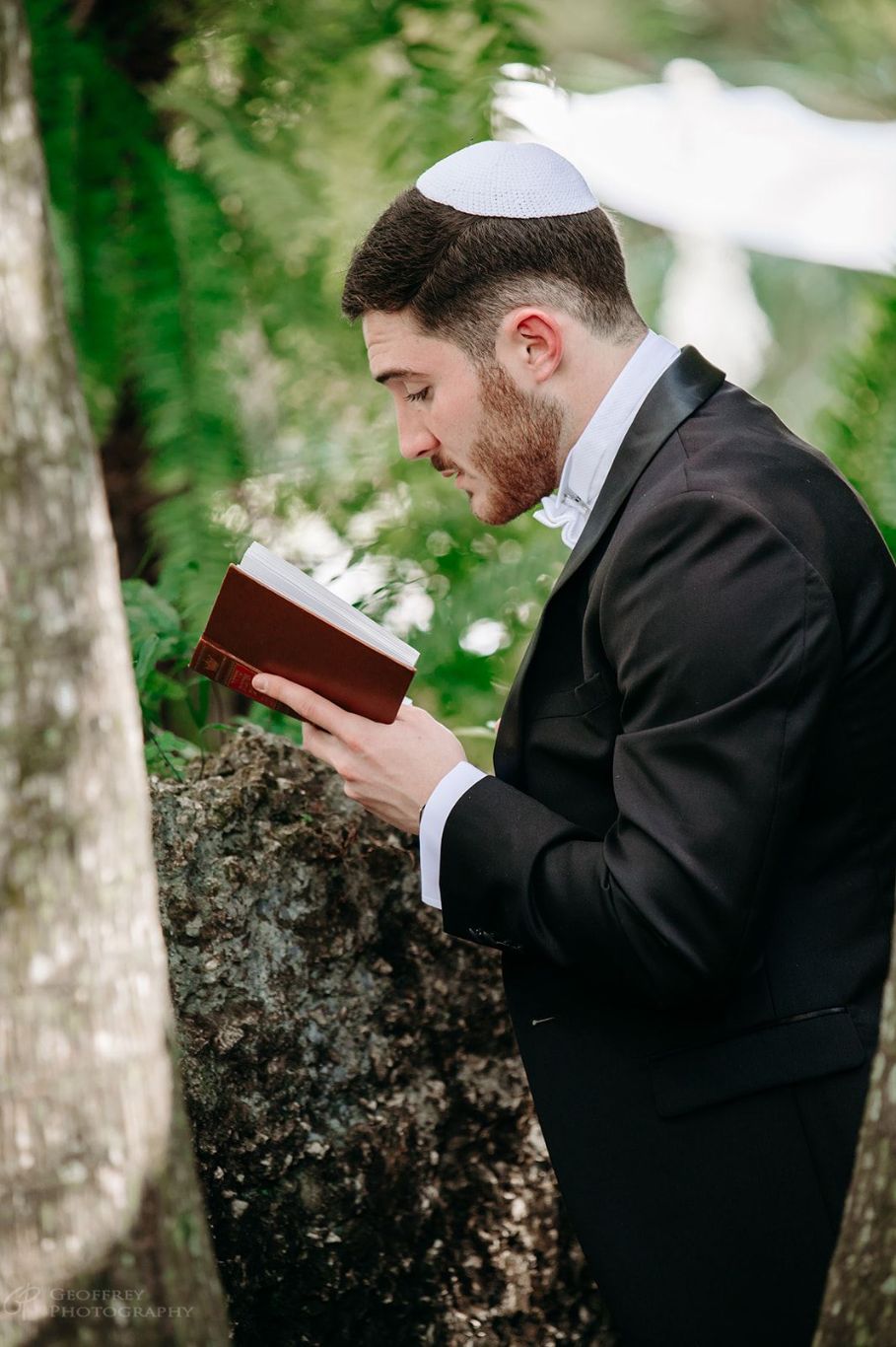
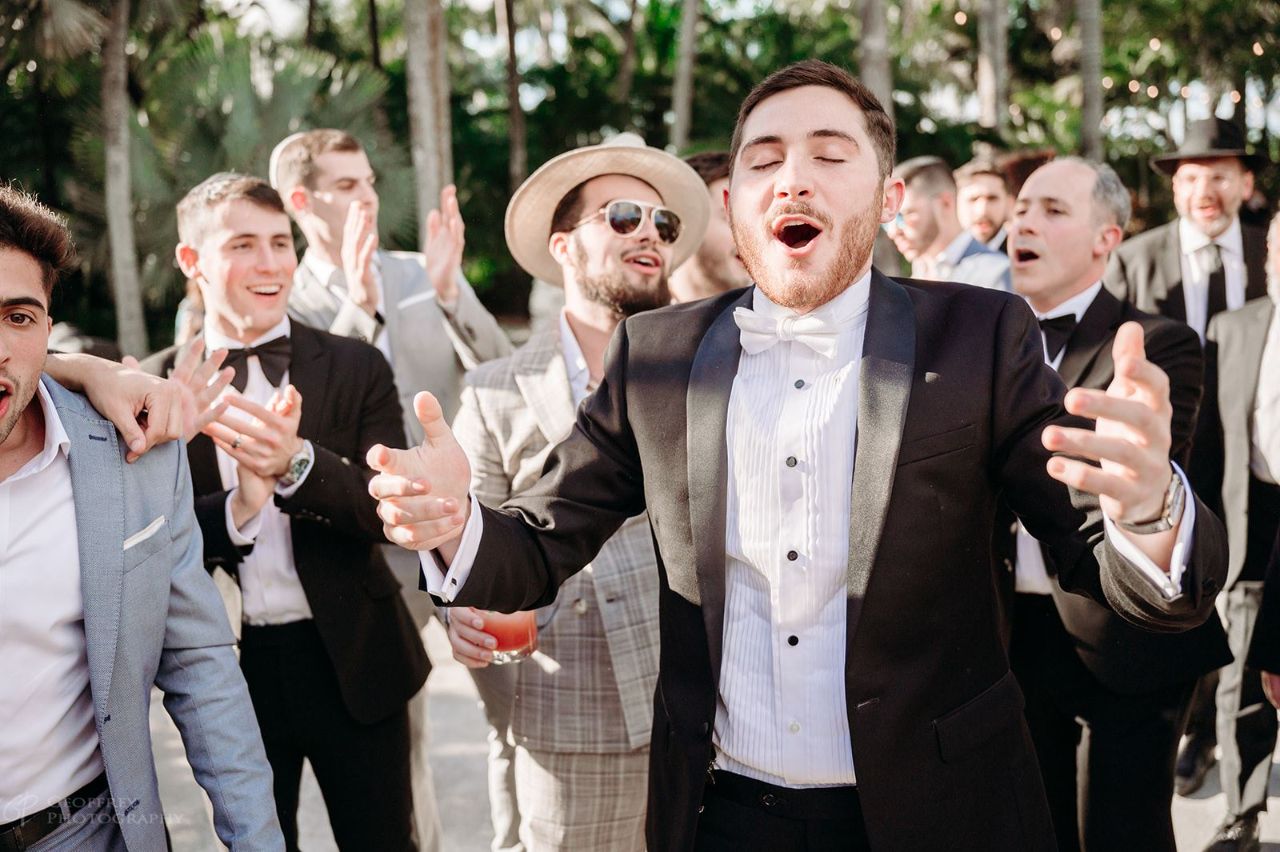
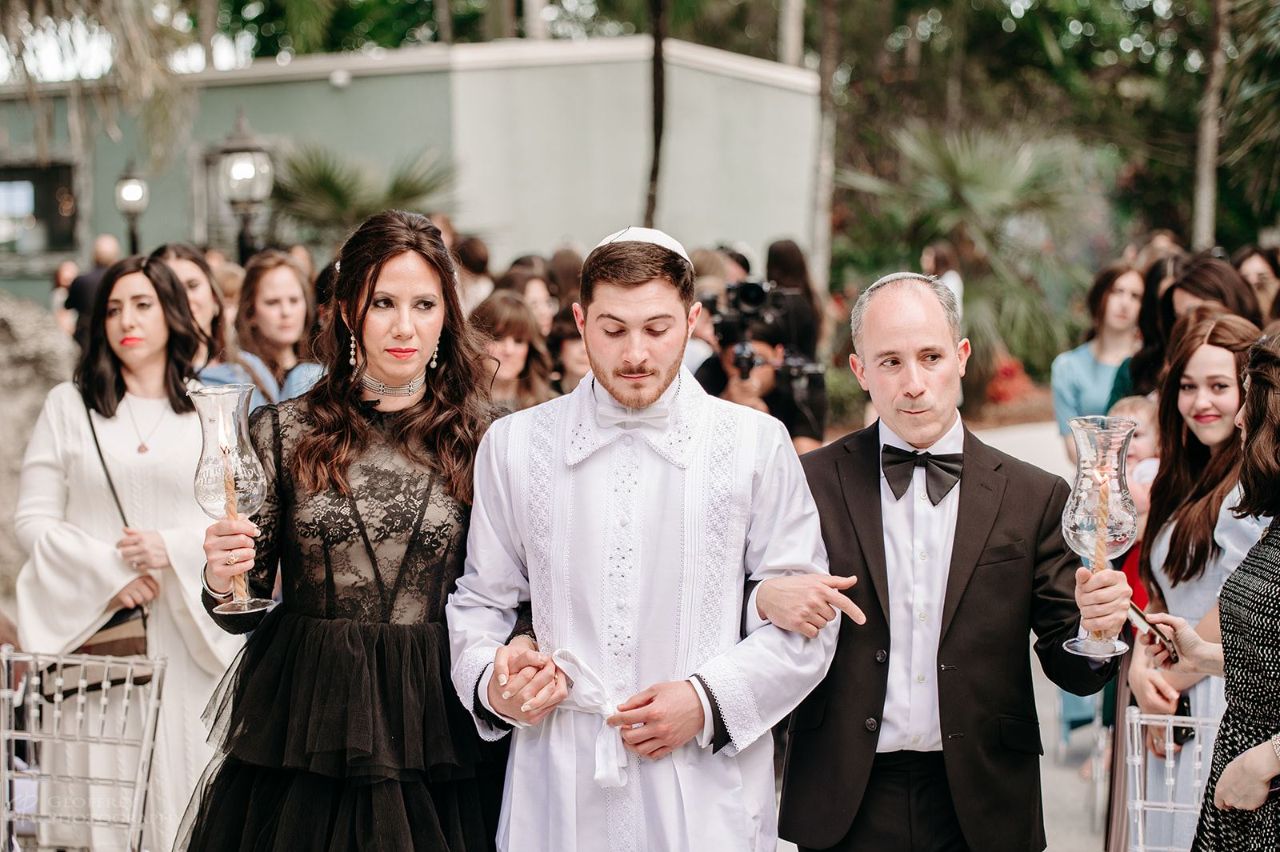
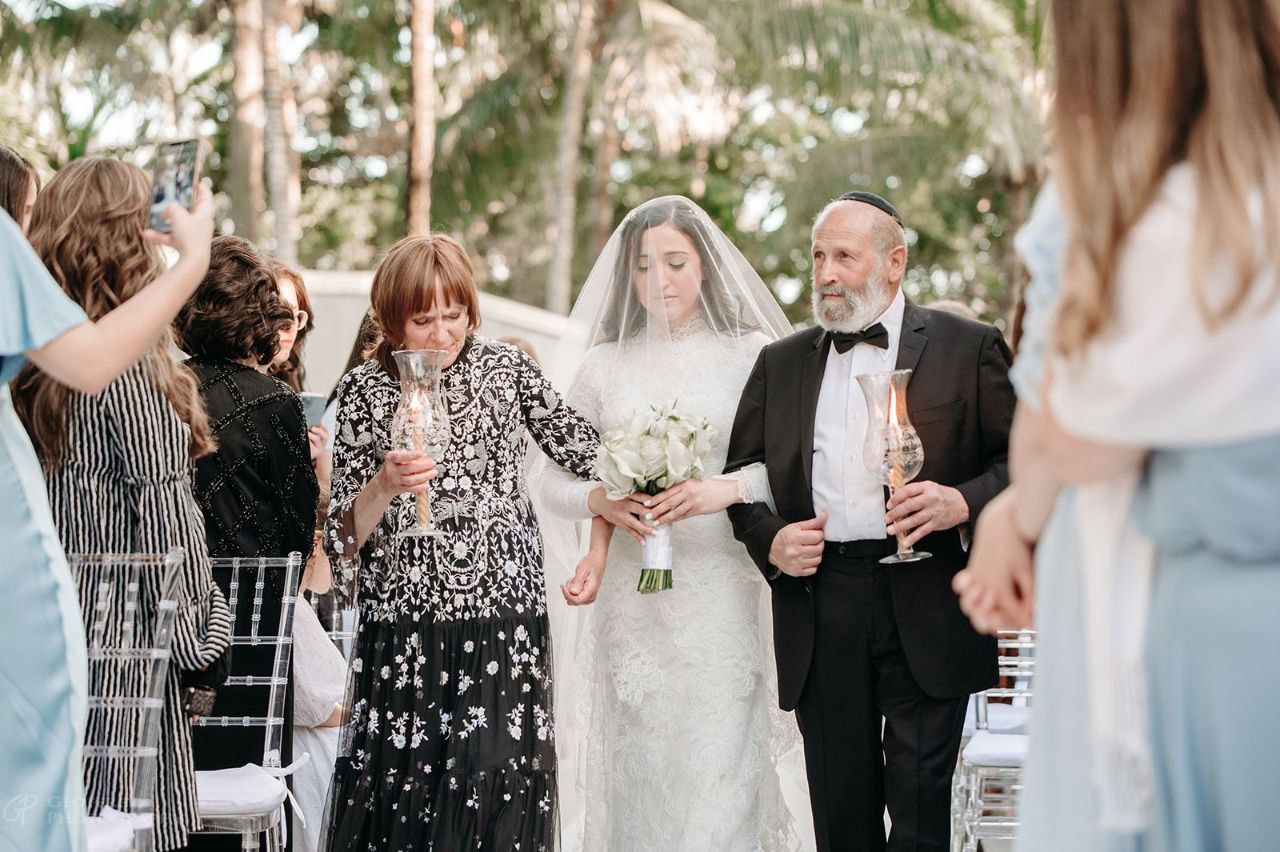
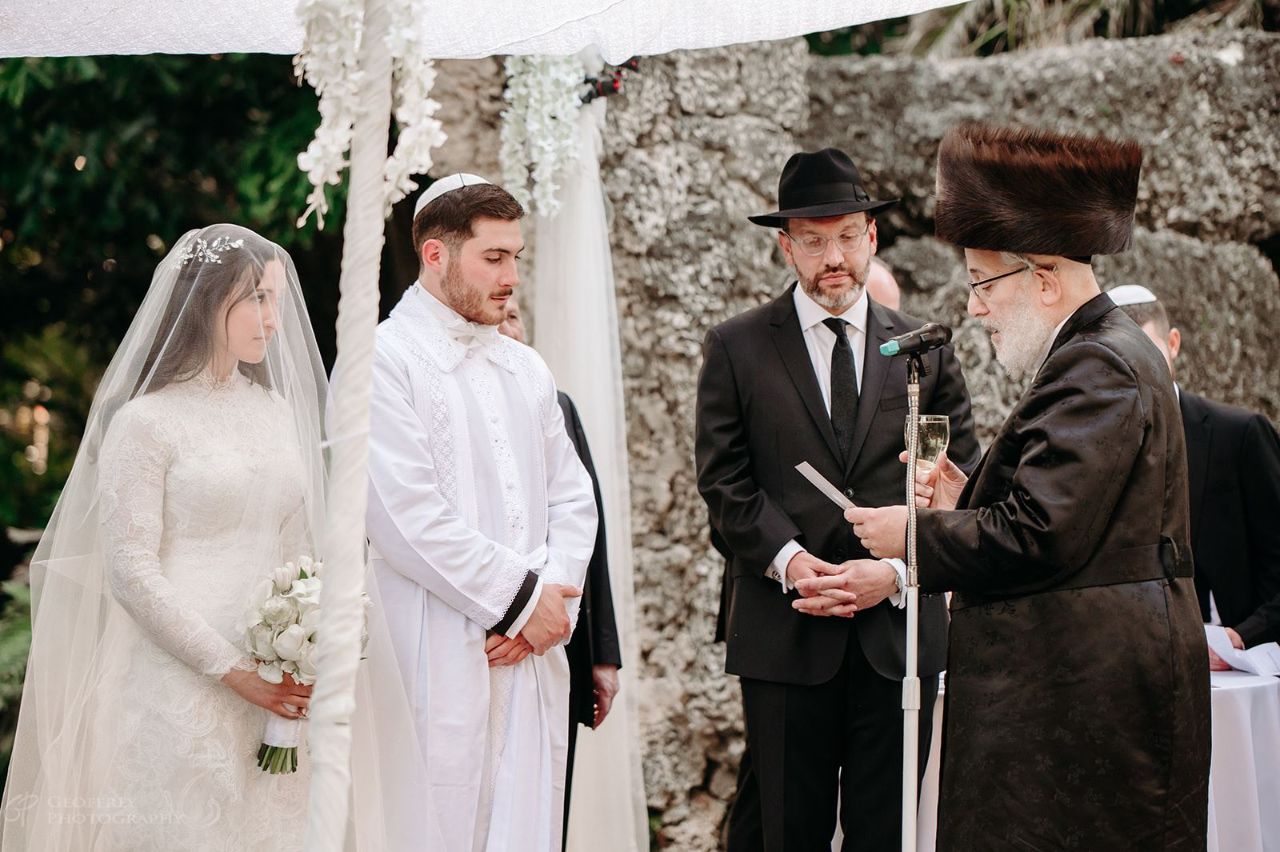
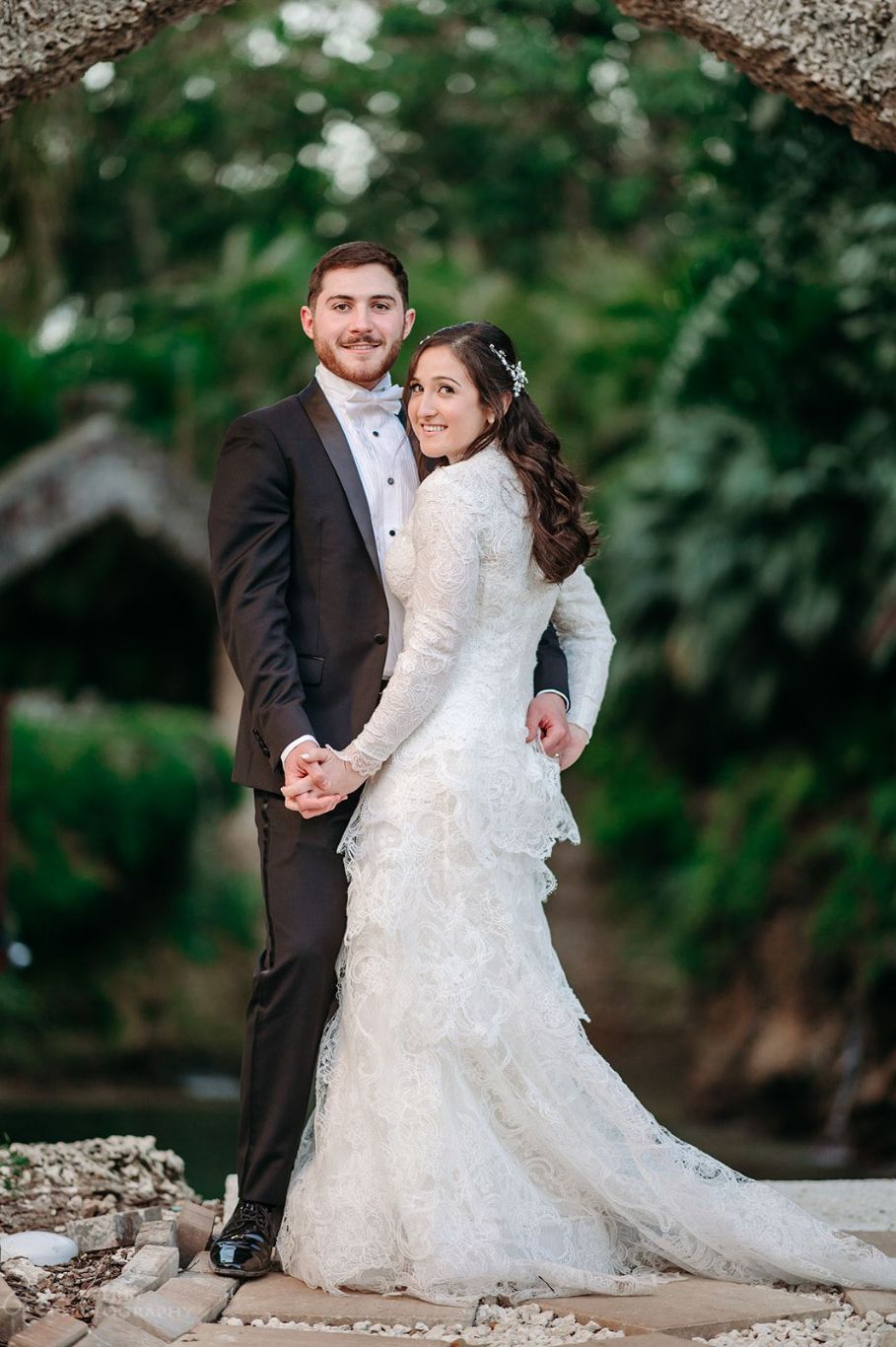
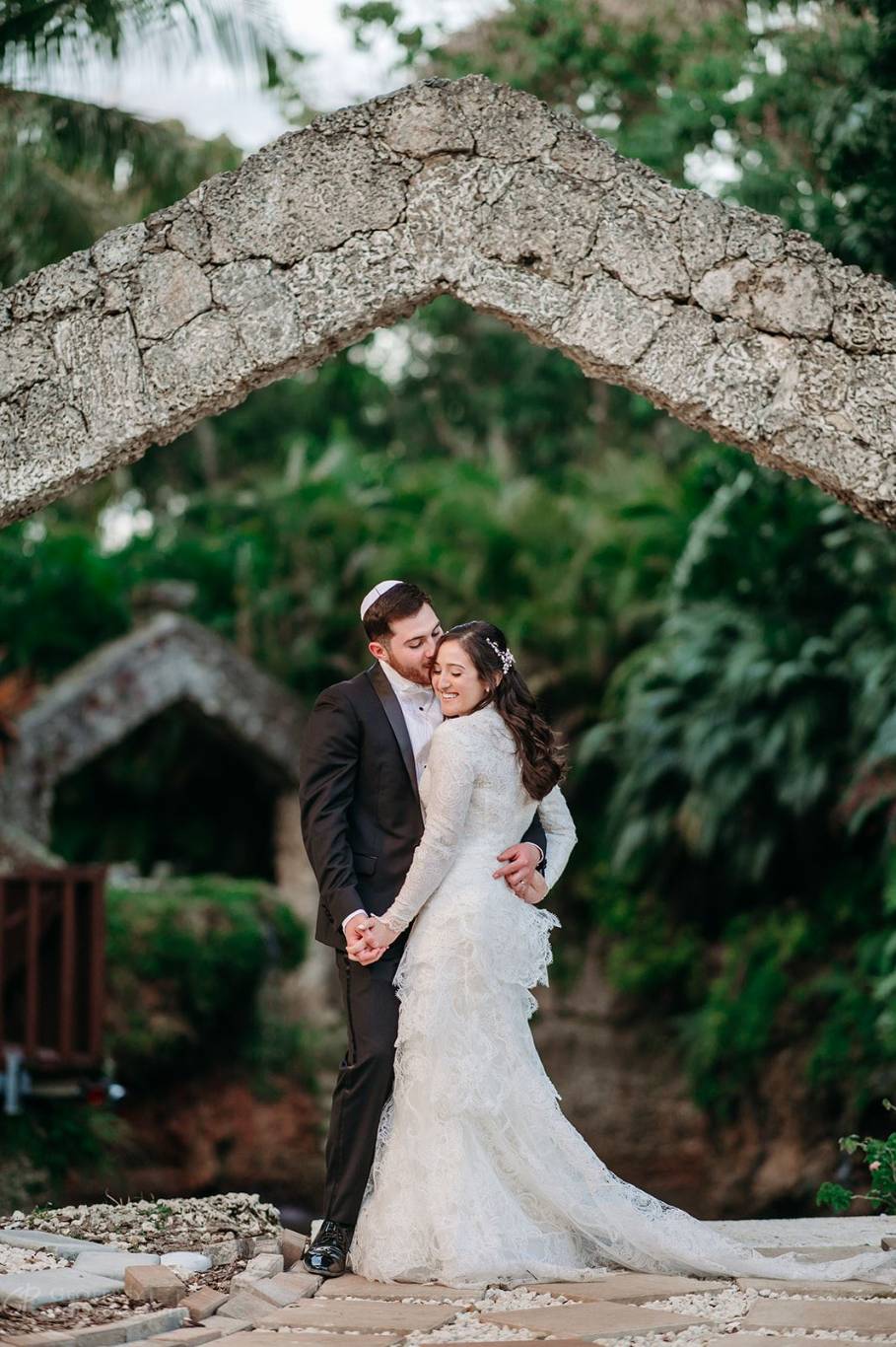
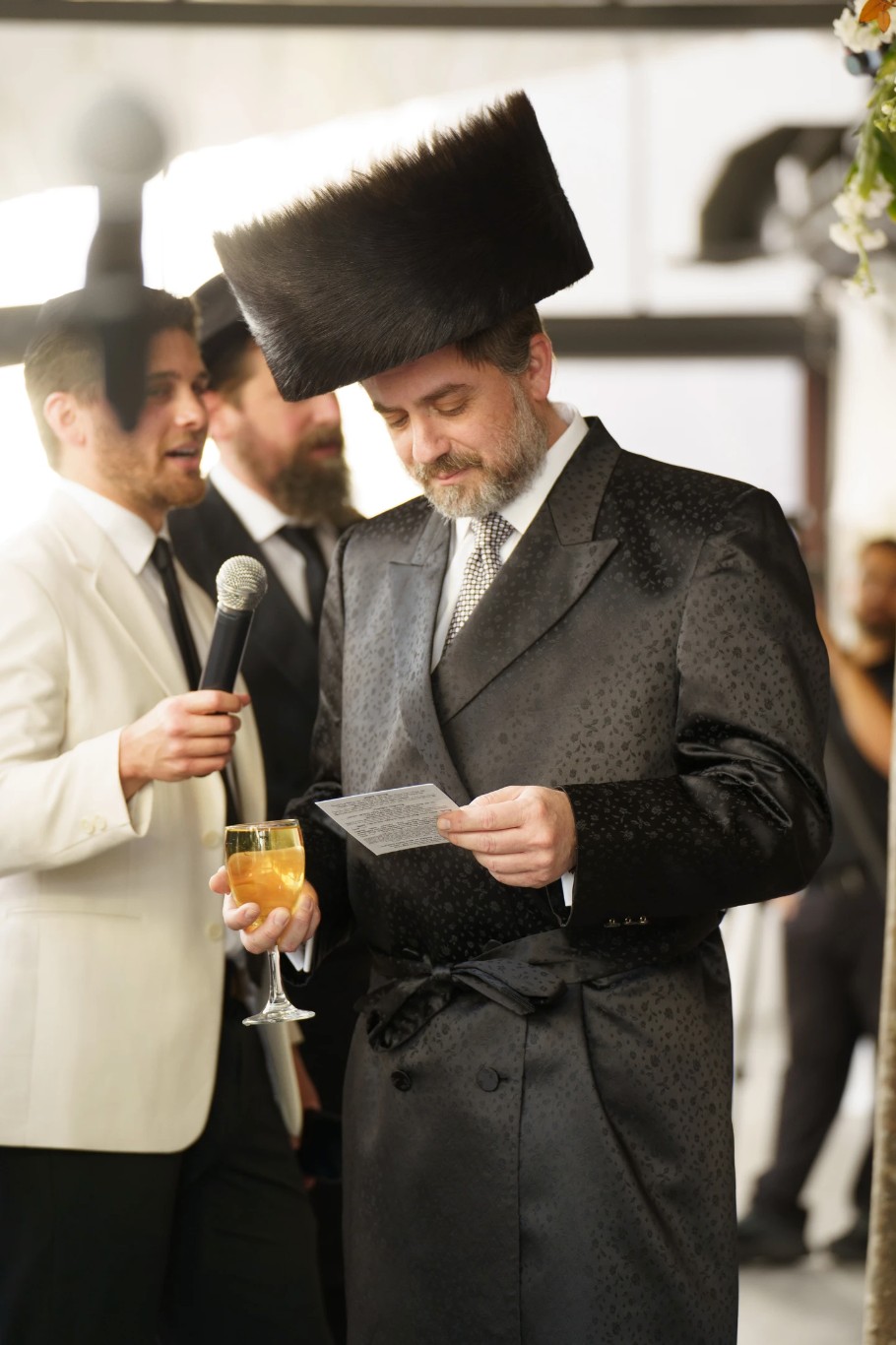
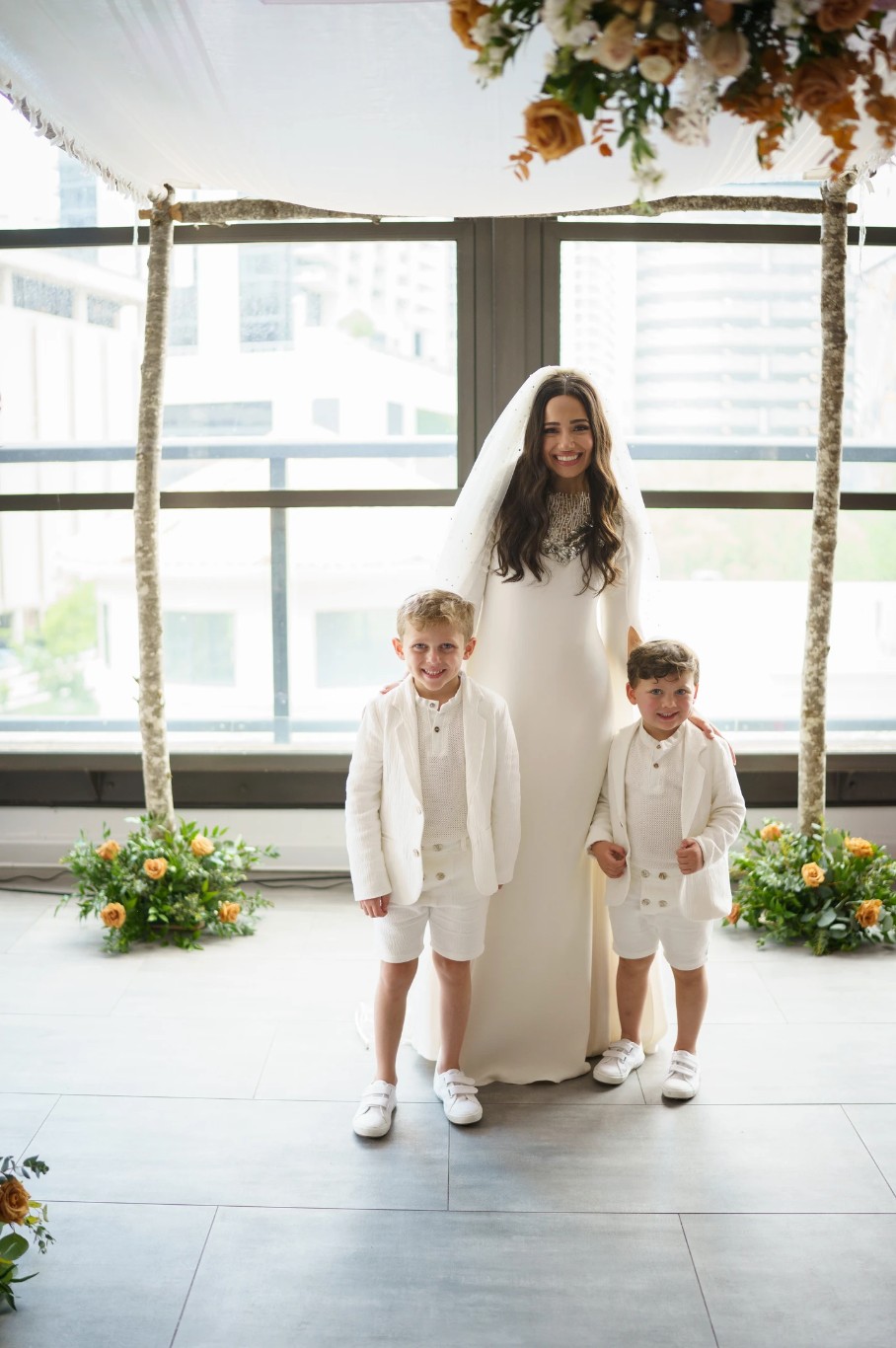
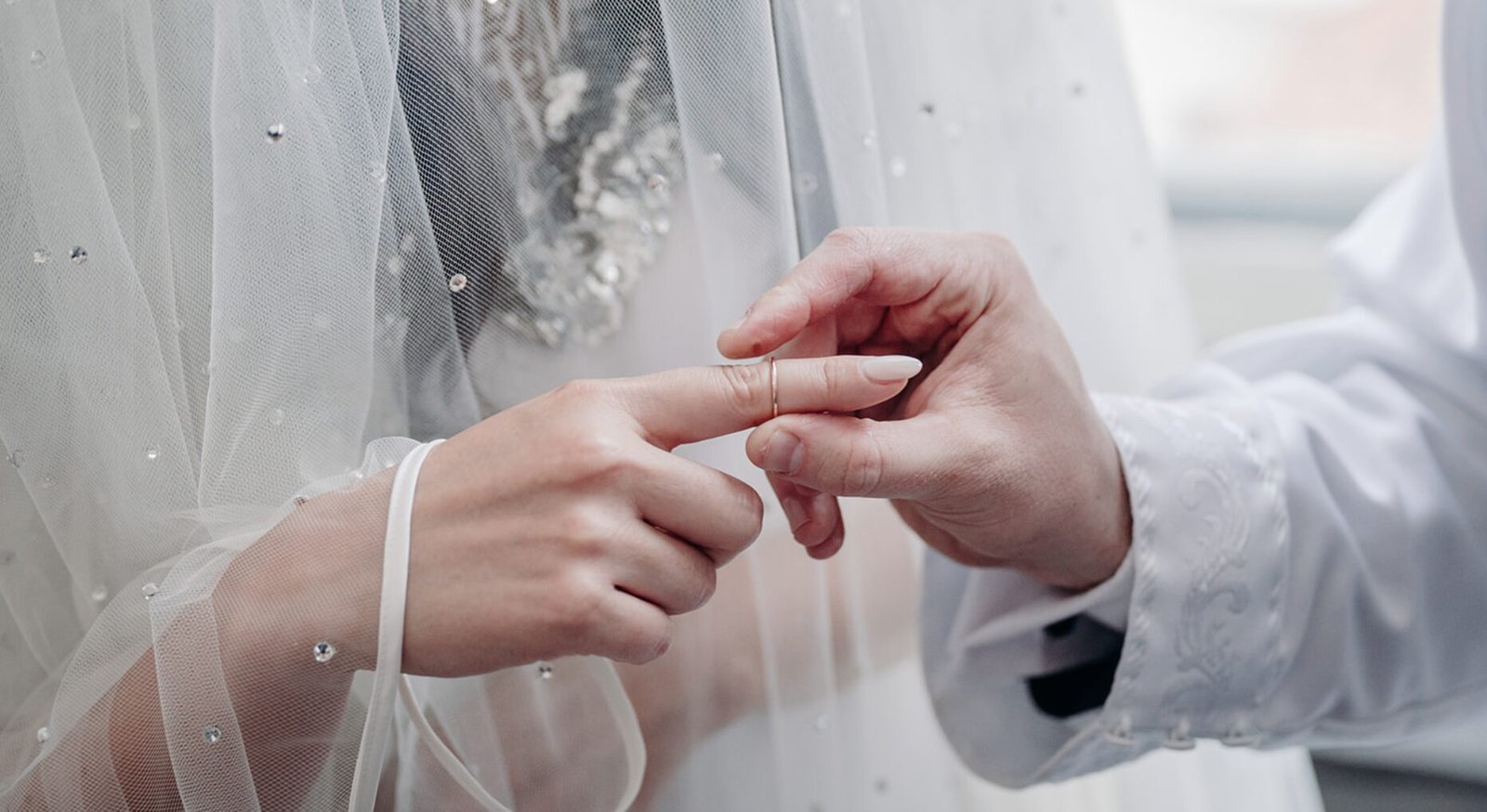
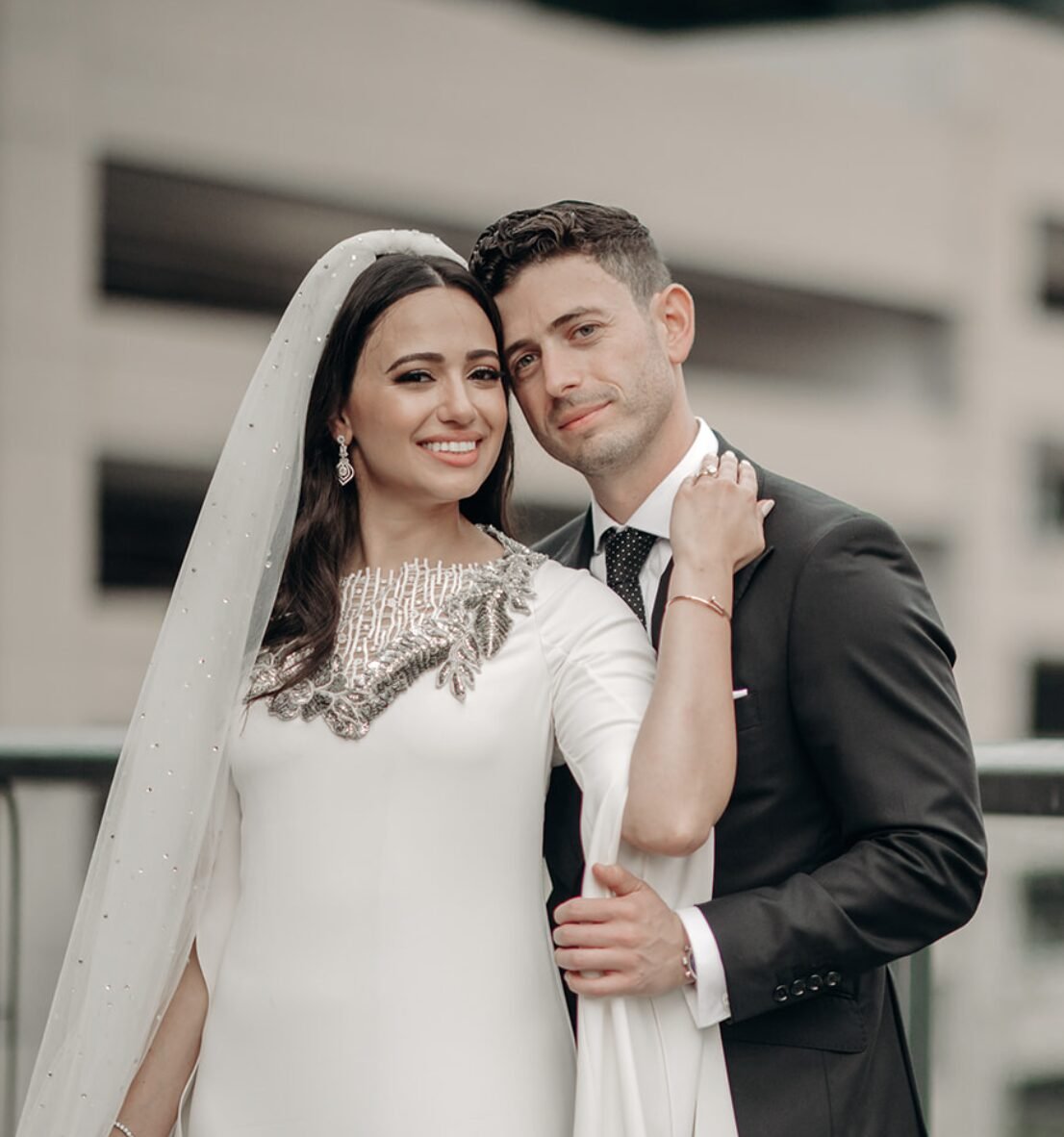
Close when it matters, invisible when it does not. That is the whole method.
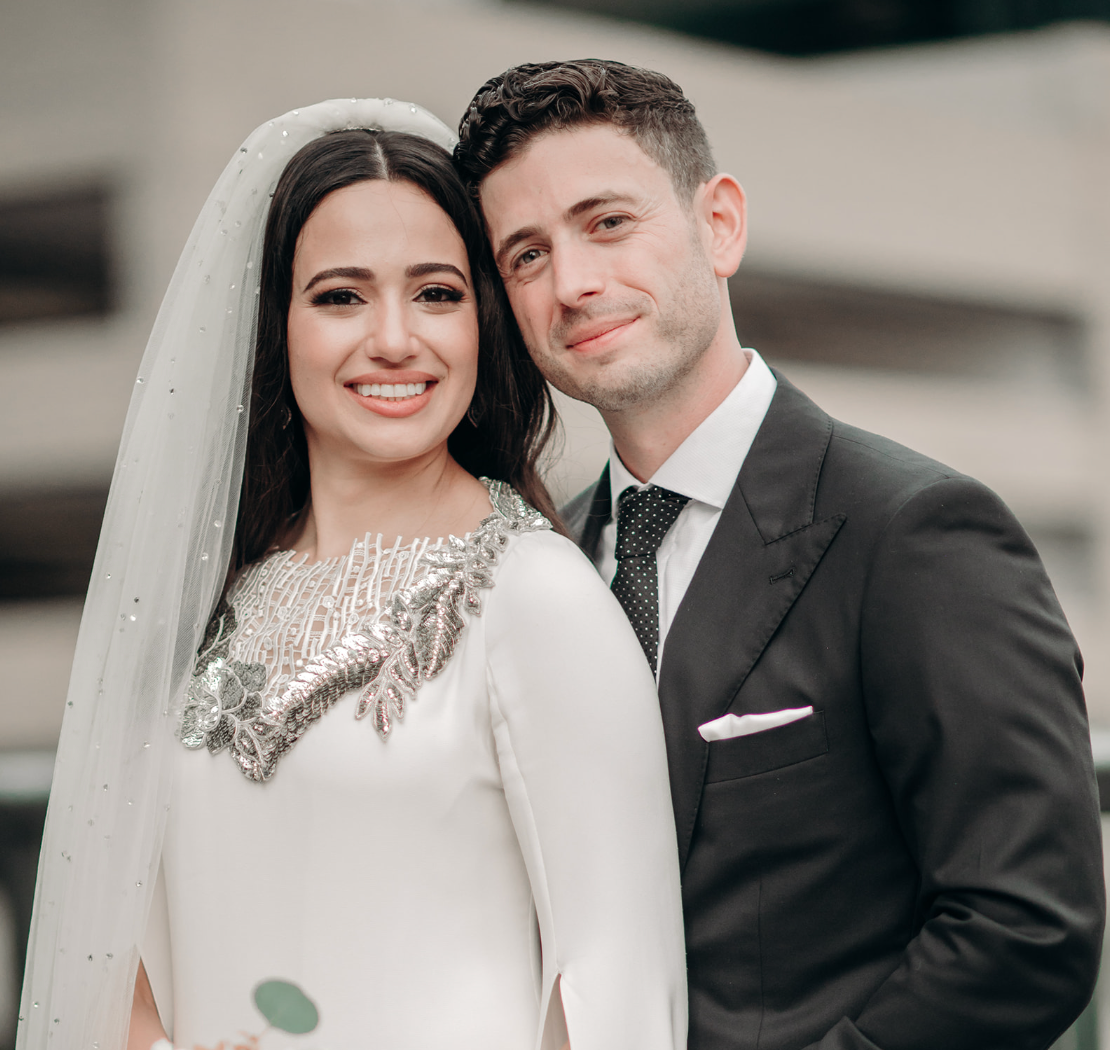
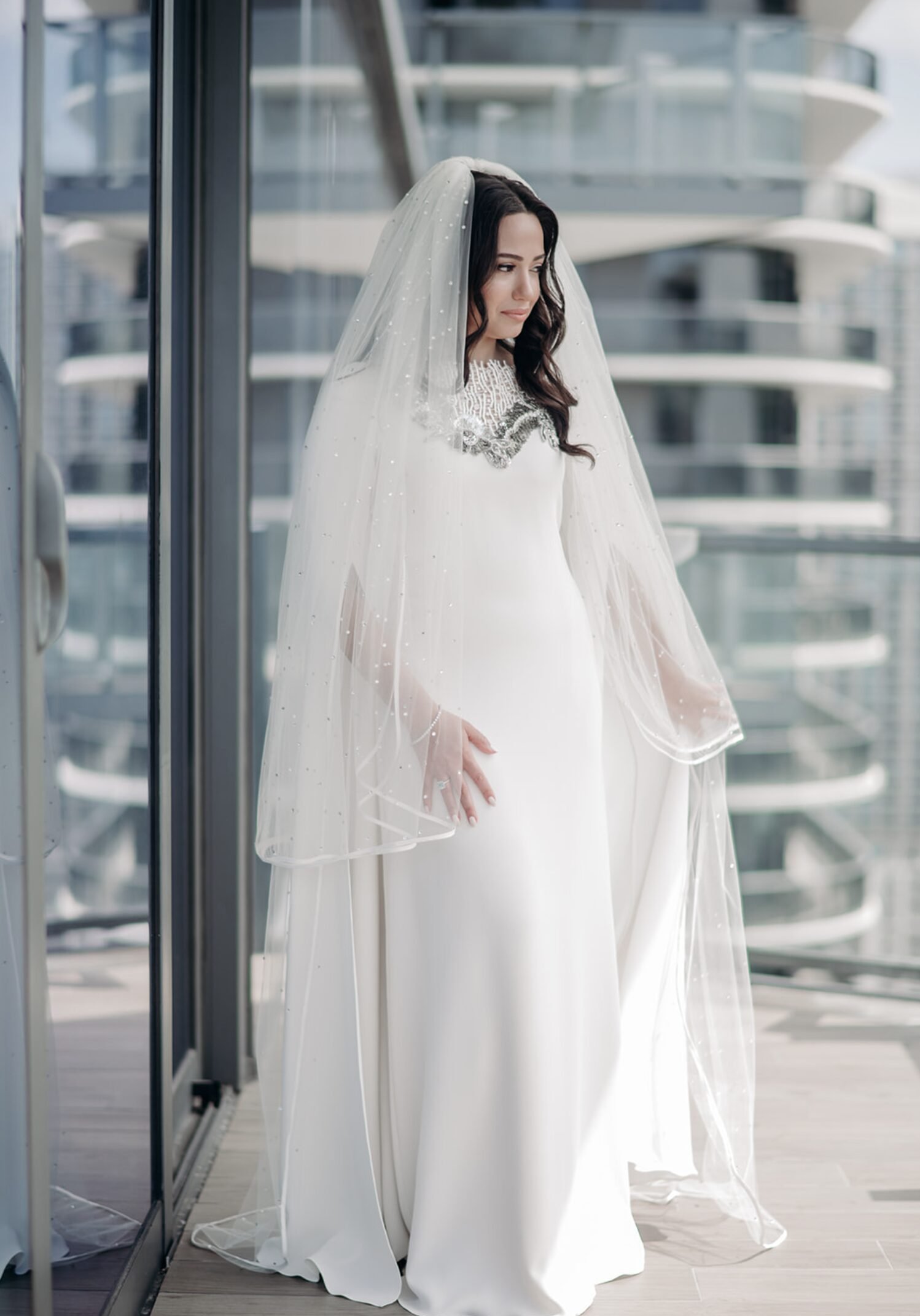
The look follows the day, not a preset. Warm rooms stay warm.
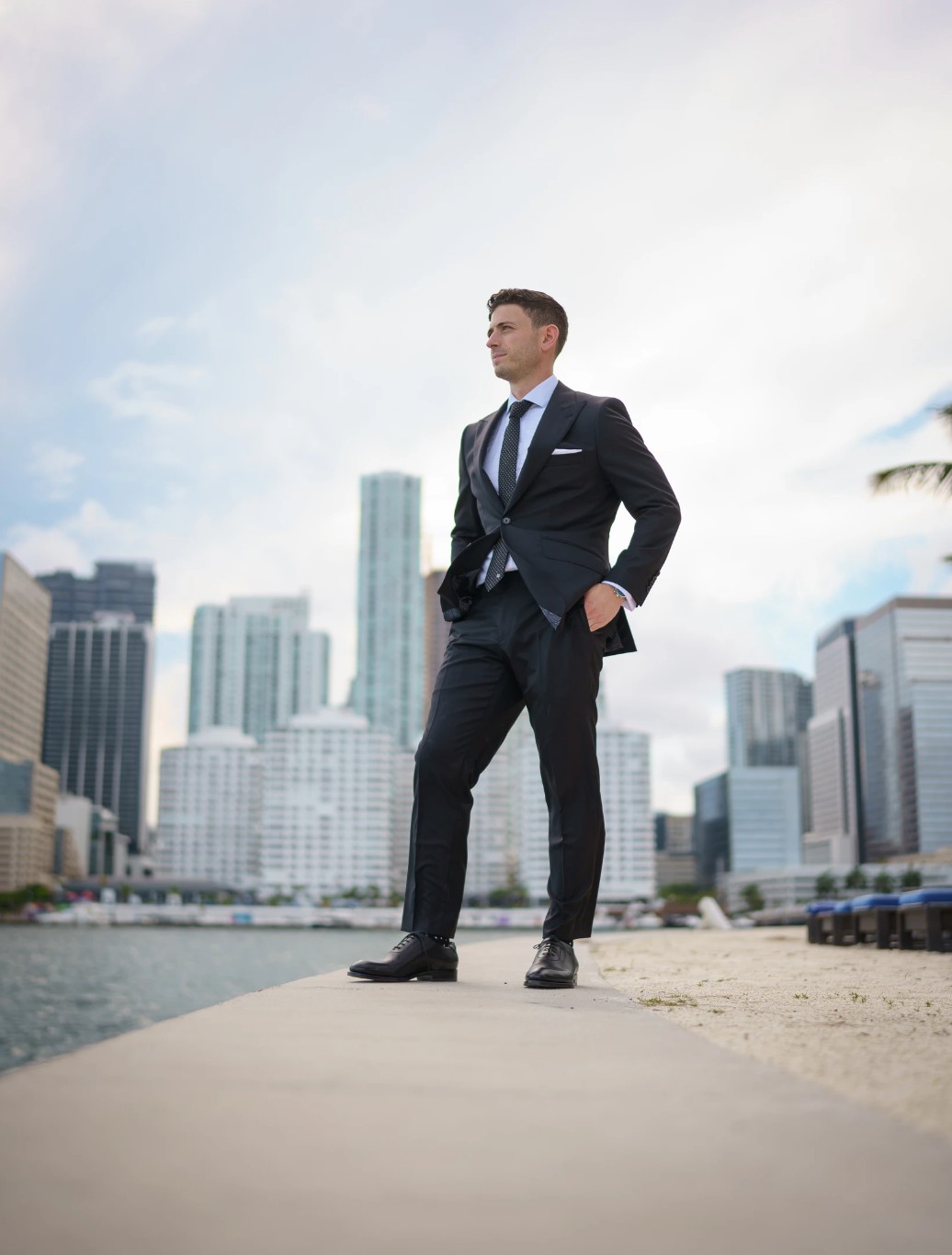
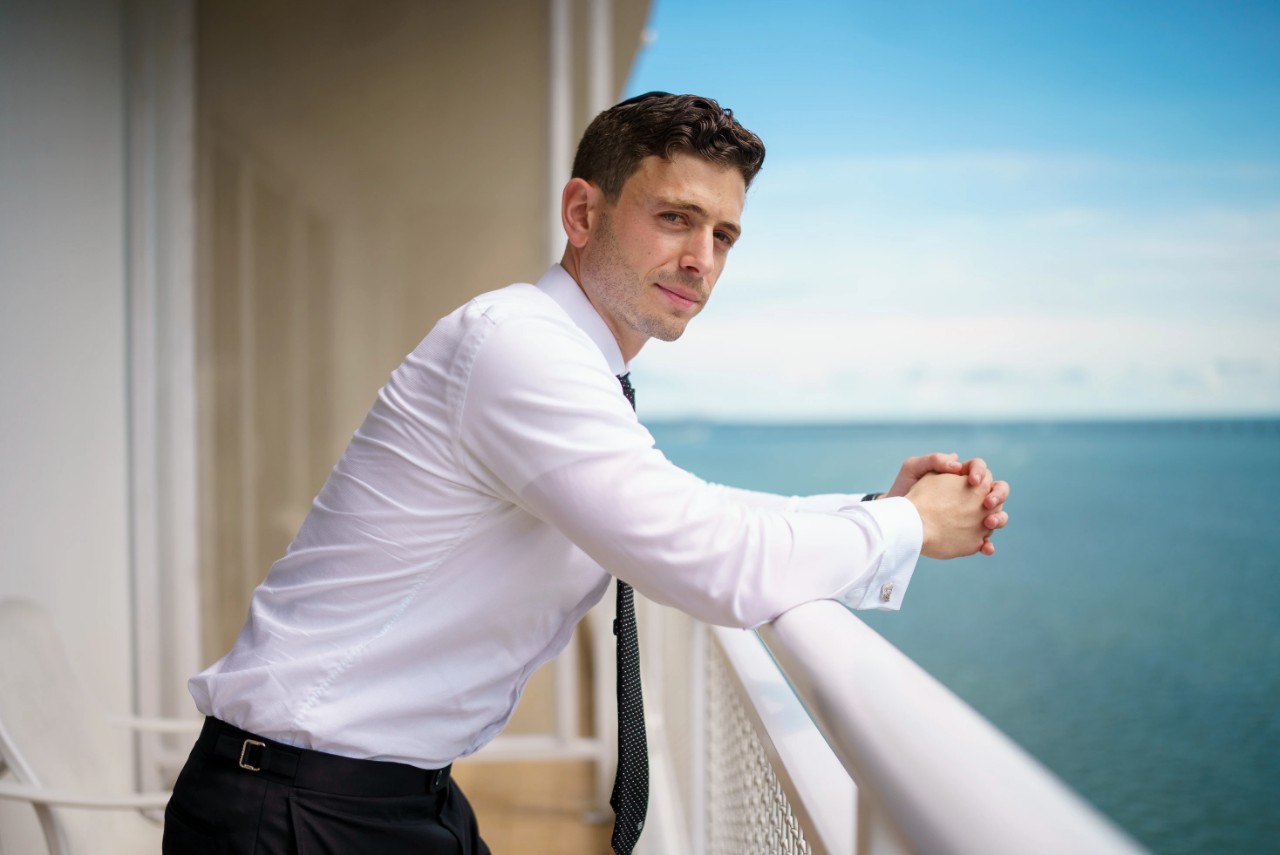
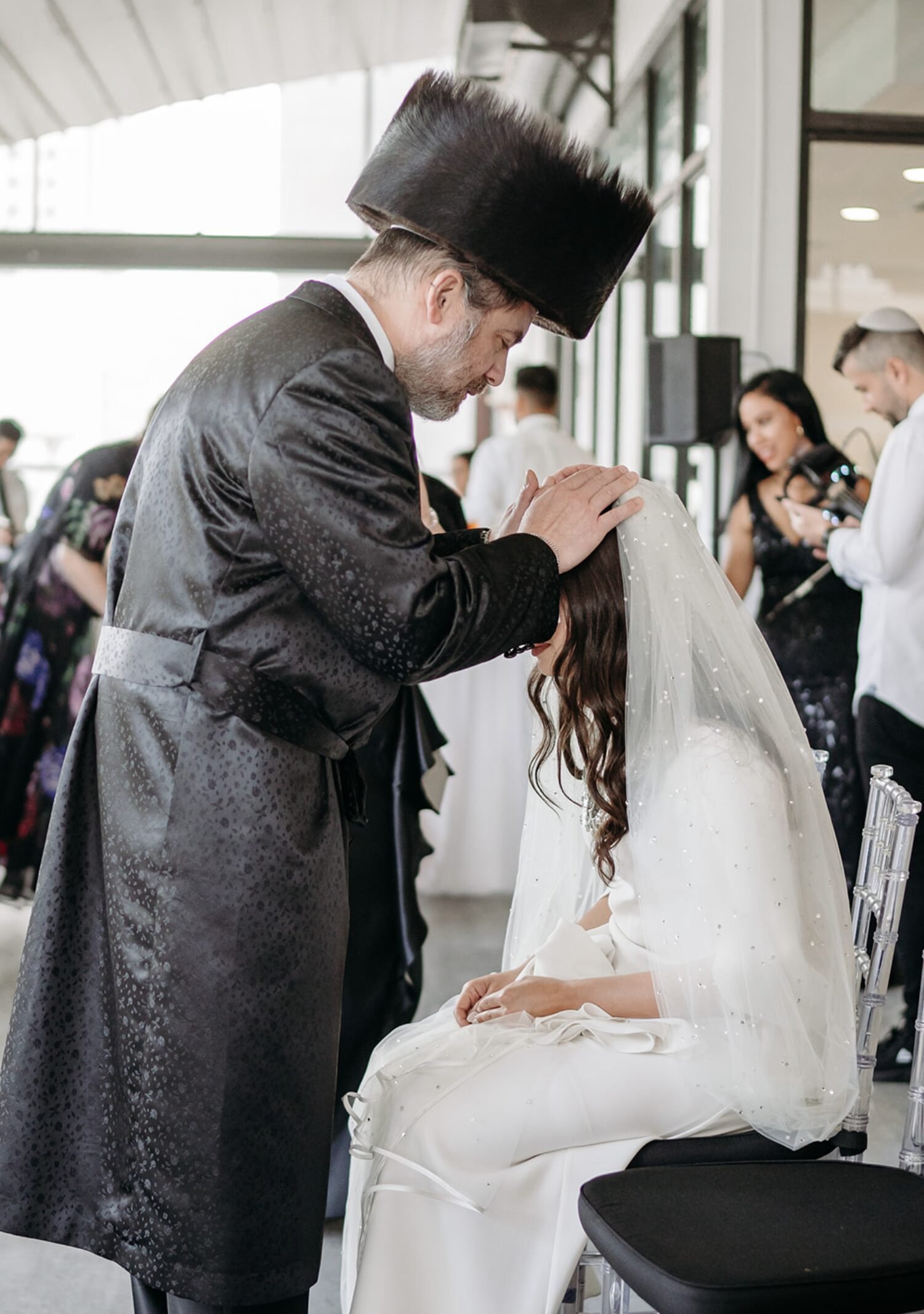
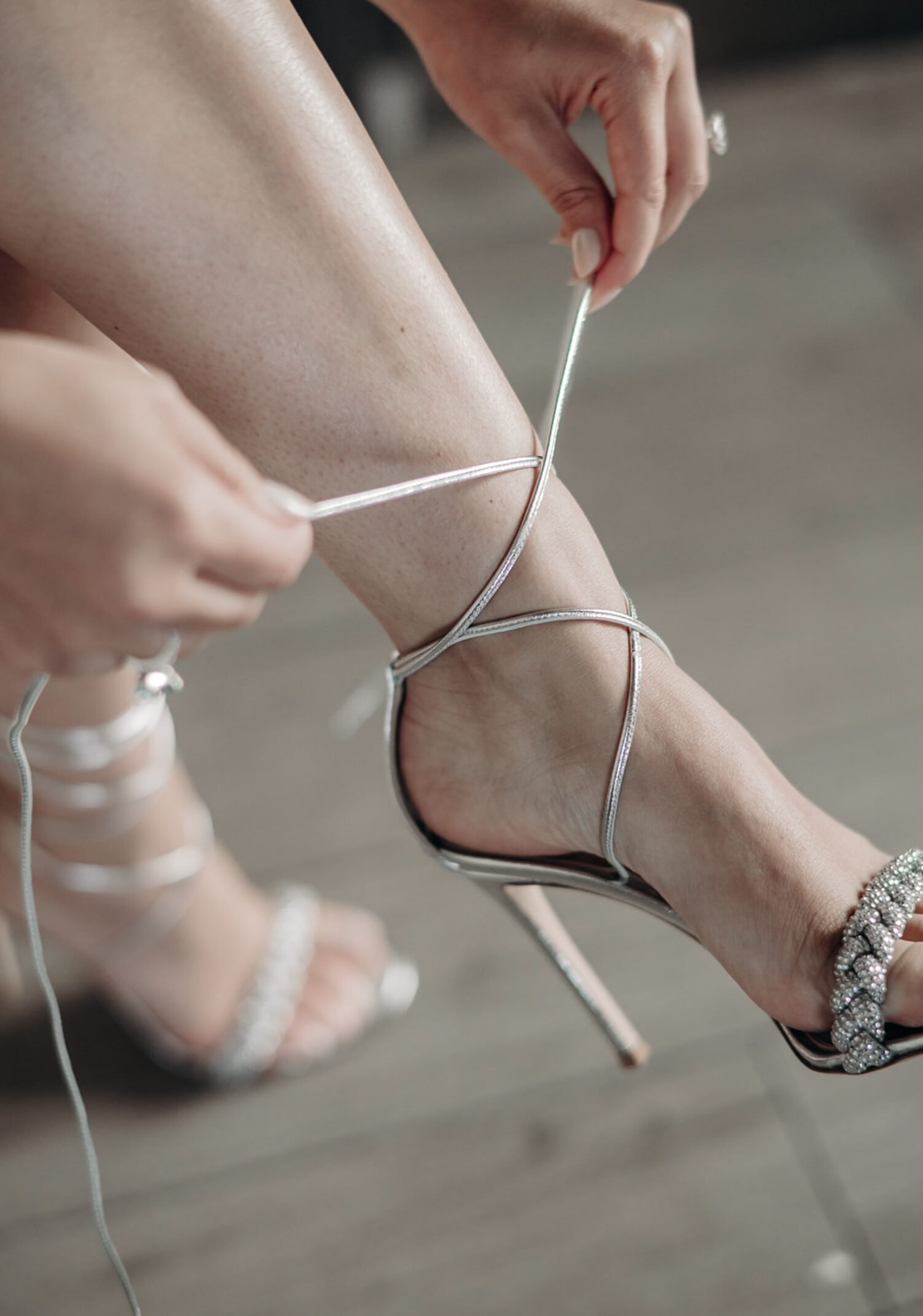
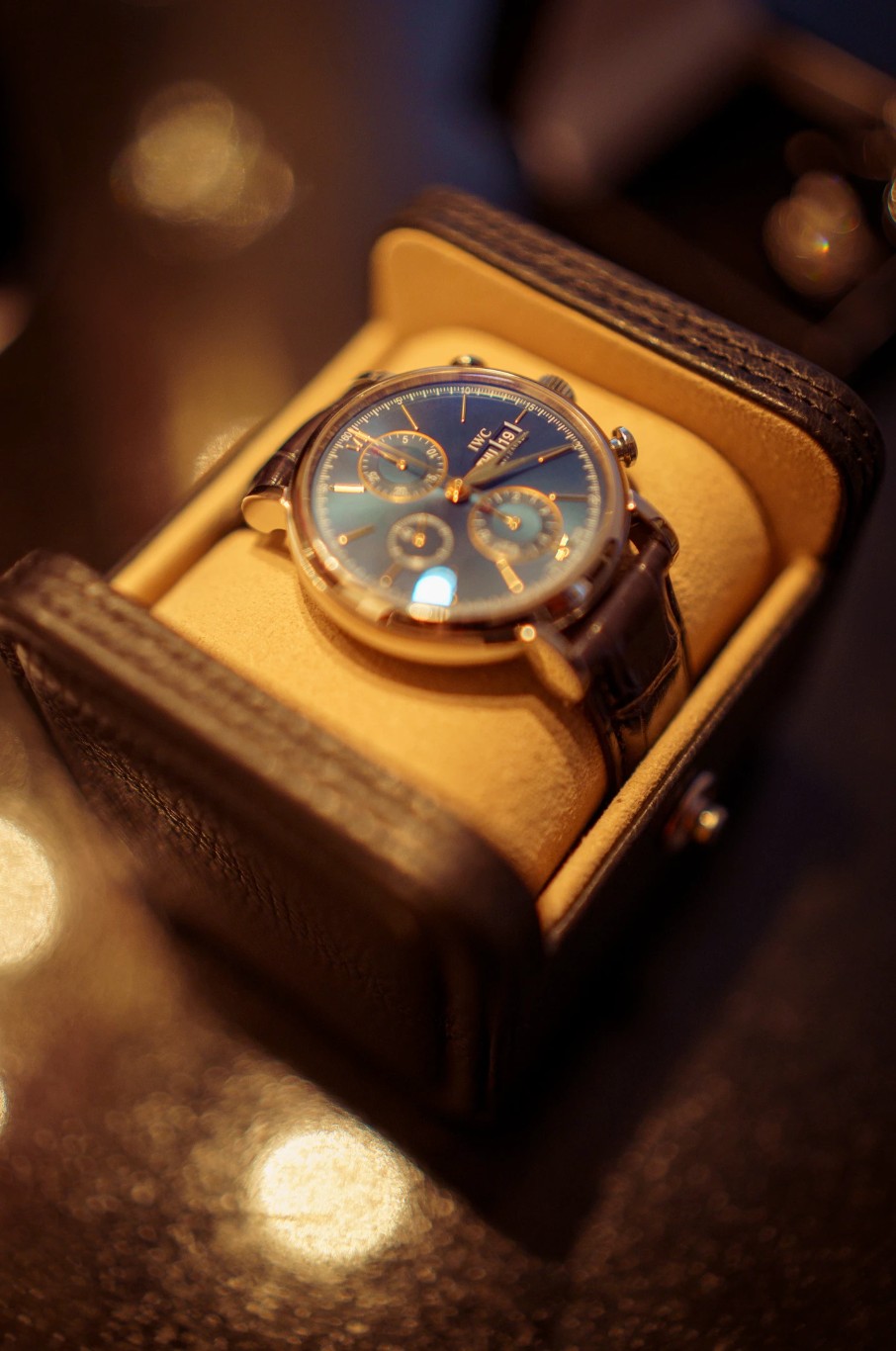
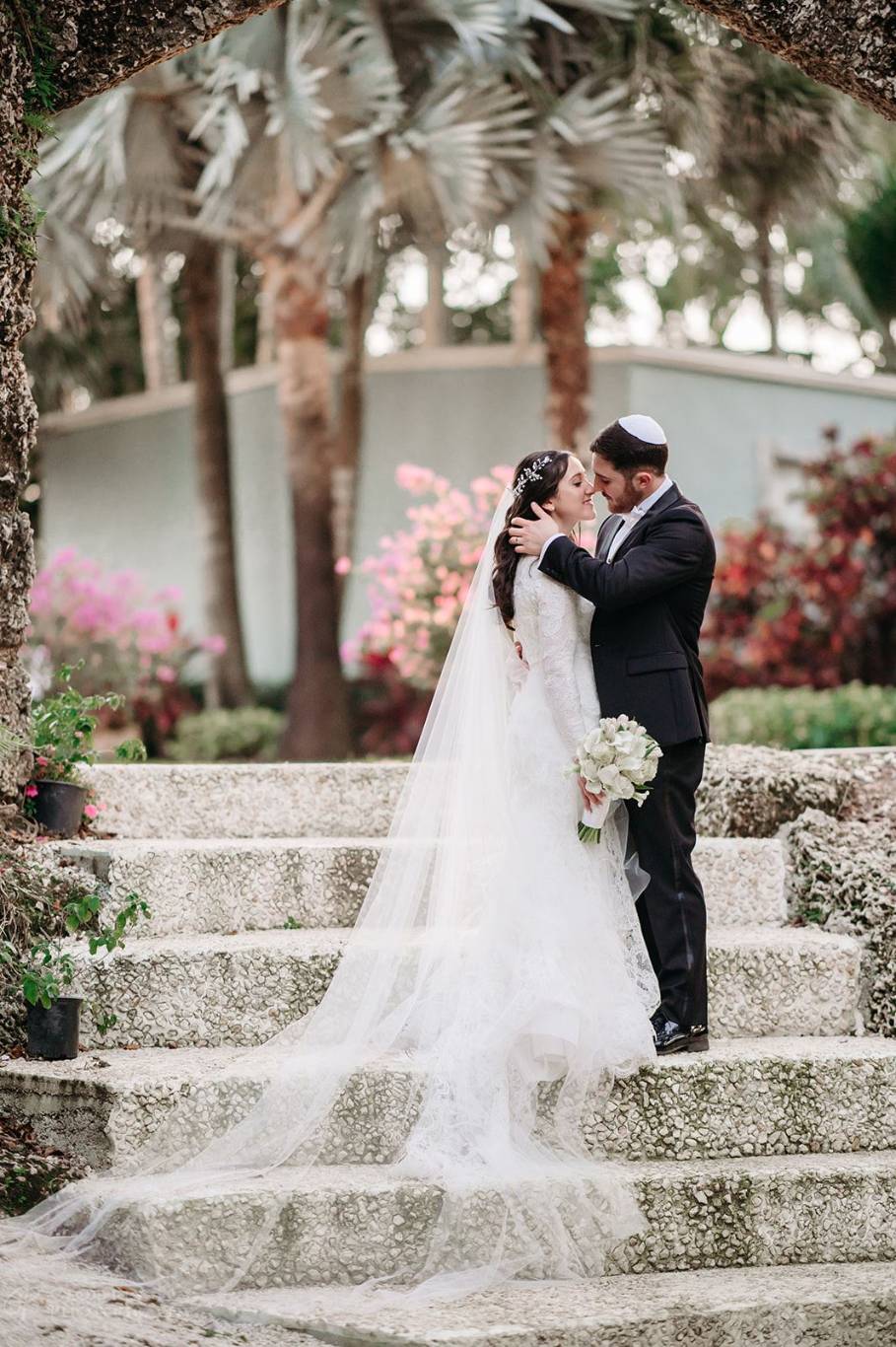
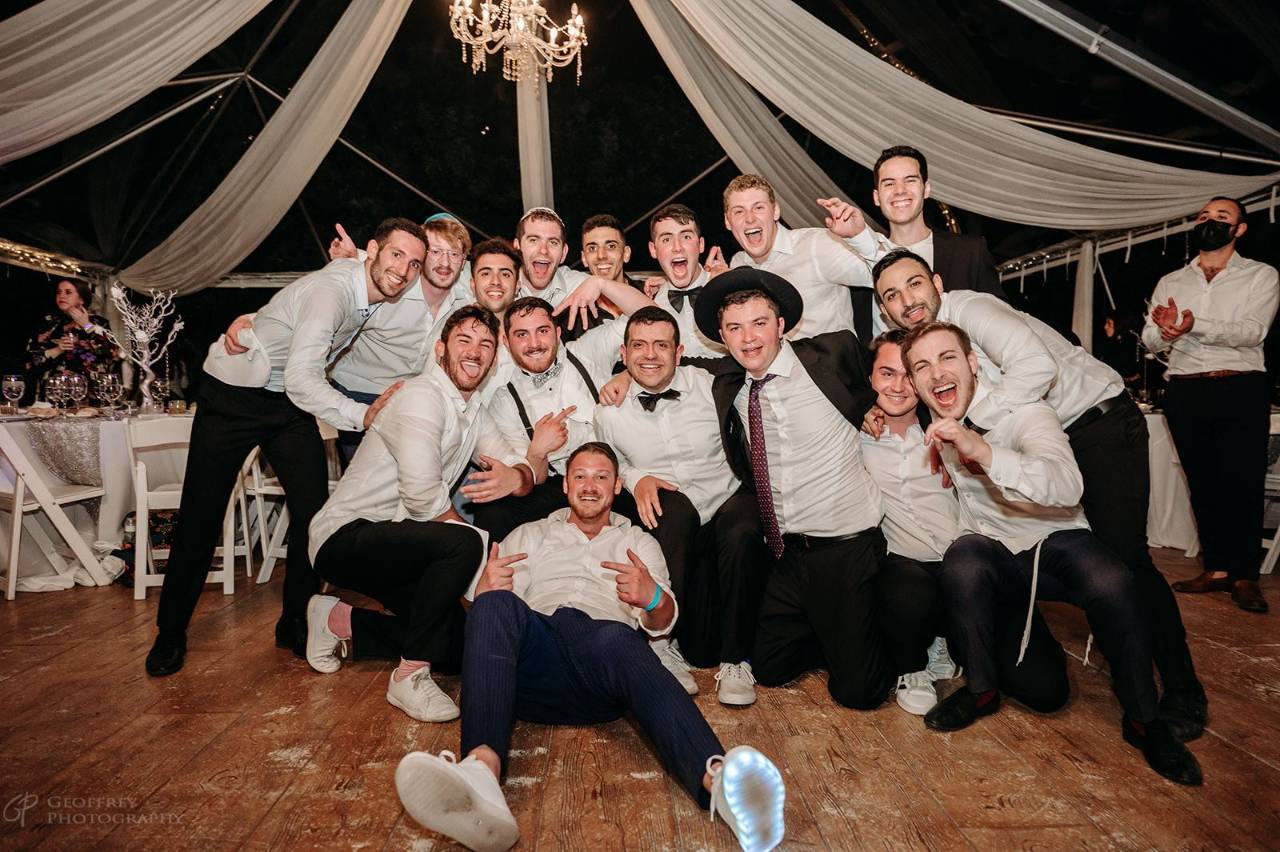
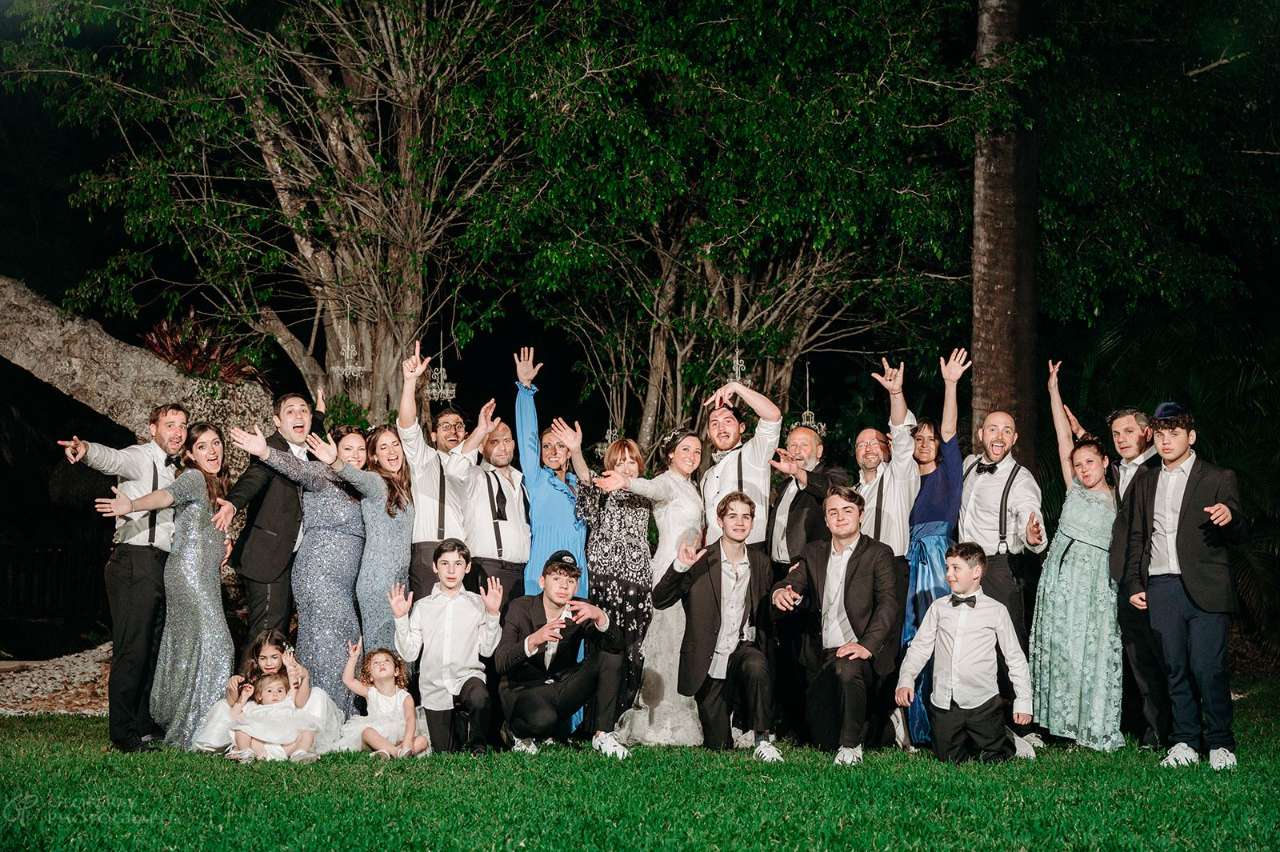
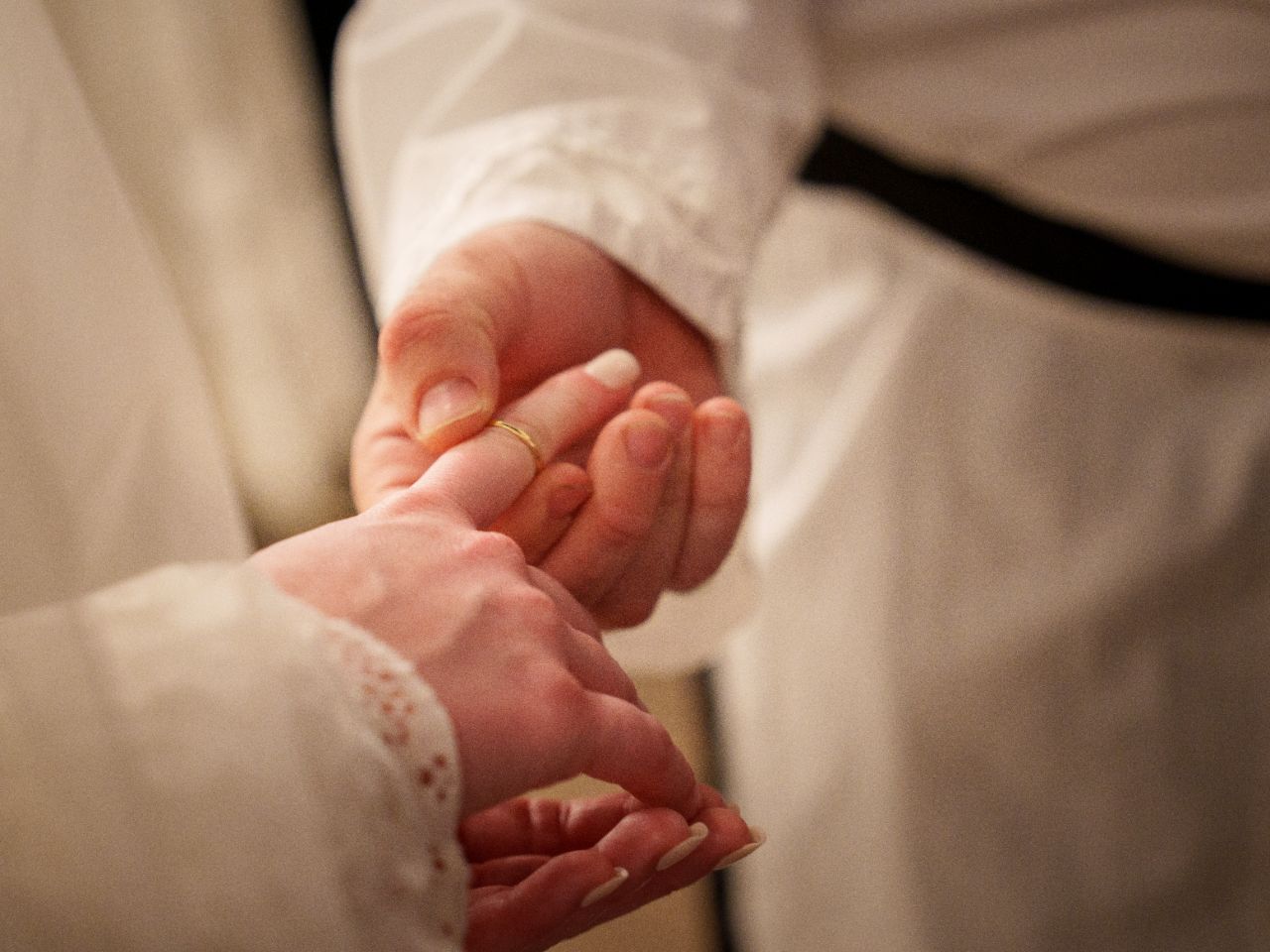
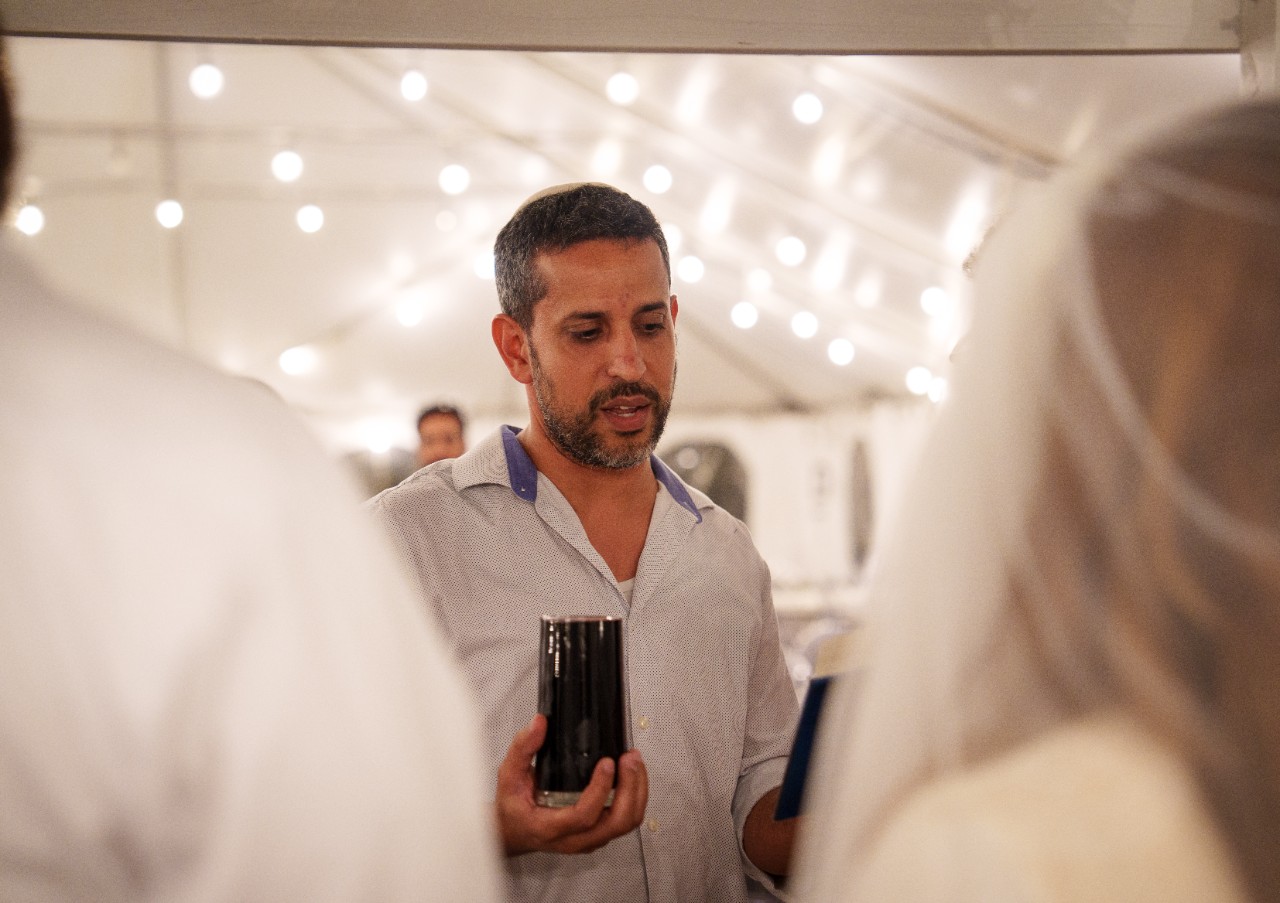
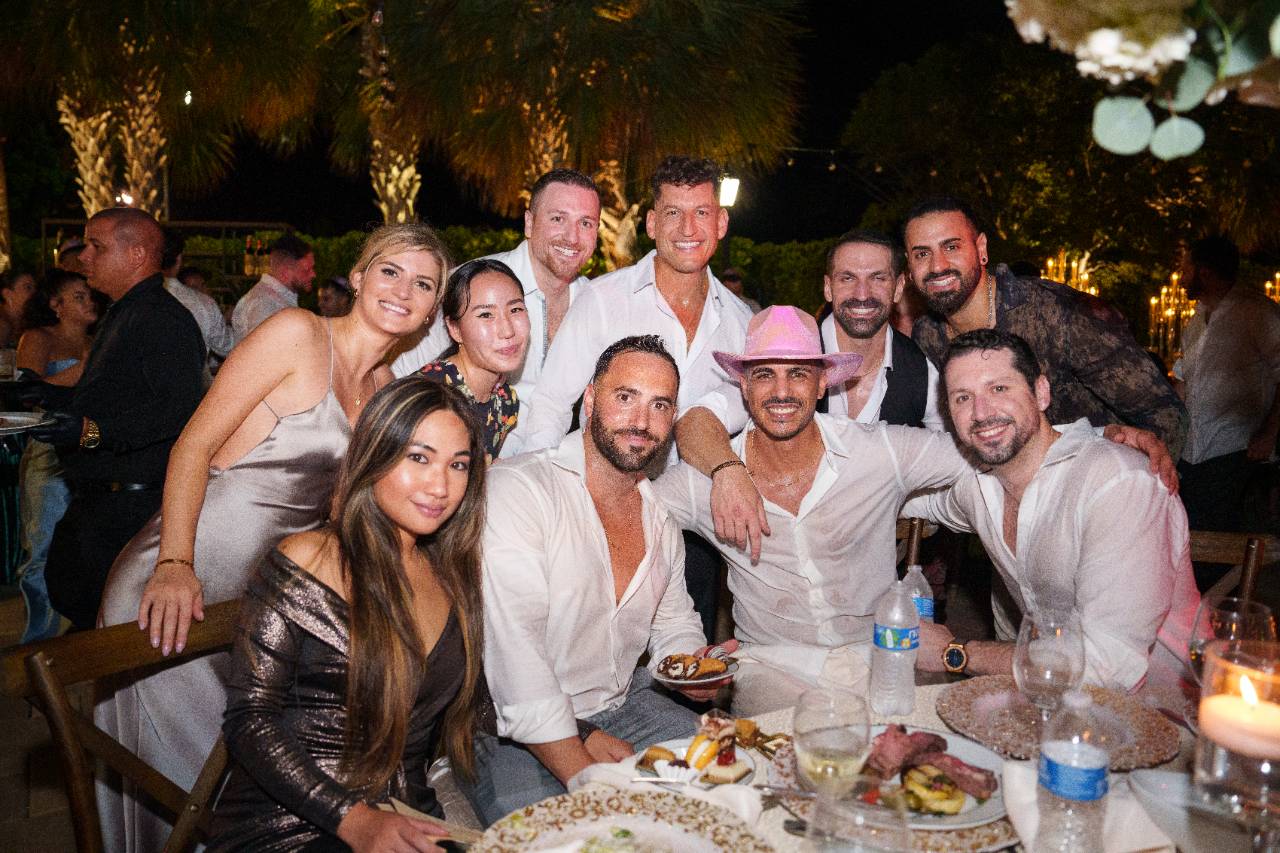
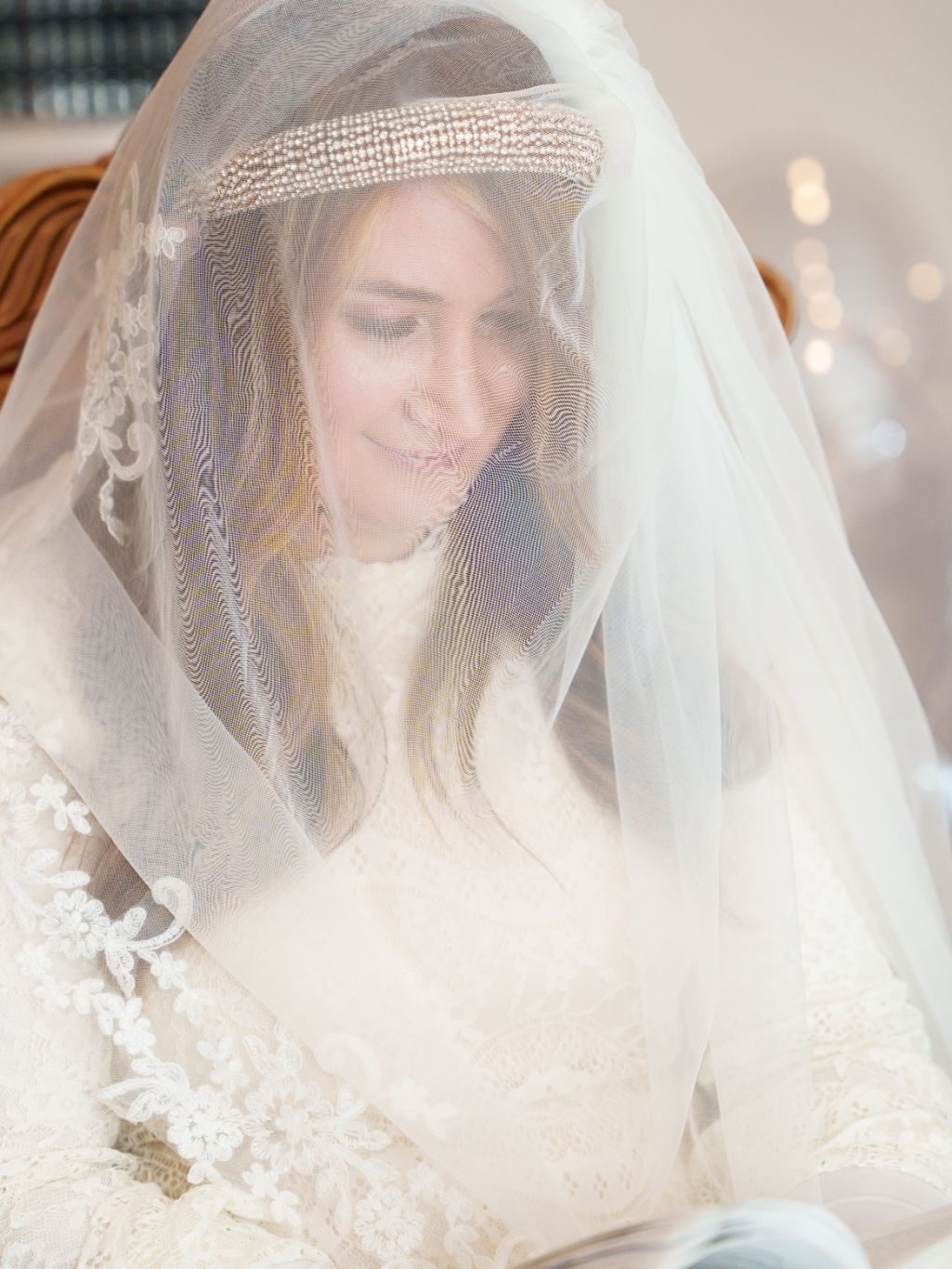
They remember whether it felt like the day they actually had.
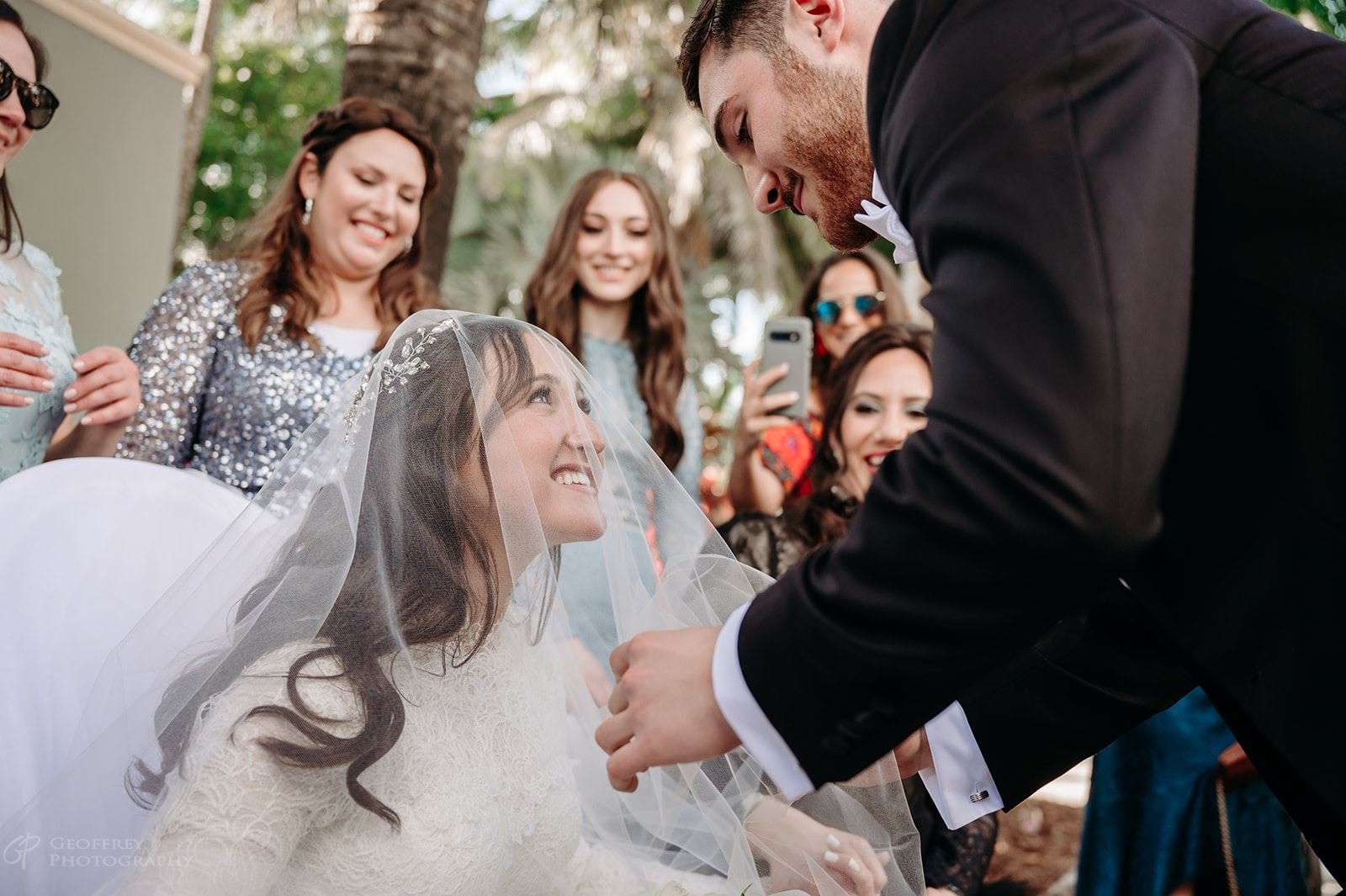
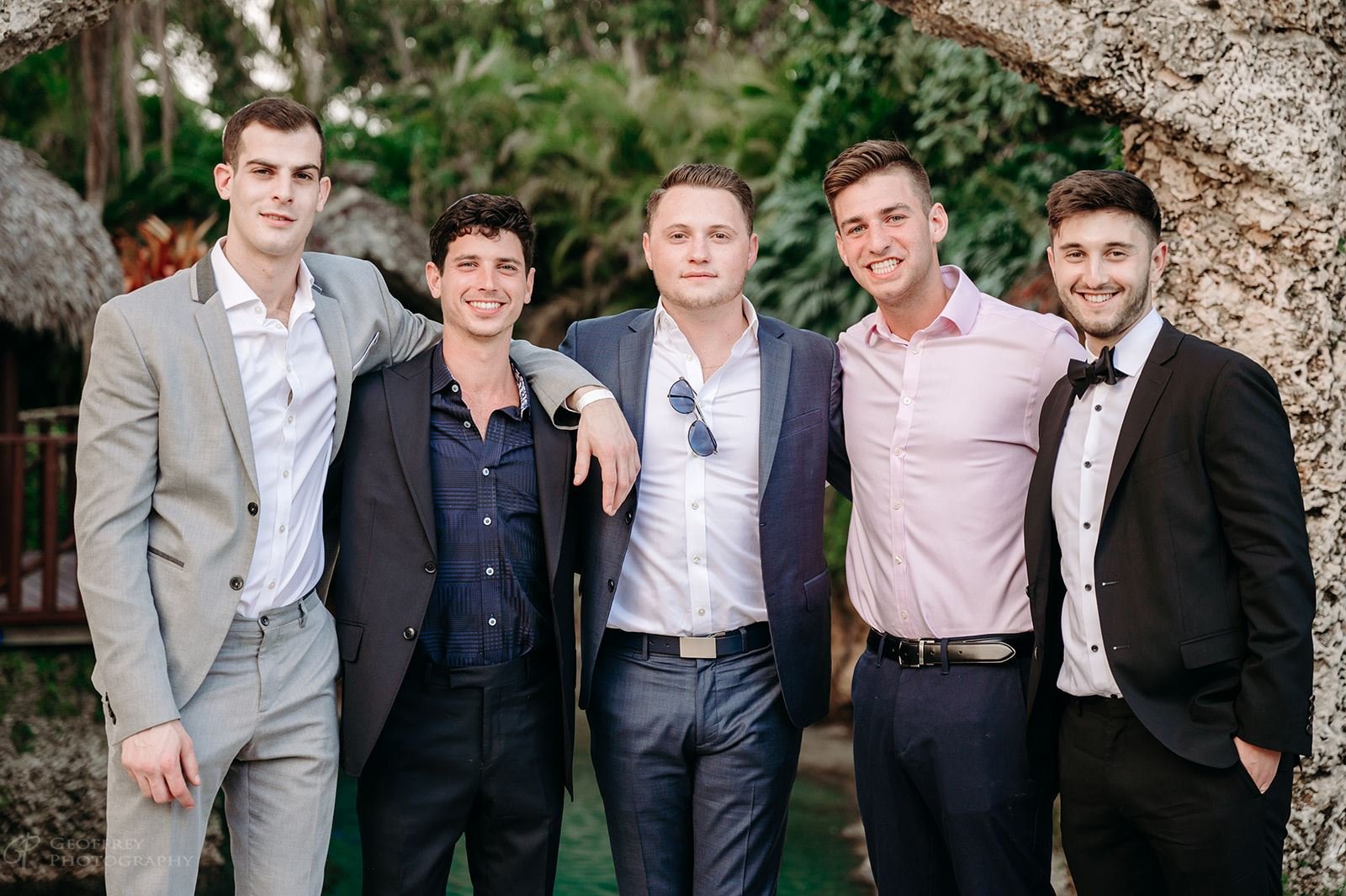
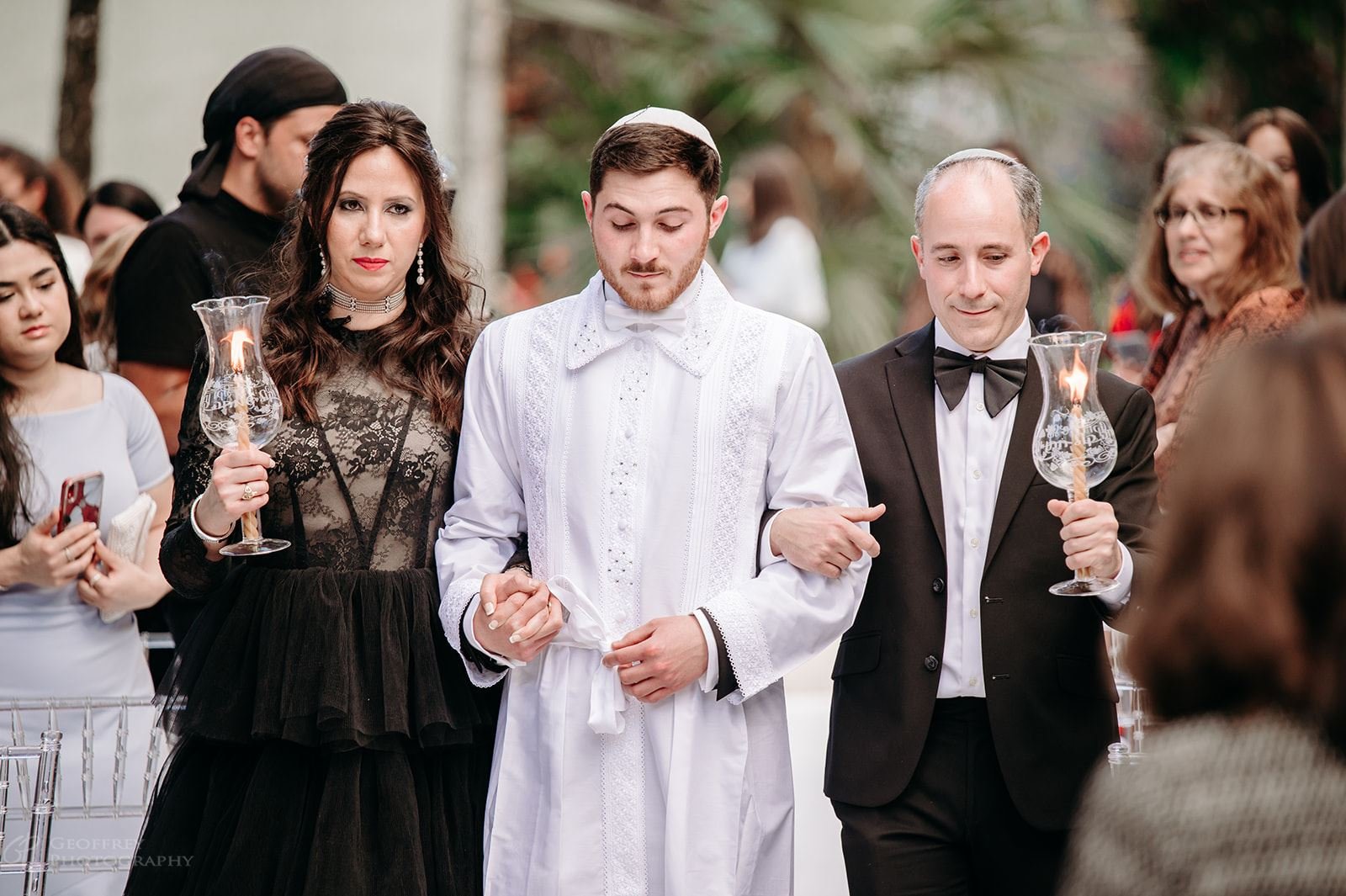
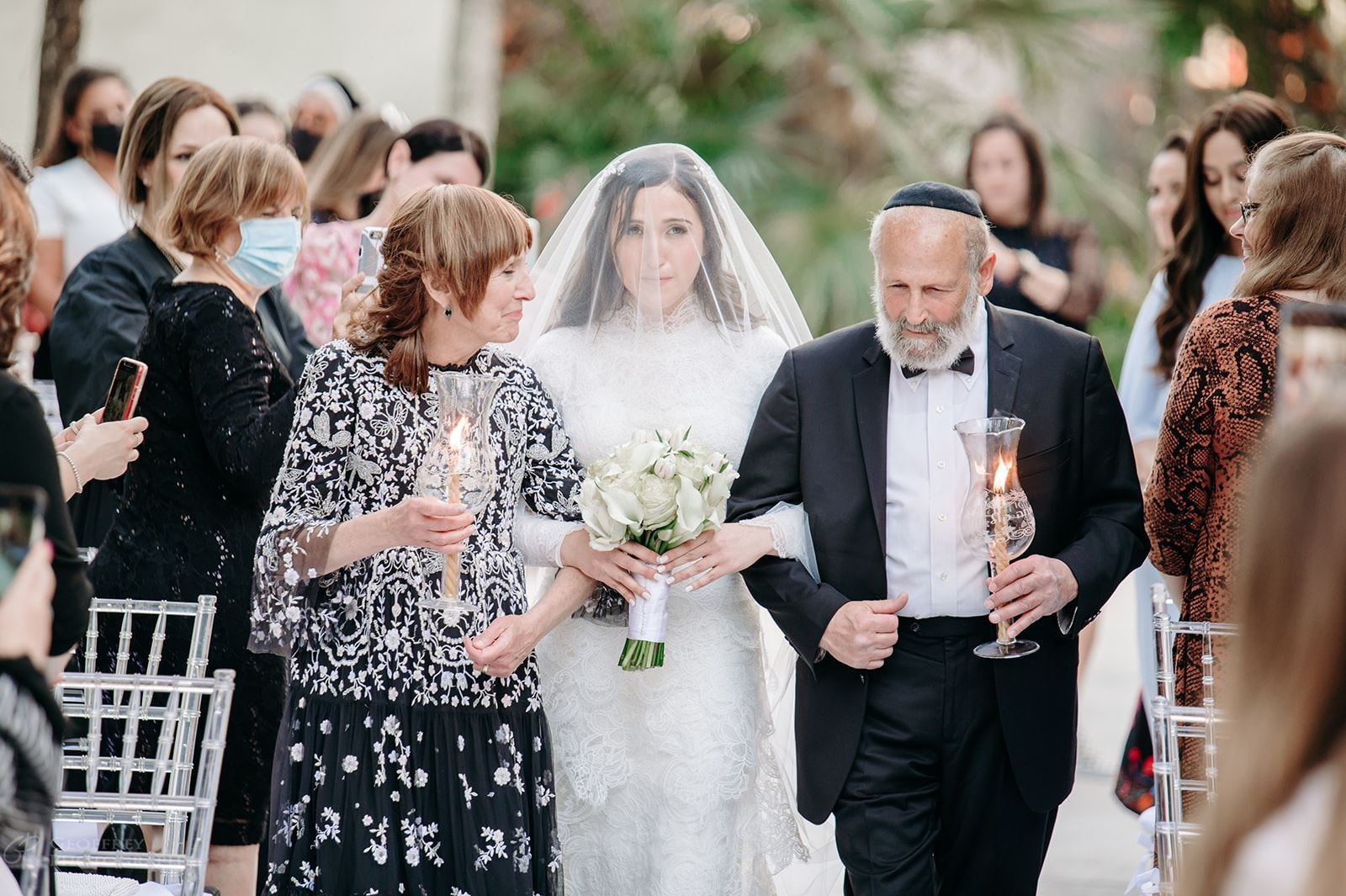
Anticipation beats reaction every time. By the time you see a moment, the frame worth having is already a second gone.
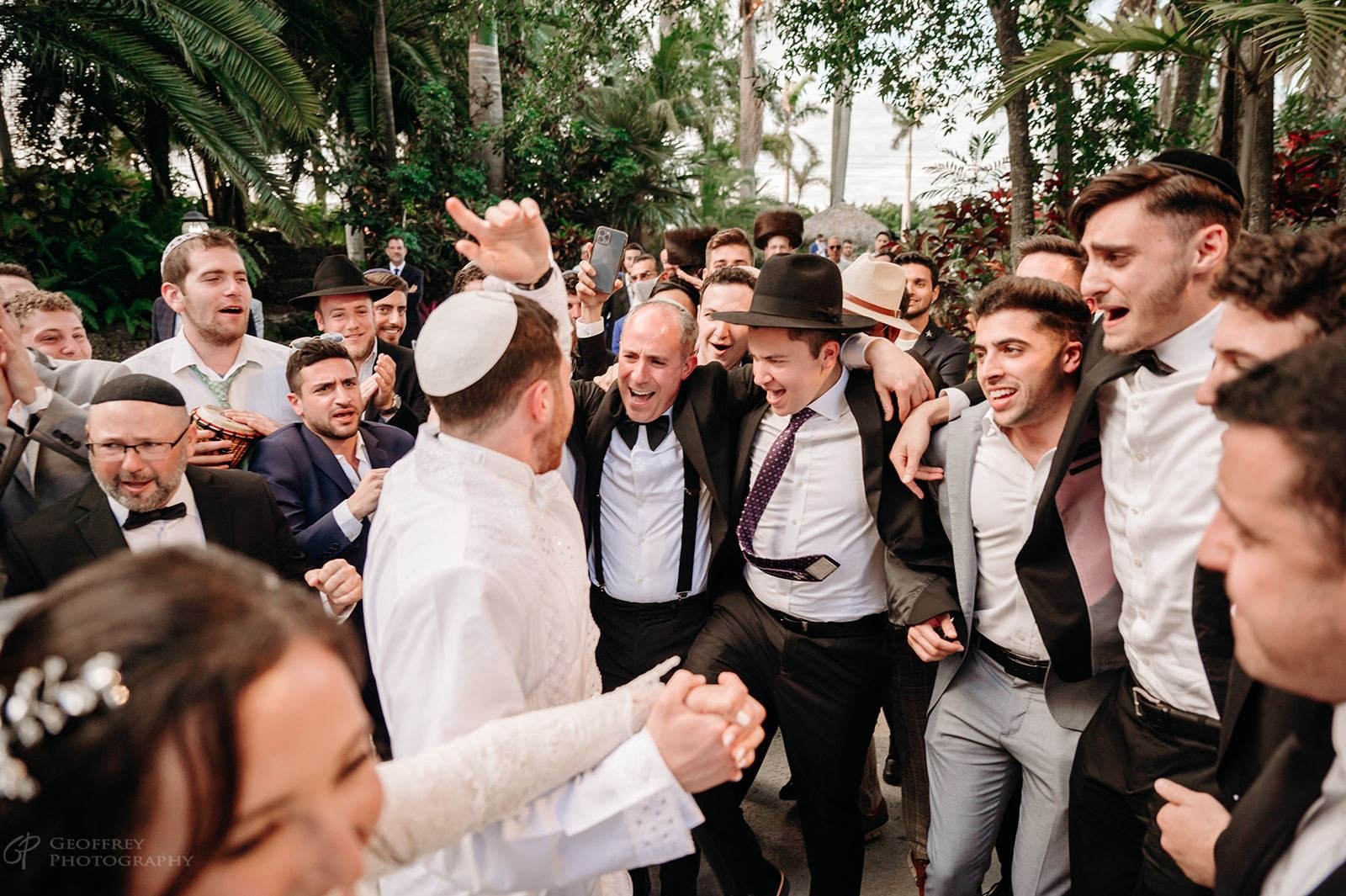
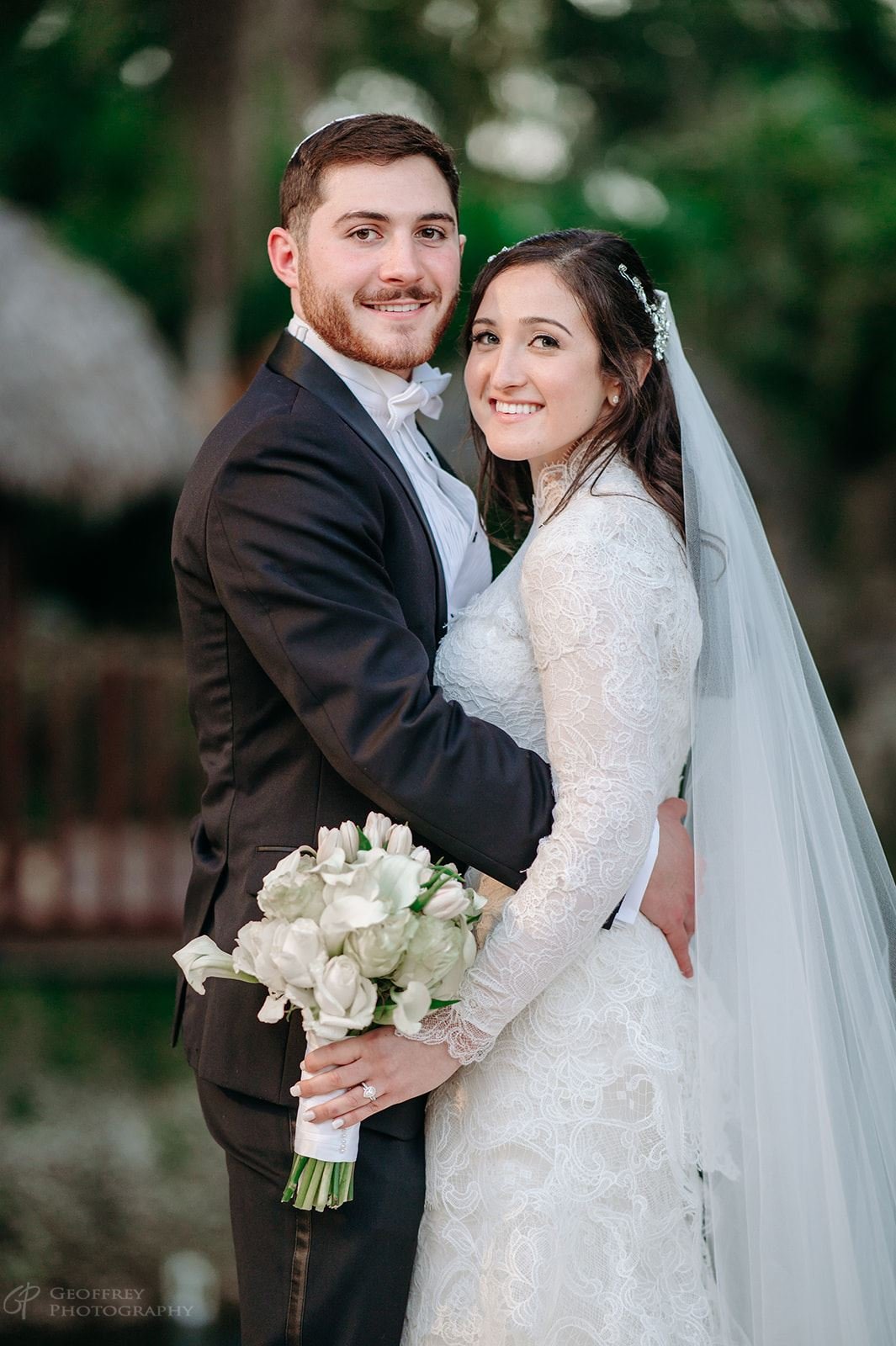
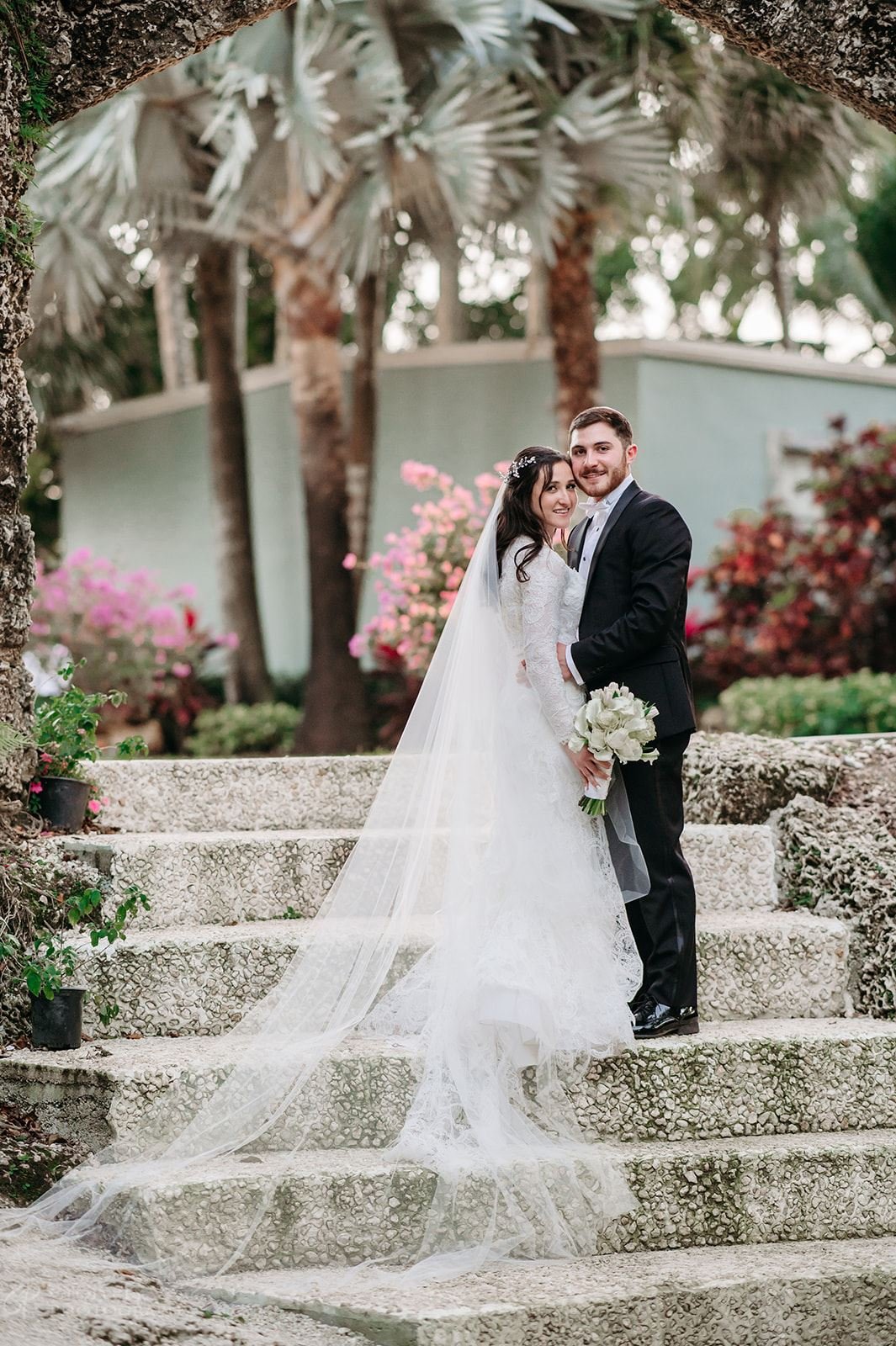
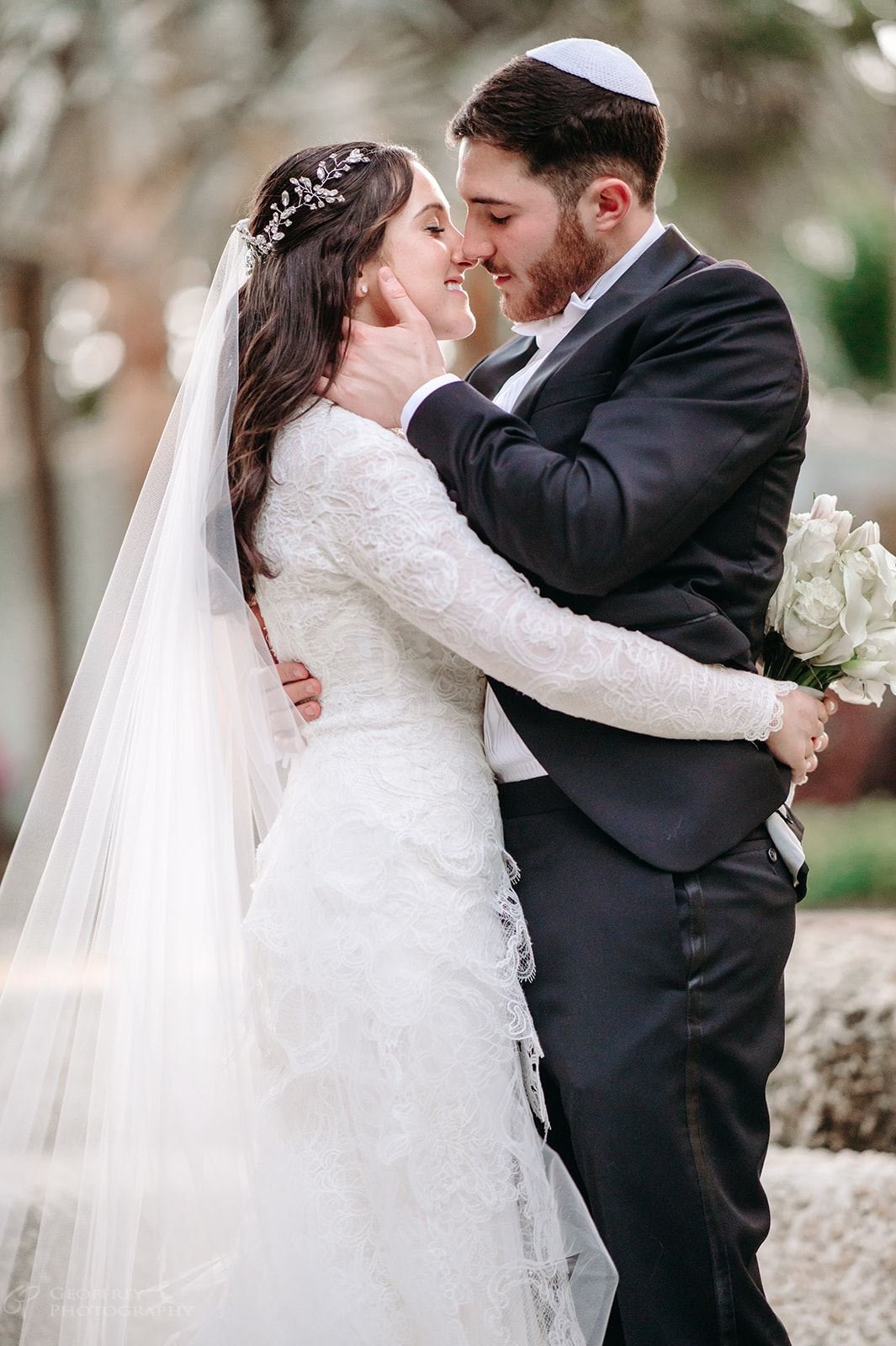
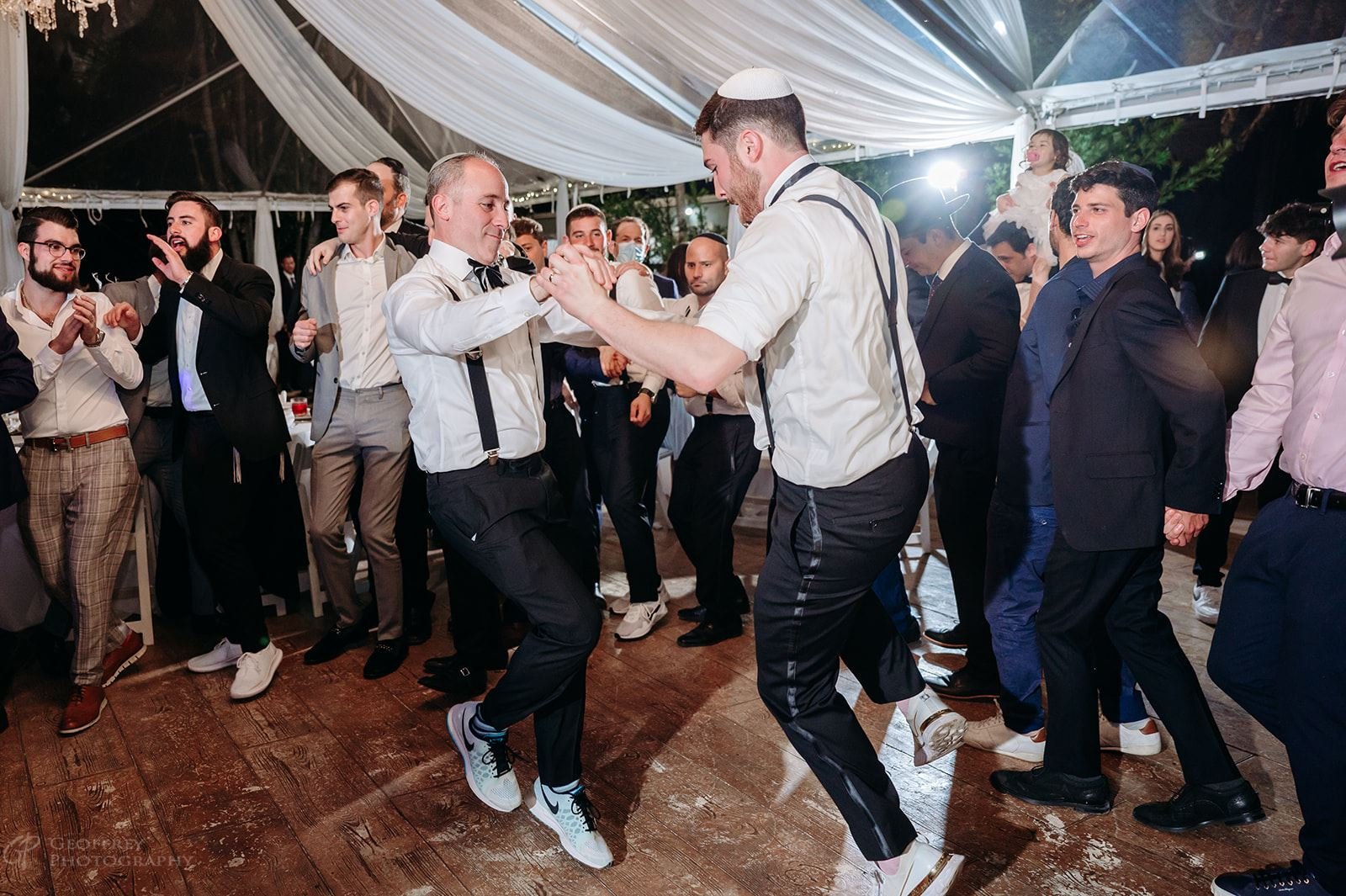
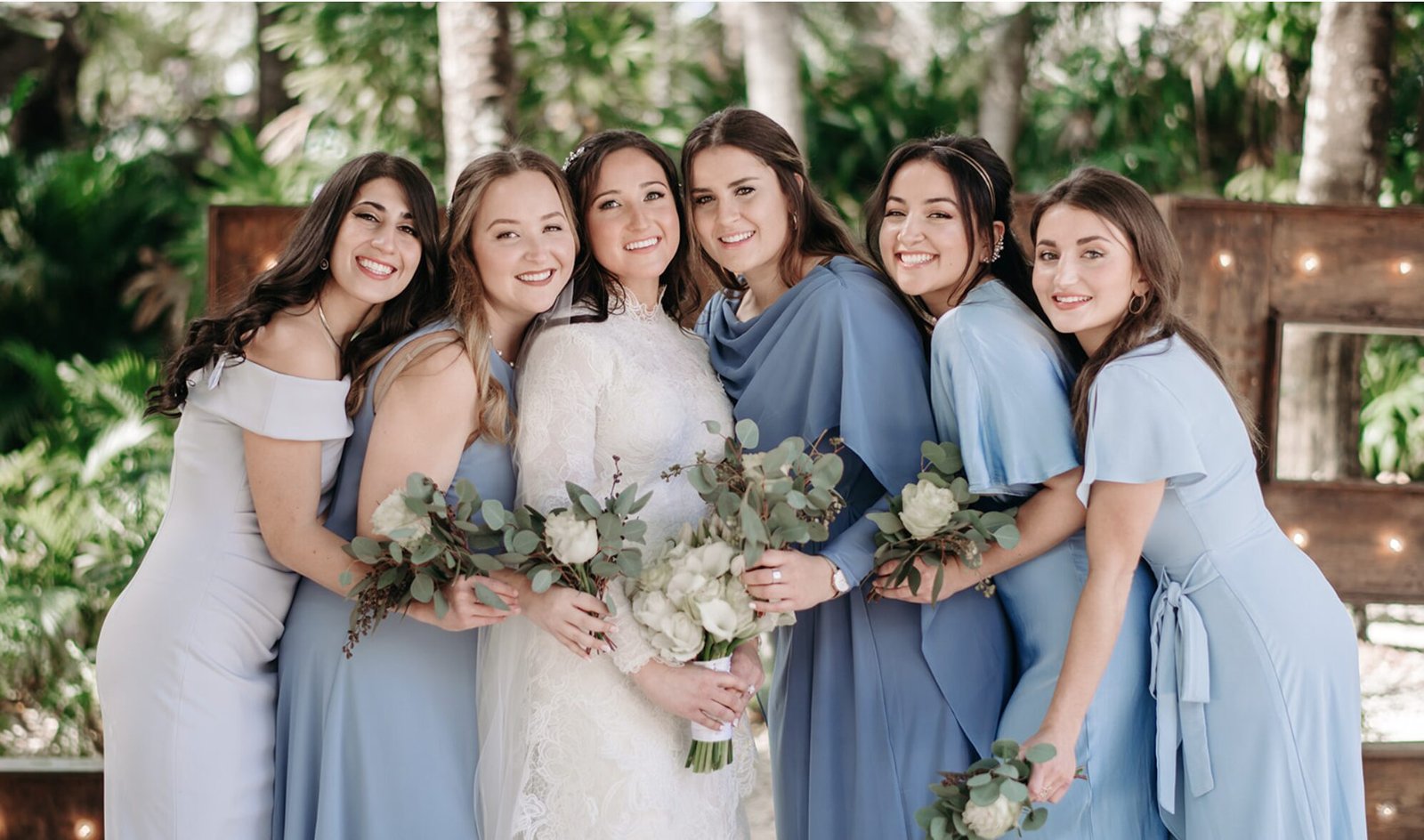
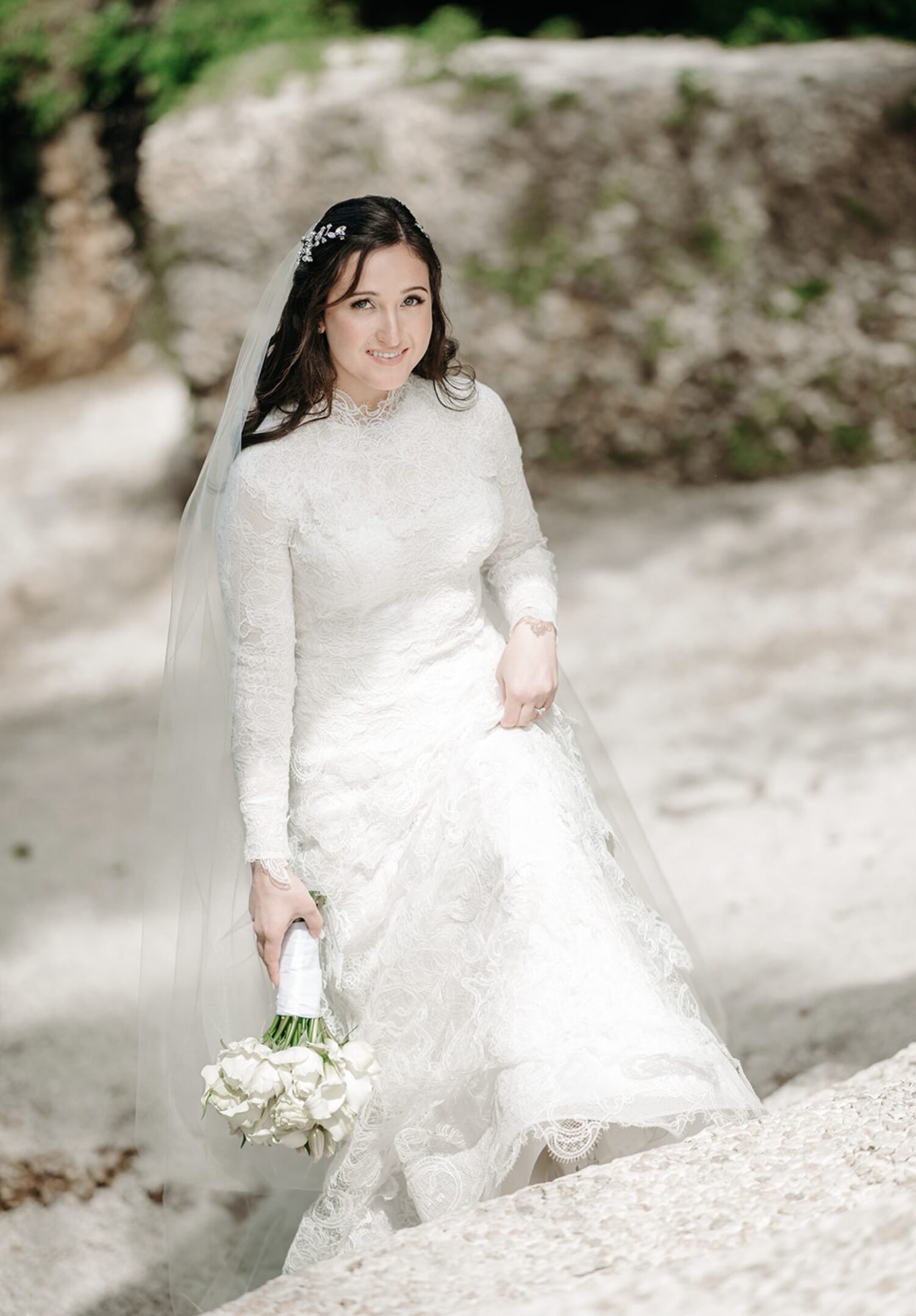
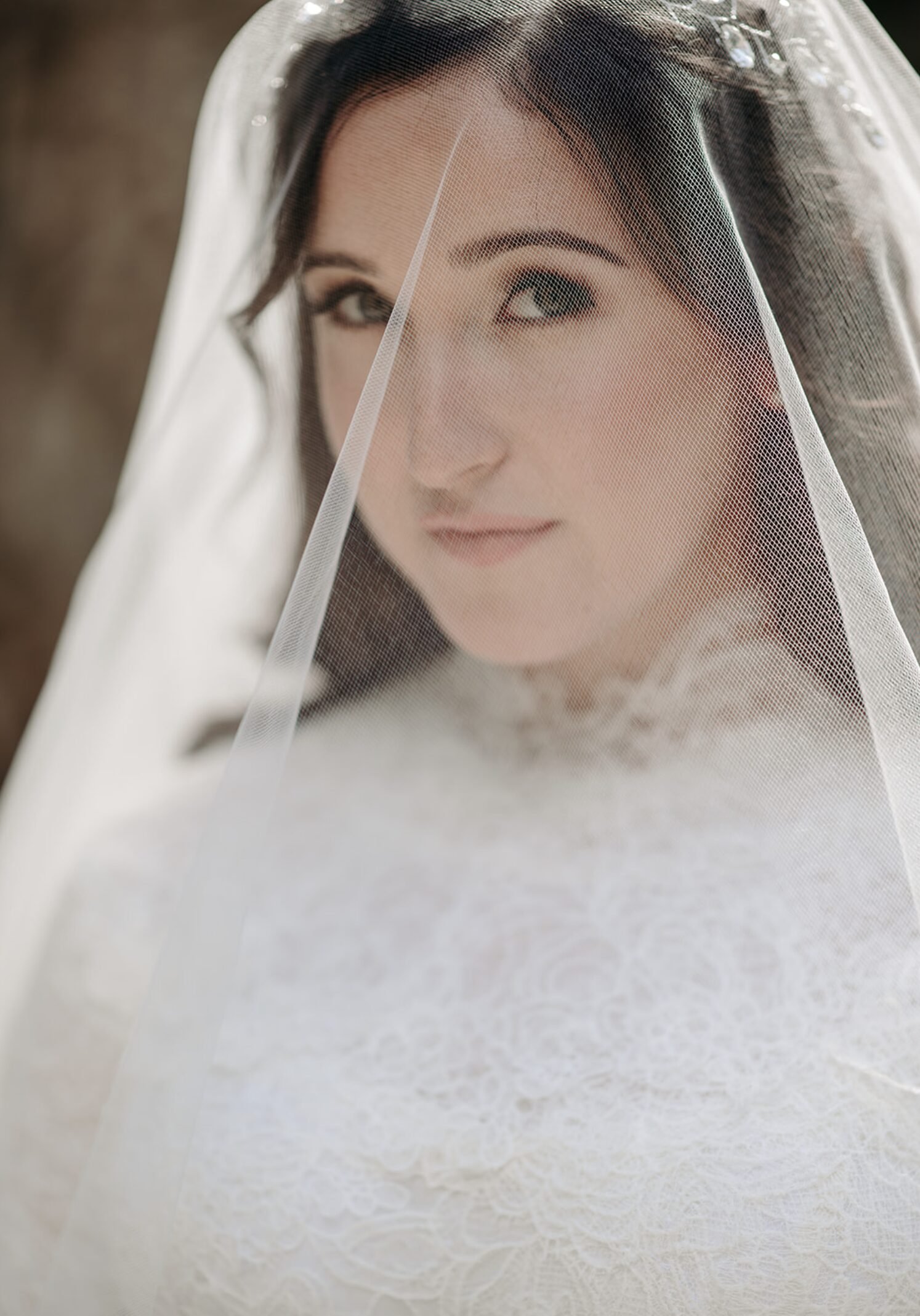
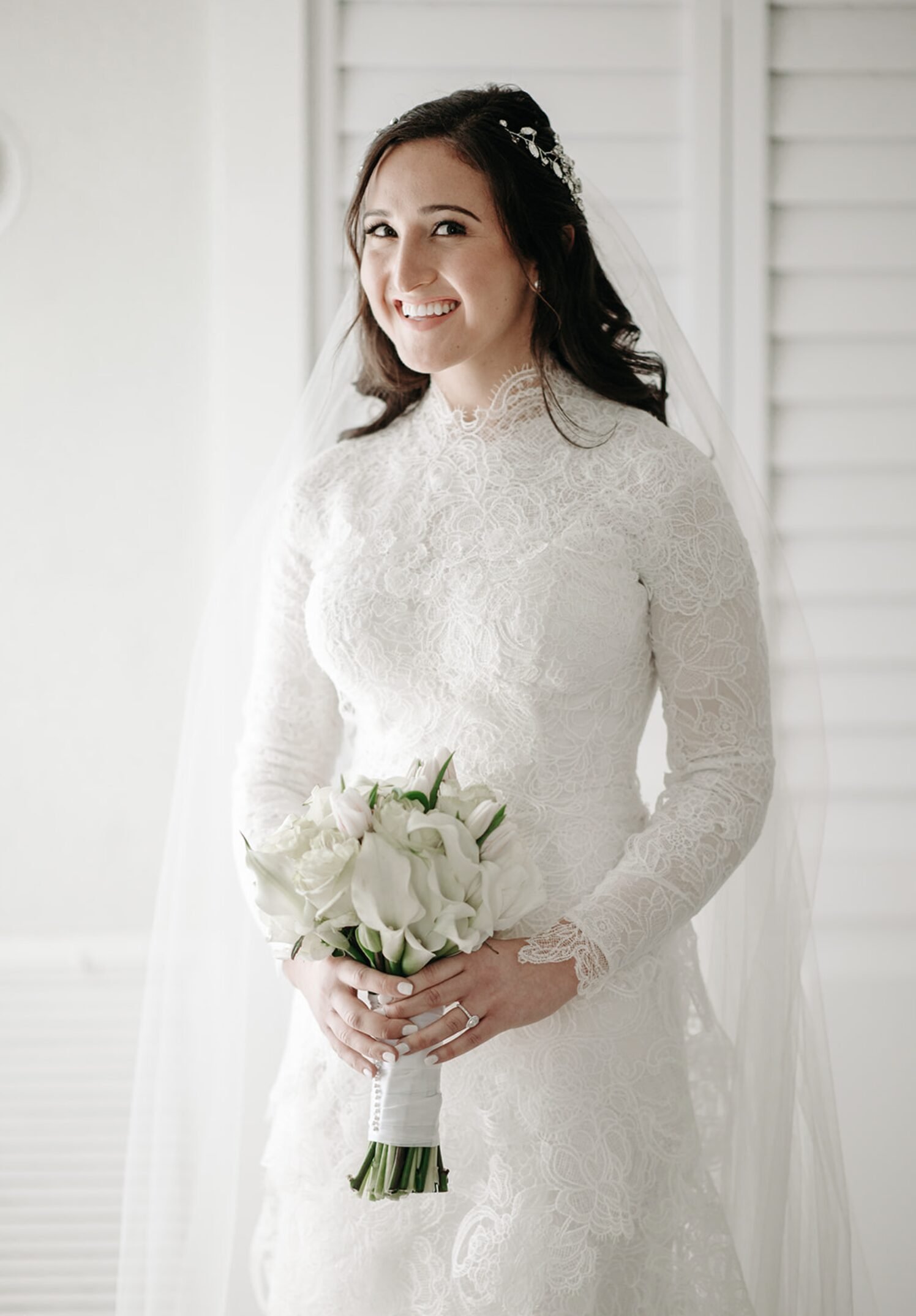
The part that gets decided on paper
Most of what decides a wedding gallery is settled before anyone picks up a camera. Where the ceremony faces. What time the sun clears the building. Whether the getting-ready room has a window or just a lamp and a mirror. Whether anyone has told the family who is standing in the group shots.
That last one is where weddings run late. Send me the timeline before it is locked, not after. I will tell you which parts of the day are load-bearing and which hour can move. Nearly every problem is easy to fix on paper and impossible to fix once the day starts.
The worry about looking stiff
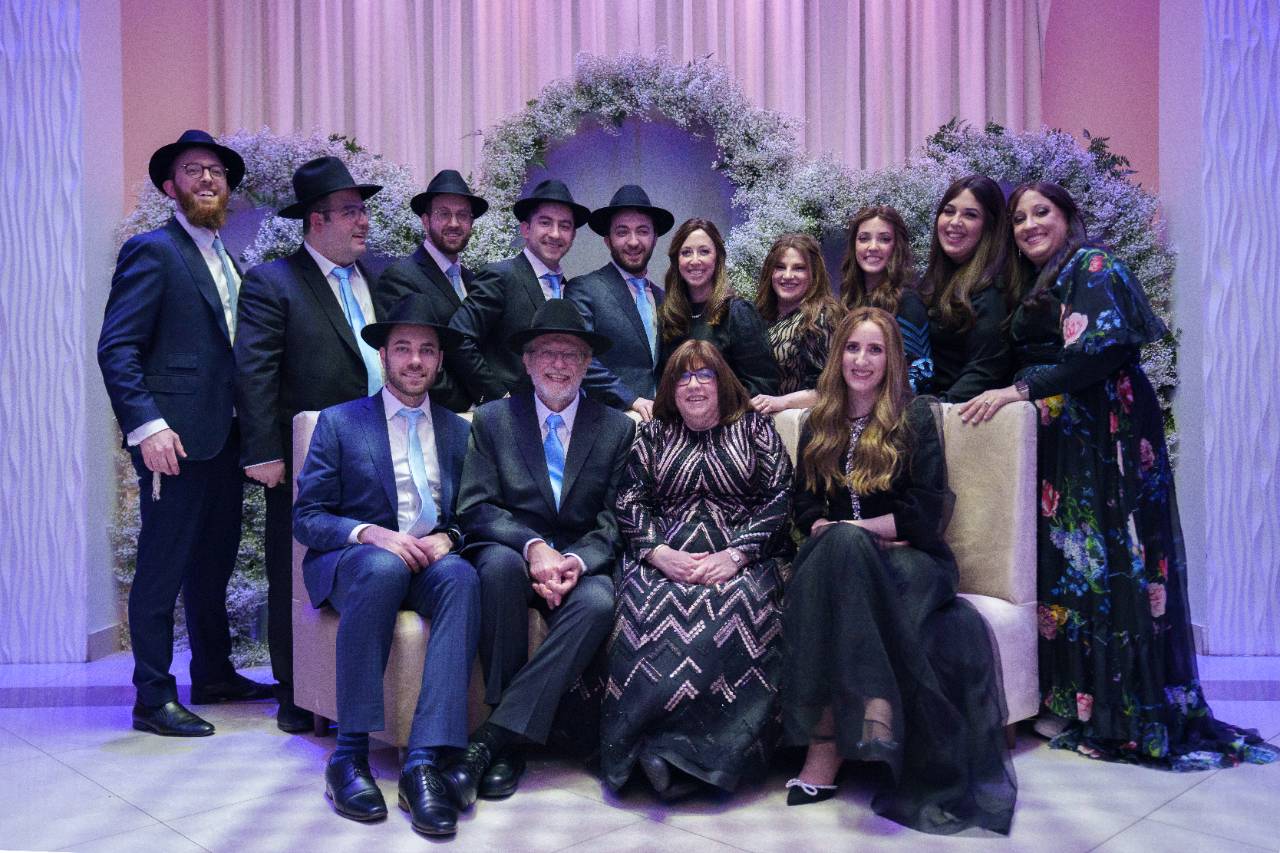
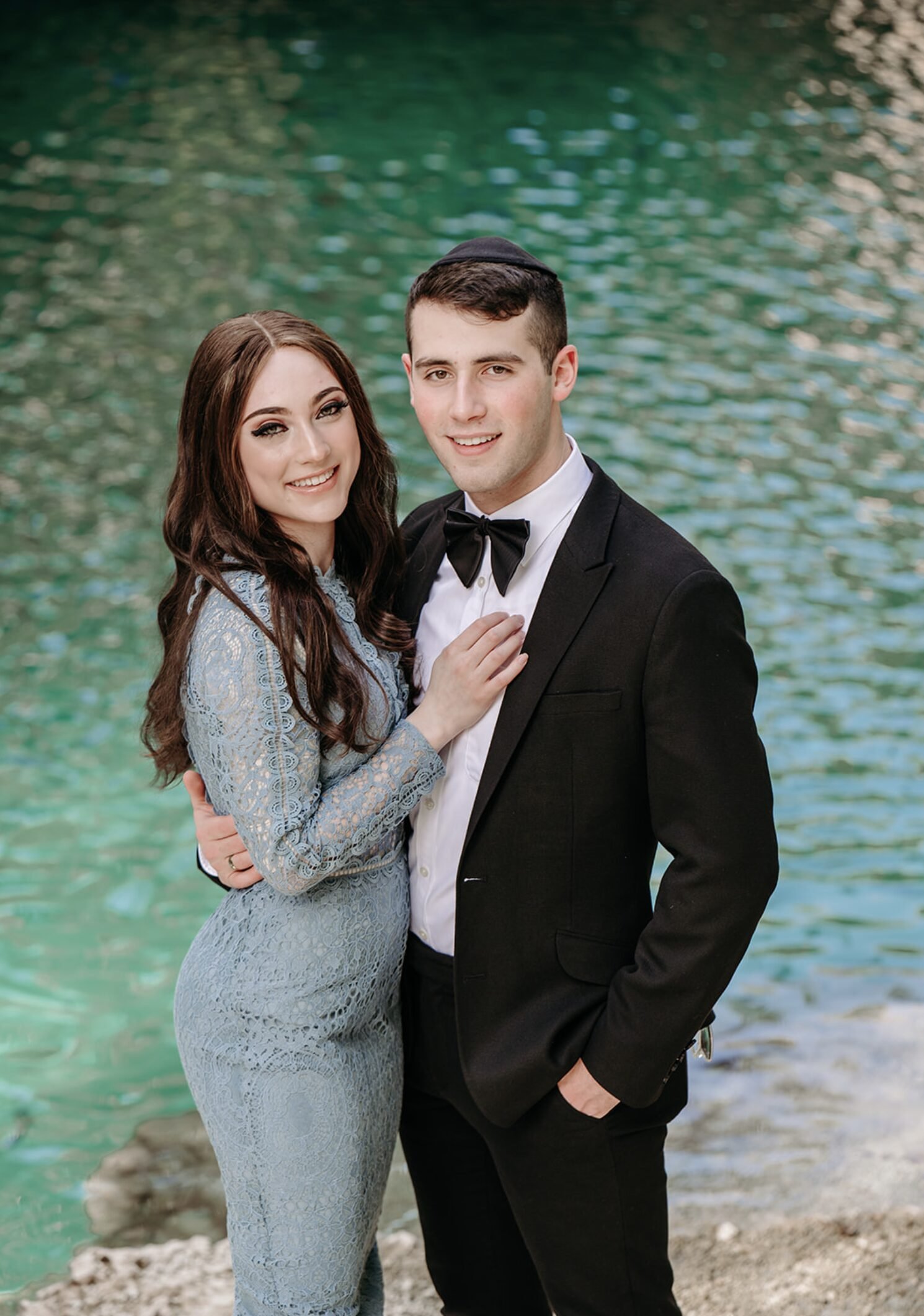
Nobody looks like themselves while being looked at. That is not a flaw in you, and it is not solved by coaching or by a better angle.
It is solved by time. A directed portrait that runs long stops being a portrait and starts being a performance. The shoulders rise, the smile sets, and everyone begins waiting for it to end. Keep that stretch short and the rest of the day loosens on its own. Which is why stiffness is rarely a problem with the people in front of the camera. It is a problem with how long they have been asked to stand there.
Explore my other photography categories or get in touch if you’re planning a project.