A good portrait feels like the person, not the pose. I keep these relaxed: the goal is the version of you your friends would recognize, not a stiff studio shot. Individuals, families, creatives, anyone who wants an image that actually looks like them.
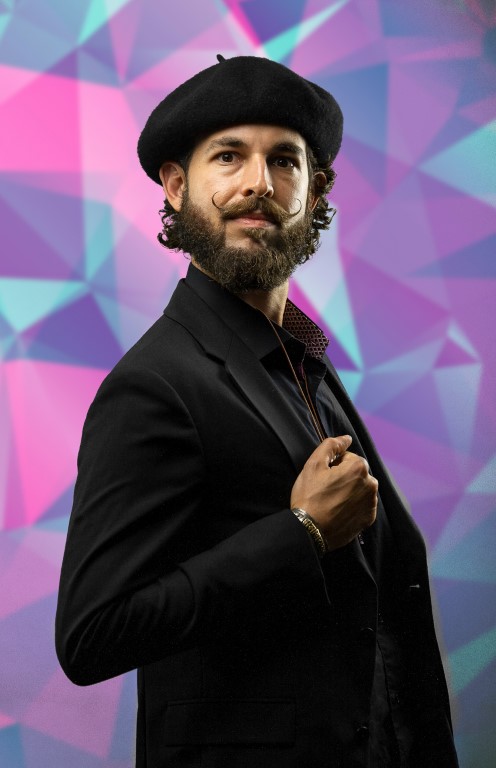
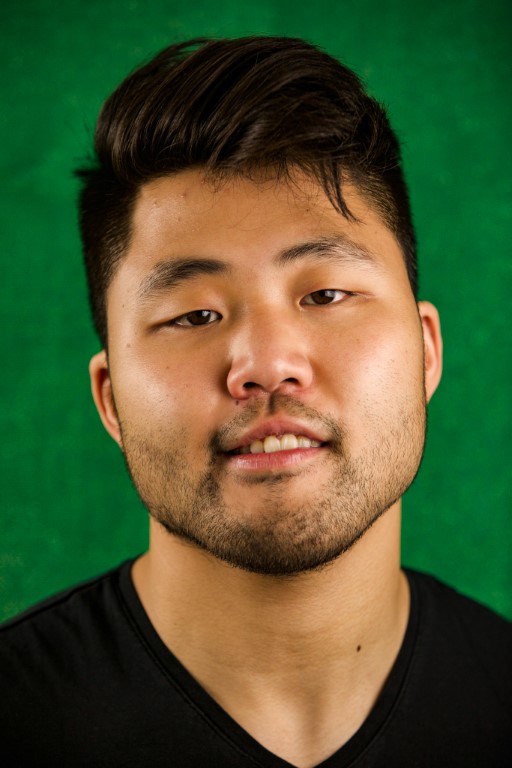

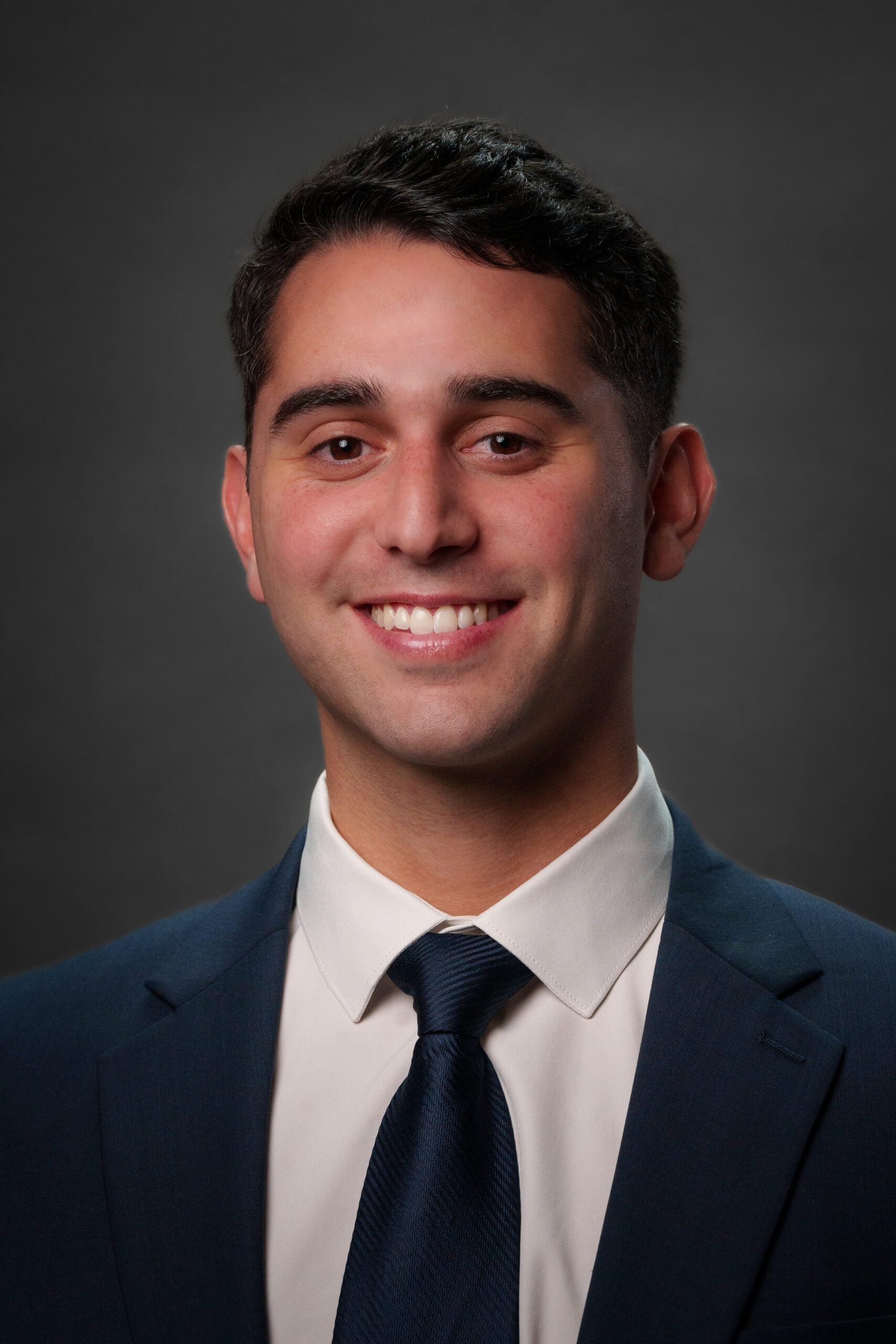

The whole job is getting someone to stop performing. Most people arrive braced: chin set, shoulders up, wearing the face they think a camera wants.
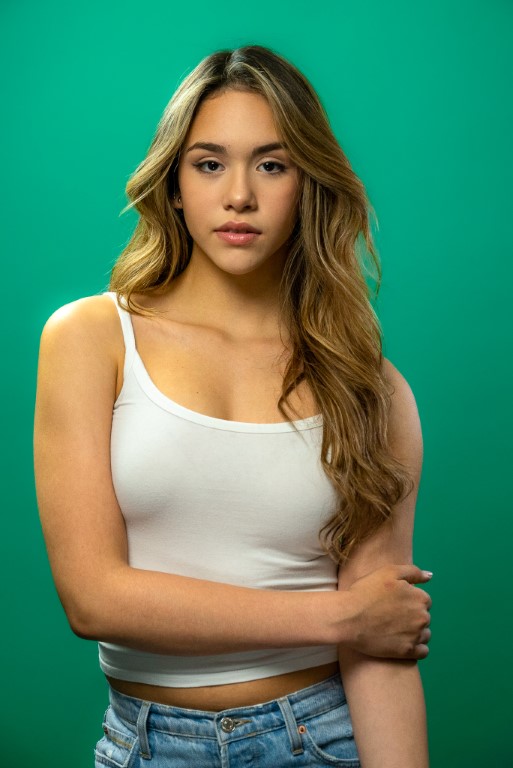
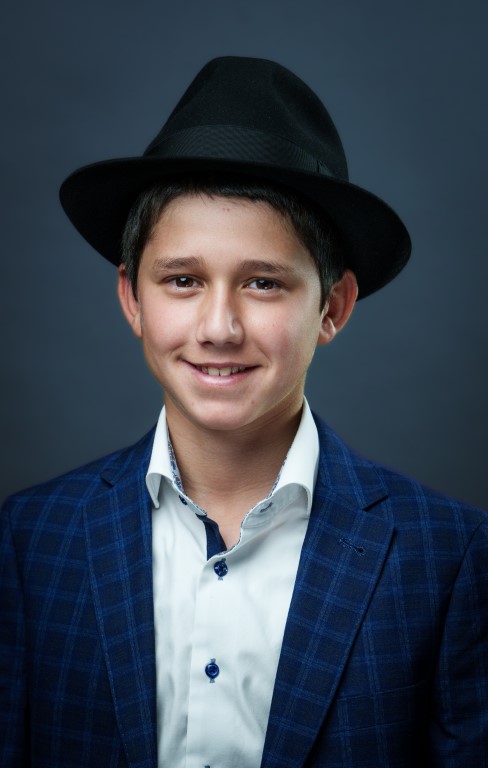

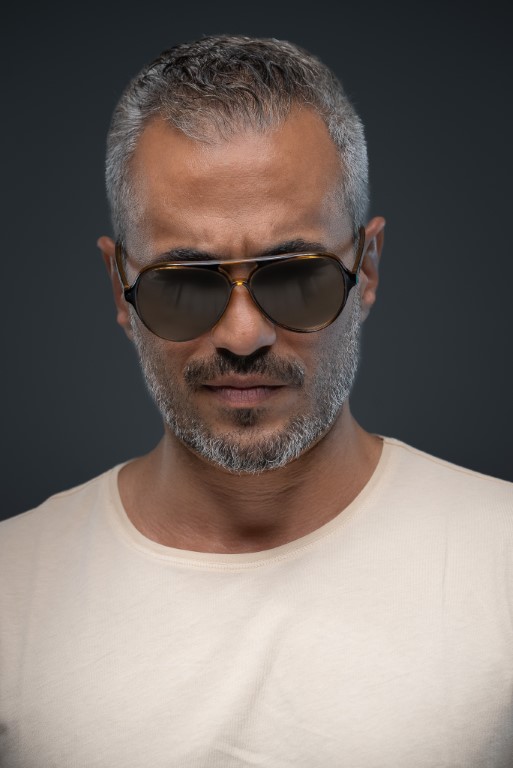
The frame I keep is almost never the one anybody posed for. It is the half-second after, when they exhale.

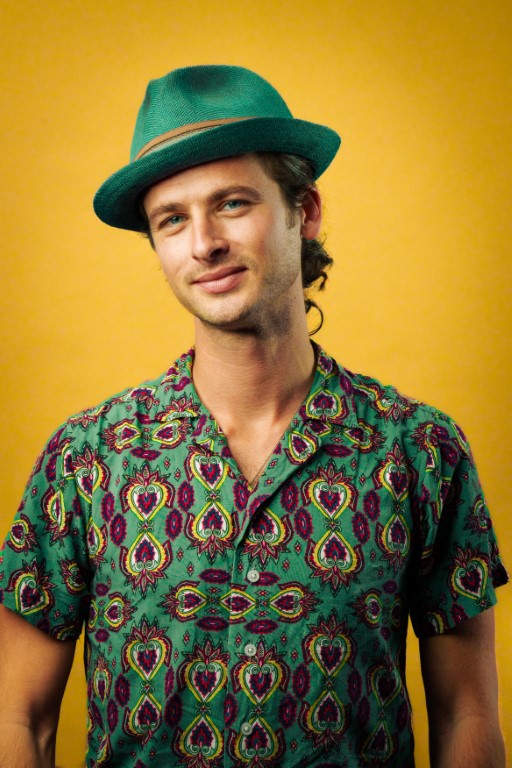

That is the version people recognise as themselves, and it is the only version worth handing over.
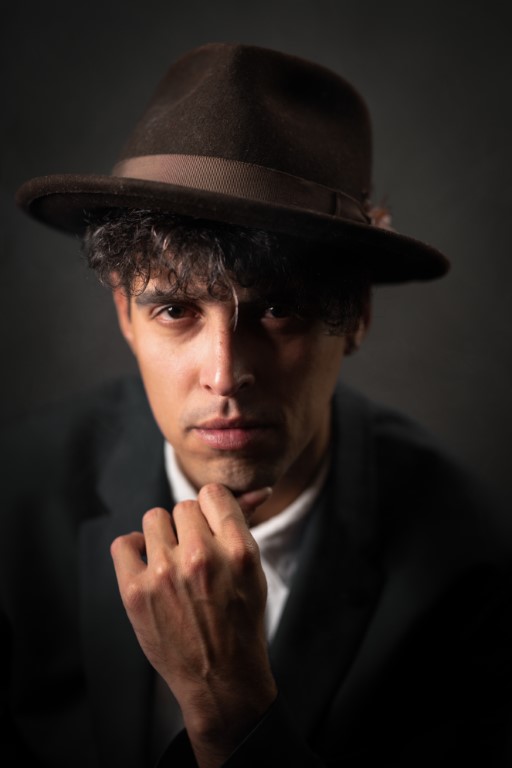


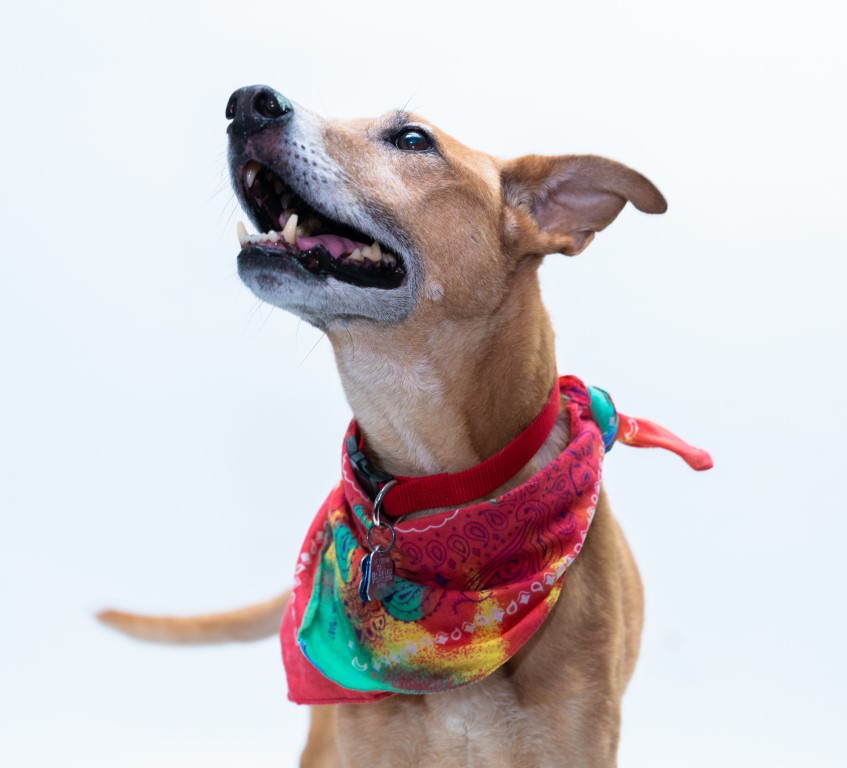

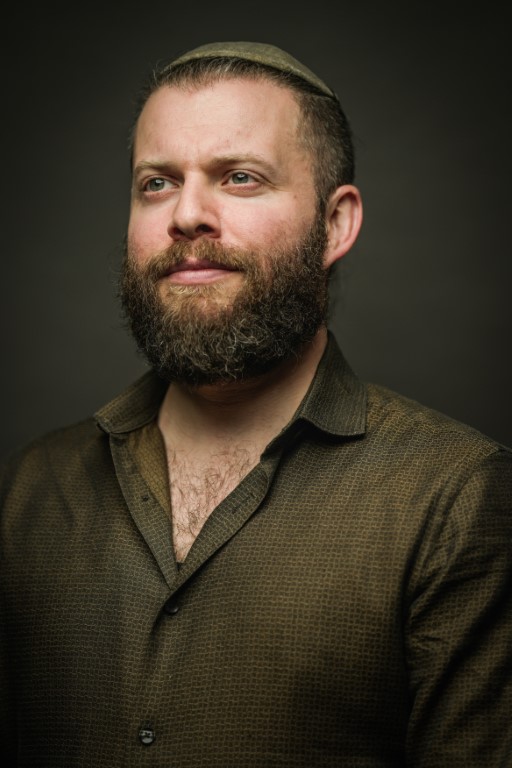
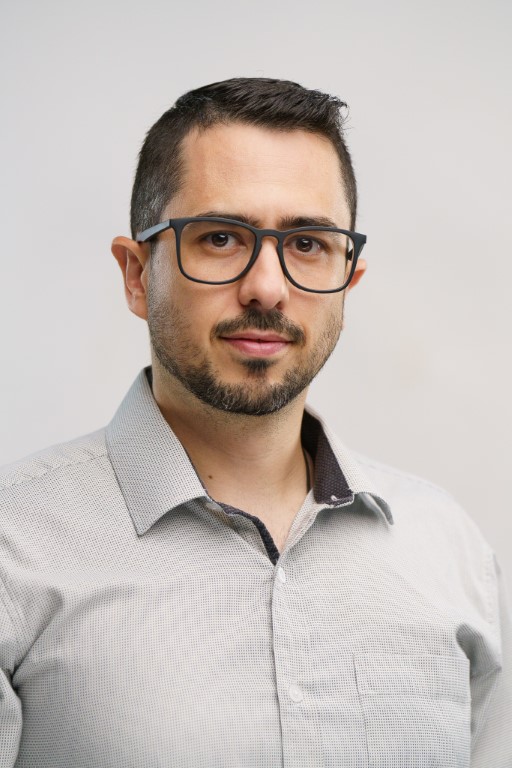

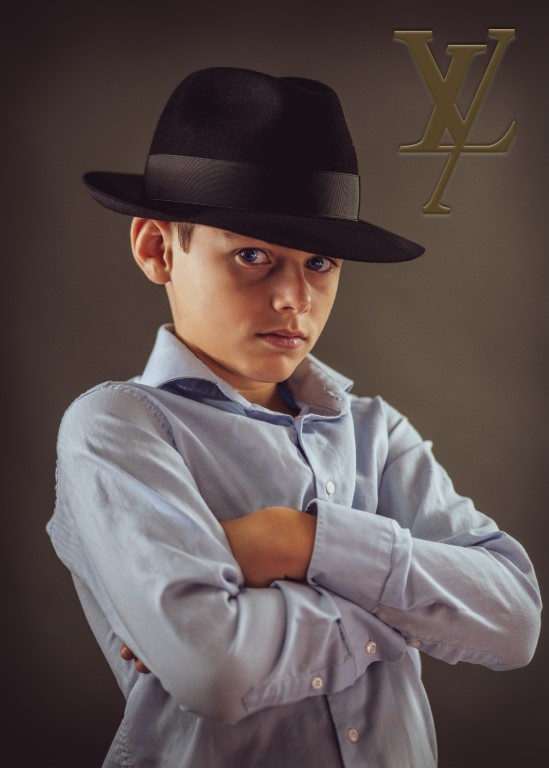
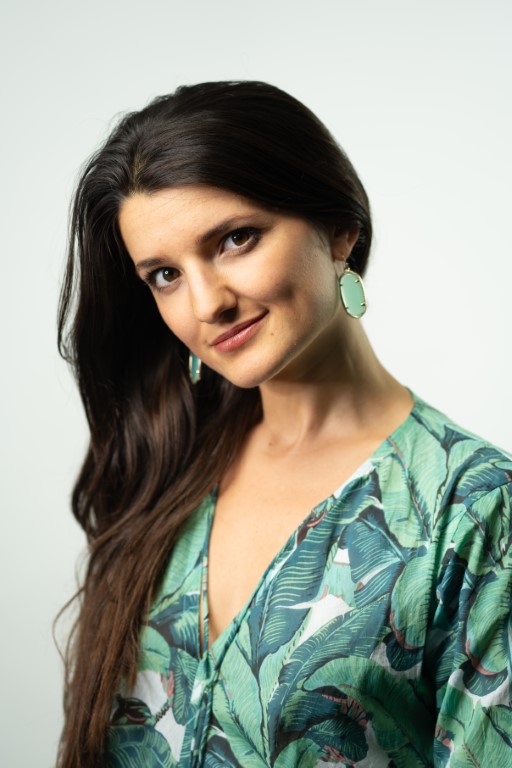

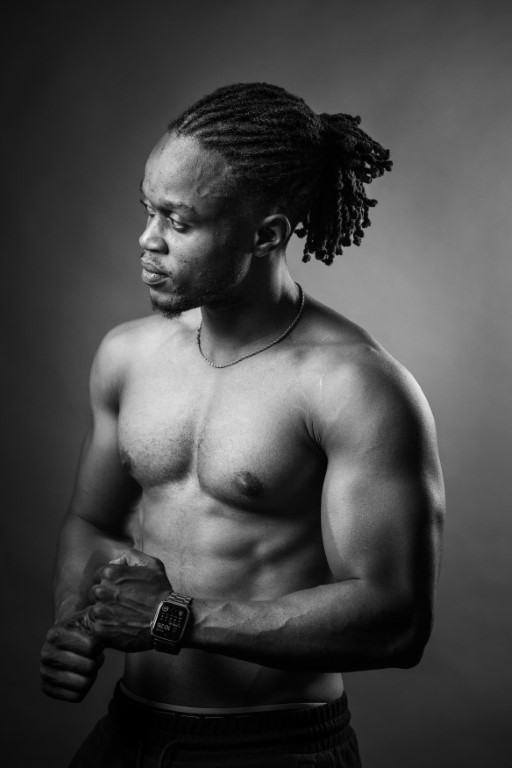
Nothing usable happens until that drops, and it never drops because you asked. It drops because you talked about something else for four minutes and forgot to be a photographer for a second.Light does the rest.

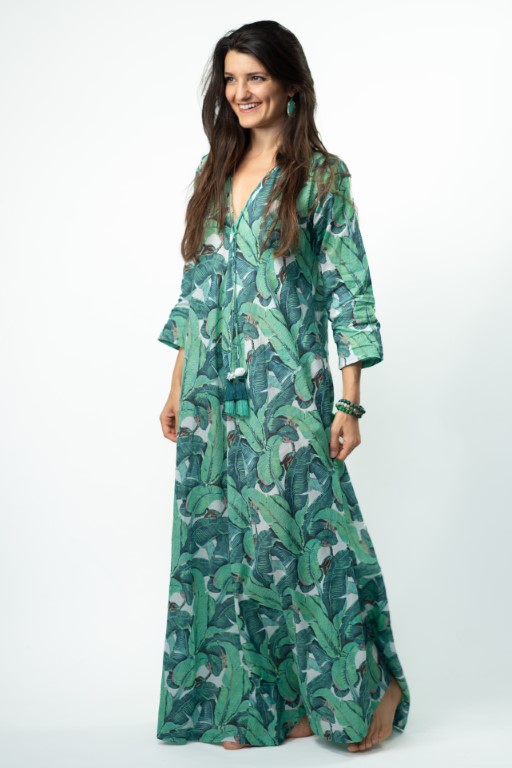
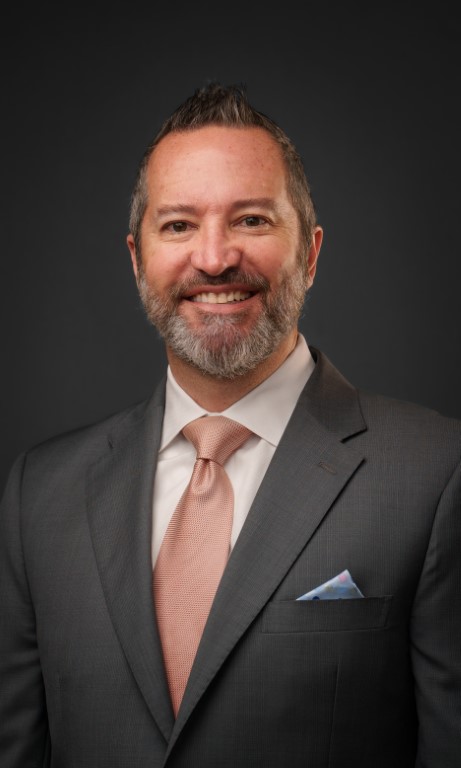
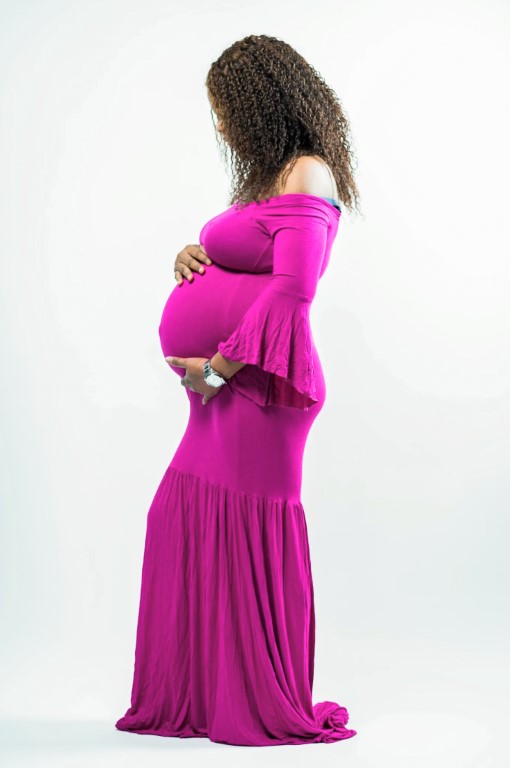
One source, placed where it models the face instead of flattening it, and a background far enough back to fall away. I would rather have soft light from one honest direction than a rig that erases every shadow, because shadow is what tells you a face has structure.
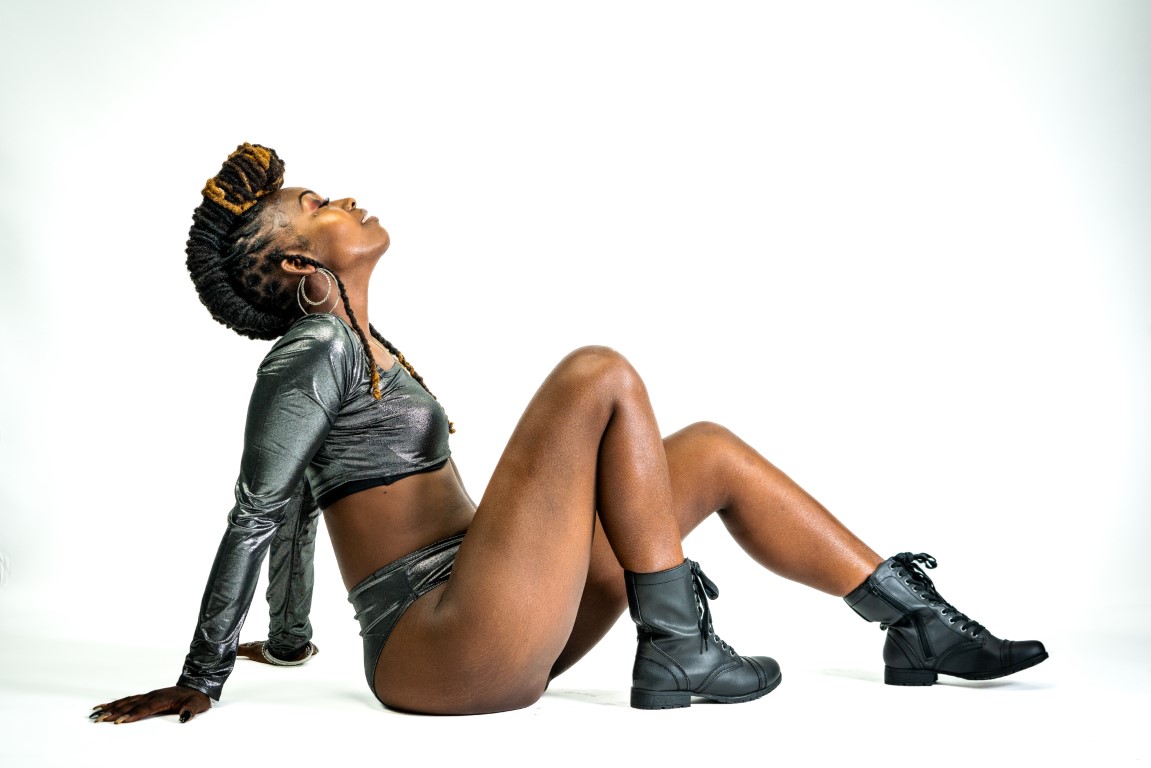
A bio page and a wall at home are different photographs
Tell me what the picture is for before anything else. A bio page, a byline, a wall at home, a profile someone scrolls past on a phone, those are different photographs. They want different distance, different crop, a different amount of room around the head.
Bring clothes you have already worn. Something new and stiff makes you sit differently, and you will read as uncomfortable because you are. Past that there is nothing to prepare, and preparing tends to backfire. Your job is not to hold a face. Your job is to talk, and let the face go where it goes.
Why your own face looks wrong to you
There is a reason a photograph of your face can feel slightly wrong to you and look fine to everyone else. You know your own face from a mirror: reversed, and moving. A photograph hands it back the other way round and holds it still. The asymmetry you never noticed is suddenly on the wrong side.
So the problem is usually the format, not the face. It is also why I am not trying to catch a held expression. A face in the middle of doing something is legible in a way a face being held still is not, and it survives being looked at.
Explore my other photography categories or get in touch if you’re planning a project.