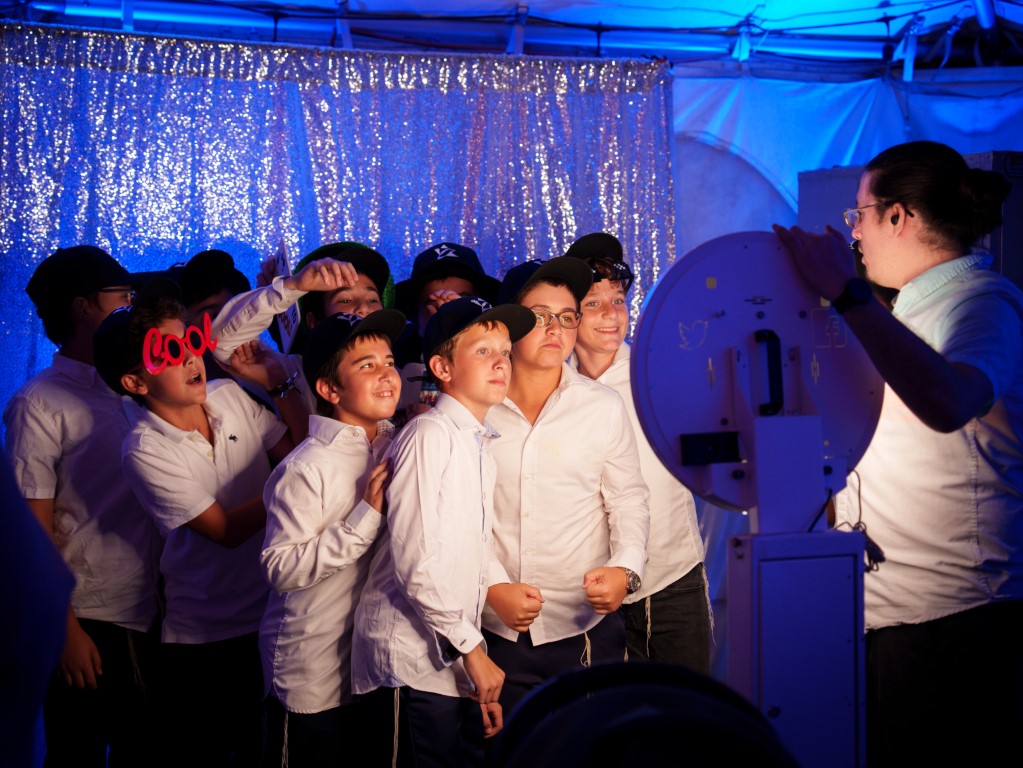
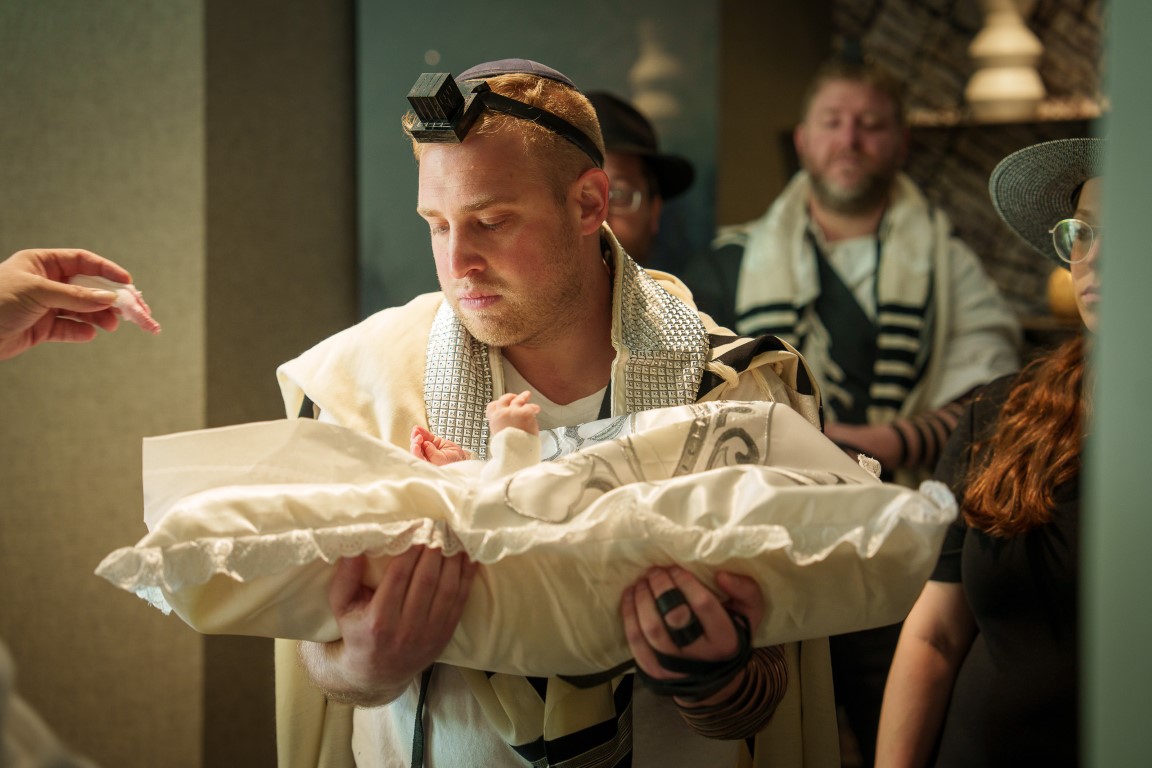
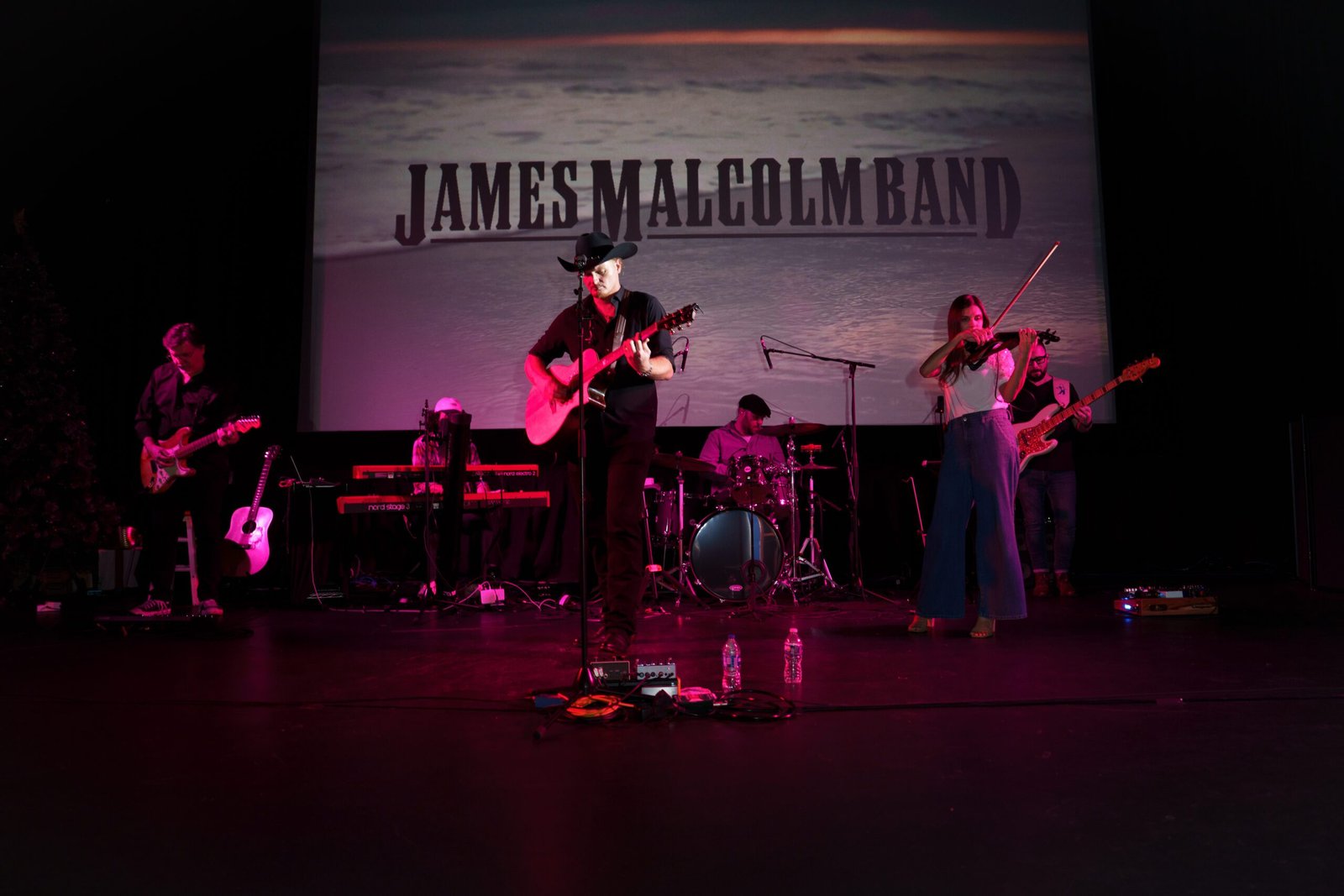
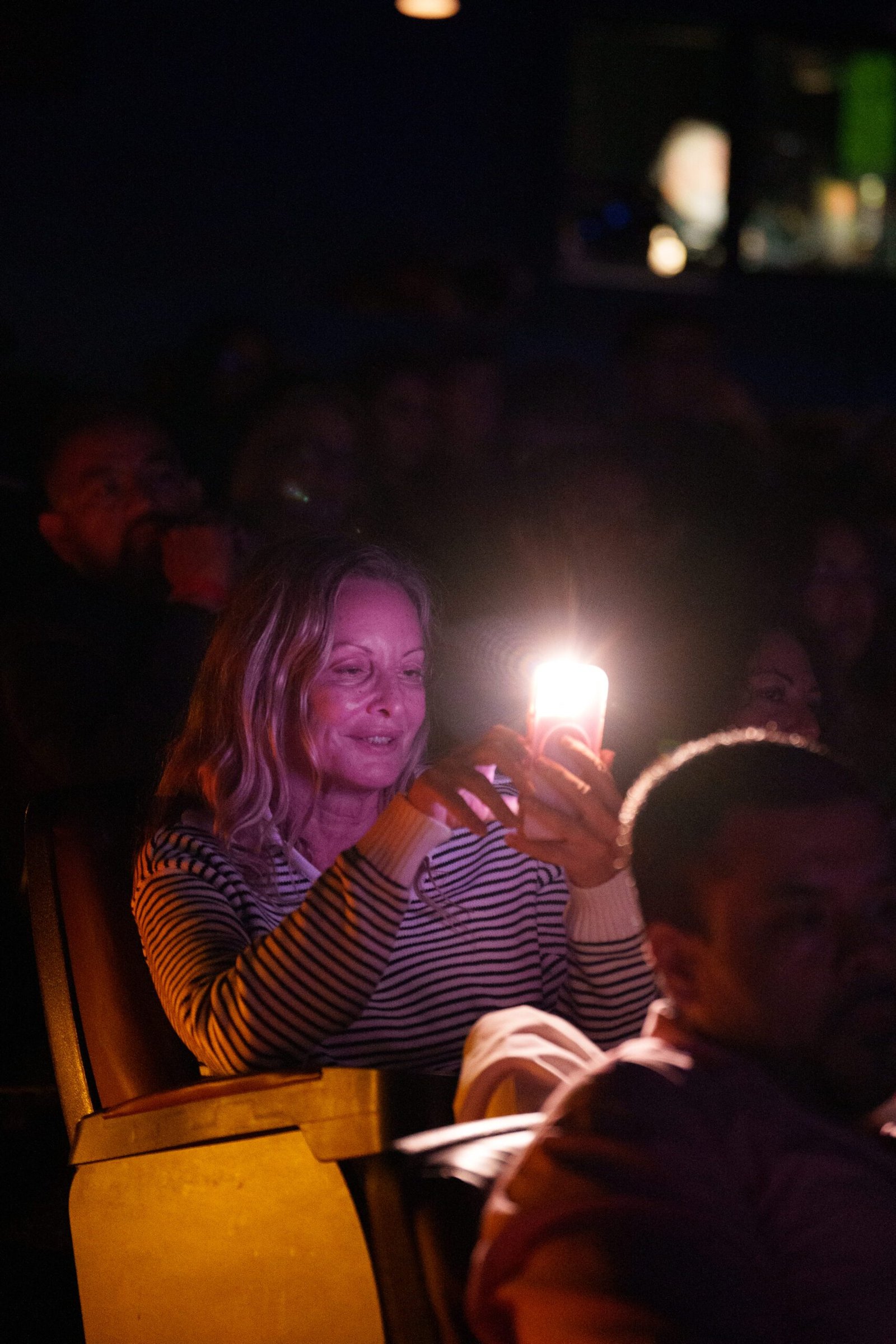
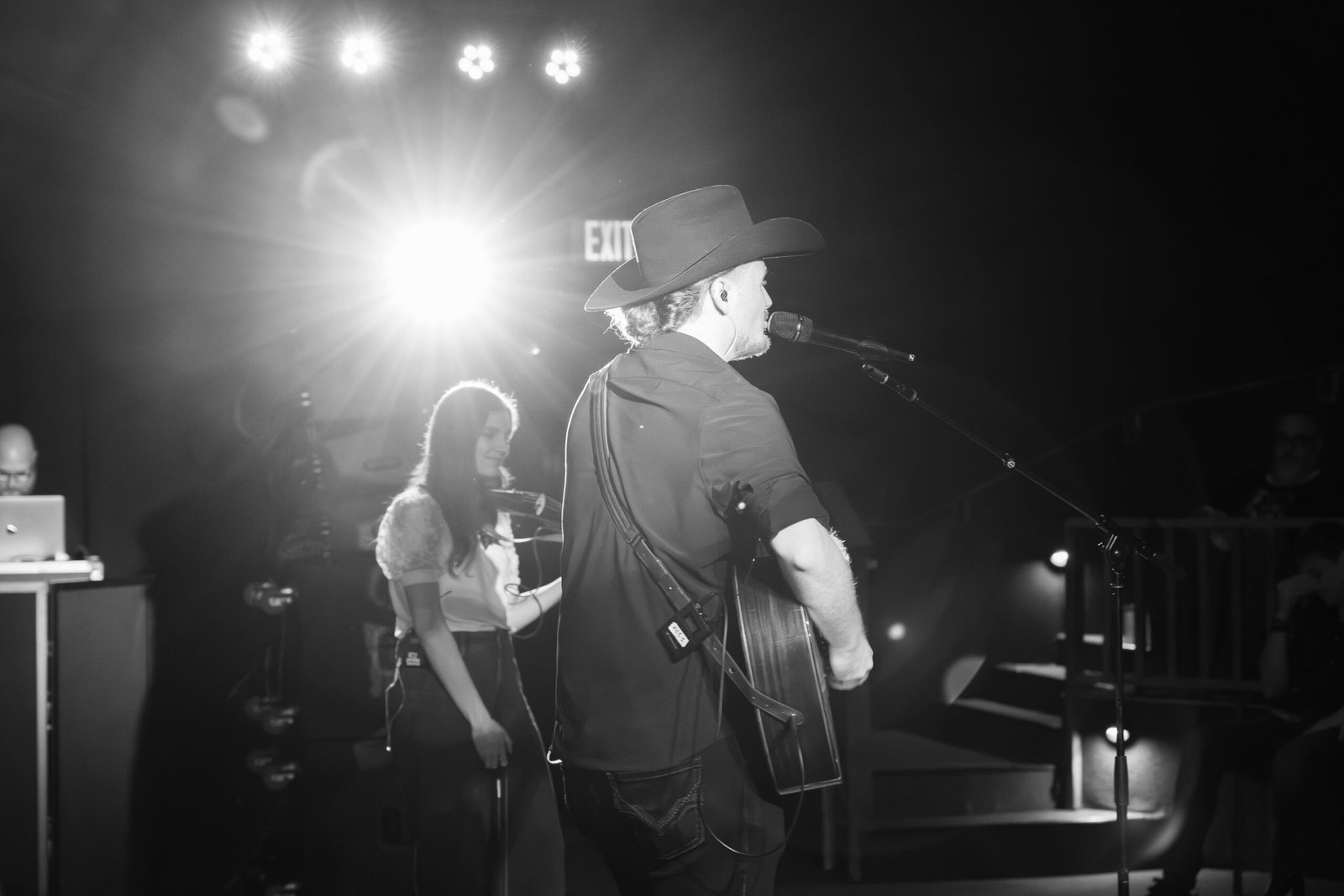
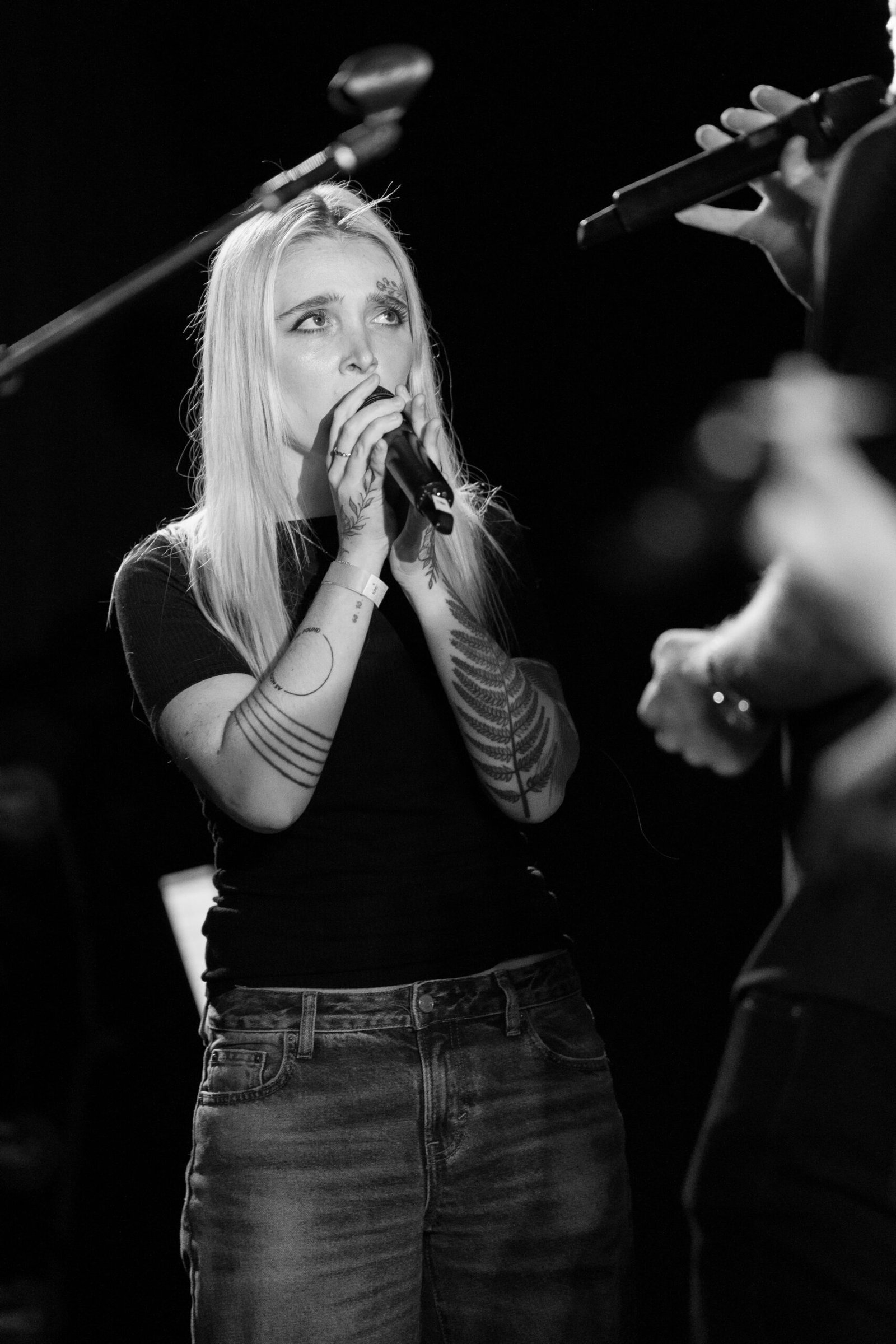
The moments you'll want back later. I shoot events to feel like the room felt: the speeches, the in-between glances, the energy you can't stage. Galas, celebrations, community gatherings. Documentary in spirit, never intrusive.
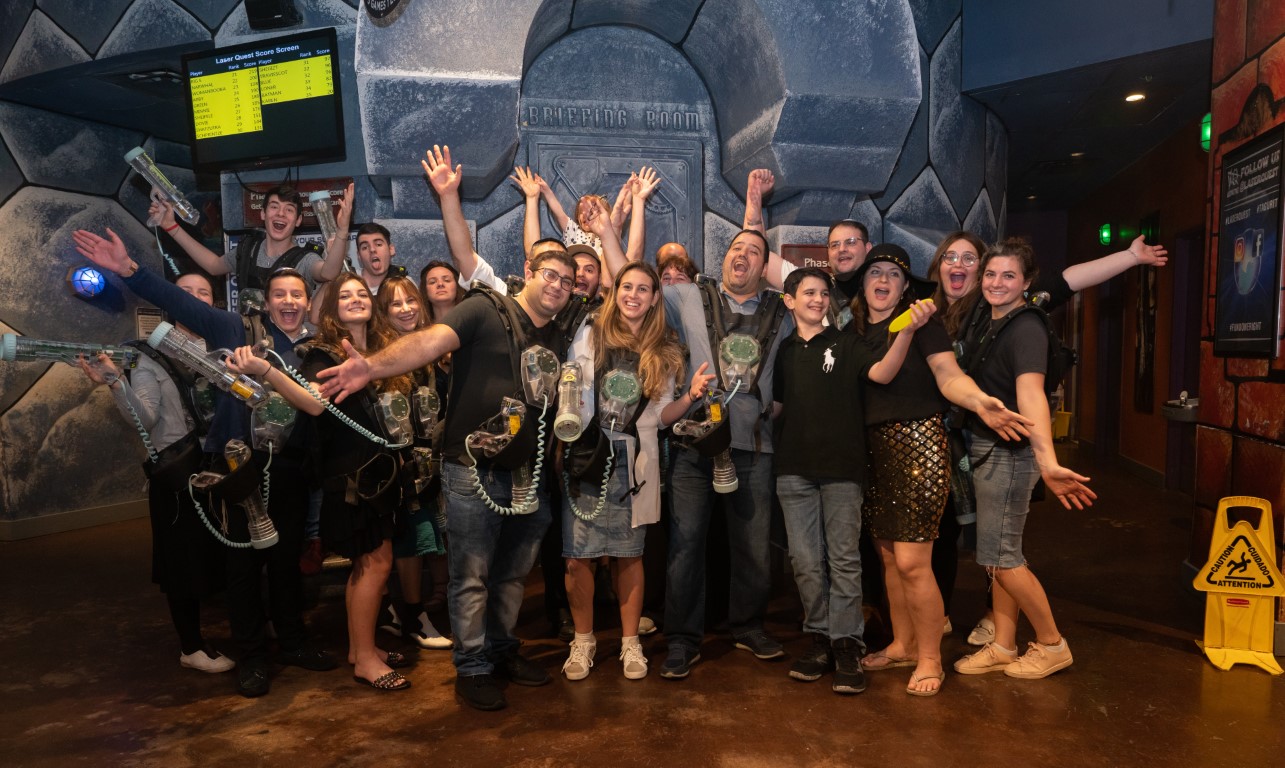

It is the in-between: someone laughing at something off-frame, a hand on a shoulder during a speech. Those are the frames that still work in ten years.
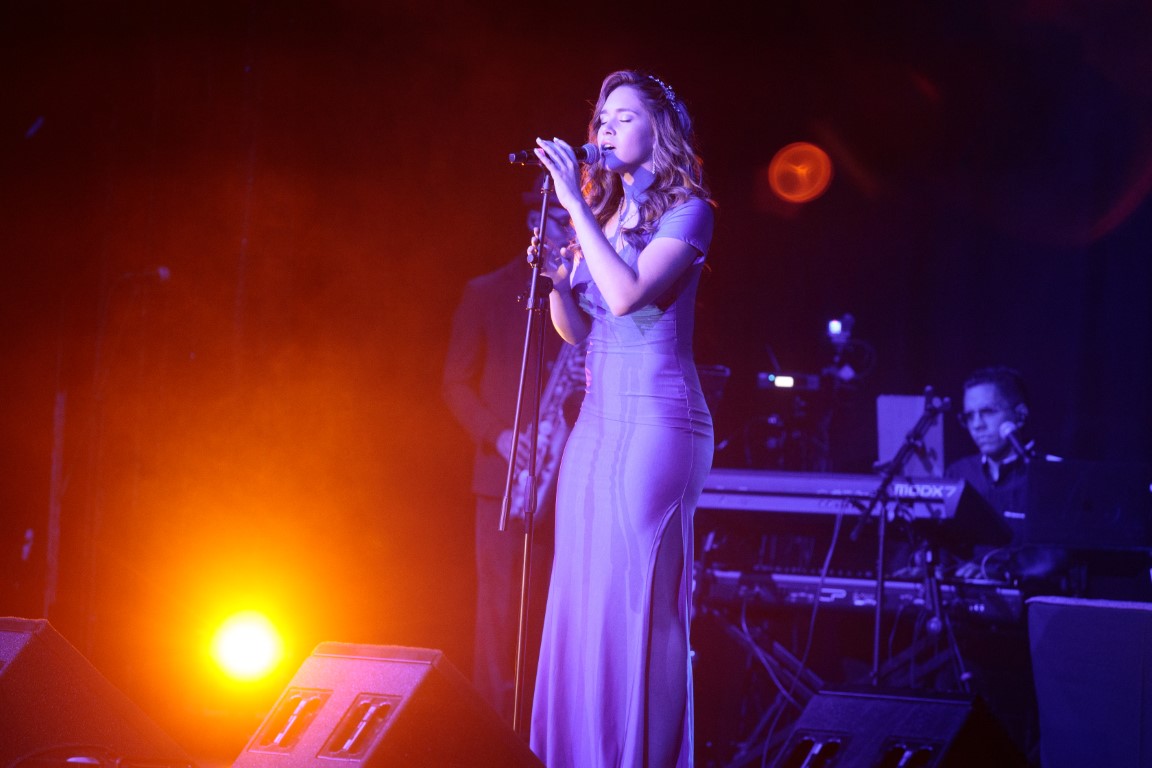
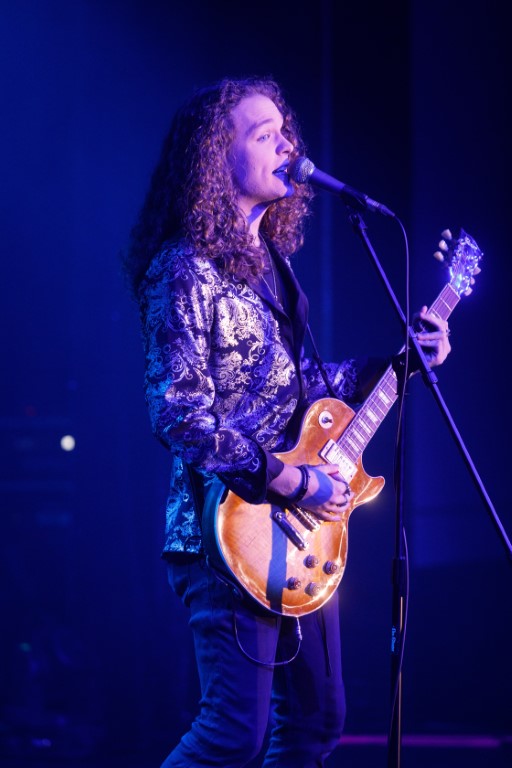
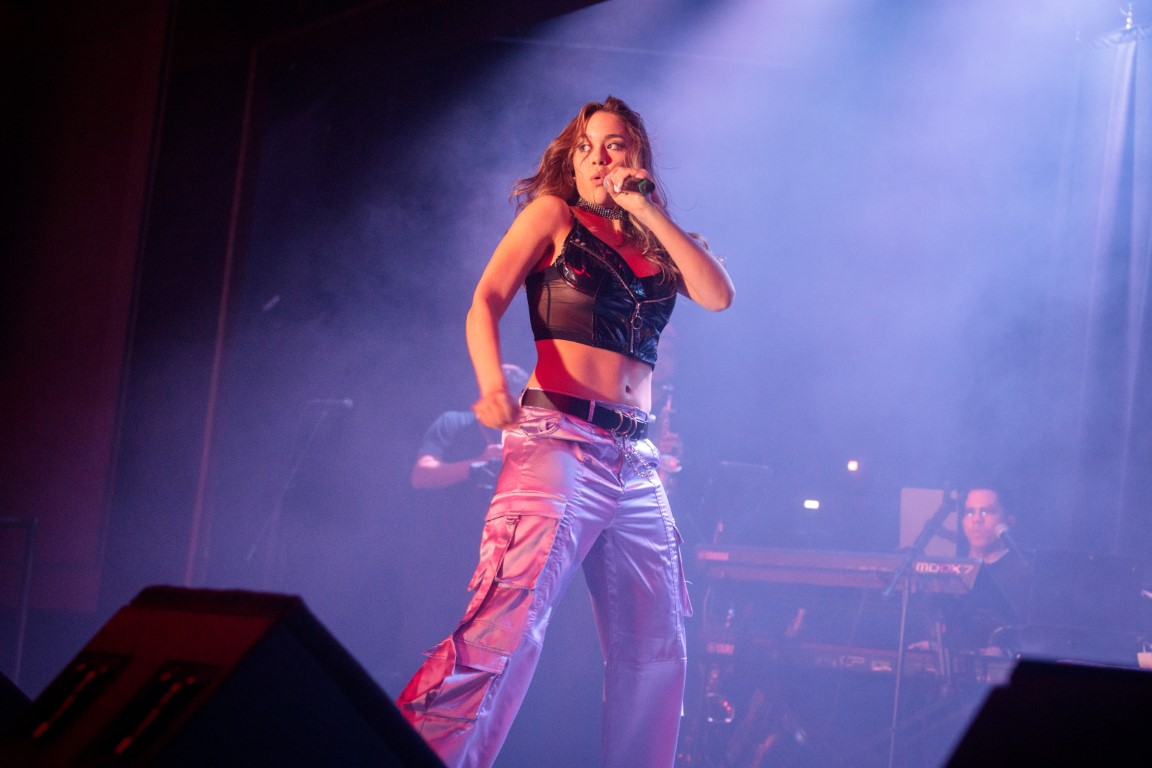
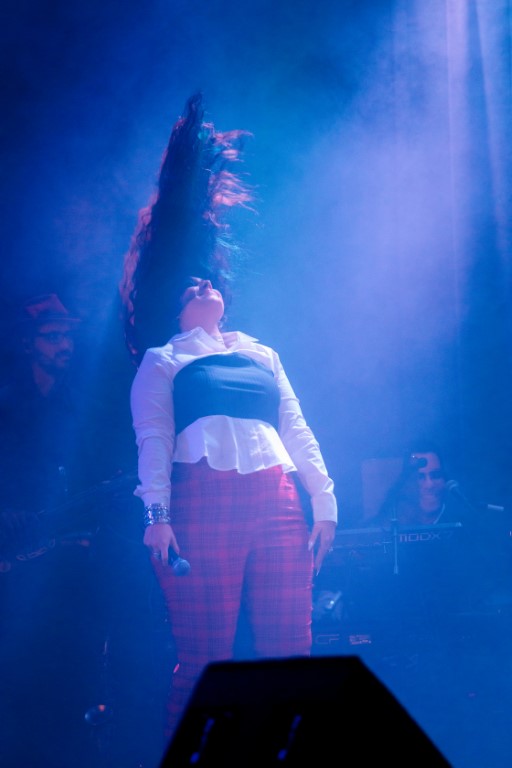
Shooting an event well is mostly reading a room before it does anything. Where the speeches will land, who is going to cry, which corner the real conversation is happening in.


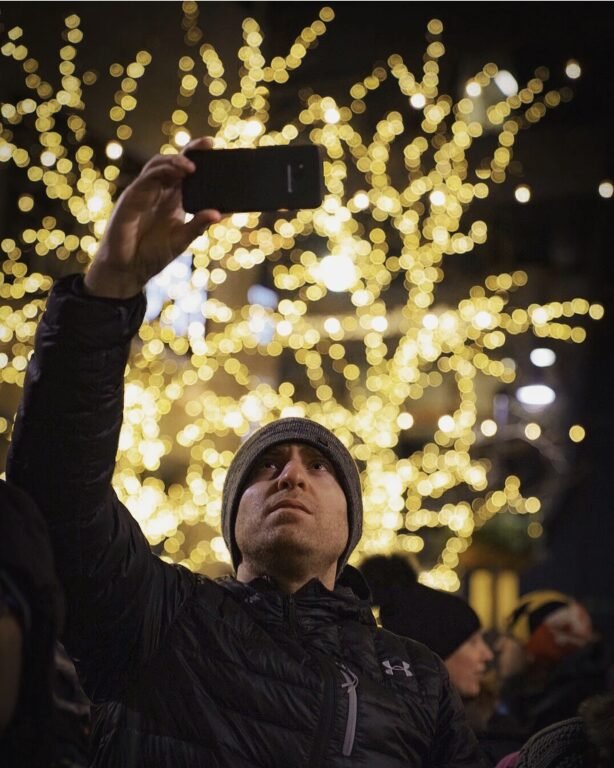
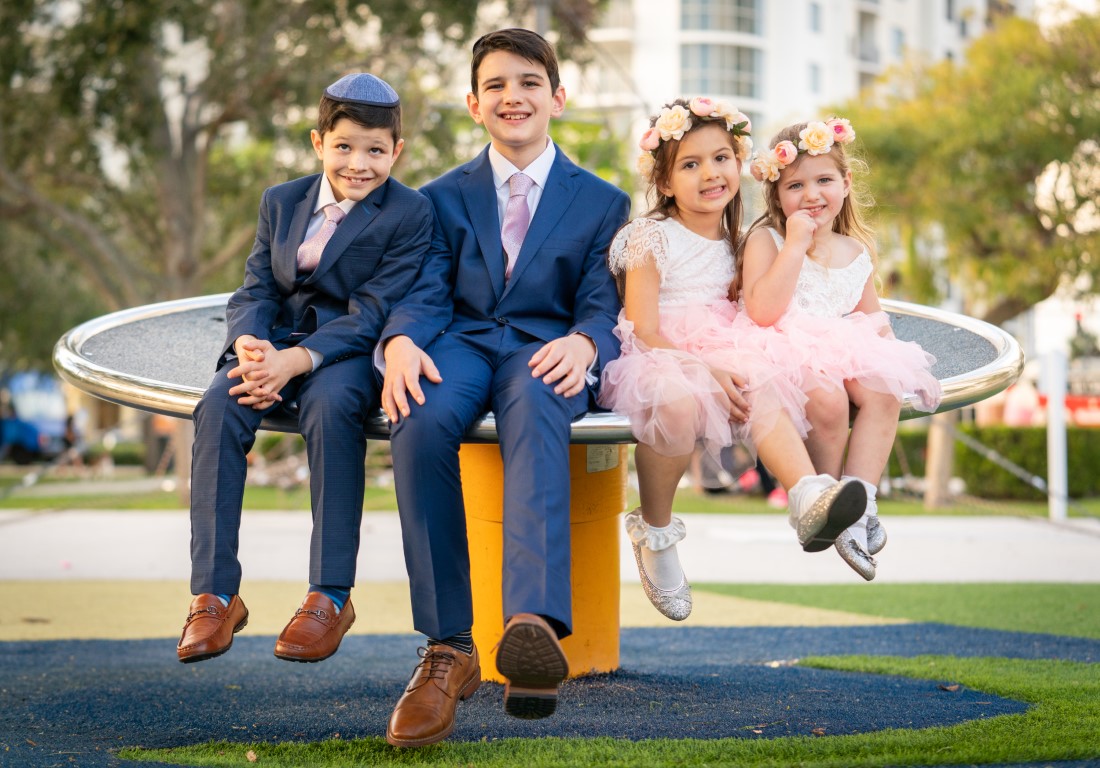
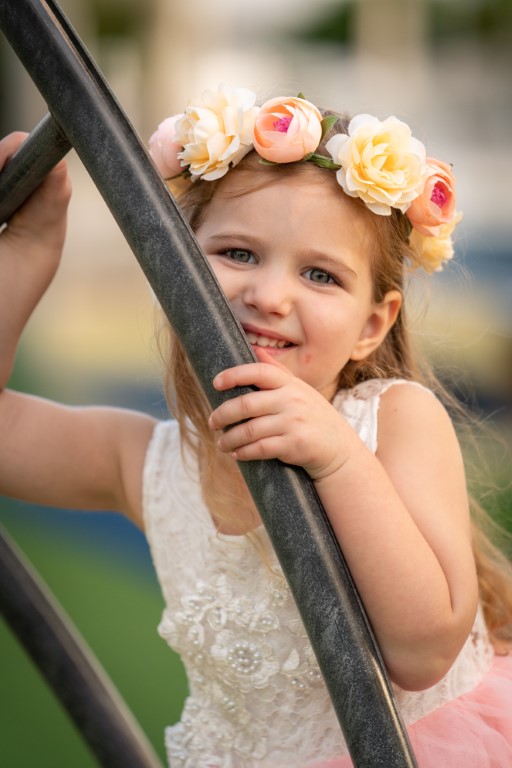
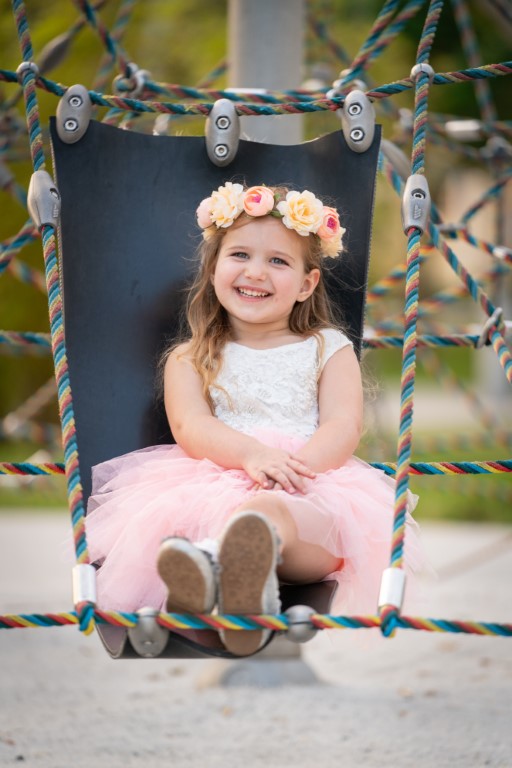

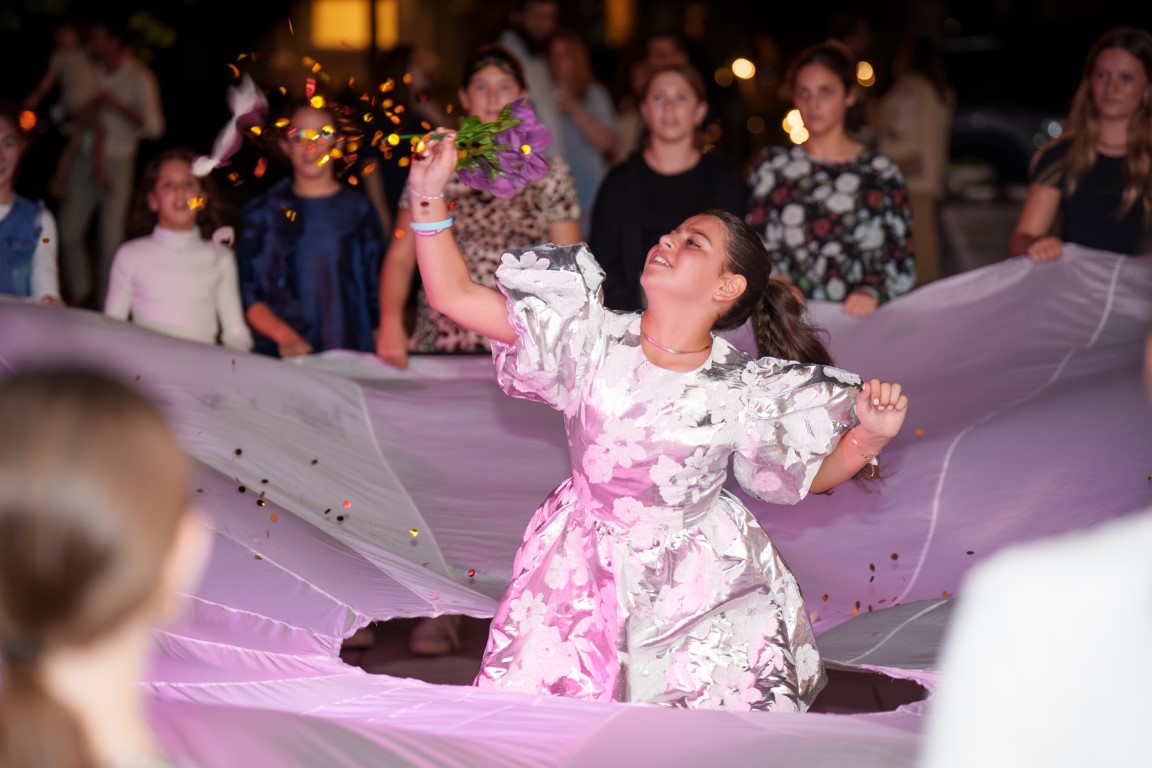
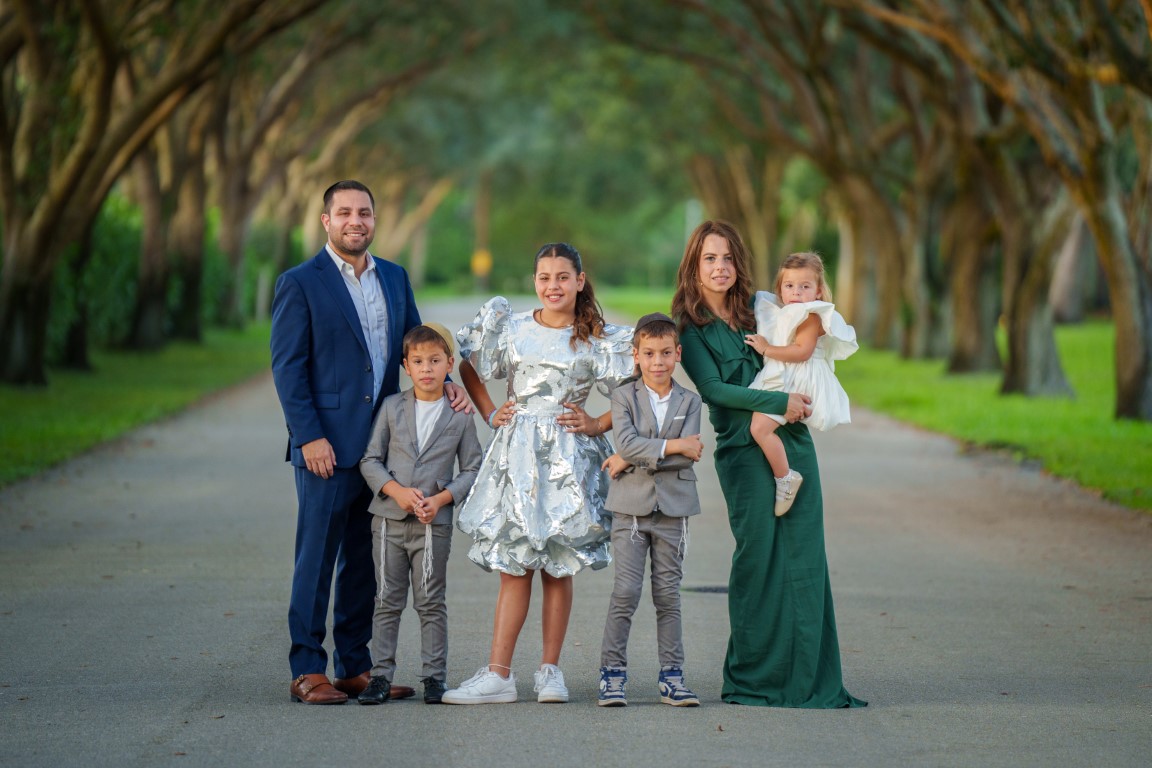
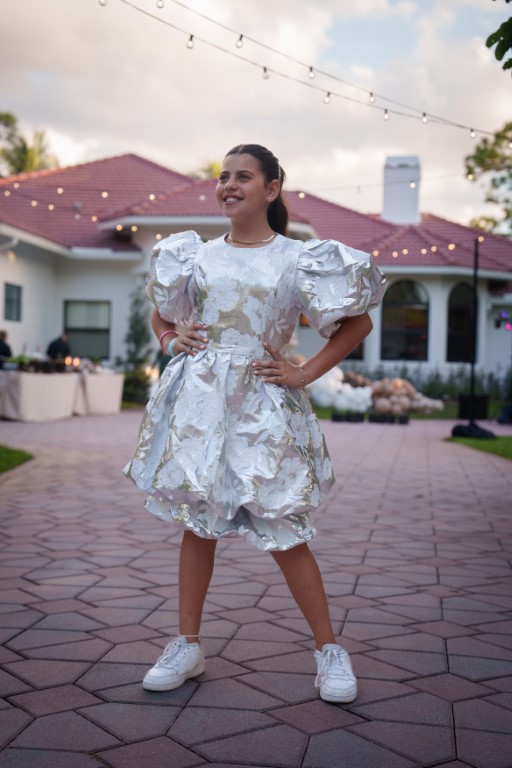
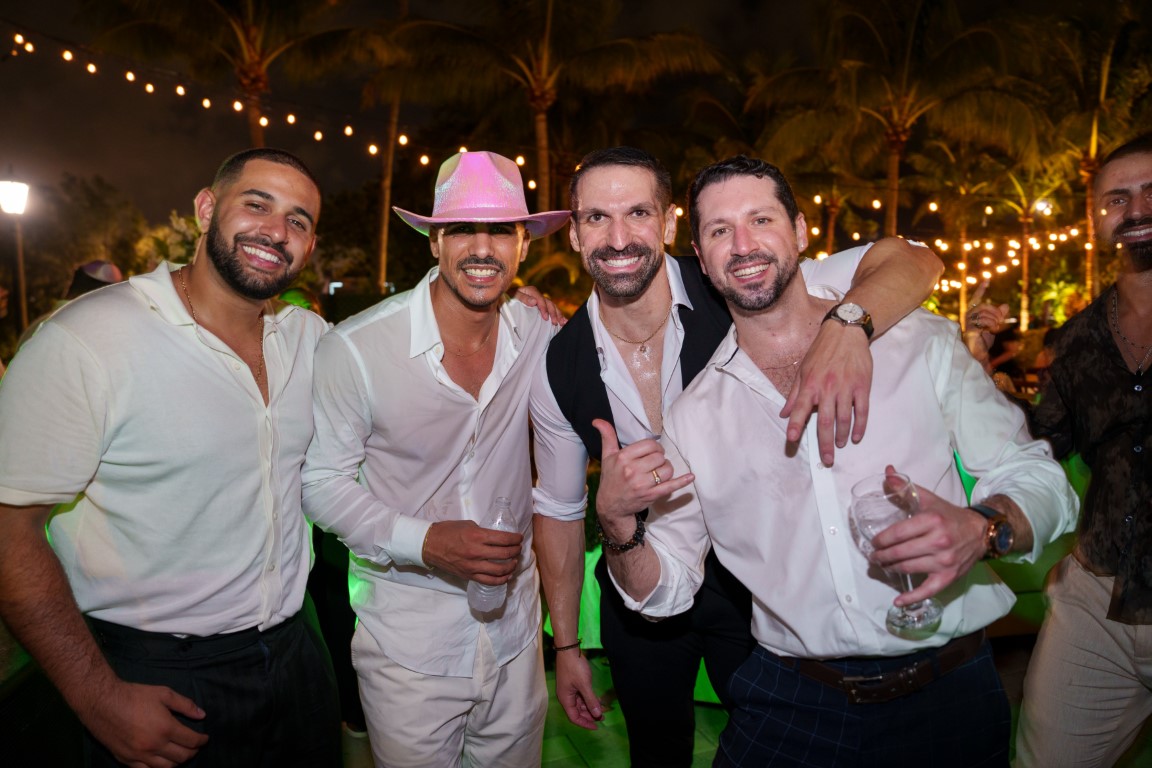
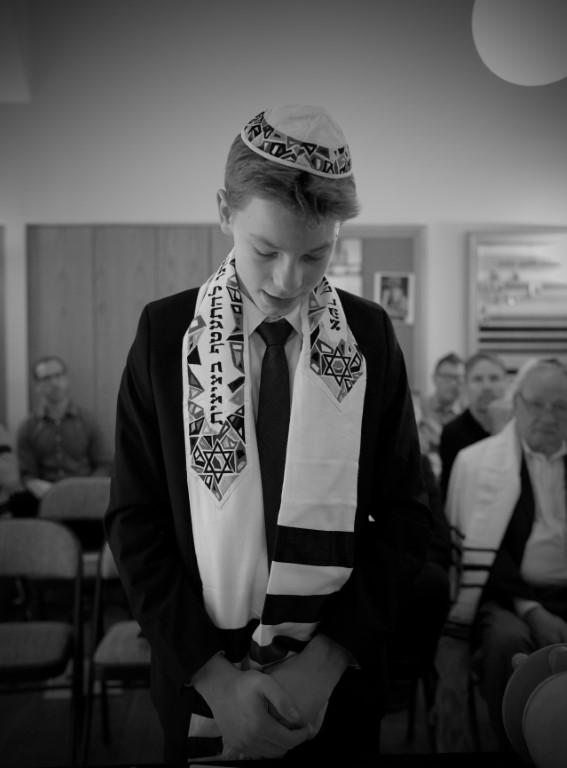
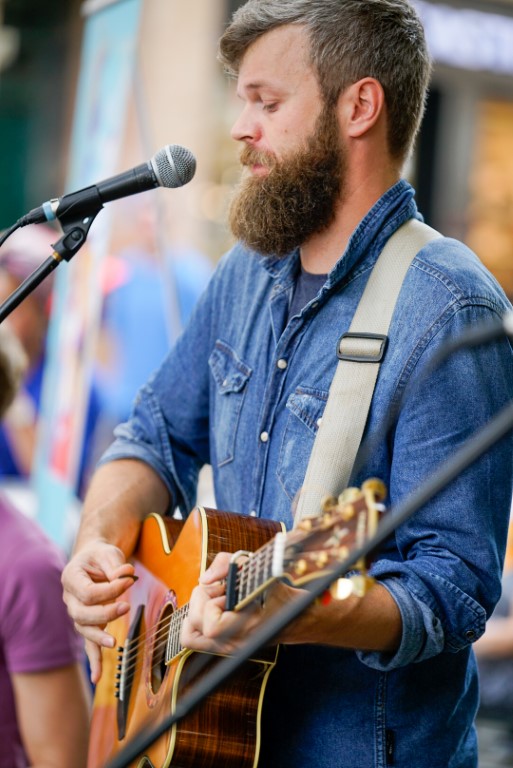
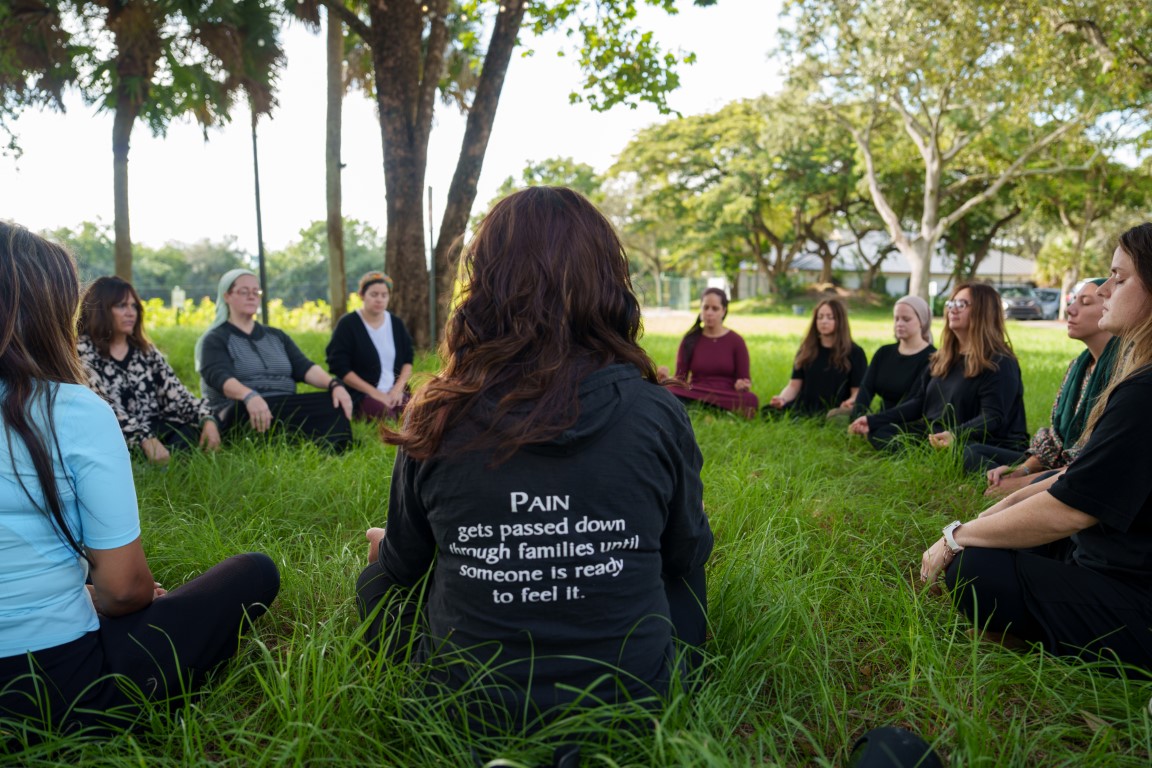
I would rather push the camera and keep the room. The pictures people keep are almost never the posed ones.

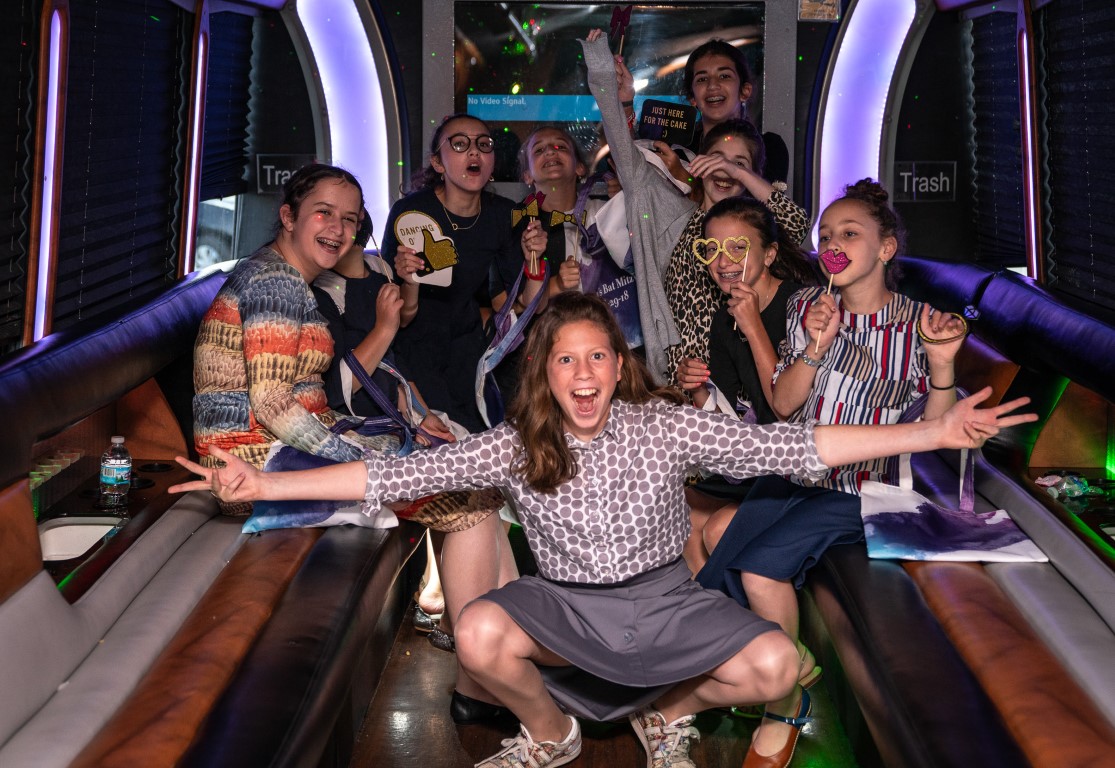

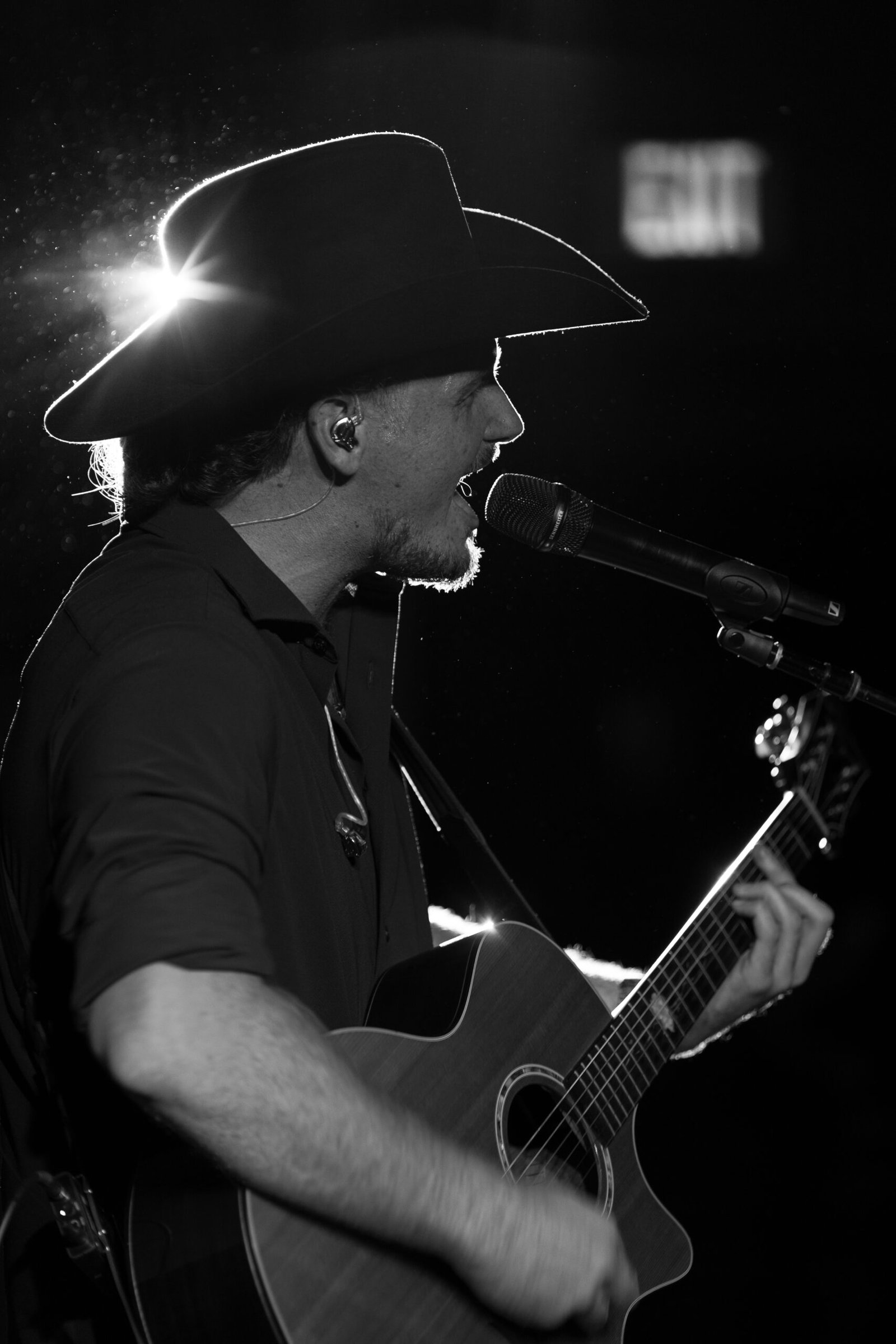
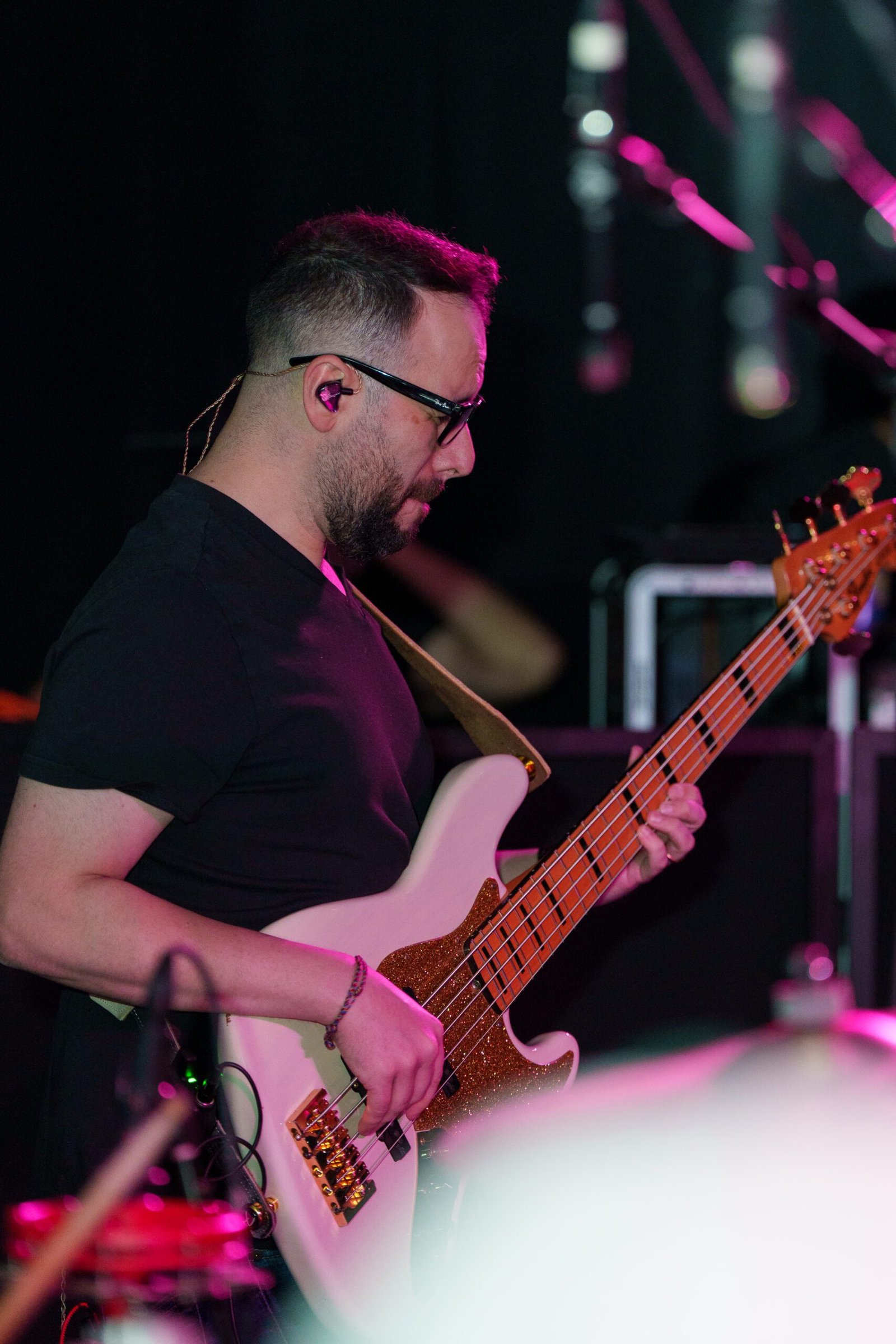
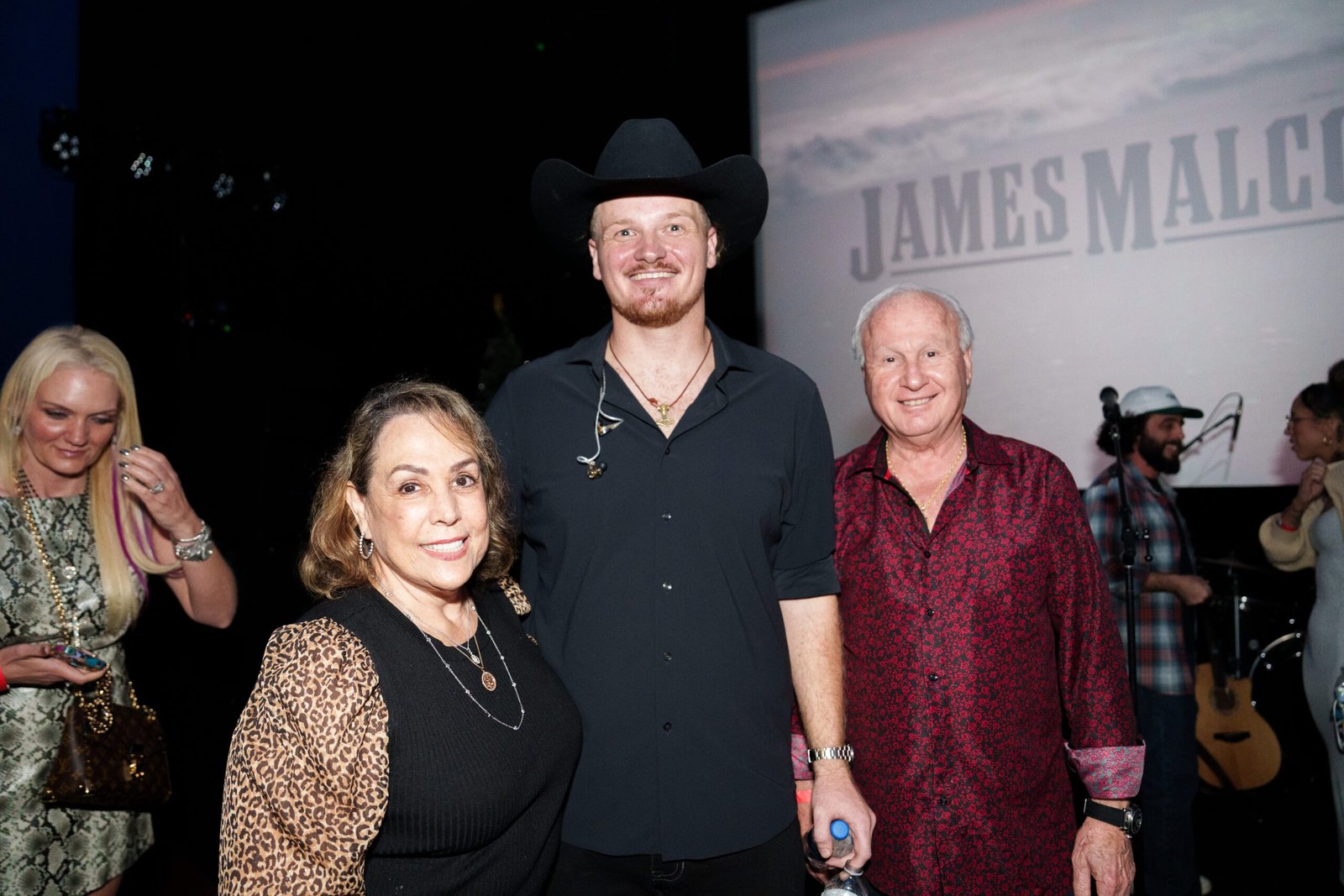
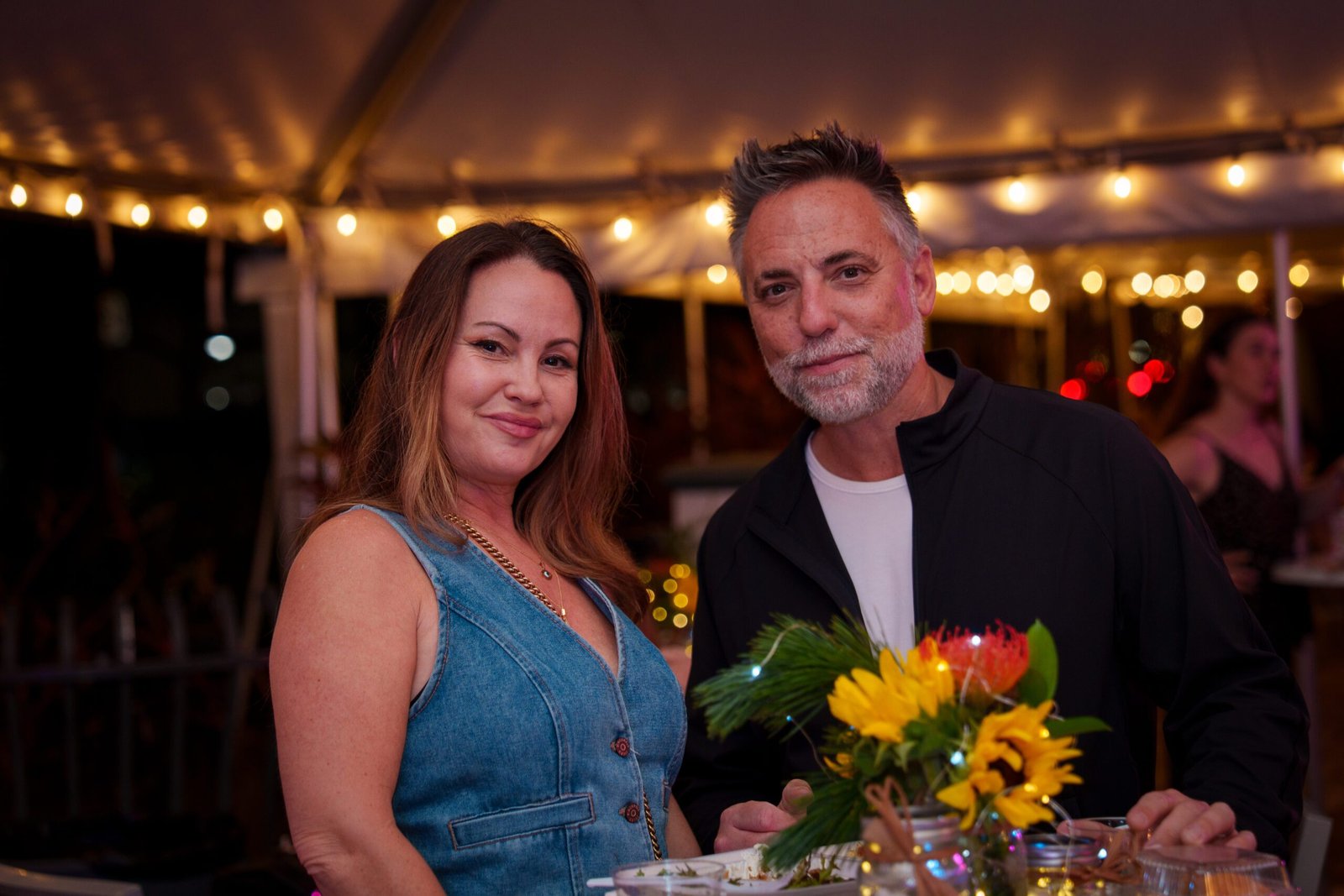
If you are reacting to moments you are already late, because the frame worth having sits about one second before the thing everybody notices.Available light, wherever it can be made to work. Rooms have a temperature and a mood and blasting them flat with a flash removes exactly what made the night feel like the night.
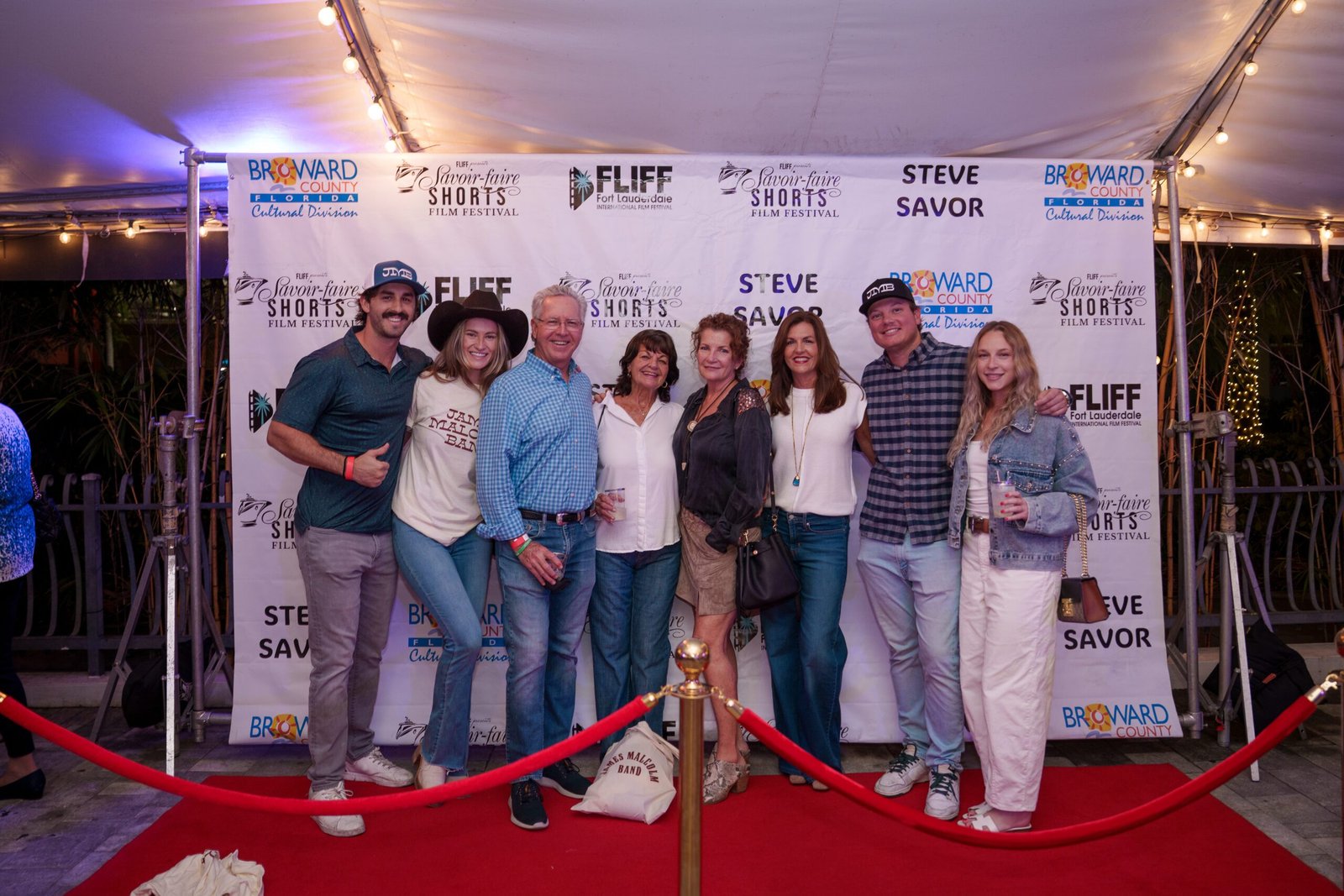
Tell me what the pictures are for
An event shoot goes wrong quietly. Everything gets covered and nothing gets used.
The difference is knowing, before the doors open, what these pictures have to do afterward. Fill a sponsorship deck. Prove attendance to a board. Put a face on a donation ask. Send me the run of show and which of those it is. That answer changes where I stand. It decides whether I am working the podium or the lobby, whether the banner belongs in the frame or out of it, and which few people have to appear no matter what. The room will tell me everything except that. Need film of the night as well as stills? See event coverage.
The room is not the problem
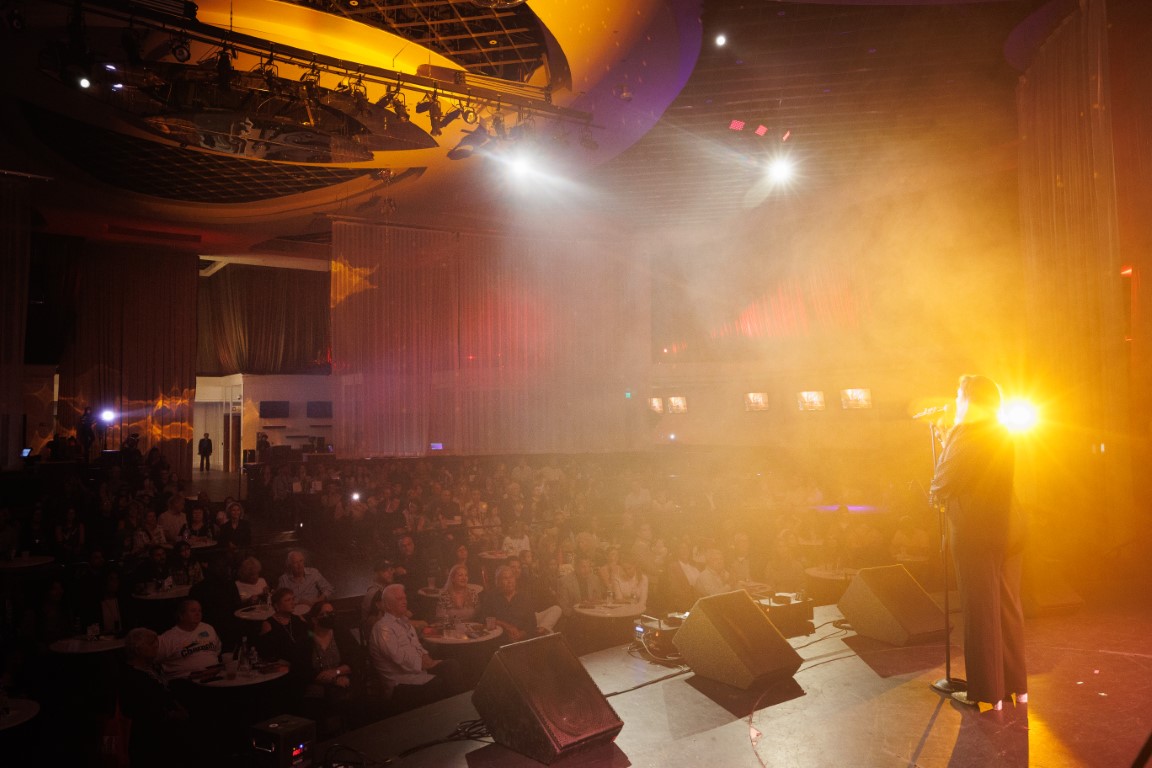
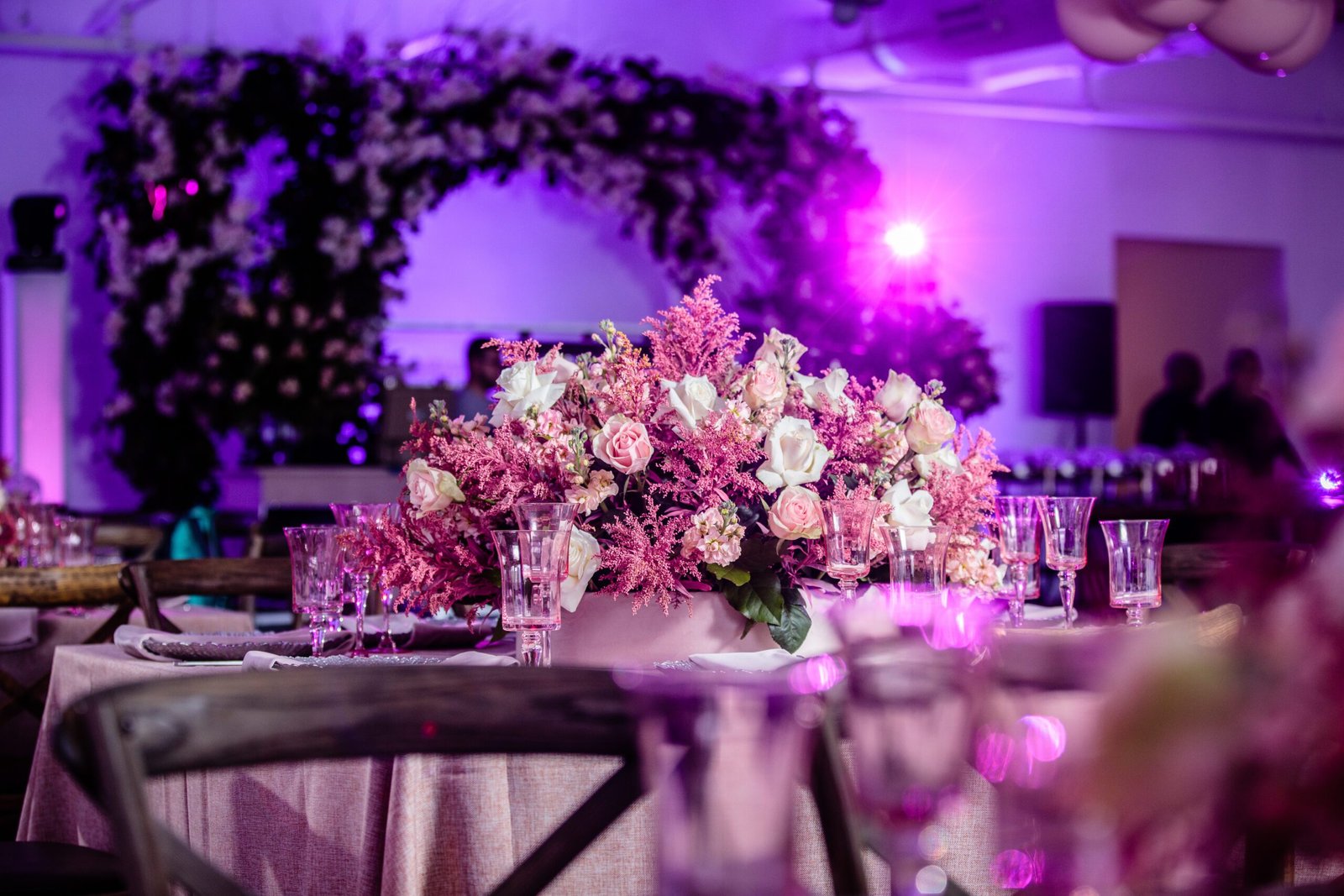
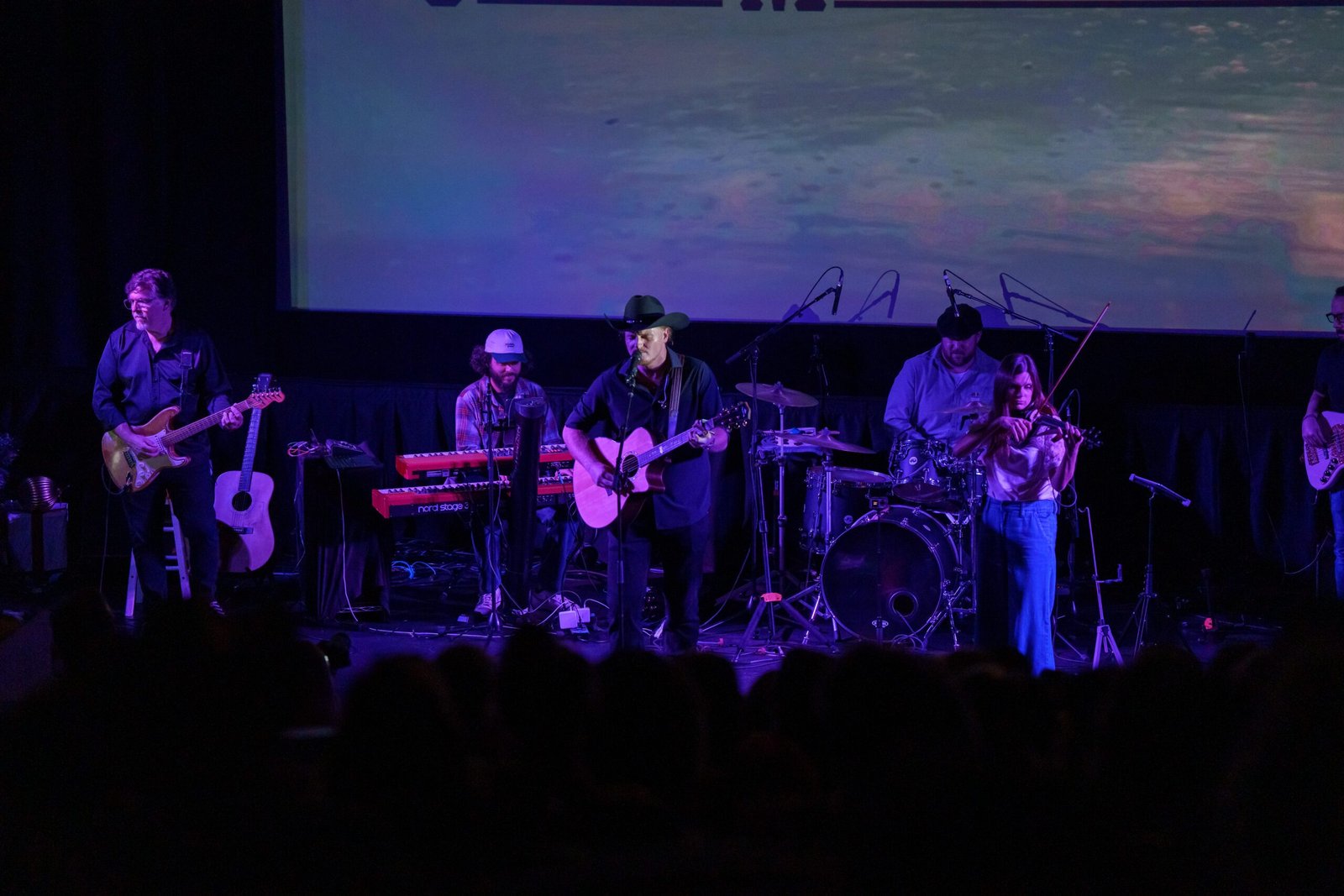
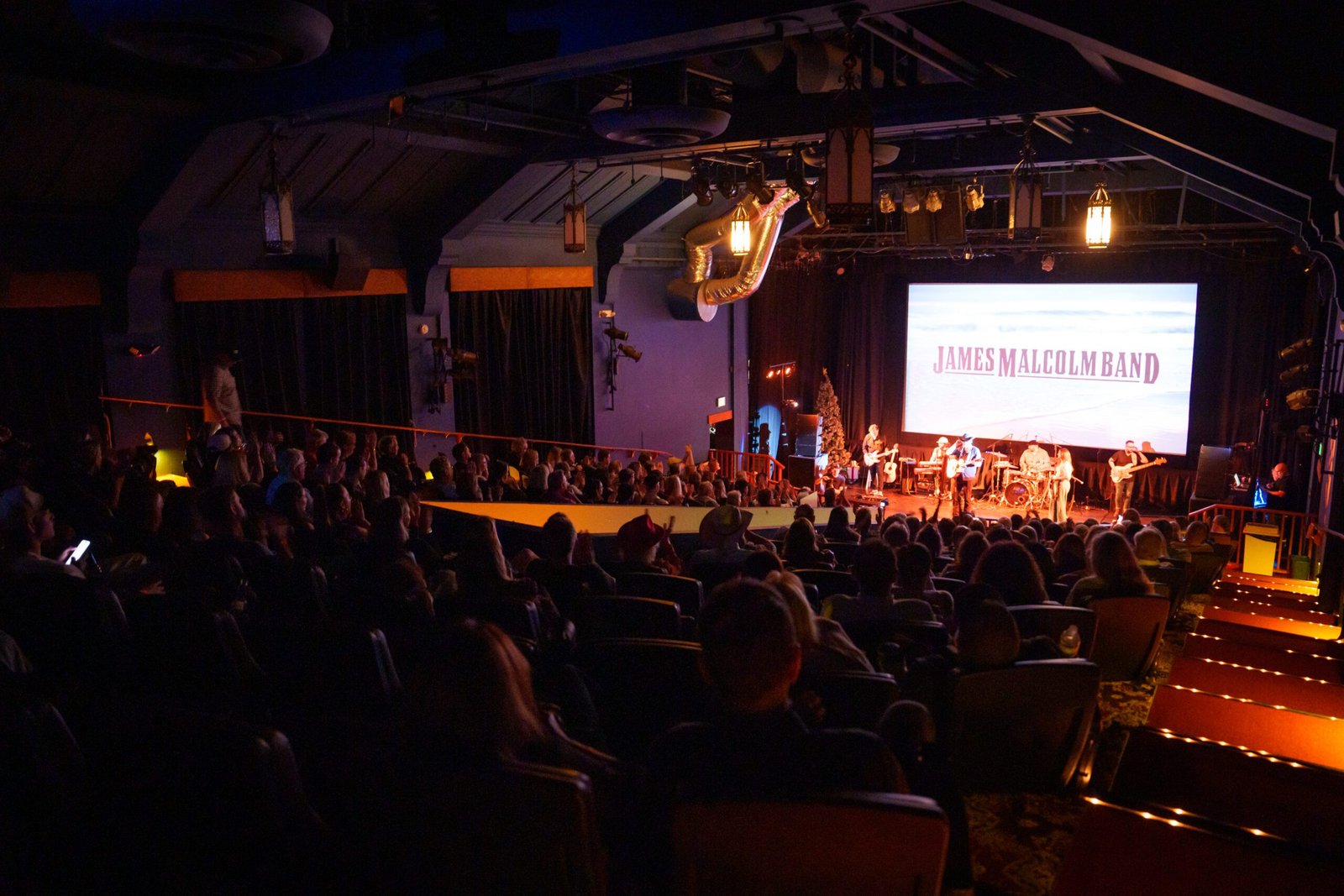
Event lighting is not a mistake to be corrected. Dim ballroom, purple uplights, a stage washed orange. None of that has to be erased. A flash pointed straight at the room will erase it, and then the night looks like every other night in every other ballroom.
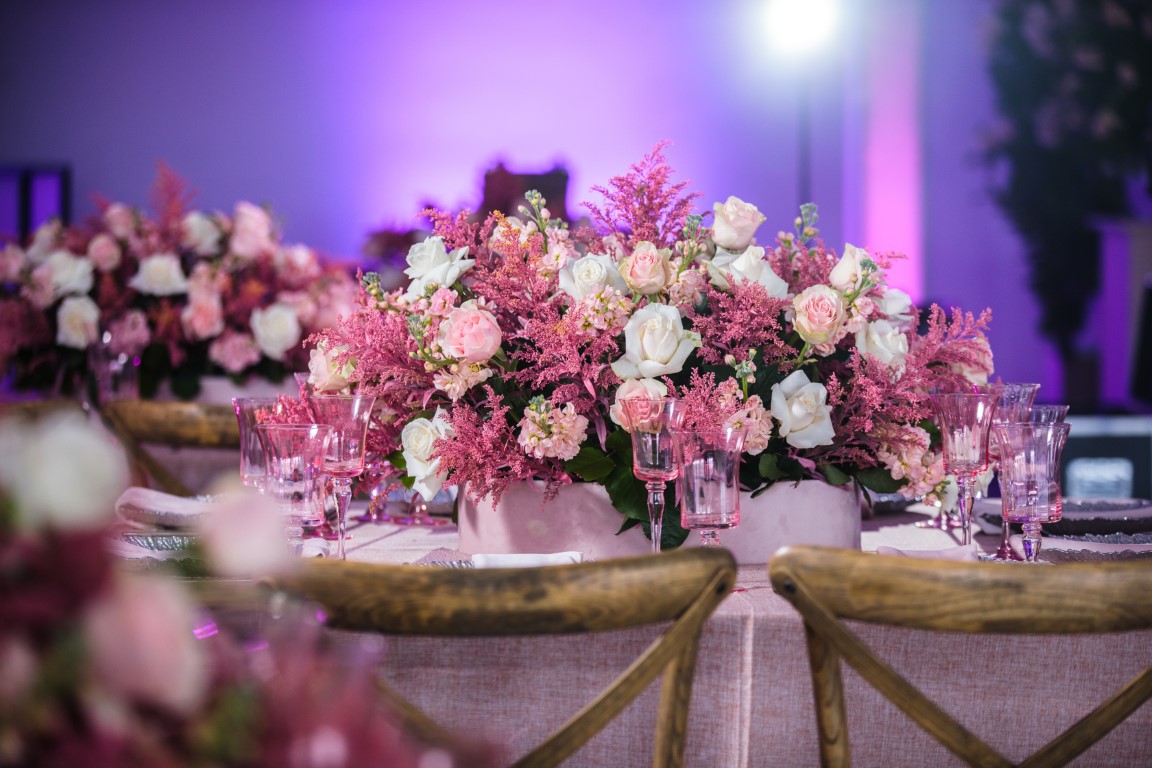
The color in a room is often the only thing saying which event this was. Those colors were chosen on purpose. Keep the faces readable and let the rest of the room stay the color it was built to be. What actually causes trouble is not dim light. It is a schedule with no slack in it.
Explore my other photography categories or get in touch if you’re planning a project.