Case Study
Venus Williams Found Me Through a Grandparents Day Video
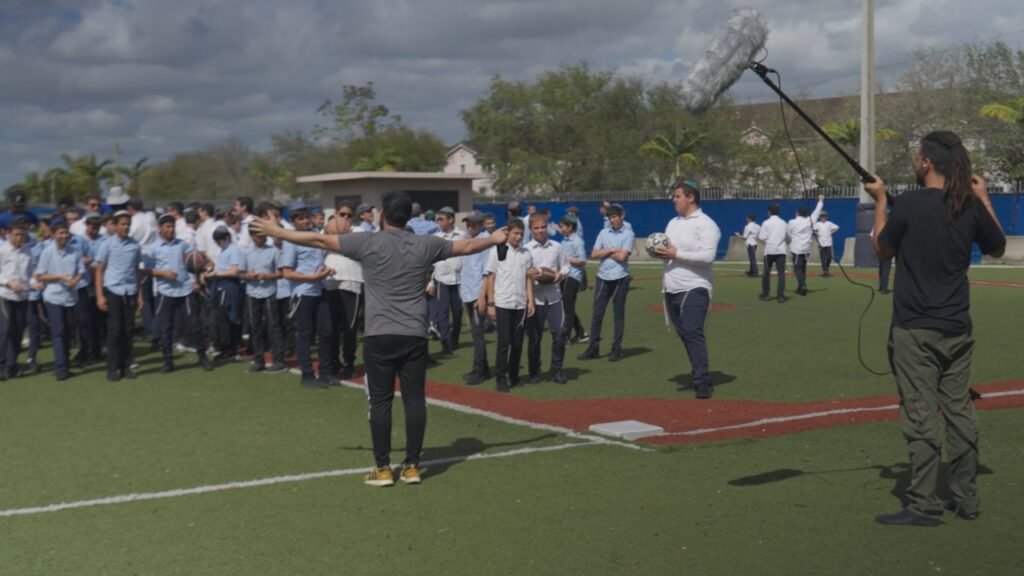
A video I made for a school's Grandparents Day found its way to Venus Williams. A few weeks later I was filming at her house in Jupiter: the court, the kitchen, and a dog named Harry.
- Client
- Venus Williams
- Industry
- Lifestyle & Sports
- Year
- 2020
In 2020 I got a call from a manager on Venus Williams’ team.
Venus had come across one of my videos, liked it, and wanted to make something with the same feeling.
My first question was the obvious one. Which video?
The opening
The one that reached her
It was Shabbos Ima.
A short film I’d made for a school’s Grandparents Day.
Of everything I had ever put out, that was the one that traveled. Not a commercial. Not a brand film. A small piece made for a room of grandparents in a school hall, and somehow it had gotten far enough from that room to reach one of the greatest tennis players who has ever lived.
The idea
The quote was the quote
Her team described what they wanted. Filming at her home in Jupiter, gardening and cooking, lifestyle moments, some fitness, and time on the court.
Then they asked for a number.
I gave them the number I would have given anyone for that production.
I’ve tried to hold that line the whole way through. What someone gets from me shouldn’t depend on how well known they are. If the project is real and the budget works, you get the same attention and the same standard. Pricing a job by the name attached to it is a decision about the client. Pricing it by the work is a decision about the work.
They accepted, and I drove to Jupiter.
At the house
A day at the house
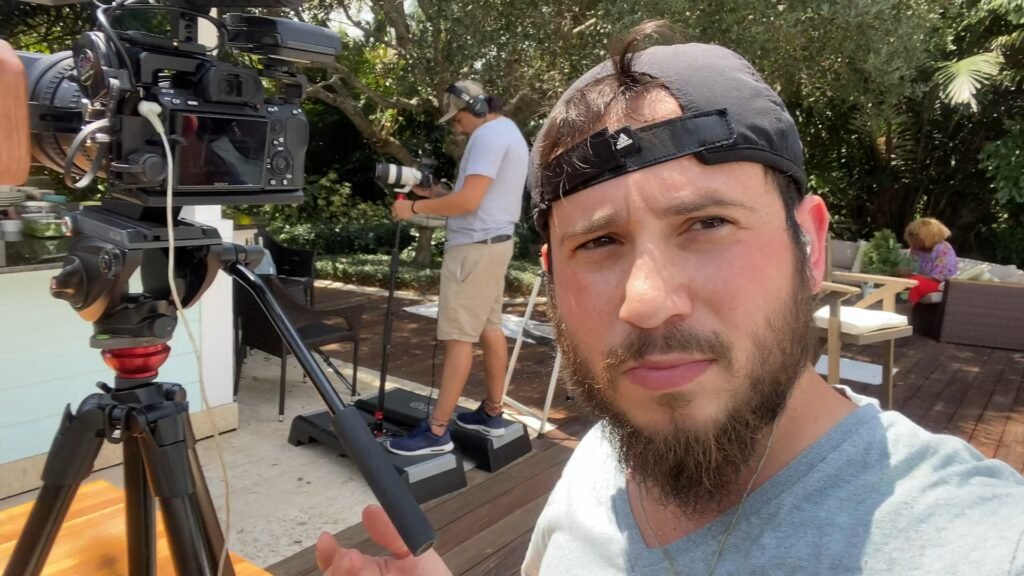
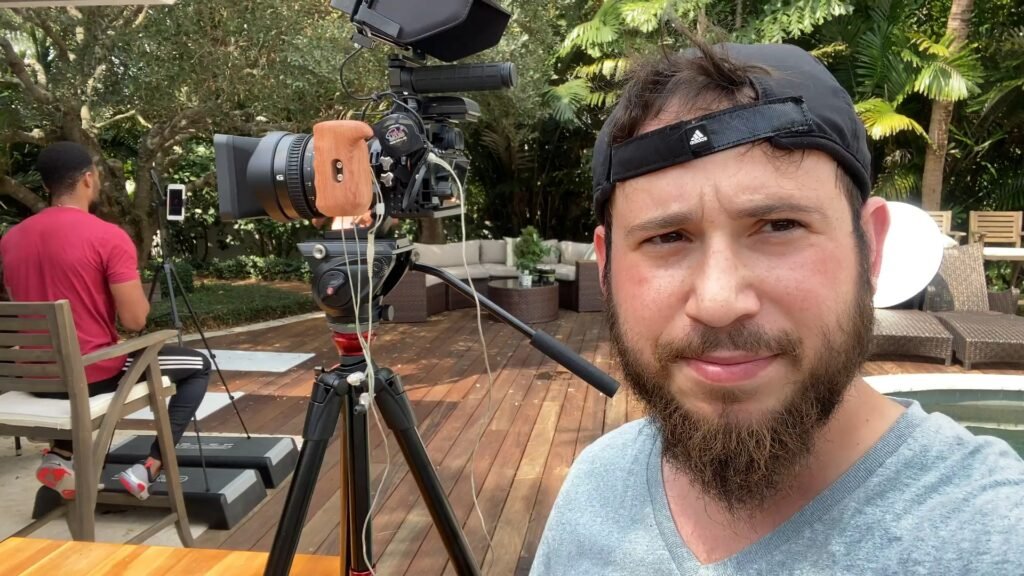
I brought my friend David: a VFX artist and editor, and the person I want on a day like that.
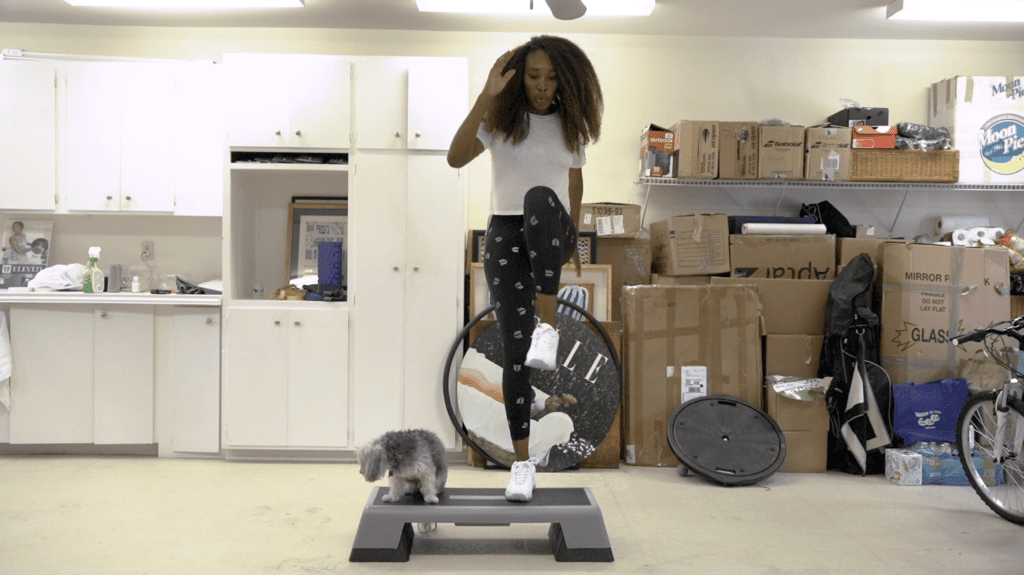
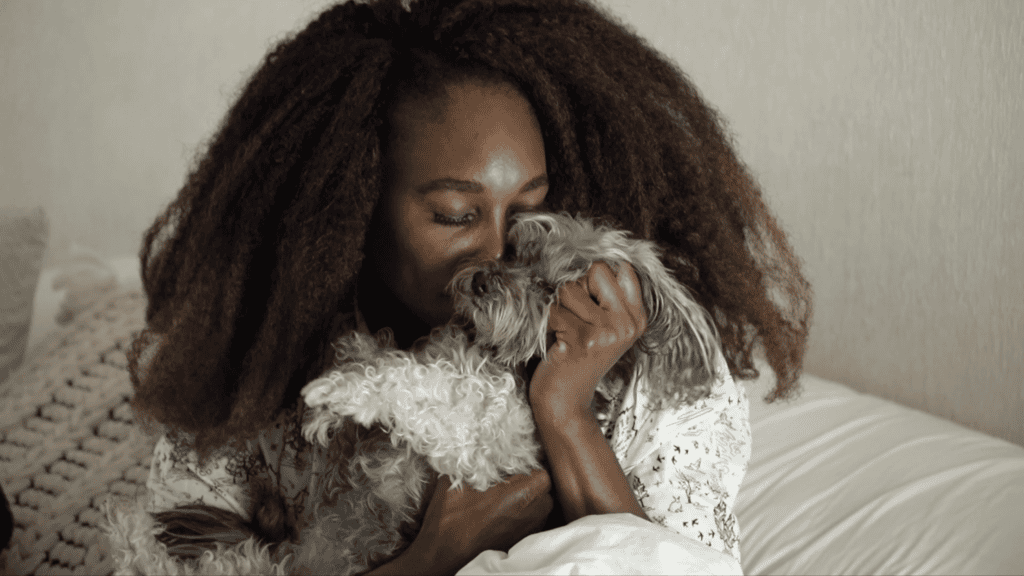
Harry was in almost every setup. Not placed there, not wrangled. Just present, the way a dog is in a house where it lives. He ended up in the workout, on the bed, and underfoot on the way to the court.
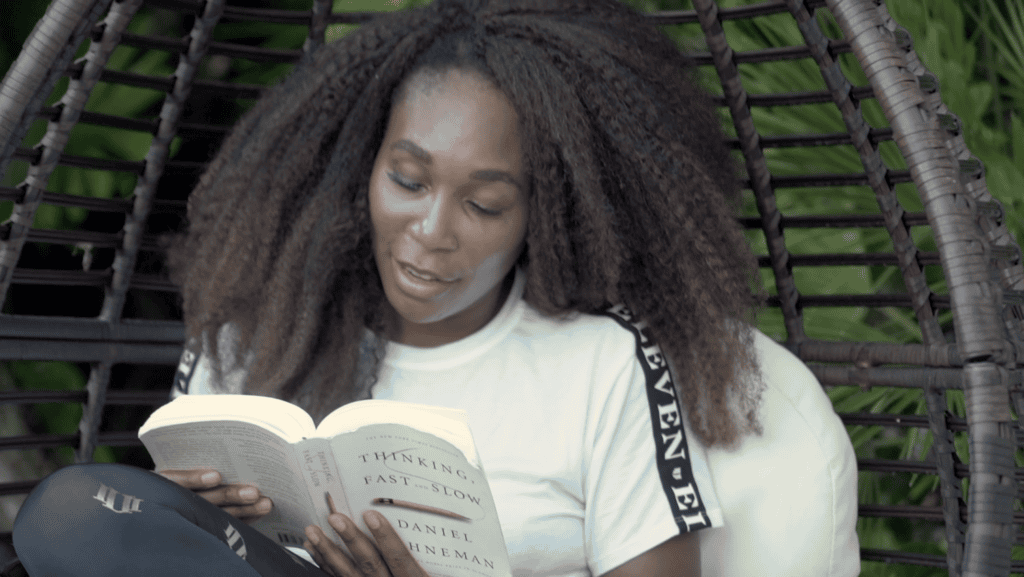
Between setups she read. Kahneman, Thinking, Fast and Slow, in a hanging chair in the garden. I did not stage that and I would not have thought to.
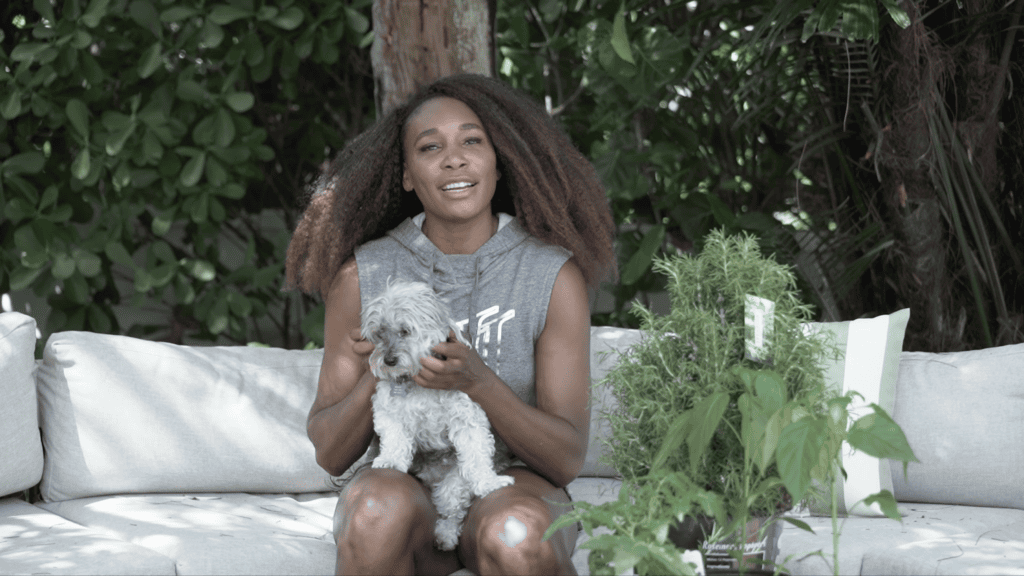
By the end of the day Harry had been in more setups than anyone except Venus.
It wasn’t a production. There was no crew village, no marks on the floor, no one managing the room. It was a house with people in it, and the day became the thing the films were supposed to be about: unhurried, warm, ordinary.
We filmed her gardening, picking what she was about to cook, making shakes, putting vegetables on the grill. We filmed around the house with her dog. We filmed workouts. We filmed her reading outside.
There was no narrative to manufacture. The point was the side of her that nobody associates with walking onto Centre Court.
Chapter 04
Harry, the kitchen, and everyone else
Not all of it was tennis, and none of it was a brand shoot. The rest of the day was just her life: the dog, the kitchen, her mom and her closest friends.
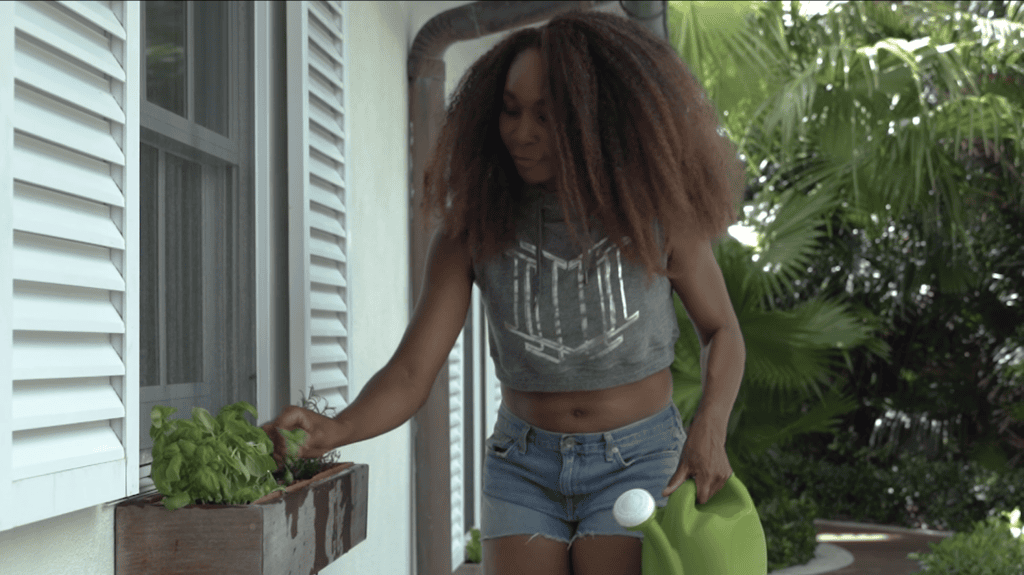
It started in the garden. Herbs cut from a window box a few steps from the kitchen, which is the sort of detail you cannot fake and do not have to light.
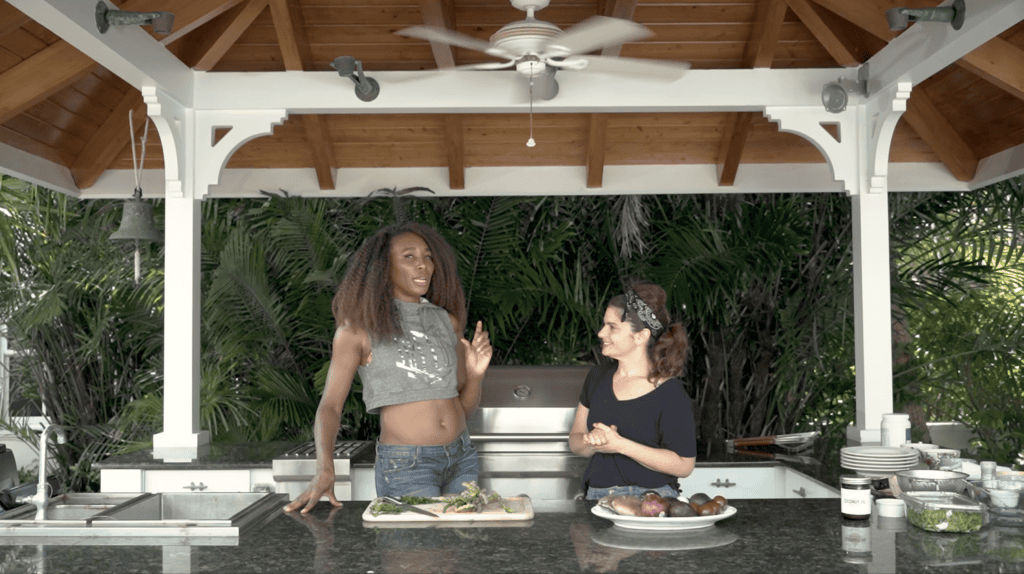
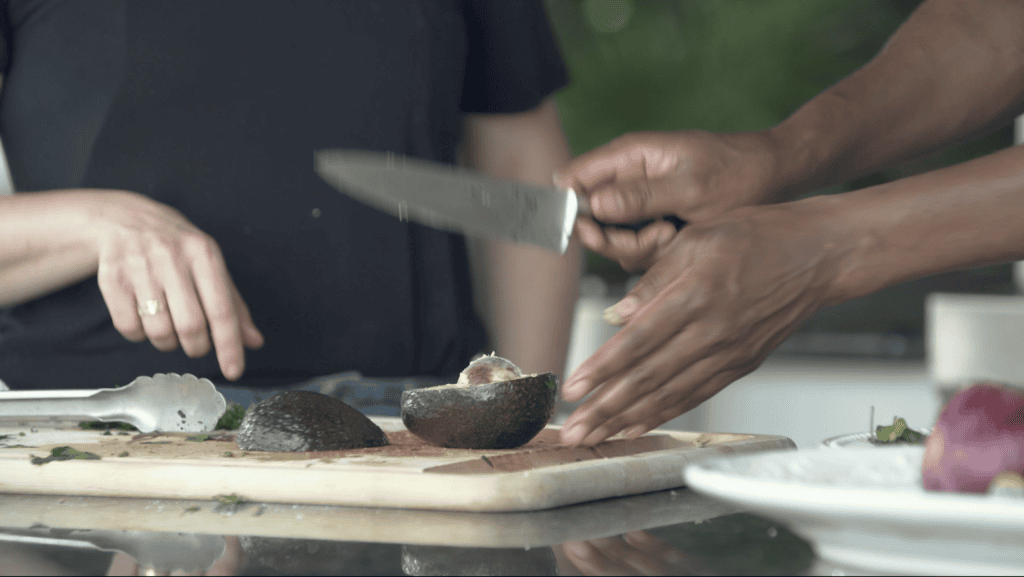
The outdoor kitchen did most of the work for me. Open on every side, green behind it, one direction of soft light all afternoon. I shot most of this handheld and close.
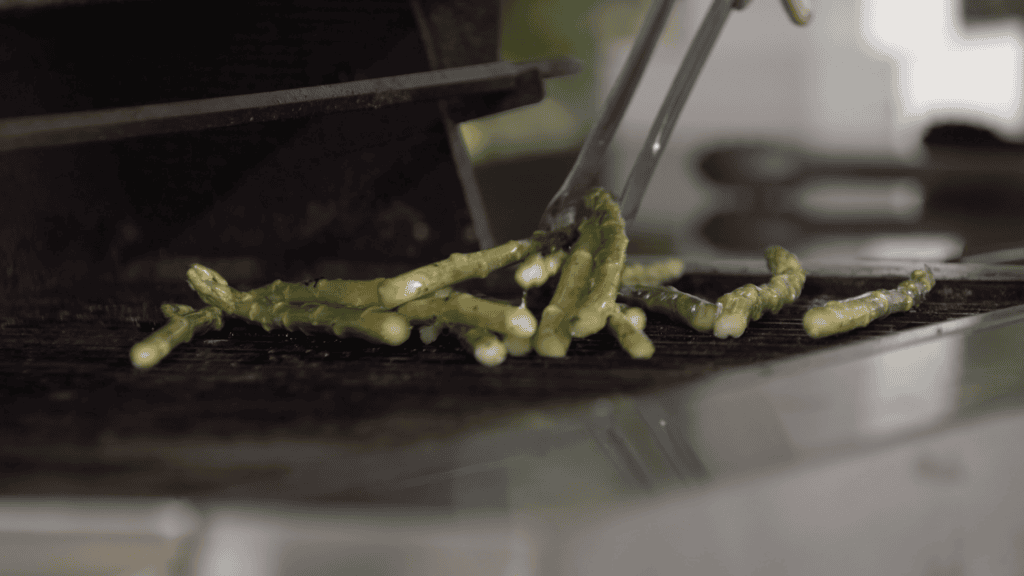
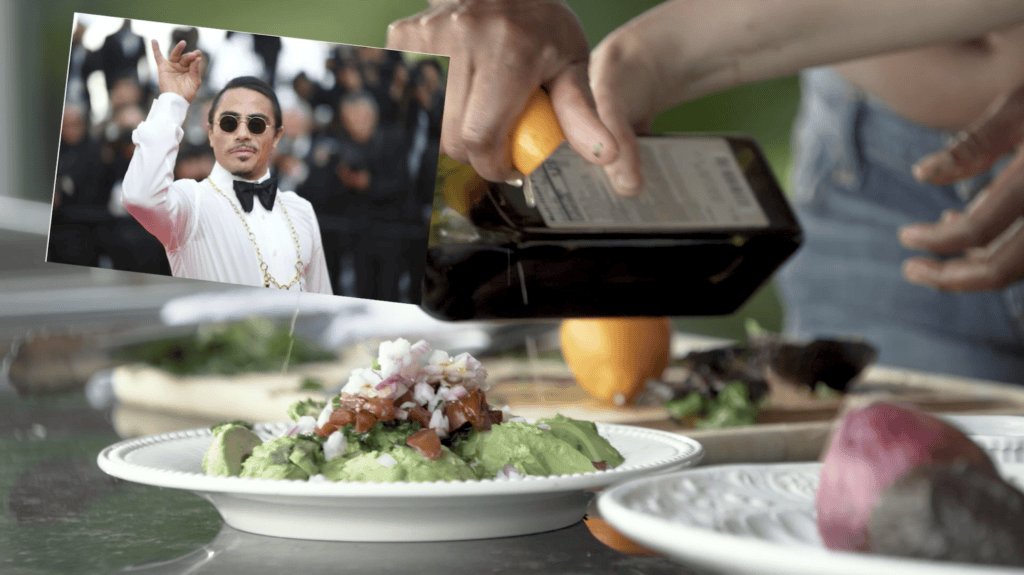
And then somebody dropped a Salt Bae into the edit over the olive oil, because nothing about this part of the day was supposed to be serious.
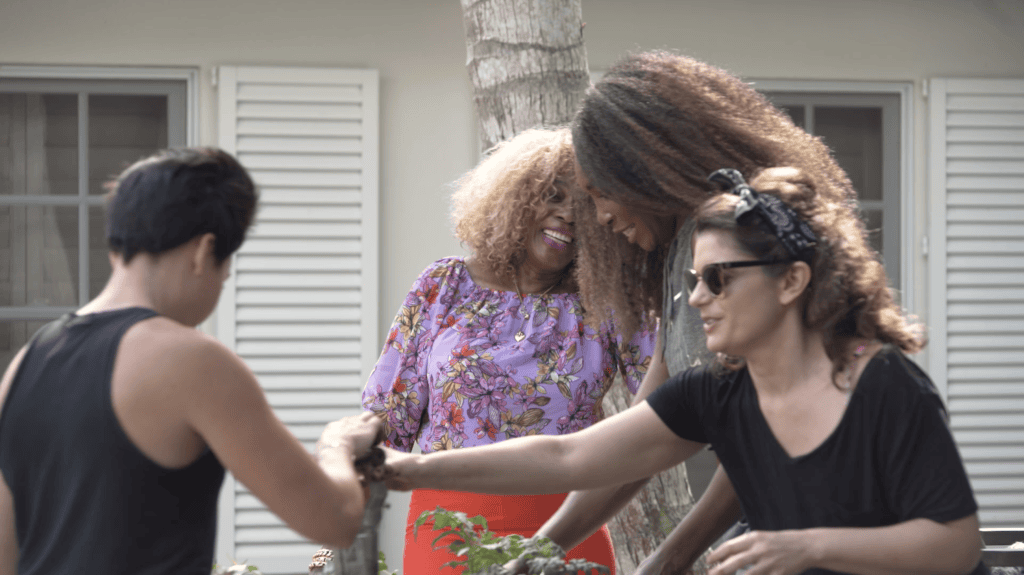
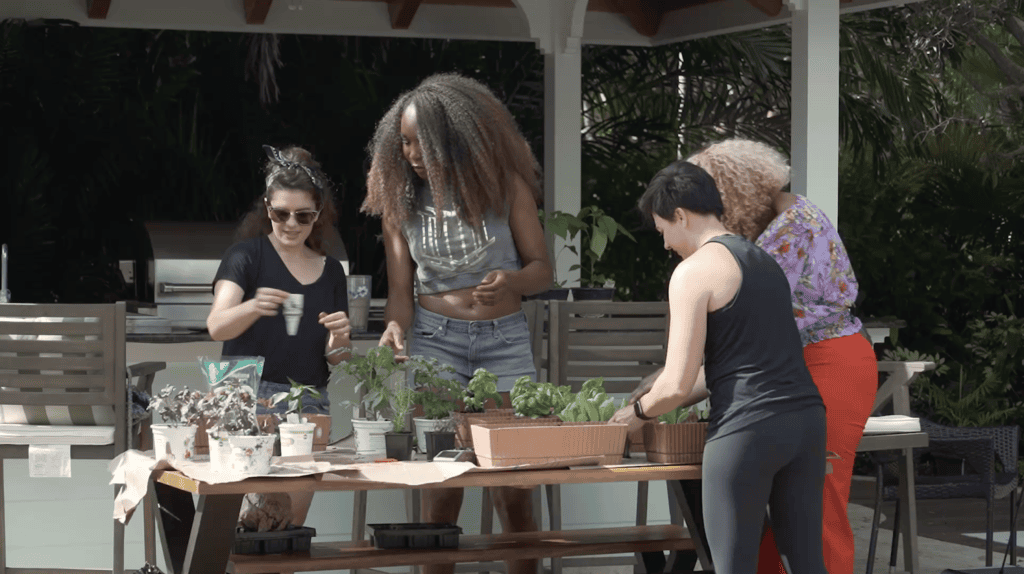
The afternoon finished with her mom and her friends around a table potting herbs. No setup, no marks, nobody performing. Those are almost always the frames that end up carrying a piece.
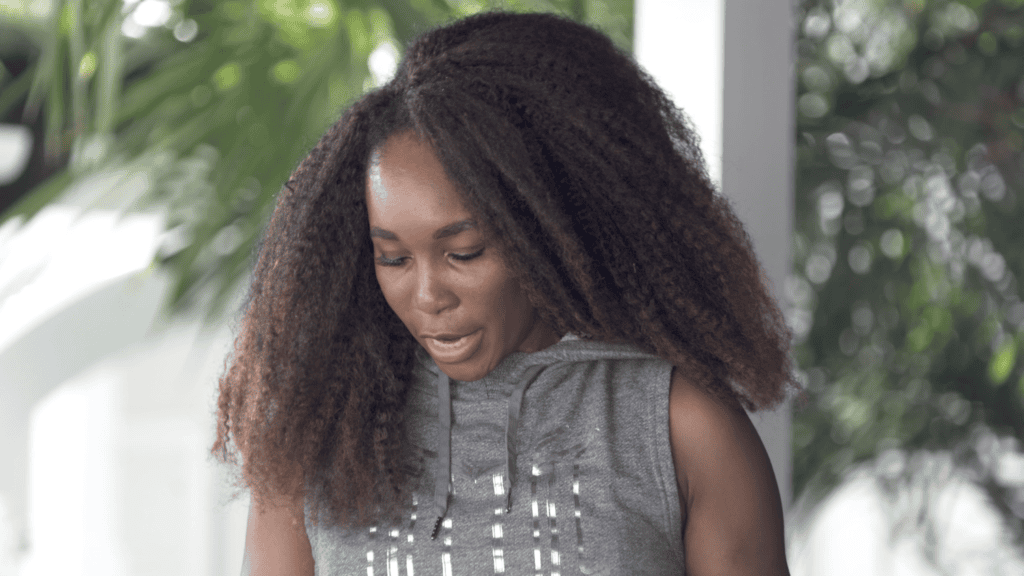
That is the part I did not expect to be filming. I came for a tennis piece and spent half the day in a kitchen with her family, which is a much harder thing to be trusted with.
On the court
Then we went to the court
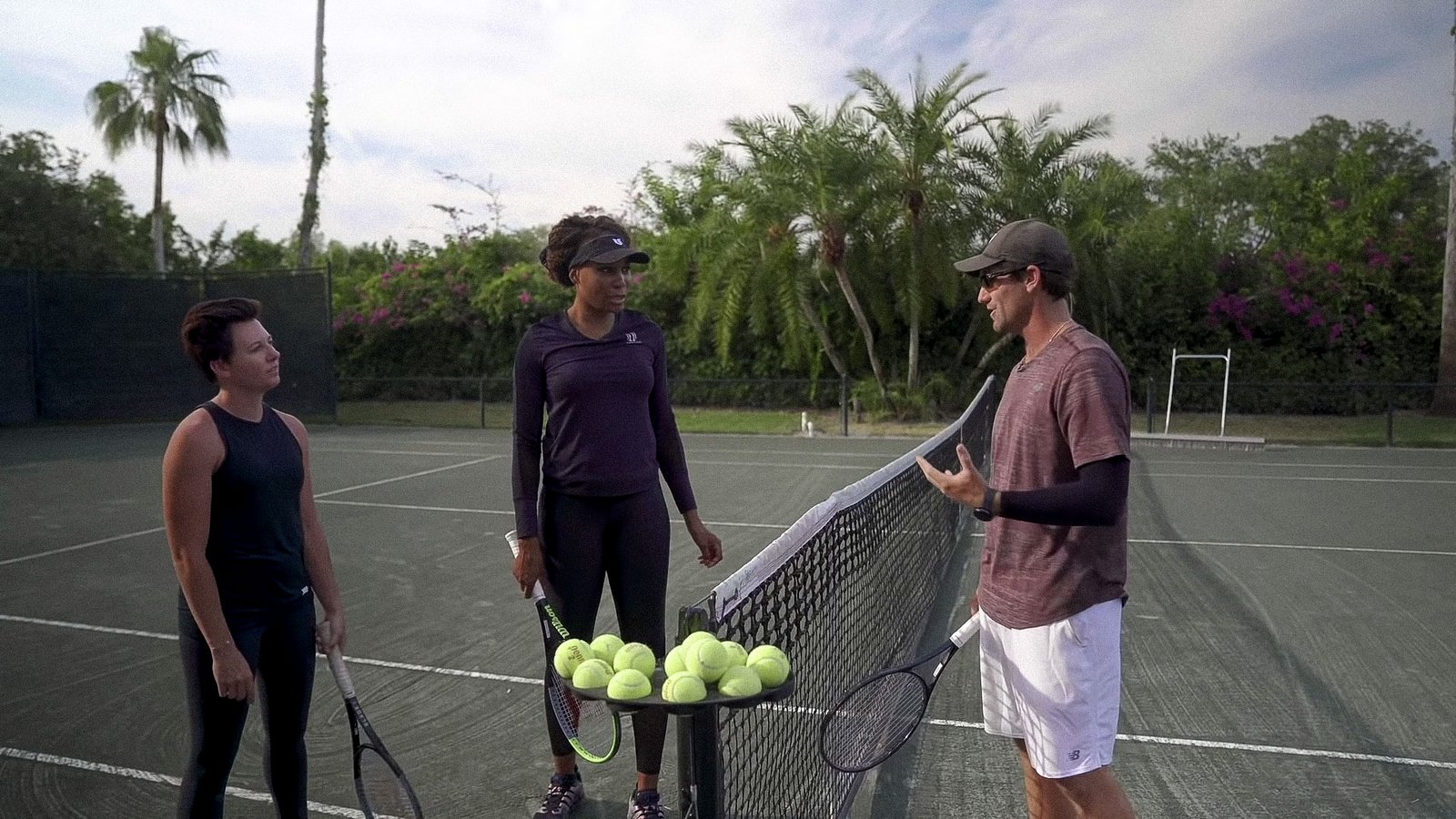
You don’t spend a day filming Venus Williams without eventually bringing out the rackets.
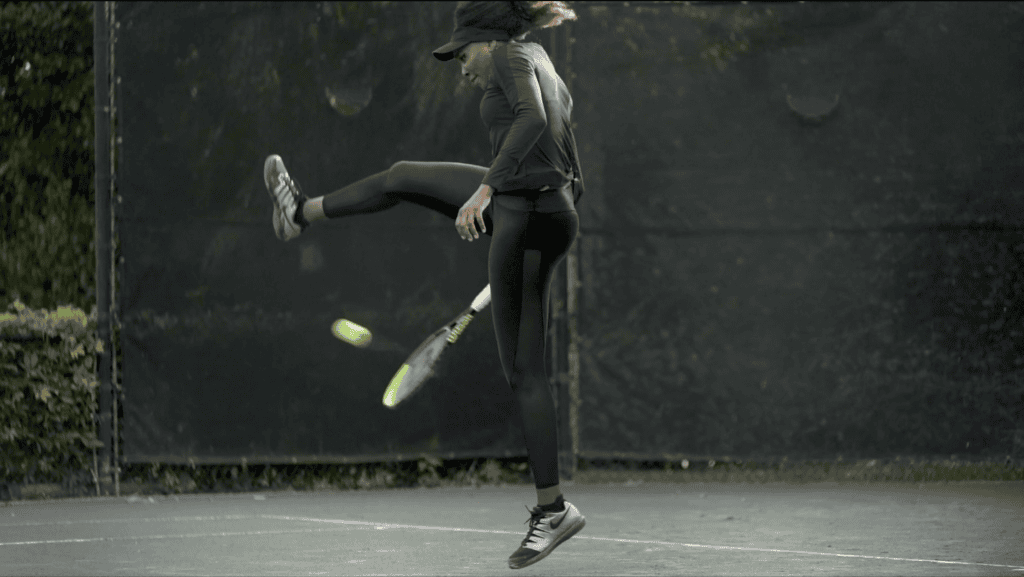
Then she started hitting, and the day changed. You do not really register how hard a professional strikes a ball until you are behind a camera trying to keep it in frame.
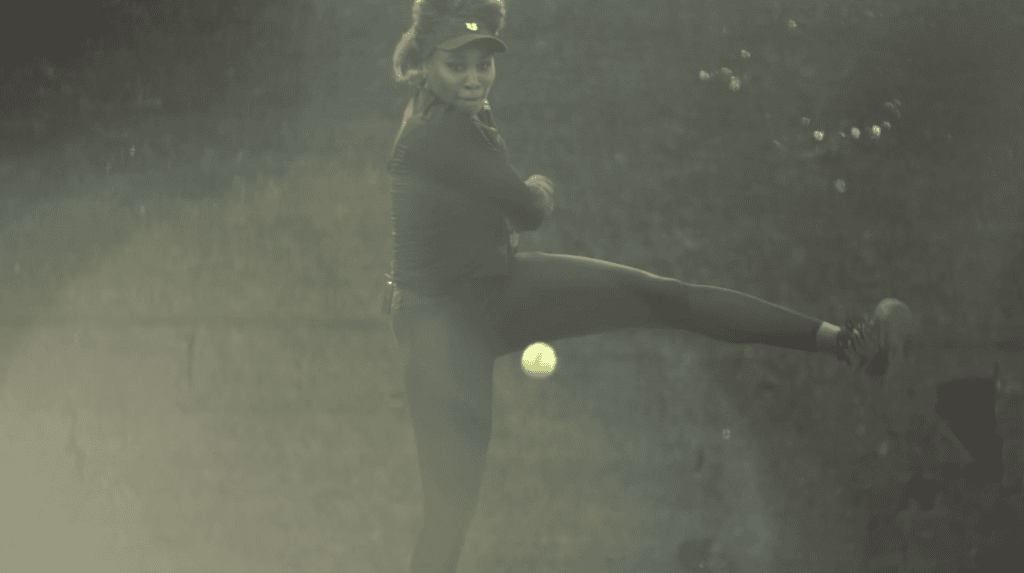
The light went hazy and low toward the end and I stopped directing anything. Some of the best frames of the whole day came out of that last twenty minutes.
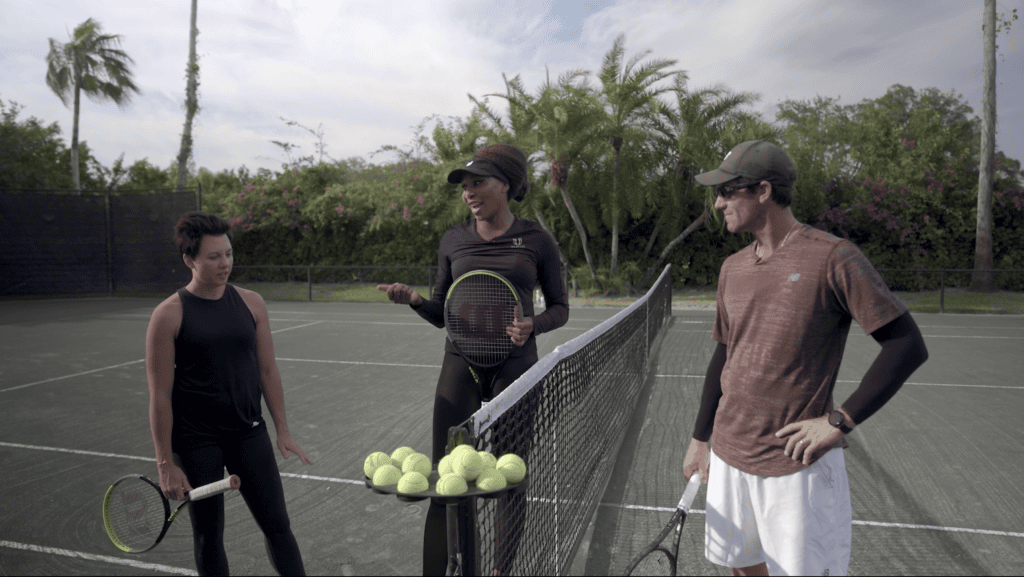
Her coach and a hitting partner ran the drills; my job was to stay out of the way and keep the camera where the ball was going to be. That is harder than it sounds when the ball is leaving at that speed.
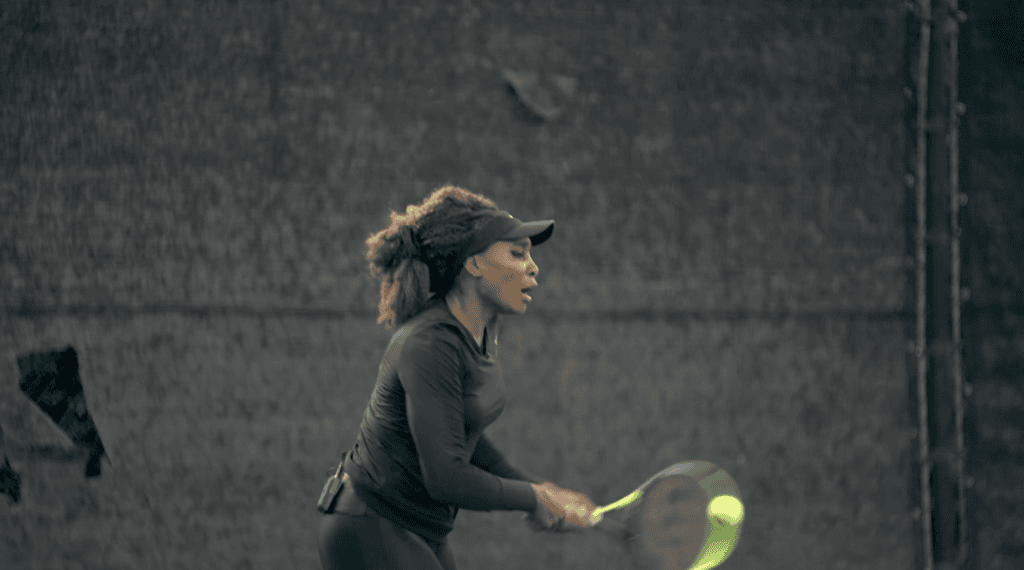
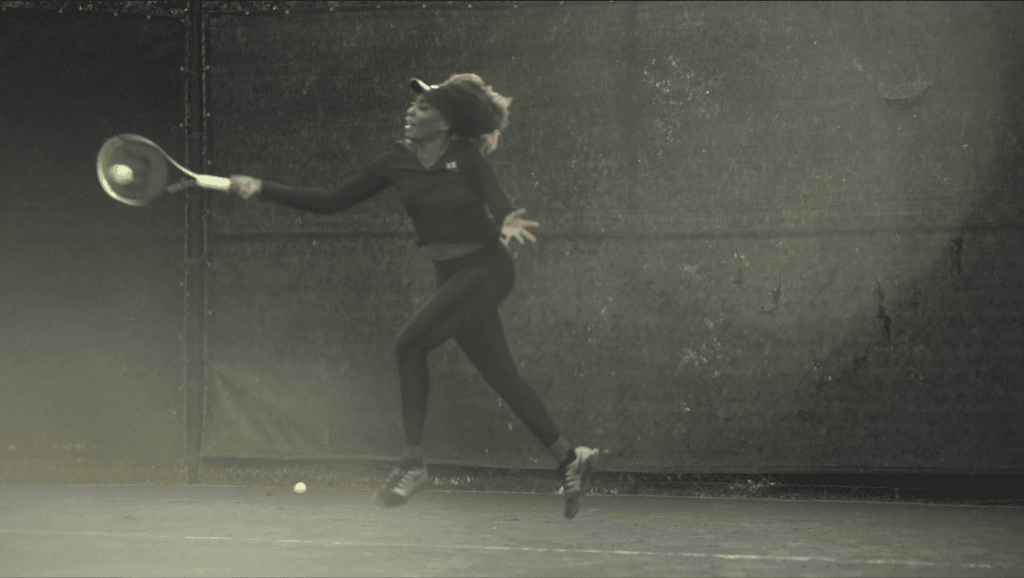
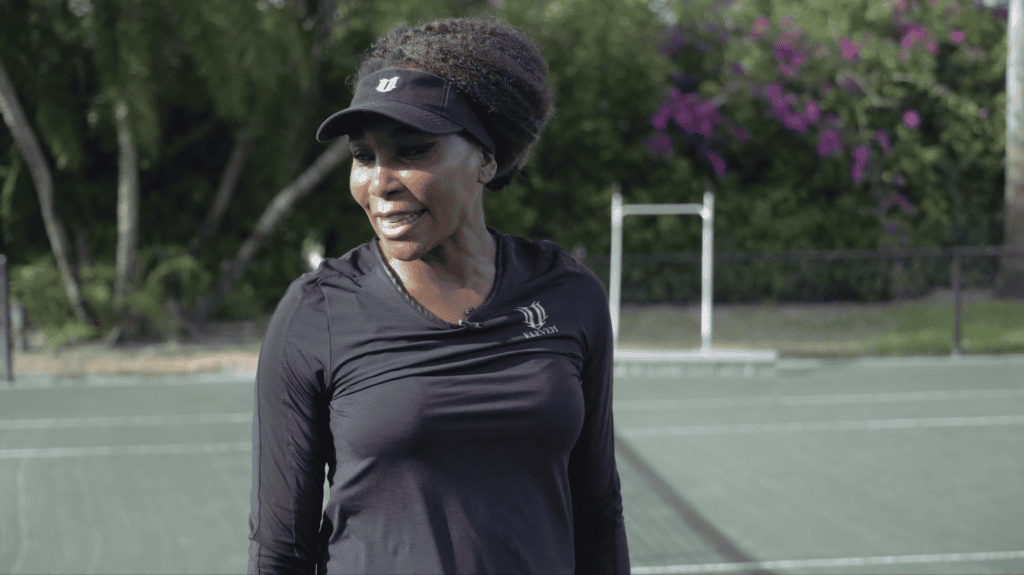
Between sets she was completely relaxed. All of the intensity in these frames is switched on for the shot and switched off the second it is over, which is its own kind of professionalism.
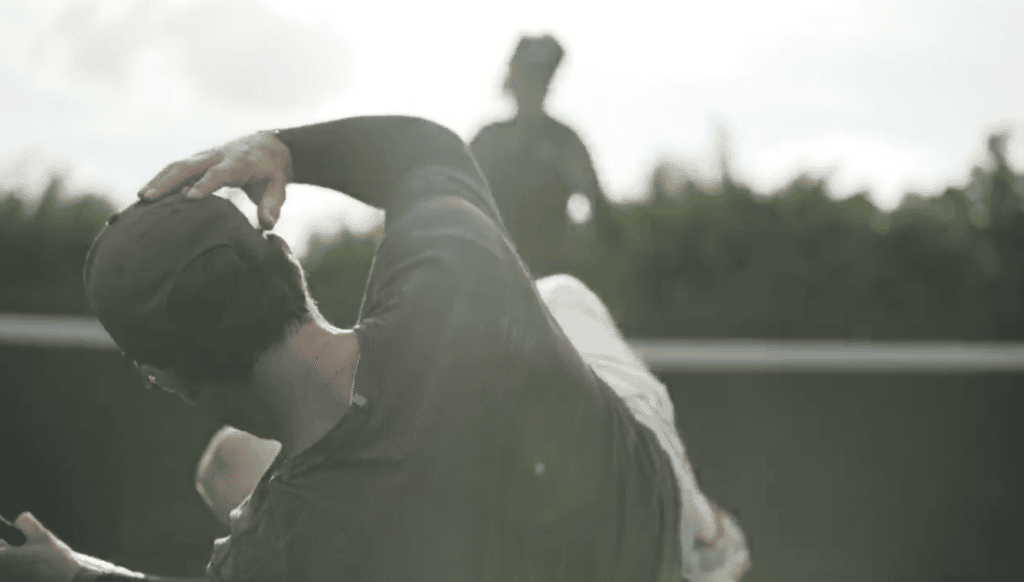
And then there is this one, from the comedy short, her coach taking a ball and going down for the bit. He was a very good sport about it.
She is also, it turns out, extremely fun to film. Between setups I shot this: a short cinematic piece of her moving on the court, cut slow so you can actually see what a serve looks like when it comes off a racket like hers.
Watch the film
Venus Williams cinematic showcase short
We also shot a comedy bit. The premise is simple: she hits a ball hard enough to flatten her coach, apologises, offers to try softer next time, and helps him back up. She committed to it completely, which is the only reason it works.
Watch the film
Comedy short with Venus Williams
We went out with her coach and made a completely different kind of thing. A piece about court etiquette, including what it costs you to smash a racket. Some comedy, one where she hits a ball hard enough to apparently take her coach off his feet.
And then we stopped being funny and just filmed what she does.
Slow motion. Ball striking. Footwork. The movement.
I had spent the day filming someone at home, and then she walked onto a court and became the other thing.
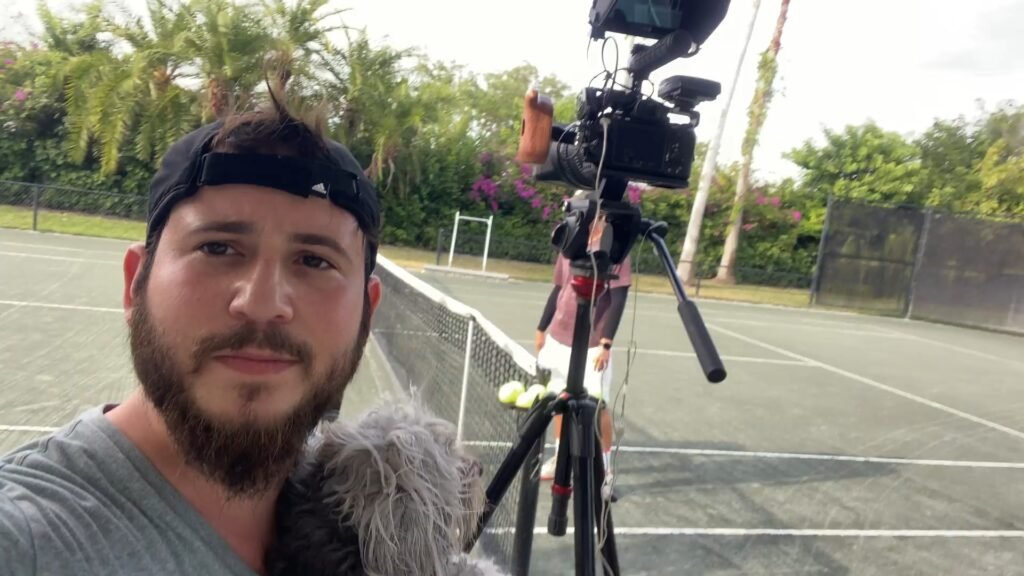
Watch the film
Court etiquette film with Venus Williams

What I learned
What it actually taught me
By 2020 Venus Williams had seven Grand Slam singles titles, four Olympic golds, and had been the first African American woman to reach World No. 1 in the Open Era.
None of that was in the room. In the room she was making a shake with a friend and hanging out with her dog.
But that isn’t the part I’ve kept.
The part I’ve kept is that I couldn’t have engineered any of it. Shabbos Ima wasn’t made for reach. It wasn’t a spec piece, it wasn’t aimed at anyone, and it certainly wasn’t made because I thought the right person might see it. It was a small job for a school that I cared about and tried to make properly.
Then it traveled.
That was six years ago, and the internet has gotten a lot louder since. Almost everything now is built to be distributed: cut for the algorithm, shaped for the feed, optimised before it’s finished. Which is exactly why I think the lesson holds harder now than it did then. The work that moves is almost never the work engineered to move. It’s the specific thing, made for actual people, that turns out to be legible to strangers precisely because it wasn’t trying to be.
You have no idea who is watching. The small project you take seriously this month is the one that puts you somewhere you couldn’t have planned for.
(More on that in Stop Making More Content.)
Have something worth making properly? Start a project →
Full Gallery