Content Strategy
Stop Making More Content


When a piece of content doesn't perform, most businesses reach for the same lever: make another one. Post twice as often. Add a Reel. Squeeze out a second video this month instead of one. It feels like the responsible move: do more, get more.
It's usually the wrong move.
After years of producing content across brands, nonprofits, schools, and healthcare practices in Miami and across South Florida, I've watched this pattern play out the same way almost every time: a business posts content that gets a quiet, unremarkable response, and the conclusion they draw is “we need more of it.” Rarely do they ask the harder question first, whether the content that already exists actually says anything worth stopping for.
More content built on the same unclear foundation doesn't fix the foundation. It just produces more of the same result, faster.
The More Content Myth
There's a comforting logic to volume. If one post doesn't work, the odds say the tenth one might. Post enough, and something eventually lands. It's the content equivalent of buying more lottery tickets.
The problem is that content isn't a lottery. It's not random which pieces work and which don't: the pieces that work almost always share the same qualities: a clear point of view, something specific to say, a reason to exist beyond “it was Tuesday and we hadn't posted in a while.” Volume doesn't manufacture those qualities. It just multiplies whatever is already there, good or bad.
Ten unclear videos don't average out to one clear one. They're just ten unclear videos.
Why More Feels Like Progress
Posting more feels like progress because it's measurable. You can see it happening: a calendar filling up, a feed getting busier, a number on a dashboard ticking upward. Clarity doesn't show up on a dashboard. It's much easier to point to “we posted twenty times this month” than to sit with the uncomfortable question of whether any of the twenty actually said something.
That's the trap: activity is easy to measure and easy to feel good about. Impact is neither. So businesses default to the thing they can track, even when it isn't the thing that actually matters.
I've sat in enough of these conversations to recognize the tell. A client shows me a content calendar dense with posting dates and empty of any actual message. The plan is thorough. The point is missing.

What Actually Moves the Needle
The businesses that build real traction with content aren't the ones posting the most. They're the ones who've figured out the one or two things worth saying, and say them clearly, consistently, in their own voice: the same idea from a different angle, expressed many different ways for many different moments, instead of many different ideas said once each and forgotten. That's the model behind ongoing content partnerships: one clear idea, built to work for months.
That's a different skill than “make more.” It's closer to editing than producing. It means being willing to sit on an idea until it's actually sharp, instead of shipping it dull just to hit a schedule.
Specificity does more work than frequency ever will. A single piece of content that says one true, specific thing about a business will outperform a month of generic ones: not eventually, but almost every time, because people share and remember specificity. Nobody forwards a video that could have come from any competitor. That's the same clarity problem covered in why most content fails before anyone hits record. It just shows up again at a bigger scale once volume enters the picture.

The Maintenance Trap
Somewhere along the way, a lot of businesses stopped asking “does this content do anything” and started asking “are we keeping up.” Content became maintenance, a treadmill to stay on rather than a tool to actually use. The goal quietly shifted from moving people to simply not going quiet.
That shift is easy to miss because it doesn't feel like a decision. Nobody sits down and decides “we're going to make content that doesn't matter, just to stay visible.” It happens gradually, one deadline at a time, until the whole operation is built around filling a calendar instead of making a point.
The way off the treadmill isn't to post less. It's to stop treating the calendar as the goal. The calendar is a delivery mechanism. It was never supposed to be the point.
When More Actually Is the Right Answer
None of this is an argument for making less content. It's an argument for making more of the right thing, from less raw material, instead of chasing more raw material to cover for a weak idea.
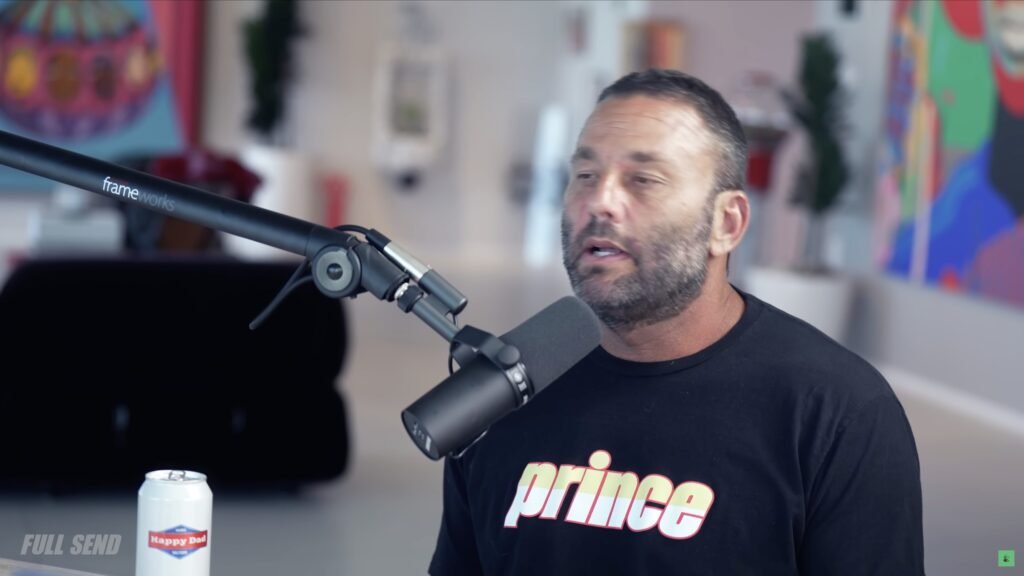
One well-planned session, a single conversation, a single shoot, a single clear idea captured properly, genuinely can fuel weeks of content, if it was built to. That's the whole idea behind turning one podcast into a month of content: it's not volume for its own sake. It's one clear thing, cut a dozen different ways for a dozen different moments. The difference between that and a content mill is entirely in whether there was something worth saying in the first place.
More content is the right answer exactly once: after you already know what you're trying to say. Not before.

How to Audit What You Already Have
Before making anything new, it's worth going back through what already exists and asking a blunter question than usual: if a stranger saw only this piece, would they know what we actually believe? Not what we sell, what we believe. Most existing libraries of content answer the first question fine and the second one not at all.
Sort what you already have into two piles: content that says something specific and content that could belong to any business in the category. The second pile is usually much bigger than expected, and it's rarely a production problem. The lighting is fine. The message underneath it was never decided.
That audit, done honestly, usually turns up more usable material than expected: the raw ingredients were often there all along, just never built with a point of view. Fixing what exists is almost always faster than producing something new to replace it.
The Quiet Advantage
The businesses that stand out over time aren't the loudest posters. They're the ones who decided what they actually wanted to say, said it clearly, and let that idea do more work than any posting schedule could. Volume without a point of view is just noise at a higher frequency.
If the message is clear, more of it is a genuine advantage. If it isn't, more of it is just more noise, faster.
Frequently Asked Questions
Is posting more often ever the right solution to low engagement?
How do we know if our content problem is volume or clarity?
Can old content be fixed, or does it need to be remade?
How does this relate to repurposing one shoot into multiple pieces of content?
If your content calendar is full but the results aren't showing up, the fix is rarely “do more.” Start a conversation, or see how social media content creation turns one well-planned shoot into weeks of video content for your business that actually says something.
Related Posts

The Camera Isn’t the Secret

AI and the Future of Creative Content: 2026 Guide for Creators