Content Strategy
The Camera Isn’t the Secret
Good content doesn't start with cameras. It starts with clarity. A creative director's honest take on why most brand content fails, and what actually works.

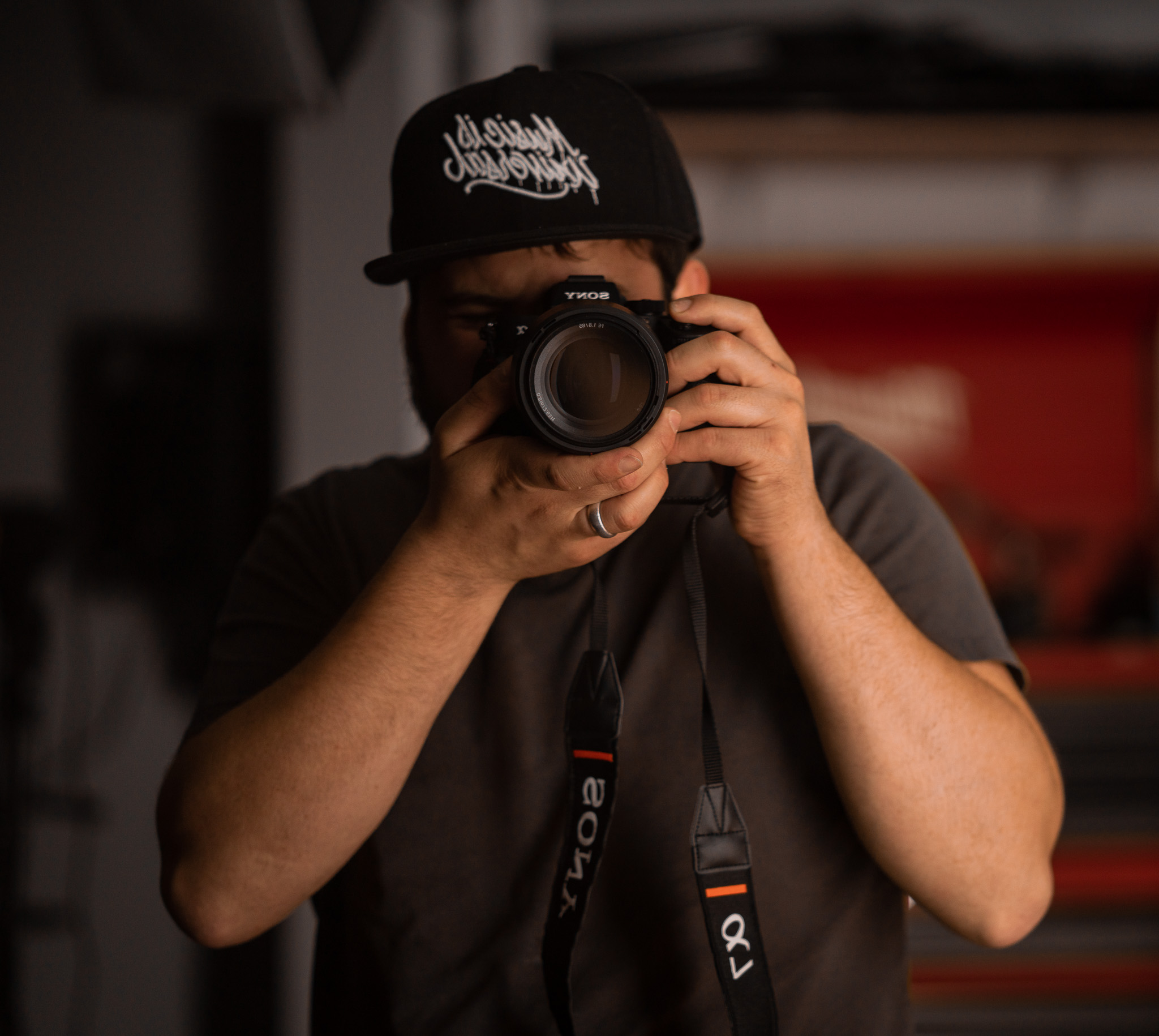
Every year the gear gets better. Cameras get sharper, lighting kits get smaller, editing software gets smarter. And every year, the same message shows up in inboxes across every industry: "We spent real money on this video and it didn't do anything."
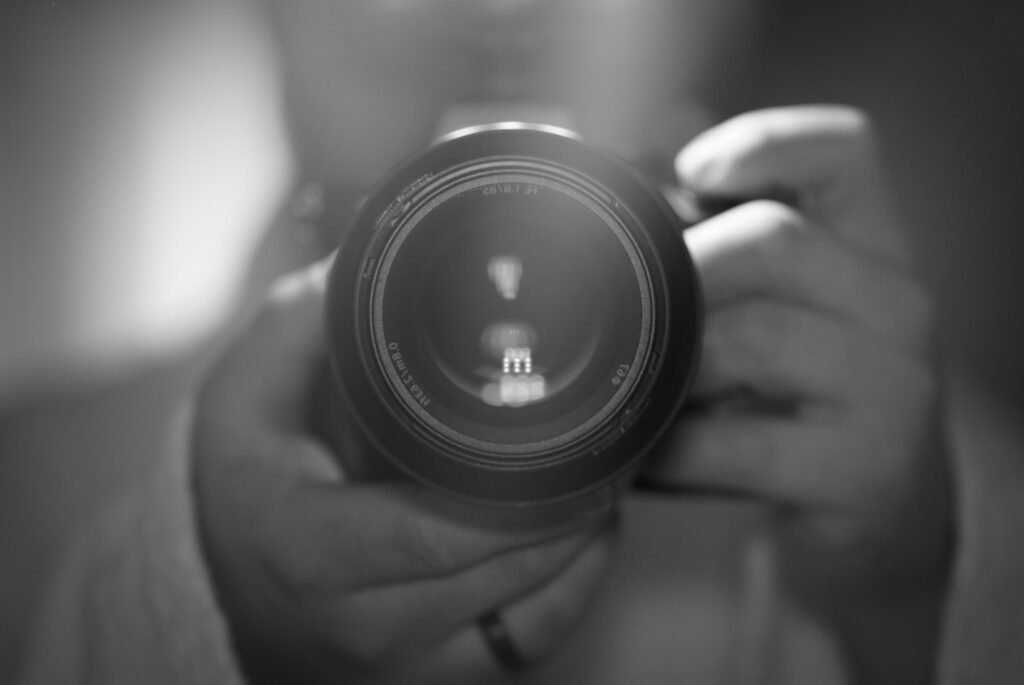
The camera is rarely the problem.
After directing commercial productions for brands, nonprofits, schools, restaurants, healthcare practices, and law firms, I've noticed something that never changes from industry to industry: the productions that work were never really about the camera. They were about clarity. The camera just recorded it.
The productions that don't work usually have the opposite problem: great equipment, no idea what they're actually trying to say.
Content Without Strategy Fails Quietly
Bad content doesn't usually fail loudly. Nobody complains about it. It just doesn't do anything. It sits on a feed. It gets a few polite likes from employees. It never gets shared, never gets remembered, never moves anyone from "interested" to "in."
That's the trap: content can look completely fine and still fail completely. Good lighting, clean audio, a logo in the corner, and zero impact. Because it was built backward. The video came first. The reason for the video came never.
Most businesses skip the one question that actually matters before any of that: what are we trying to make someone feel, and why should they care? Skip that question and no amount of production value fixes it.
Story Before Production
Here's the order that actually works, and it's almost always reversed:
- What does the audience already believe?
- What do we want them to believe instead?
- What's the one true thing that gets them there?
- Then, only then, how do we shoot it?
Most businesses start at step four. They book a videographer, block off an afternoon, and figure the story will "come together in the edit." It almost never does. Story isn't something you find in post-production. It's something you decide before anyone shows up with a camera.
The strongest productions I've worked on were fully mapped, not scripted word for word, but every beat planned, before a single light was turned on.
This isn't a knock on spontaneity. Some of the best moments in a documentary-style shoot are the ones nobody planned. But you can only recognize a great unplanned moment if you already know what story you're telling. Without that, every unscripted moment looks the same: pleasant, forgettable, interchangeable with a stock photo.
Why Expensive Cameras Don't Create Trust
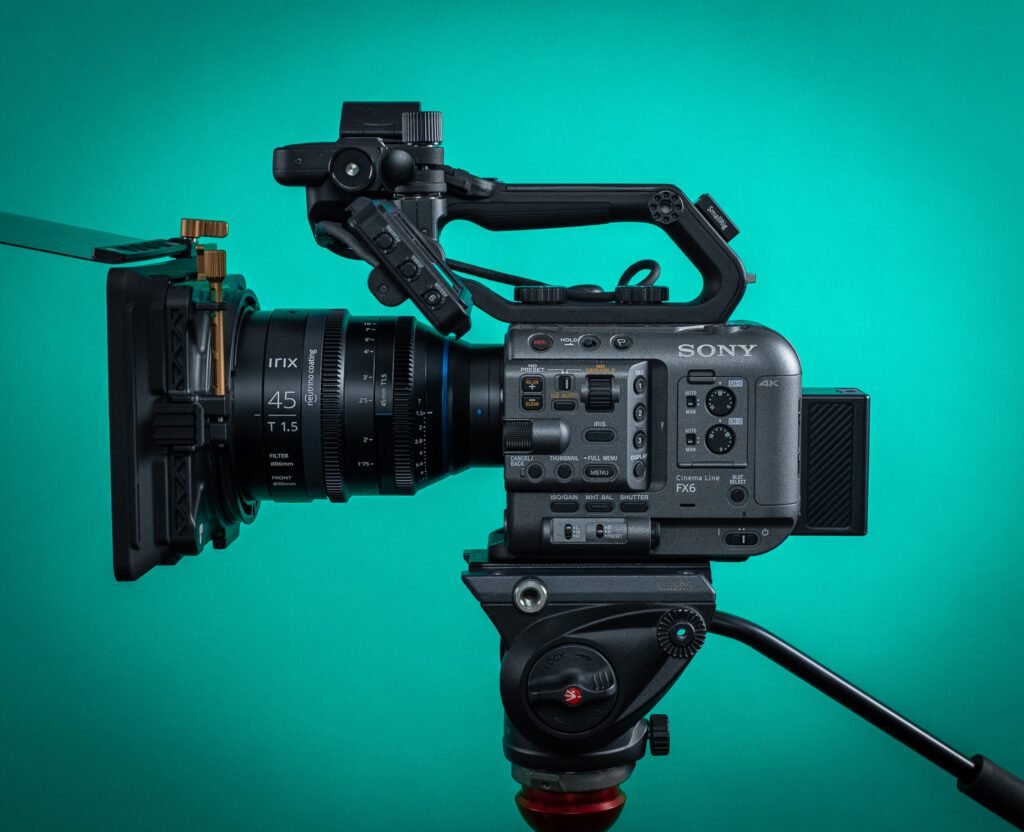
There's a persistent myth that better gear equals better results. It doesn't. Gear creates polish. Trust is created by something else entirely: specificity.
Generic content is forgettable because it could belong to anyone. Swap the logo and nobody would know the difference. That's not a production problem. It's a strategy problem. The camera can only capture what's actually there. If what's there is generic, an expensive cinema camera just photographs the genericness in higher resolution.
The businesses that build real trust with video are the ones willing to be specific: specific about who they serve, what they believe, what they've actually been through. Specificity feels risky because it excludes people. But it's exactly what makes the right people lean in. A message aimed at everyone is heard by no one in particular.
Authenticity Isn't Accidental
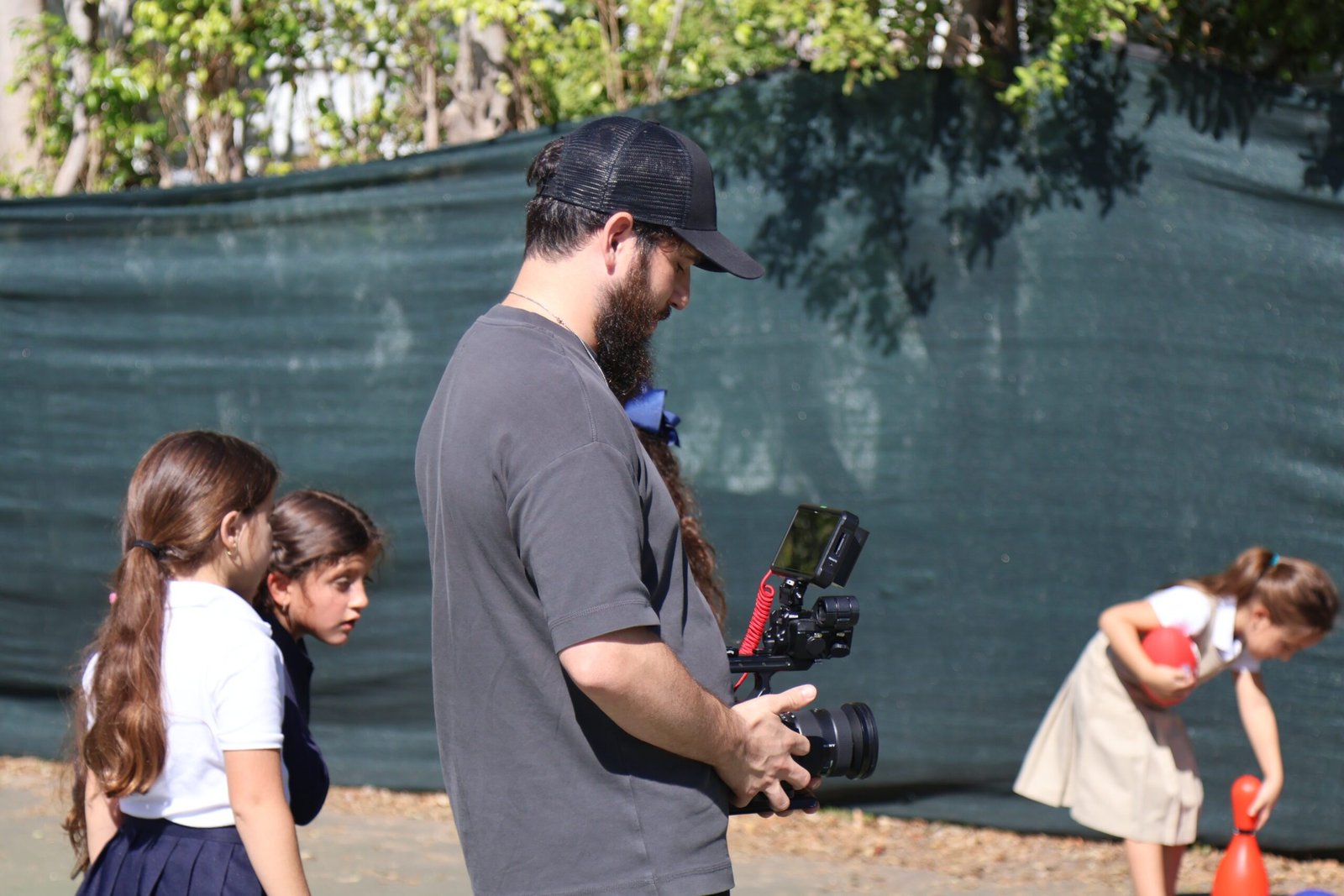
"Authentic" has become one of those words that's said so often it's stopped meaning anything. But real authenticity in a production is not the absence of planning. It's the opposite. It's the result of enough planning that people can stop performing and just be themselves on camera.
Nobody is naturally comfortable in front of a lens. The businesses that get "authentic" footage aren't the ones who show up unprepared and hope for the best. They're the ones who've done enough groundwork, a real conversation beforehand, a comfortable setting, a director who knows what they're actually trying to draw out, that the subject can relax enough to be themselves.
Authenticity is a production decision, not a personality trait.
The Role of Creative Direction
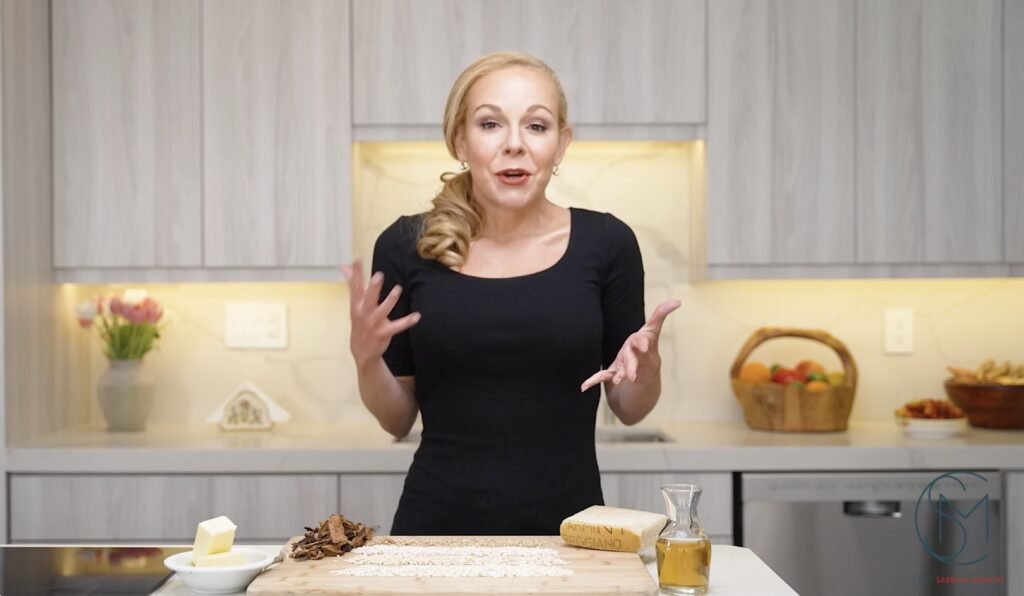
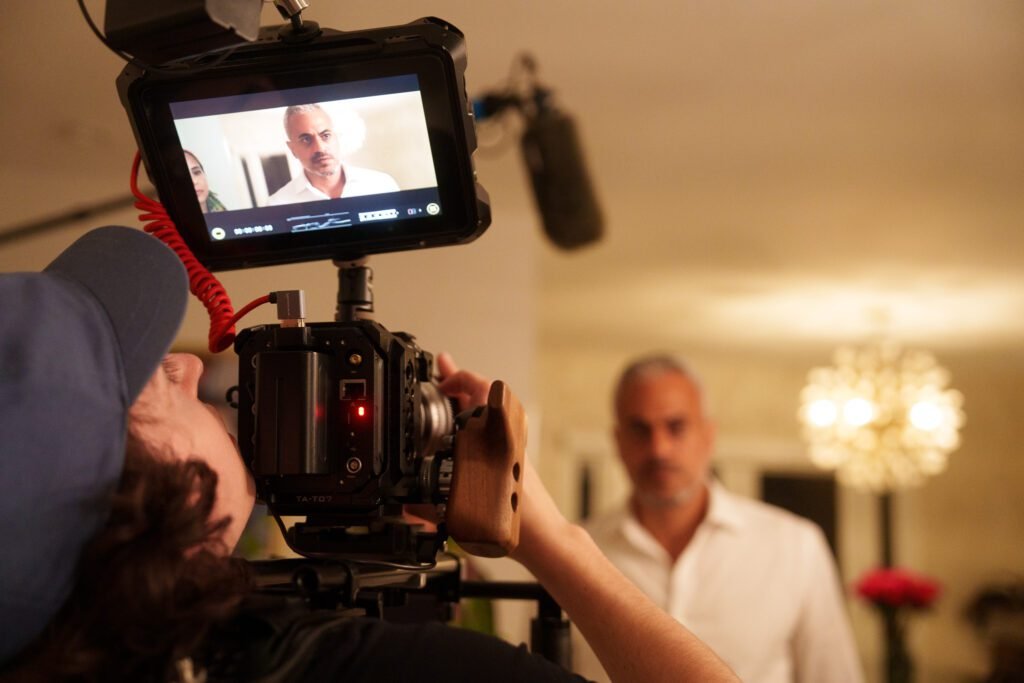
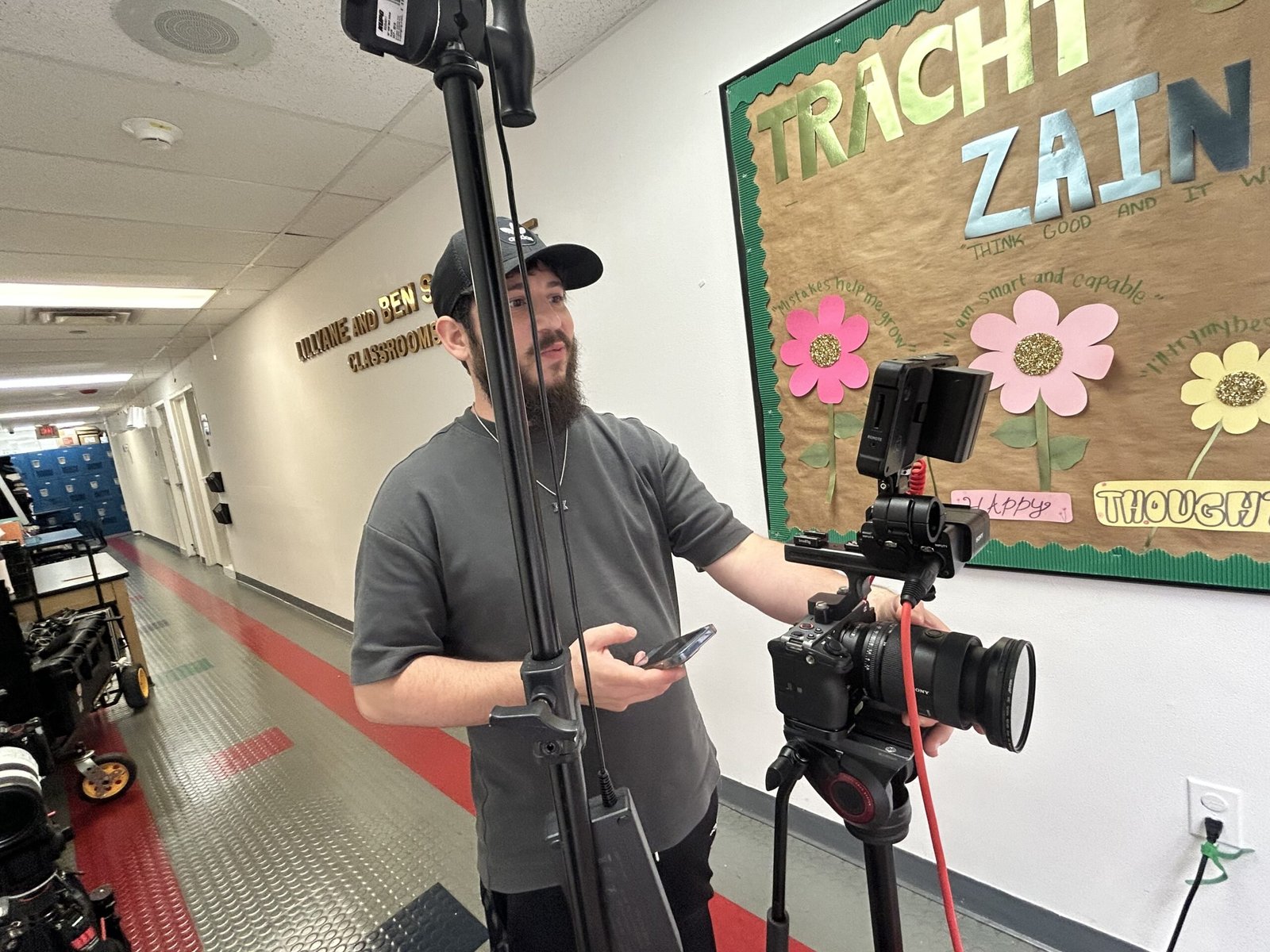
This is the part most businesses underestimate: someone has to be responsible for the whole thing making sense. Not just the footage, the whole thing. What's said, what's shown, what's cut, what order it plays in, what it's supposed to make someone feel by the end.
That's creative direction. It's not a luxury add-on. It's the difference between a pile of good footage and a piece of content that actually does something.
Without it, you get technically competent footage that goes nowhere. With it, even a simple setup, one person, one camera, one honest conversation, can outperform a five-camera production with no point of view.
The Role of Emotion in Marketing
People don't remember information. They remember feeling something. That's not a marketing platitude. It's how memory actually works. A list of features is forgotten in minutes. A moment that made someone feel something, surprised, moved, understood, amused, sticks.
This is why a well-made testimonial outperforms a spec sheet, why a founder's real story outperforms a mission statement, why a fifteen-second clip of someone laughing genuinely can outperform a beautifully produced explainer nobody feels anything about. The job of a video isn't to explain everything about a business. It's to make someone feel one true thing about it, clearly enough that they carry it with them.
Trying to say everything is how you end up saying nothing memorably.
Stop Chasing Trends
Every few months there's a new format everyone's supposed to be doing. A trending sound. A transition. A style of caption. Chasing it rarely works, and here's why: trends are borrowed attention. They work for the person who started them because it's their idea, executed with their specificity. By the time it's a trend, it's already generic.
The brands that actually build an audience over time aren't the ones chasing the last twelve trends. They're the ones who found one true thing to say and said it consistently, in their own voice, long after the trend cycle moved on. Consistency of message beats novelty of format almost every time.
Every Business Already Has a Story Worth Telling
The most common thing I hear in a first conversation with a new client is some version of: "I don't know if we have anything interesting enough to film." Almost always, they do. It's just buried under how familiar it's become to them.
The founder who started the company at their kitchen table has told that story so many times it feels boring to them. To someone hearing it for the first time, it's the whole reason to trust them. The nonprofit that's helped the same population for fifteen years has a hundred stories sitting in their case files. The restaurant that's been on the same corner for two decades has regulars who could talk for twenty minutes about why they keep coming back.
The story is rarely missing. It's just invisible to the people closest to it. Part of the job of a creative director is being the outside eye that spots what's actually worth telling, and what's safe to leave out.
What "Specific" Actually Looks Like
Specificity sounds abstract until you see it next to the generic version. A law firm can say "we fight for our clients," or it can show the exact moment a client hears their case was won: unscripted, unguarded, real. A healthcare practice can say "compassionate care," or it can show a doctor explaining a diagnosis the same patient, honest way they would to their own family. A school can say "a nurturing environment," or it can show what actually happens in a classroom on a Tuesday that has nothing to do with a brochure.
The generic version is safe. It's also invisible. Every competitor is saying some version of the same sentence. The specific version takes more work to find and more nerve to publish, because it can't be copied. That's exactly why it works.
This is true across every industry I've worked in. A restaurant's real advantage usually isn't the food on the plate. It's the exact feeling of walking in on a Friday night, which no menu photo captures but a camera in the right hands can. An artist's real advantage isn't the finished track. It's the specific moment in the process where the idea clicked, which almost never makes it into a polished music video but is often the most watchable footage from the whole session.
The Cost of Getting This Wrong
The real cost of content without strategy isn't the production budget. It's the opportunity cost: the audience's attention was spent once, on something forgettable, and it doesn't come back for a second try. A viewer who scrolls past a generic video doesn't file it away as "fine, I'll pay closer attention next time." They simply move on, and the business rarely finds out why.
This is also why "we tried video and it didn't work for us" is one of the most common, and most misleading, conclusions a business can reach. Video didn't fail. A specific video, built without a clear story, failed. The format gets blamed for a strategy problem almost every time.
Why This Matters More Now
There has never been more content competing for the same few seconds of attention. That's usually framed as a reason to produce more, faster. It's actually the opposite. When everyone is producing more, the advantage shifts to whoever is saying something clearer than everyone else, not whoever is posting most often.
Volume without clarity just adds to the noise. Clarity is what cuts through it, and clarity was never a function of camera quality.
It Isn't Only About Video
Everything above applies just as much to a single photograph as it does to a two-minute brand film. A portrait session built around clarity, who this person actually is, not just good lighting on their face, produces images a business uses for years. A product shoot with no point of view produces images that look like every other product shoot.
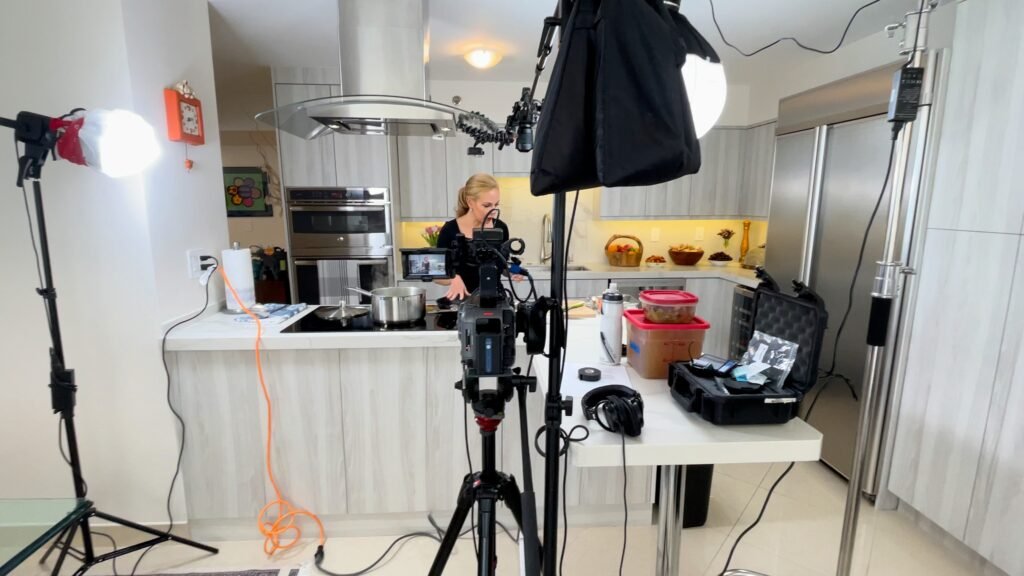
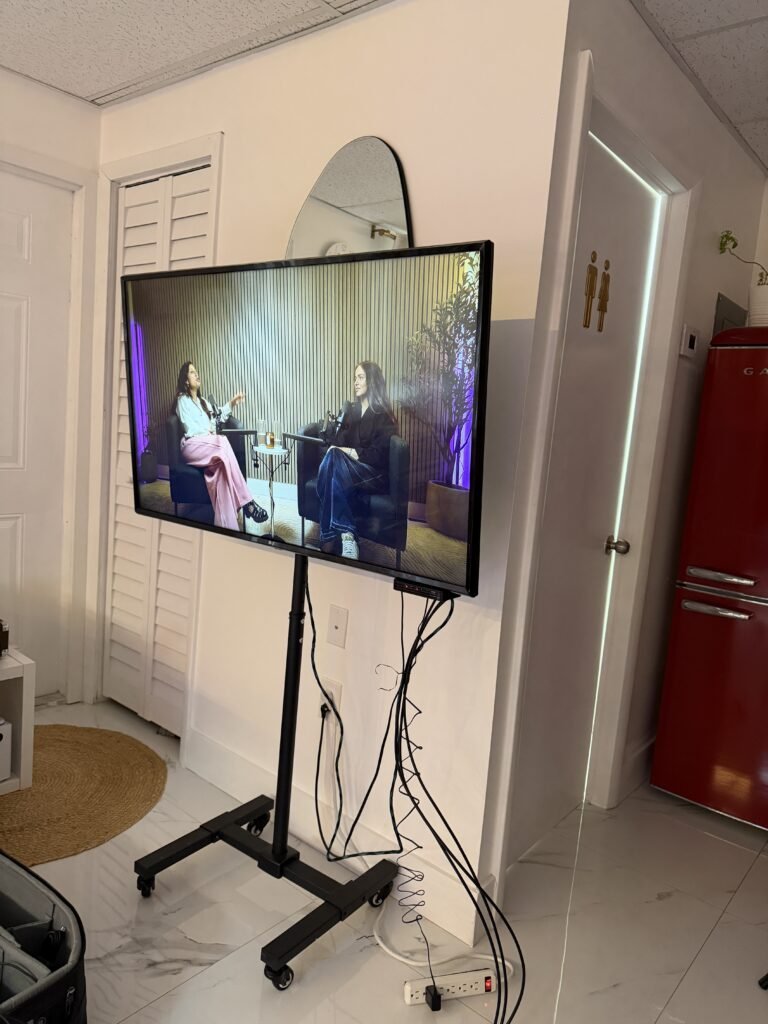
It also isn't a one-time project. The businesses that stay visible month after month usually aren't commissioning a new production every time. They're working from a plan built for ongoing content, shot once with enough range to be useful for weeks. Some of that work happens on location. A good amount of it happens in a proper studio space built for exactly this kind of session.
Common Mistakes Businesses Make
- Trying to say everything. A video that covers ten points communicates zero of them clearly.
- Scripting every word. Over-scripted testimonials and interviews read as fake, because they are.
- Skipping the pre-production conversation. The best material almost always comes from a real conversation before the camera turns on, not during it.
- Treating video as a one-time event. One video, one launch, then silence. Trust is built through consistency, not a single moment.
- Hiring for the camera, not the eye. Anyone can point a good camera at something. Far fewer people can tell you what to point it at, and why.
Practical Advice You Can Use Today
Before booking any production, however small:
- Write down, in one sentence, what you want someone to feel after watching.
- Identify the one true, specific thing about your business a competitor couldn't claim.
- Talk to the person who'll be on camera before the shoot: not to script them, but to find the real story.
- Resist the urge to cover everything. Pick one idea and let it breathe.
- Plan where the content lives after it's made. One piece of content should fuel weeks of smaller pieces, not disappear after one post.
None of this requires better equipment. It requires slowing down for a day before speeding up for the shoot.
Who Should Be Making These Decisions
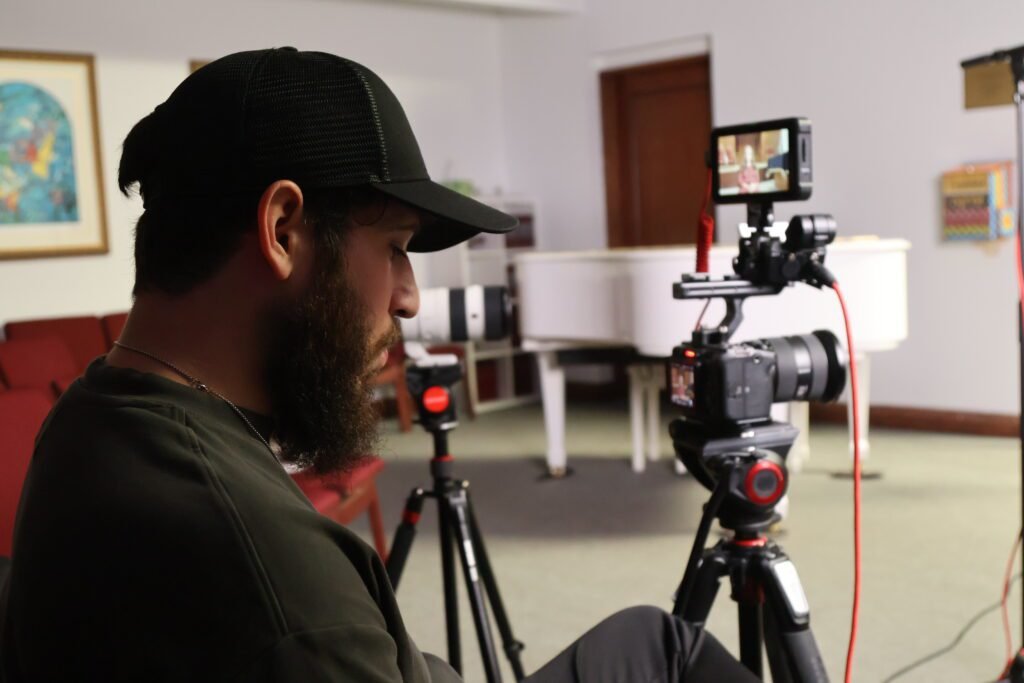
Somebody on a production has to hold the whole story in their head at once: not just the shot list, but why each shot exists and what it's building toward. On a small shoot that might be one person wearing several hats. On a larger one it's a dedicated creative director whose job is exactly this: protecting the story from getting lost in logistics.
That role matters more than which camera ends up on the tripod. It's worth asking, before booking any production: who on this team is actually responsible for making sure the finished piece says one clear thing? If there's no good answer, that's worth solving before the production itself.
The Quiet Advantage
The businesses that consistently produce content people remember aren't necessarily the ones with the biggest budgets. They're the ones who treat clarity as the actual product, and the camera as what it's always been: a tool that records whatever is already there.
If the story is clear, the camera will find it. If it isn't, no amount of gear will invent one.
Frequently Asked Questions
Why does professionally produced content sometimes underperform simple, unpolished content?
Because polish and clarity are different things. A highly produced video with no clear point of view can be outperformed by a rough, honest clip that says one true thing clearly. Production value amplifies whatever story already exists. It doesn't create one.
How much planning does a brand film actually need before shooting?
Enough to know, in one sentence, what you want the audience to feel afterward, and what specific, true thing about the business gets them there. That can take a single focused conversation. It rarely requires a full script.
What's the difference between creative direction and just hiring a videographer?
A videographer is responsible for capturing footage. A creative director is responsible for the story the footage serves: what's said, what's shown, what's cut, and what it's all supposed to add up to. Many productions only have the first role filled, which is why the footage is technically fine and still doesn't work.
How often should a business be creating video content?
Consistently enough to stay visible, which matters more than any specific frequency. A single clear, well-planned session repurposed into smaller pieces over several weeks usually builds more trust than sporadic, one-off videos posted without a plan for what comes after.
That instinct to stay visible is exactly where most businesses default to posting more instead of asking whether what they've already made says anything. Worth reading if that sounds familiar: stop making more content.
If you have something meaningful to share, I'd love to help you bring it to life. Start a conversation, or take a look at recent brand film and content creation work.
Related Posts
Stop Making More Content

AI and the Future of Creative Content: 2026 Guide for Creators