Podcasting
From One Podcast to a Month of Content
One recording session can fuel weeks of Reels, Shorts, and posts. A creative director's honest guide to podcasting smarter, not more often.

Most people think a podcast is the finished product. It isn't. It's the raw material.
I've watched businesses record a single hour-long conversation and turn it into six weeks of content: Reels, a newsletter, a blog article, quote graphics, a highlight reel, a full YouTube upload. I've also watched businesses record twelve episodes, post the full-length version to Spotify, and never touch the footage again. Same effort. Wildly different return.
The difference was never the quality of the conversation. It was what happened to it after the mics turned off.
Why Most Podcasts Fail Before They Start
Most podcasts don't fail because the host isn't interesting or the audio is bad. They fail for a much more boring reason: nobody thought past the recording.
The plan is "record an episode." Not "build an asset that pays off for a month." So the episode gets recorded, uploaded somewhere, and that's the end of the plan. No clips. No captions. No distribution. All that effort produces one piece of content that maybe a few hundred people see once.
The Biggest Mistake People Make
Treating the recording as the finish line instead of the starting line.
A one-hour conversation, shot properly, is genuinely one of the most efficient content formats available. It's real dialogue, real reactions, real expertise, the exact material short-form platforms reward. Cutting it into a single upload and walking away is like harvesting a whole field and using one seed.
The best podcasts I've worked on were never planned as one video. They were planned as a month of material that happens to start with a conversation.
Planning Your Episode, Before You Ever Hit Record
The episodes that repurpose well are planned slightly differently than the ones that don't. A few things worth deciding before the mic goes on:
- What are the 3–5 moments you actually want someone to quote later? Not the whole episode, the specific beats that would work as a 30-second clip on their own.
- Who is this for, specifically? A guest interview aimed at "everyone" produces forgettable clips. Aimed at one specific type of listener, it produces sharable ones.
- What's the one line you want people to screenshot? Plan for it. Good hosts steer a conversation toward it without scripting it.
None of this makes the conversation less natural. It makes the natural conversation easier to find gold in afterward.
Choosing the Right Format
Not every business needs the same podcast format, and picking the wrong one is a quieter version of the planning mistake above. A solo format, one host, direct to camera, works well for someone with a clear point of view and enough material to sustain a conversation alone. It's also the hardest to do naturally, because there's no one to react to.
An interview format is usually the easier entry point for most businesses. A guest brings energy and unpredictability that's hard to manufacture solo, and the host's job shifts from performing to simply asking good questions, a much lower bar to clear consistently. A panel format works best when the value is in disagreement or range of perspective, but it's also the hardest to repurpose cleanly, since clips need enough context to make sense with three or four voices instead of one or two.
For a business just starting out, an interview format, the host talking with one guest at a time, is usually the most sustainable choice. It's easier to book, easier to keep interesting over time, and produces the cleanest short-form clips.
Building a Content Calendar From One Session
The gap between "we recorded a podcast" and "we got a month of content from it" is almost always a calendar. Without one, clips get posted in a burst right after editing, then the well runs dry and nothing goes out until the next session gets scheduled. If it does.
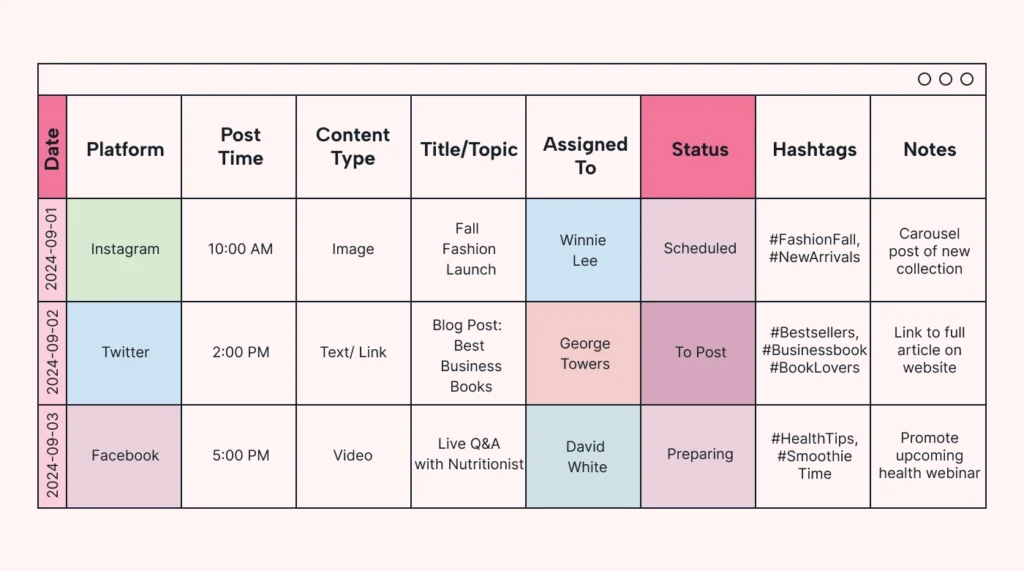
A simple version works fine: lay out four weeks, place the full episode in week one, and spread the six to ten short clips two or three per week across the following three to four weeks. Slot the quote graphics and the blog article wherever there's a gap. The point isn't a complicated system. It's making sure one recording session doesn't get compressed into five days of posting and then silence.
Lighting
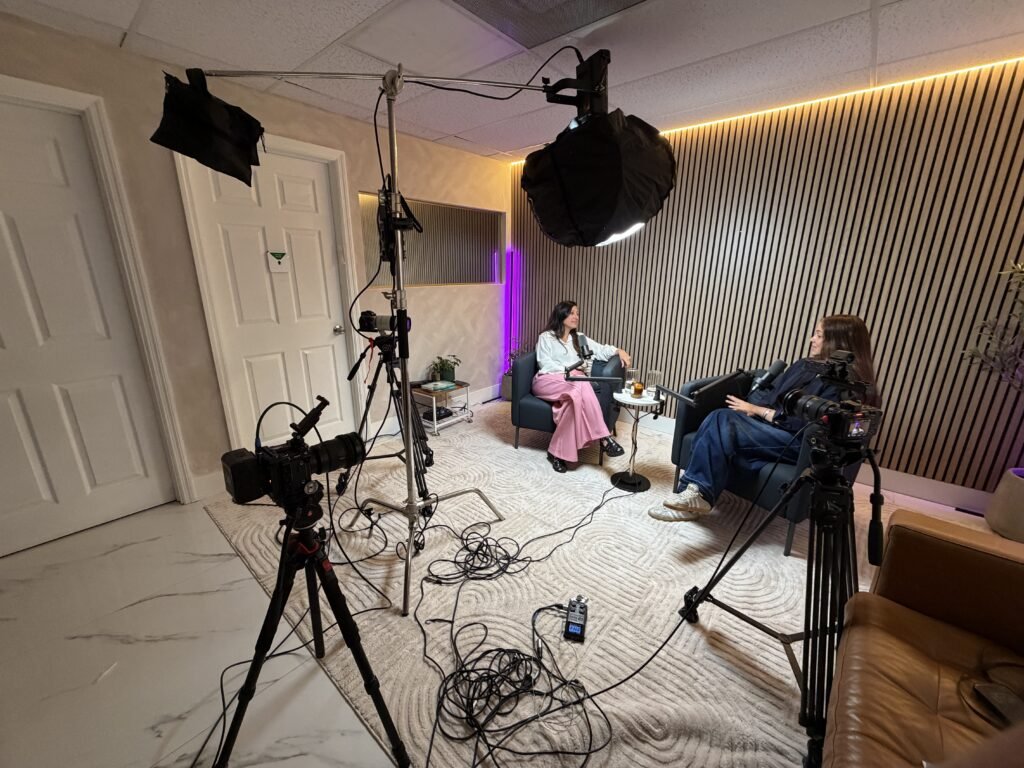
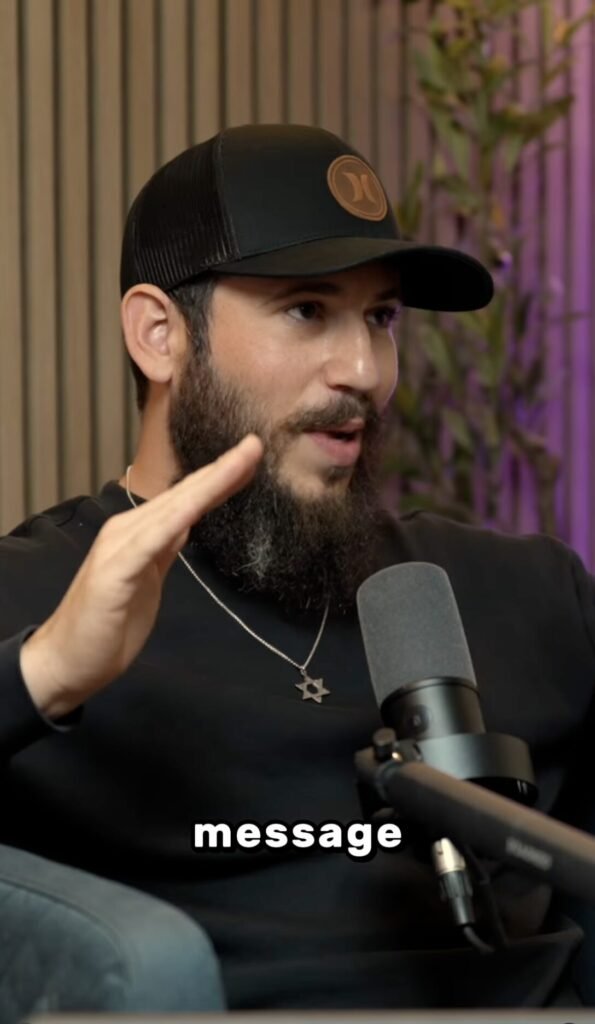
Flat, even light on faces matters more than anything moody or stylized. It's what makes a clip look intentional instead of like a phone video, and it's forgiving across every platform's compression.
Audio
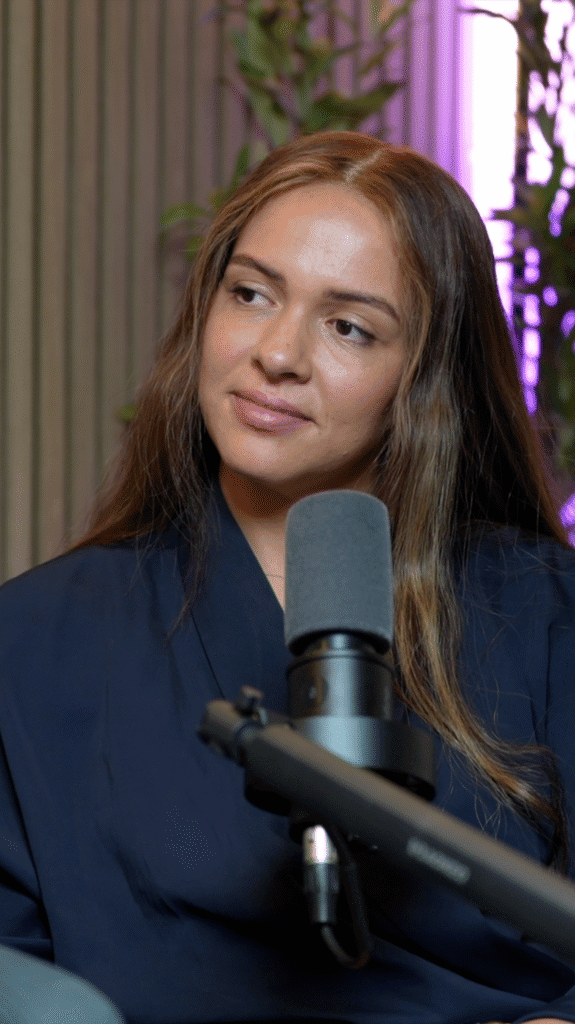
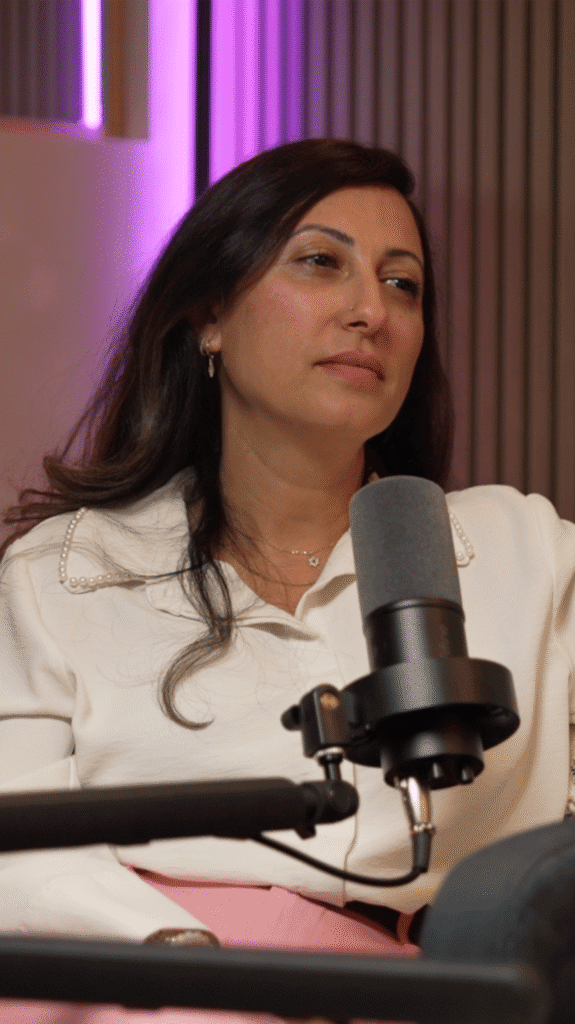
This one's non-negotiable. Viewers forgive imperfect video far more than they forgive audio they have to strain to hear. A close mic on each speaker beats a single room mic every time.
Camera Angles
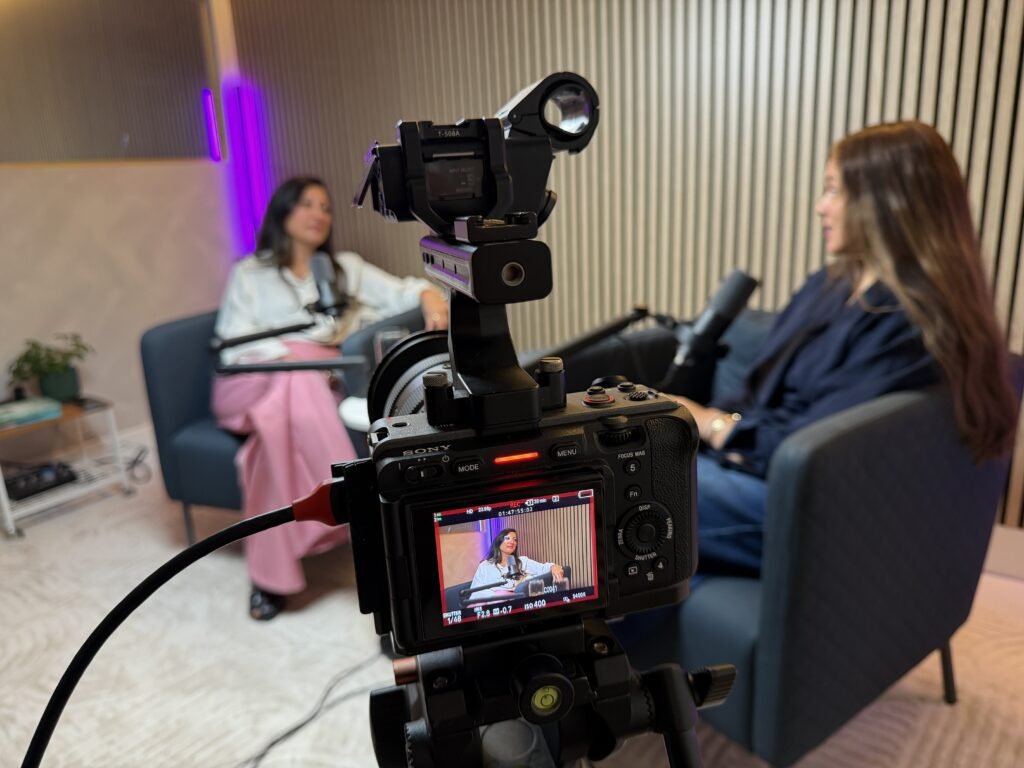
Multiple angles, even just two cameras, wide and a tighter angle on each speaker, give an editor room to cut for pace later. A single static wide shot works for the full episode, but it makes short-form clips visually flat.
Editing for Two Different Outcomes
A podcast produces two very different final products, and treating them the same is a mistake:
- The long-form episode, paced for someone who's already interested and wants the full conversation.
- The short-form clips, paced for someone who has never heard of you and has half a second to decide whether to keep watching.
Clips need a hook in the first two seconds, captions (most people watch muted), and a clean cut, not just a random 30-second chunk of the long episode.
Repurposing: Where the Real Value Lives
One properly shot hour can reasonably become:
- 6–10 short-form clips (Reels, TikToks, YouTube Shorts)
- 3–4 quote graphics pulled from the strongest lines
- 1 blog article expanding on the main topic
- 1 email newsletter
- Several LinkedIn posts, each built around a single insight
- Behind-the-scenes content from the session itself
That's not a stretch. That's one session, planned with repurposing in mind from the start.
Writing Captions People Actually Read
The caption's job isn't to summarize the clip, the clip already does that. Its job is to give someone a reason to watch in the first place, or to add context the video alone doesn't carry. The strongest captions usually do one of three things: ask a question, take a specific position, or share a detail that isn't obvious from the video itself.
Publishing Strategy and Consistency
A month of content from one session only works if it's actually spread across a month. Dumping ten clips in one week burns the material fast and looks like a content dump instead of a steady presence. Spacing it out, two or three pieces a week, keeps you visible consistently, which is what actually builds trust over time. Consistency beats volume.
When Hiring a Creative Team Makes Sense
Plenty of podcasts start as a laptop and a decent microphone, and that's a completely reasonable way to begin. The moment a creative team starts to make sense is usually when the bottleneck shifts from "should we start" to "we don't have time to plan, shoot, and repurpose this well every week." That's a production problem, not a content problem, and it's a solvable one.
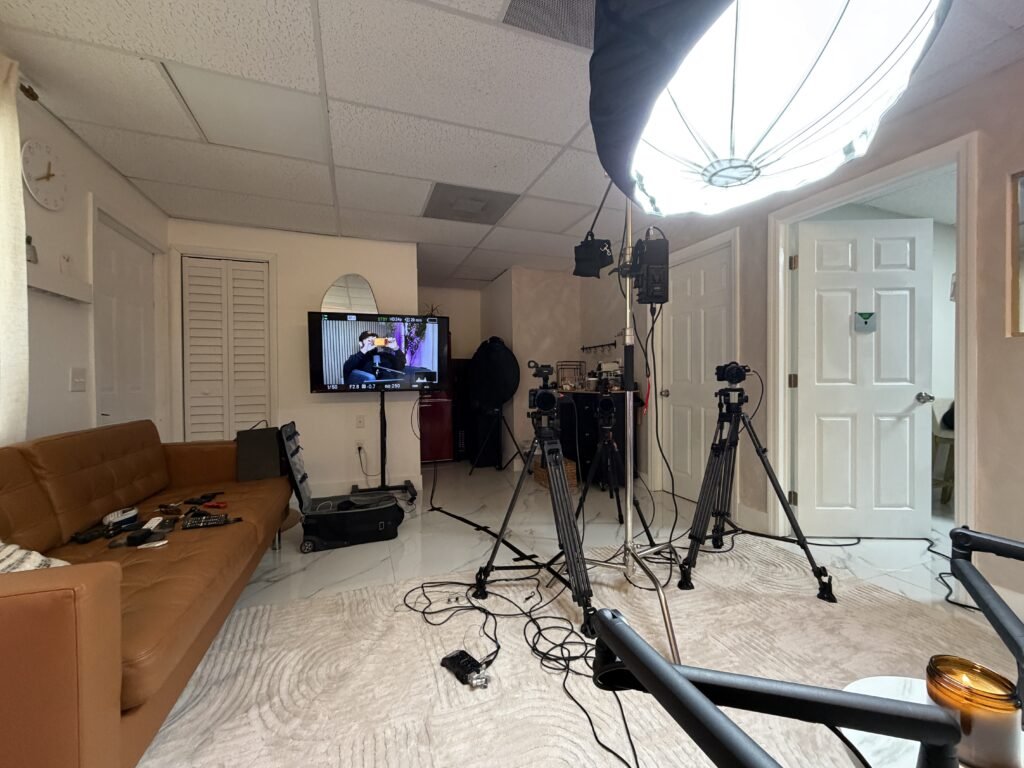
A studio with the right setup, a producer who plans for repurposing before the record button is pressed, and an editor who understands both long-form pacing and short-form hooks turns one session into a month of material instead of one video and a to-do list. It's also why ongoing content support tends to outperform a one-off shoot, the repurposing plan is built in from the start rather than figured out after the fact.
What This Looks Like in Practice
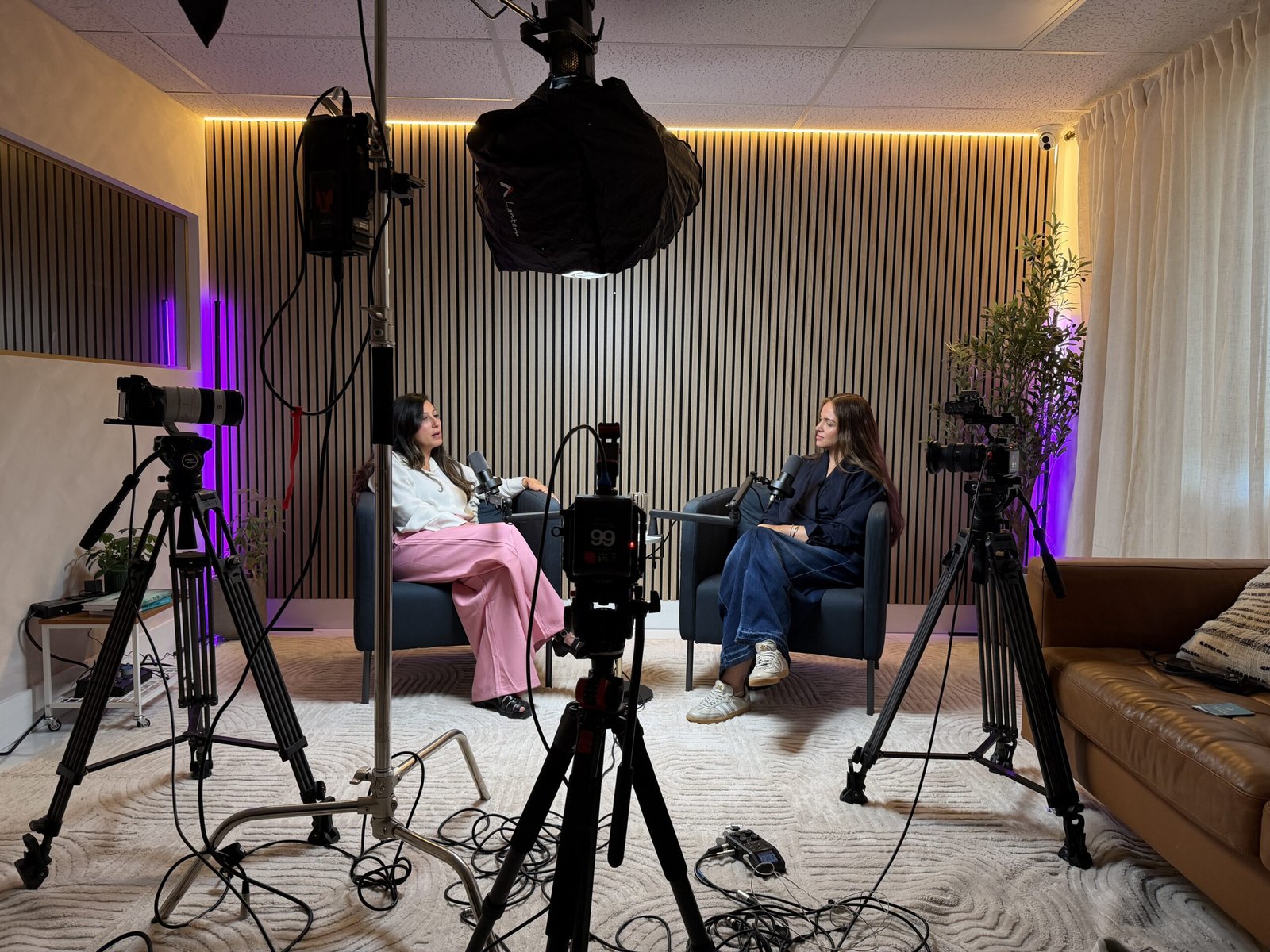
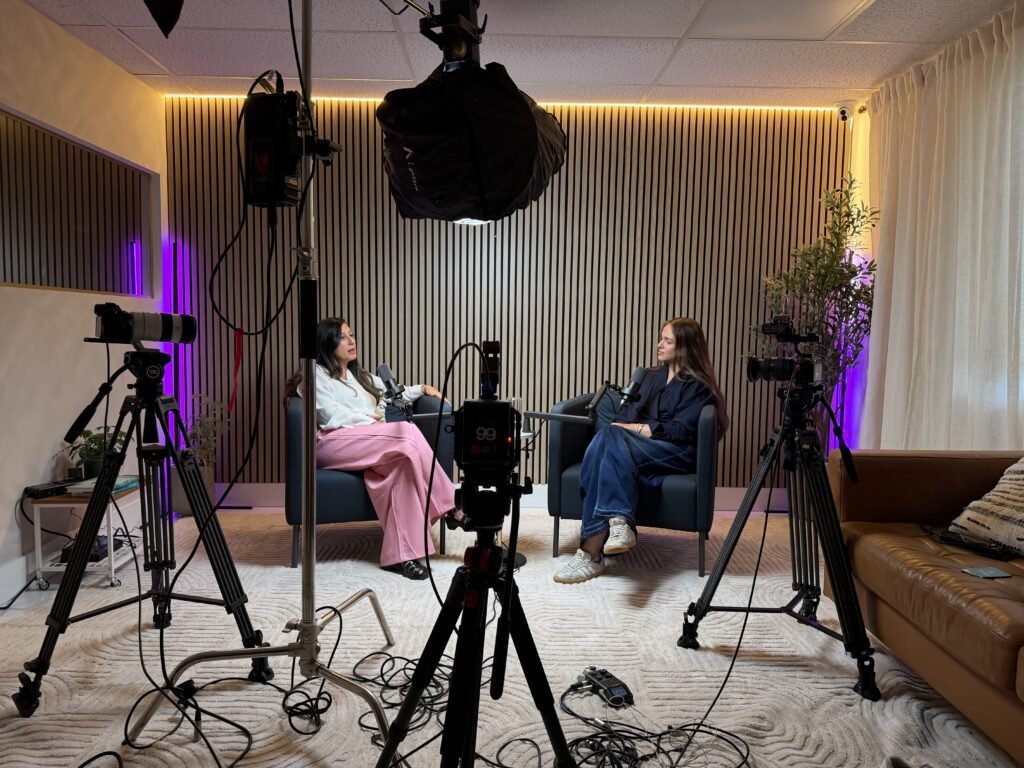
Picture a single two-hour block in a studio. A founder sits down for an hour-long conversation, planned around three or four moments worth quoting. Two cameras run the whole time, a wide shot and a tighter angle. A shotgun mic and two lavs catch clean audio regardless of who's talking.
From that one block: a full episode goes up wherever the podcast lives. An editor pulls eight clips built around the planned moments, captions each one, and schedules them across three weeks instead of one. The strongest quote becomes three graphics. The core idea becomes a blog article. A few behind-the-scenes stills from the session become their own posts. Two hours in a studio becomes roughly a month of a business staying visible, without anyone recording again until the next session.
Measuring What's Actually Working
It's tempting to judge a podcast by download numbers alone, but for most businesses that's the wrong metric to obsess over early on. The short-form clips are usually doing the real work, introducing the business to people who've never heard of it, while the full episode serves people who are already convinced enough to want more.
Watching which clips get shared, saved, or commented on, not just viewed, tends to be a better signal than raw view counts. A clip that gets sent from one person to another is doing something a clip that gets scrolled past isn't, regardless of which one has the bigger number attached to it. Over a few sessions, that pattern usually reveals which topics and which moments are actually worth planning more of.
The Real Return on One Session
Framed as "we recorded a podcast episode," a two-hour studio session is a modest line item. Framed as "we built four weeks of content," the same two hours looks like one of the more efficient investments a business can make in staying visible. The footage doesn't change. The plan for it does, and that plan is almost always the difference between content that compounds and content that disappears after one post.
That's really the whole idea. Not more recording. Better planning around the recording that's already happening, or about to.

Common Mistakes to Avoid
- Recording without a repurposing plan. Decide where the clips are going before the session, not after.
- Treating every clip the same. A hook that works at second one for a stranger is different from what a returning listener wants.
- Publishing everything at once. Spread the material across weeks, not days.
- Ignoring audio quality to save time. It's the single fastest way to lose a viewer.
- Scripting the host into sounding stiff. Plan the moments, not the sentences.
Who This Actually Works For
This approach isn't limited to businesses that think of themselves as "media companies." A doctor answering the same five questions patients ask every week already has a podcast's worth of material. It just usually happens once, quietly, in an exam room instead of in front of a camera. A real estate agent walking a listing already narrates the kind of detail that makes a great short-form clip. A law firm partner explaining a common legal misconception in plain language is more valuable content than most firms' entire marketing budget produces in a year.
Coaches and authors tend to have the opposite problem: too much to say, no structure for saying it. A planned interview format solves that too, by narrowing an hour down to the handful of ideas actually worth repurposing, instead of trying to cover everything in one unfocused recording.
Equipment Worth Owning vs. Worth Renting
Not everything needs to be purchased before a first episode. A decent microphone is worth owning early. It's used every single session and the quality difference is immediately obvious. Lighting, backdrops, and a proper acoustic environment are usually better rented through studio time until there's a clear, ongoing weekly cadence that justifies building it out permanently.
The mistake worth avoiding is the reverse order: buying a full lighting and camera kit before recording a single episode, then discovering the format, frequency, or audience isn't quite what was expected. Renting a proper space for the first several sessions makes that adjustment nearly free. Buying everything up front makes it expensive.
Final Thoughts
The businesses getting real value from podcasting aren't necessarily the ones recording the most. They're the ones treating a single well-planned session as the beginning of a month of content, not the end of an afternoon's work.
Frequently Asked Questions
How much content can really come from one podcast episode?
A properly planned hour-long session can reasonably produce 6–10 short-form clips, several quote graphics, a blog article, a newsletter, and multiple social posts, enough to stay visible for two to four weeks from a single recording block.
Do I need a professional studio to start a podcast?
No, plenty of podcasts start with a laptop and a decent microphone. A studio starts to make sense once the bottleneck shifts from getting started to consistently planning, shooting, and repurposing episodes well every week.
What matters more for podcast video: lighting or audio?
Audio. Viewers tolerate imperfect lighting far more than audio they have to strain to hear. If choosing where to invest first, prioritize clean, close-mic’d audio over camera or lighting upgrades.
How often should short-form clips be published after a recording session?
Spread across two to three posts per week rather than all at once. Publishing everything immediately burns the material fast and reads as a content dump instead of a steady, trustworthy presence.
That pacing question is really a smaller version of a bigger one worth asking about your whole content calendar, whether the goal is staying visible or actually saying something. More on that here: stop making more content.
If you're thinking about starting a podcast, or getting more out of the one you already have, we'd love to help you bring it to life. Whether you need a studio, production support, editing, or a complete content strategy, let's create something worth sharing.
Related Posts

I Planned a Finger Lakes Trip Around One Waterfall
I Drew the Logo Fifteen Years Before I Owned a Camera