How it works
What working together actually looks like
The stages, how long each one takes, what moves the price, and what I need from you. No mystery, and no quote until you and I have talked about what the film is for.
It starts with a conversation, not a package
Every project starts with a conversation about what the film needs to accomplish. Not a menu. Some businesses need one strong hero film. Others need a hero film plus a stack of social cuts built to run for months. The price follows the actual scope: pre-production, crew, shoot days, and what the edit has to deliver.
Bring the rough idea and you walk away with an actual number rather than a range.
What you are actually paying for
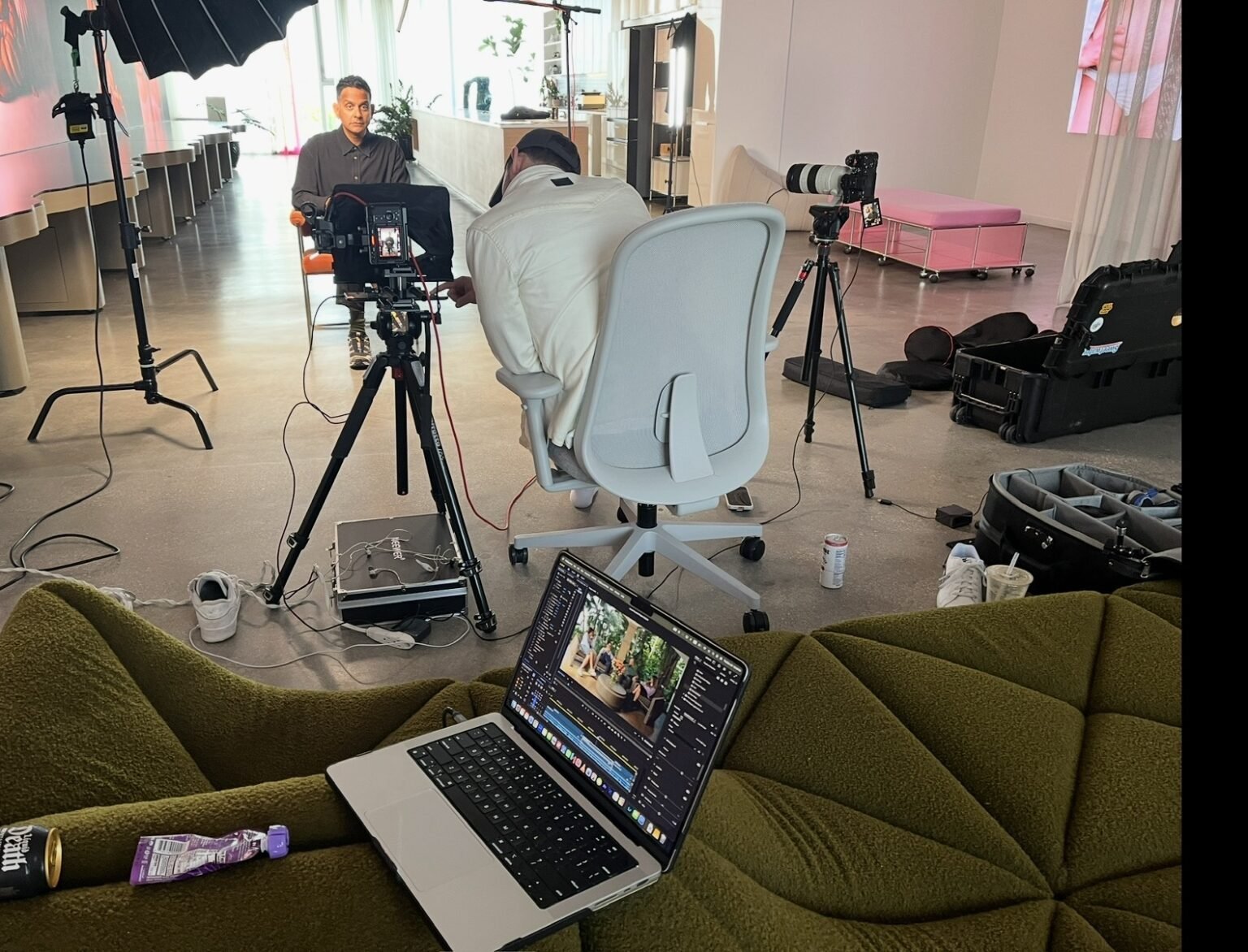
Not camera time. A brand film is pre-production, which is working out what story you are telling and why, then the shoot, then post: editing, colour, sound design and motion graphics if the film needs them. Post routinely takes longer than the shoot did. A one-day shoot commonly has a week or two of editing behind it.
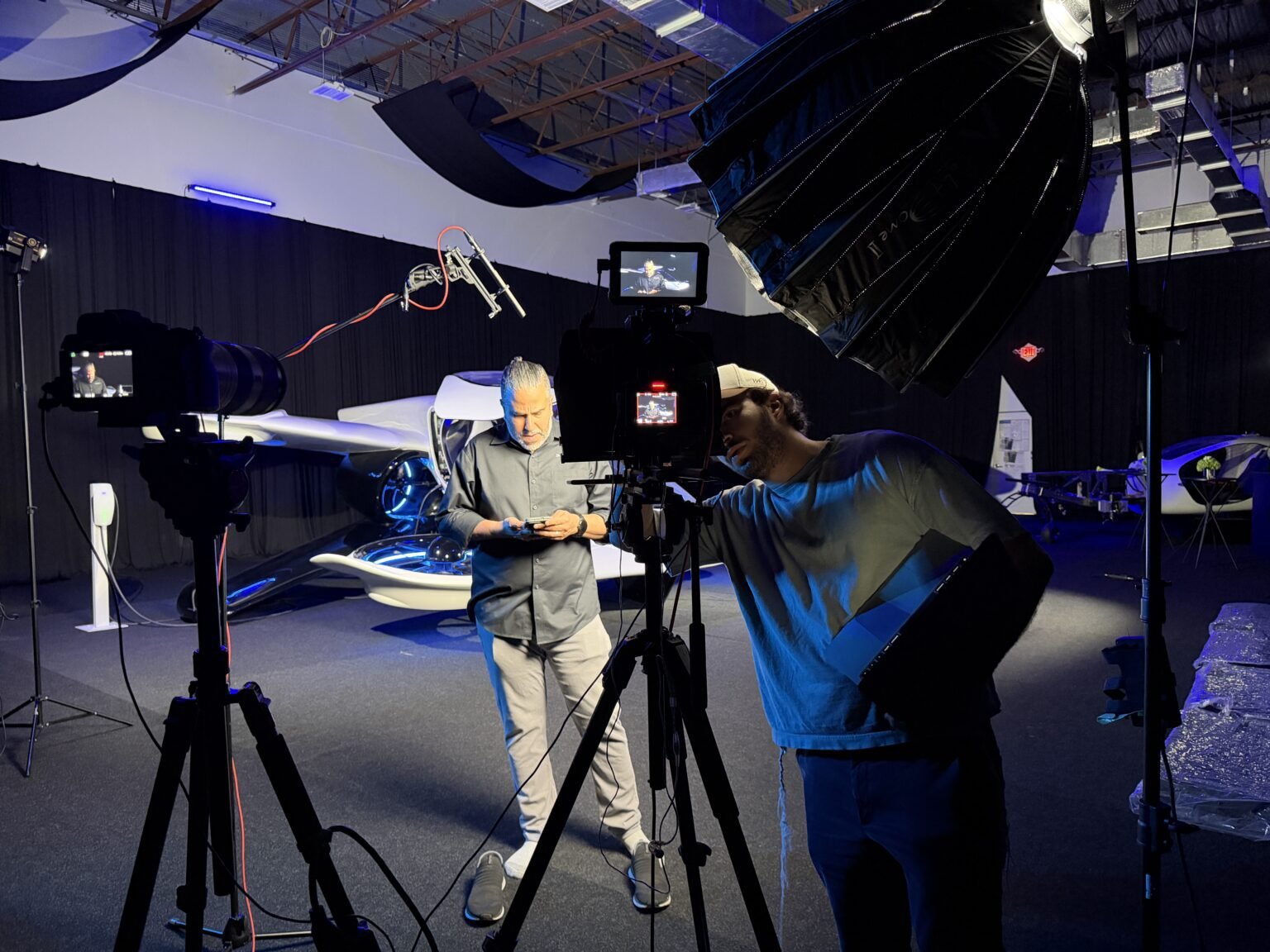
Pre-production, 1 to 3 weeks
Concept, script or shot list, location scouting, scheduling. Rushing this is the single most common reason a film ends up generic, because there was never time to work out what made the story specific to you.
The shoot, 1 to 3 days
A single location on a single day is the norm. Multi-location or multi-day work needs more lead time, because locations, talent and crew all have to be scheduled around each other.
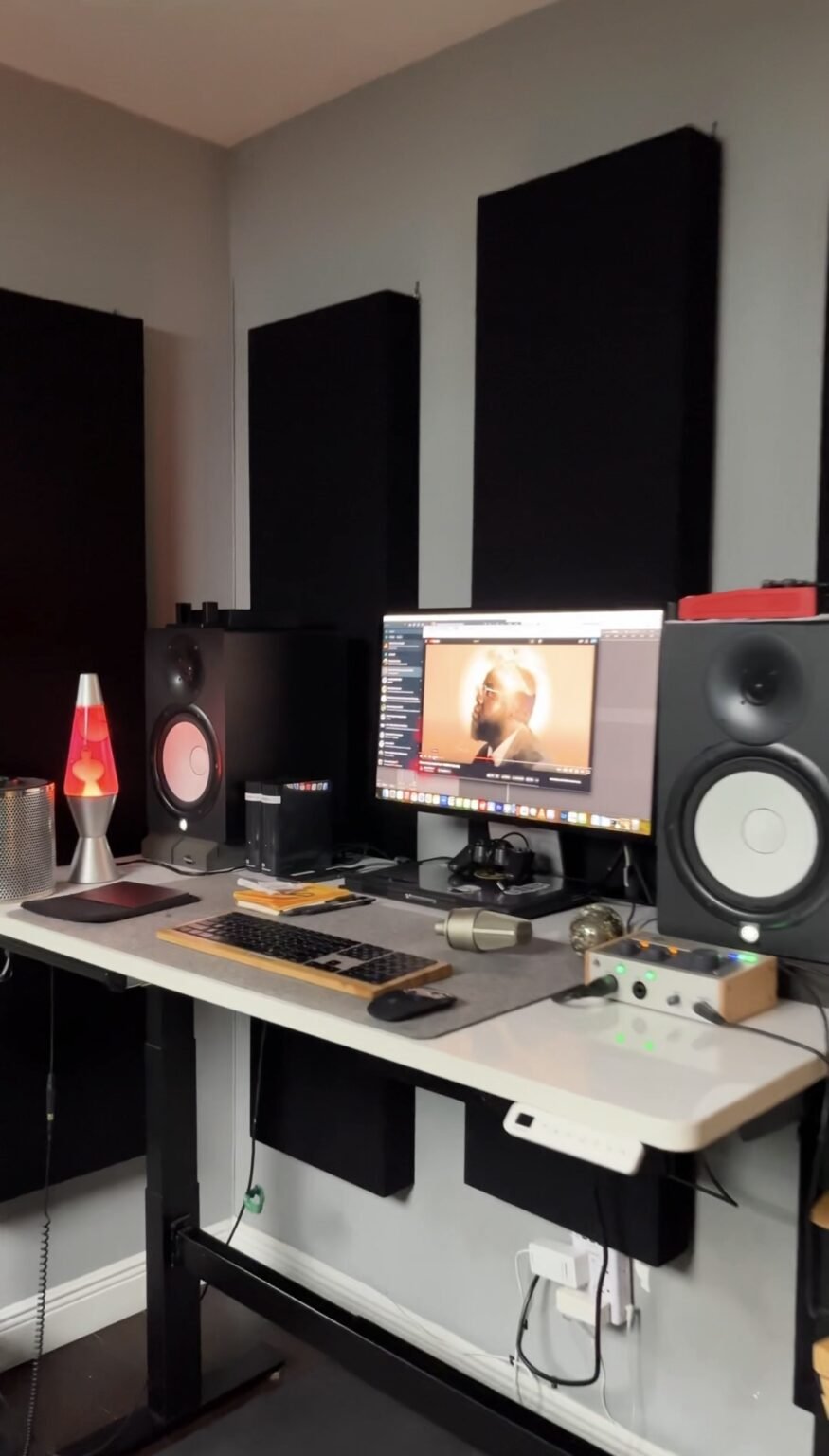
Post-production, 1 to 4 weeks
A single hero film is usually a week or two. Add motion graphics, a custom score, or several cutdowns for different platforms and it stretches to three or four. This is also where most of the back and forth happens.
Start to finish, 3 to 7 weeks
If you have a hard date, a product release, an event, a campaign start, work backward from it and build in buffer. Post is the stage most likely to run long, not the shoot.
What moves the number
How much pre-production it needs. A film with a script, a shot list and real creative direction costs more up front than a loose “come film our team for a day” shoot. It is also the difference between a film that feels intentional and b-roll with music over it.
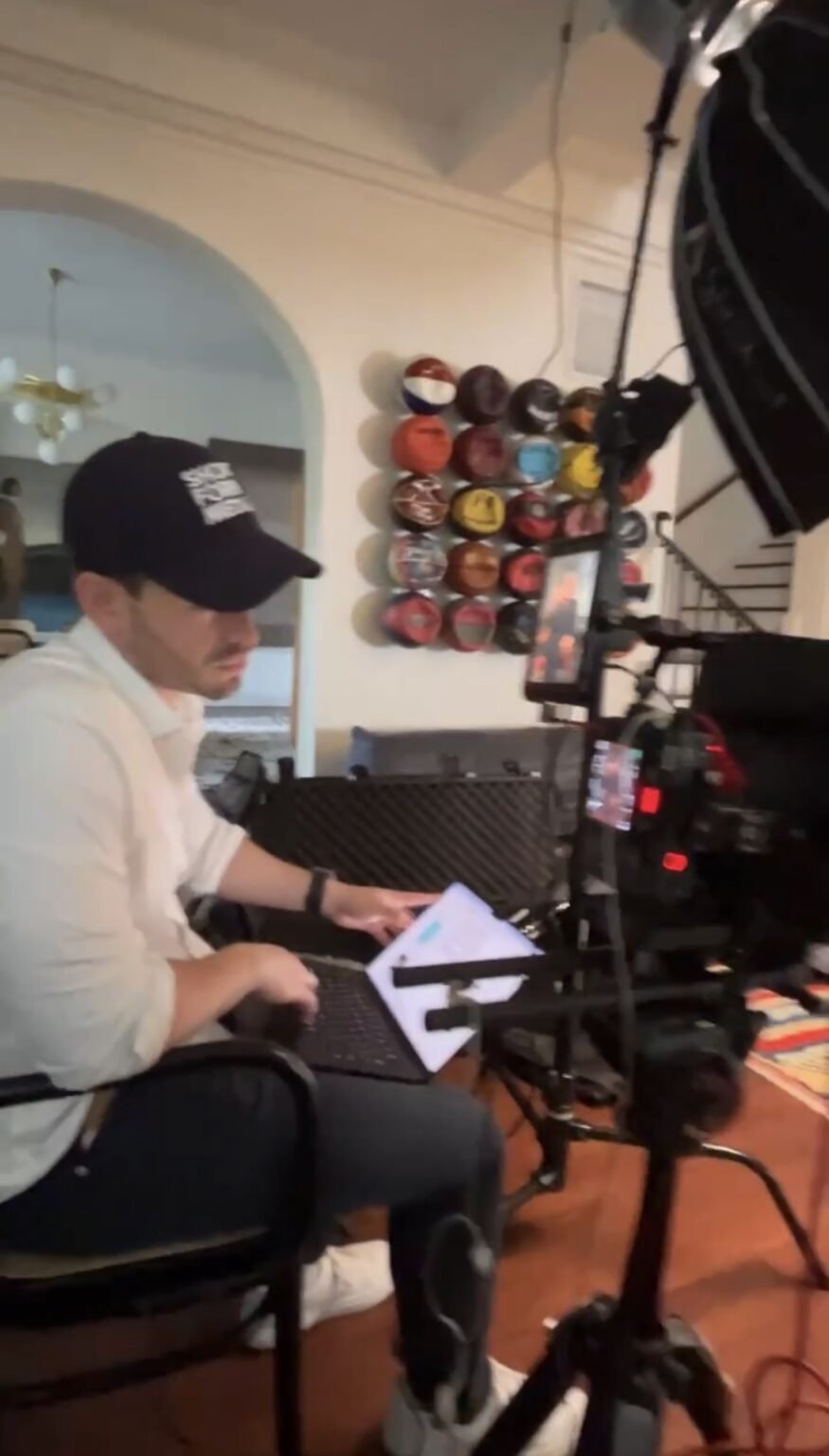
Shoot days and crew size. One shooter for a half day is the low end. A full day with a second camera, lighting and audio moves the price because you are paying for more hands and more usable footage, not just more hours.
Locations. One keeps it simple. Your office plus a client site plus a product location in one day adds setup and travel that shows up in the quote.
Interviews. On-camera interviews add direction time on the day and a lot more editing, because shaping a narrative out of raw conversation is a different job to cutting b-roll to music.
Graphics, animation or a custom score. A logo animating in, custom lower thirds, licensed or original music. All of it costs more than a film that leans entirely on footage.
Where the film runs. A film for your own website and social is priced differently to one for paid advertising, broadcast or a national campaign. Usage rights are a real pricing factor, not a formality.
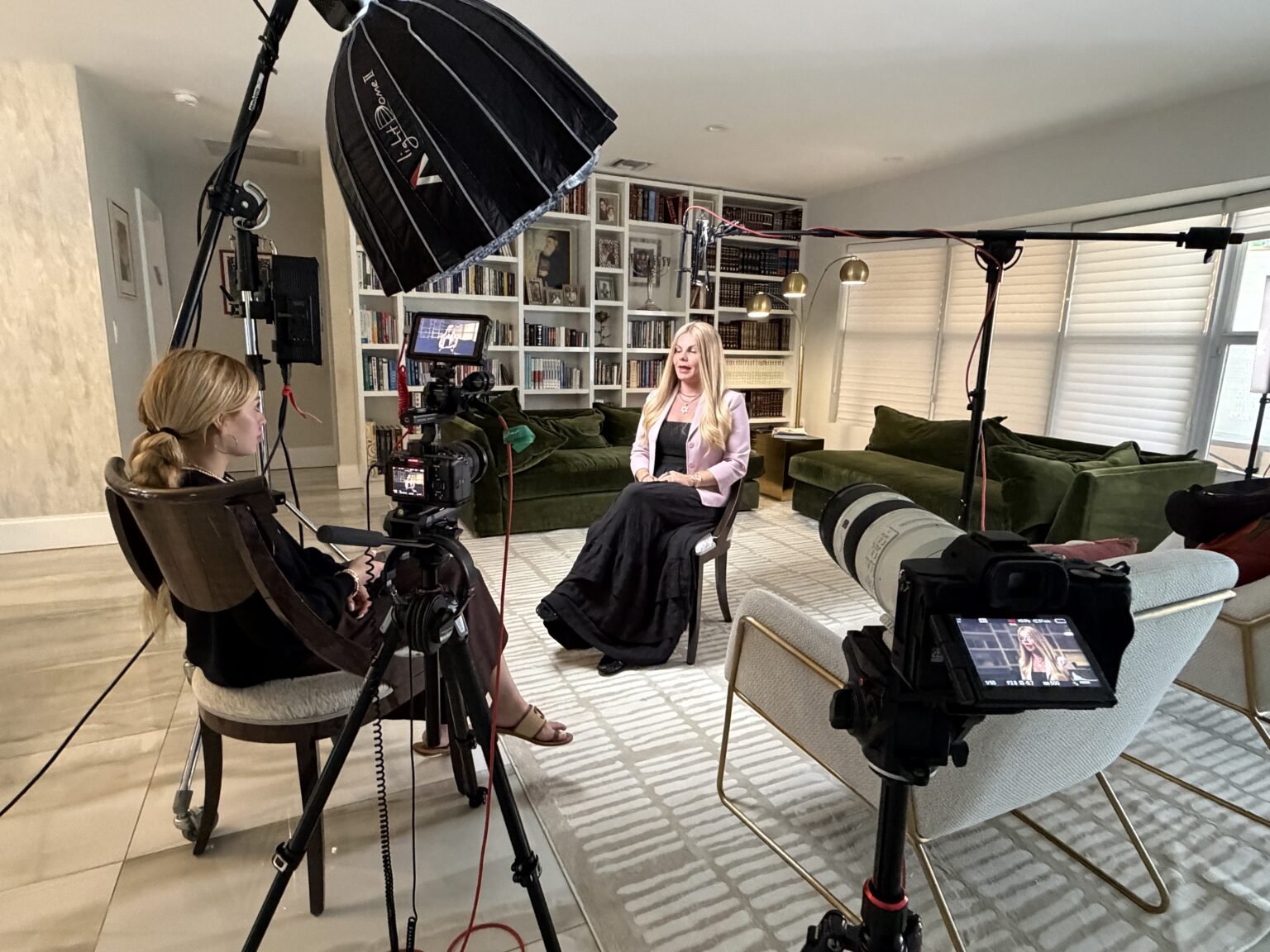
Legacy films run differently
Same care, a different shape, because the subject is a person rather than a business.
A conversation first. Before any camera comes out, you and I talk through which stories actually matter. Not every legacy film covers a whole life. Some are one chapter: immigrating, building a business, surviving something hard.
The interview. One to three hours, in a familiar setting, with thoughtful questions rather than a script. The goal is not a performance. It is getting someone talking naturally enough that the camera disappears.
Supporting material. Old photographs, letters, home video, and sometimes footage of the places that matter, folded in during the edit to give the interview texture.
The edit. Where the real craft is. Finding the through-line in hours of conversation and shaping it into something that holds attention rather than a recording of someone talking.
What it costs
Brand films start at $5,000. Legacy films start at $2,500. Photography starts at $500. The final number is set by scope rather than a package tier, which is why the conversation comes first.
The full breakdown of what drives a brand film price is in the brand film cost guide, and the legacy film process is covered in more depth in what is a legacy film.
The terms, up front
Half the fee is due on signing, which is what holds the date and the crew. Two rounds of revisions are included; any further revision list is $250. Raw footage and project files are not included as standard and can be added for $500. Finished work is delivered by download link and stays available for a month. Cancelling needs two weeks’ notice before the shoot date.