Case Study
They Gave Me the Keys
Two cabins in New Hampshire's White Mountains, an ongoing relationship with a hundred-property rental company, and the difference between photographing where someone will stay and why they'll want to go.
- Client
- Bretton Woods Vacations
- Industry
- Real Estate & Hospitality
- Year
- 2024
Some properties are easy to photograph. Walk in, find the angles, make the rooms look good, get the exterior, send the gallery.
A great vacation rental needs more than that, because nobody travels to the White Mountains for a kitchen and three bedrooms. They're coming for New Hampshire. The mountains, the forests, the winding roads, the waterfalls, the cold mornings, the fire outside at night. The feeling of disappearing somewhere beautiful for a few days.
That's what these photographs had to sell.
The client
Who they are
Bretton Woods Vacations manages over a hundred properties across the Northern White Mountains, log cabins, slope-side condos, lakefront homes, in the corridor between Crawford Notch and Franconia Notch, near both the Bretton Woods and Cannon Mountain ski areas. Haute Living has called them one of New England's leading vacation rental companies.
Which means their entire business runs on photographs. Nobody drives two hours from Boston to walk through a cabin before booking it. They look at pictures on a screen, decide how a weekend there would feel, and commit. For a company like this, the photography isn't marketing alongside the product. It is the product, in the only form the customer sees before paying.
The first shoot
The first cabin
I flew into Portland, Maine and drove west.
It wasn't a trip where I wanted to race between destinations. I drove the Kancamagus Highway, stopped at covered bridges and waterfalls, explored mountain towns, and watched the landscape change as I moved deeper into New Hampshire.
By the time I reached Bretton Woods I understood why people come here. That mattered, because when I walked into the first cabin I wasn't only thinking as a photographer. I was thinking as the traveler who might book it.
What would make me want to stay?
The idea
Not rooms. An experience.
Real estate photography and hospitality photography overlap, but they aren't the same job.
With real estate, you're documenting a property so someone can evaluate it. With hospitality, you're asking someone to imagine themselves inside it. Those are different pictures.
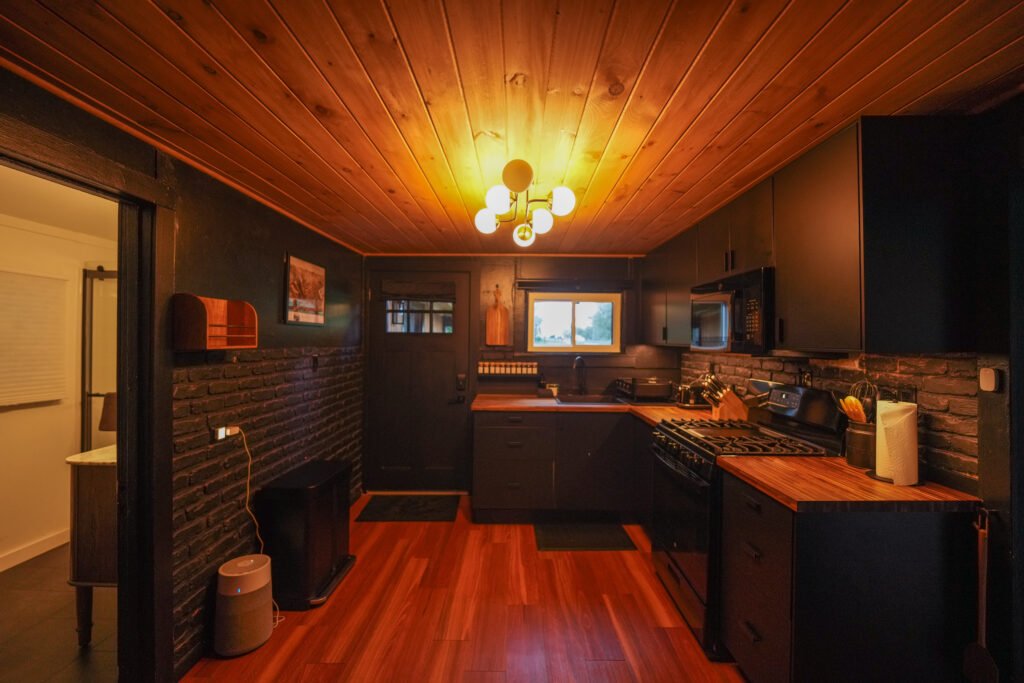
Which changes how you light. Cabins are dark on purpose: timber walls, deep porches, small windows built to hold heat through a New Hampshire February. The standard fix is to switch on every light in the house and fire a flash into the room until every corner reads the same. What comes back is accurate, complete, and dead. A floor plan with furniture in it.
I'd rather let a room keep its contrast. Let the corners fall away. Let one shaft of afternoon light through a window carry the frame and leave everything else quiet. A cabin at four in the afternoon in October doesn't look like a cabin at noon, and it shouldn't.
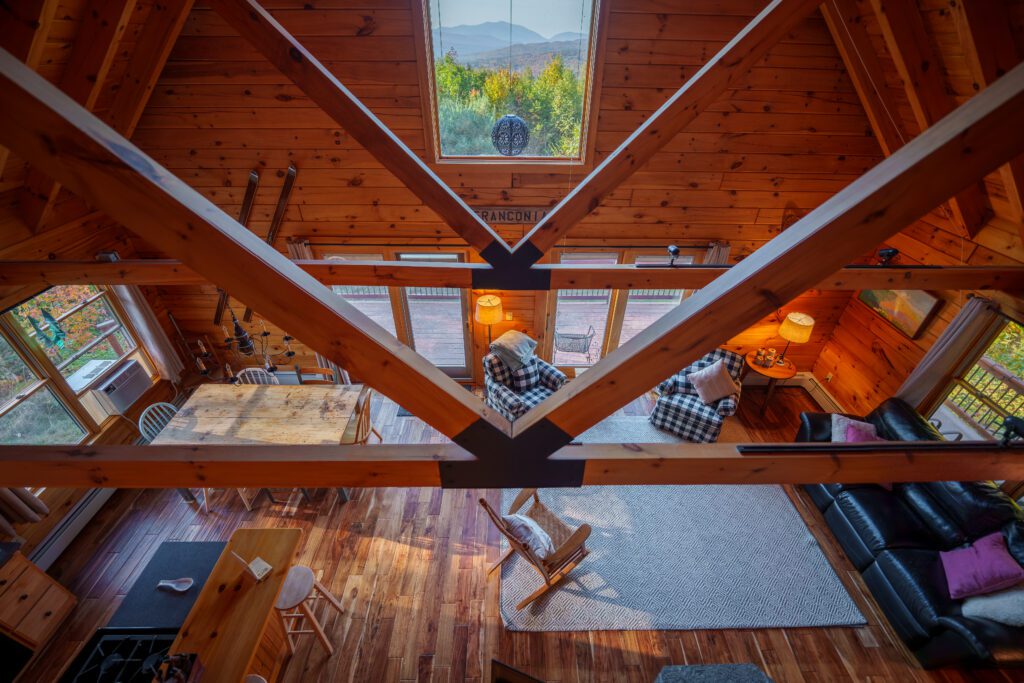
So yes, the bedrooms, the kitchen, the living spaces, the architecture. But equally: the warmth of the place, the view out the window, the relationship between the house and the woods around it, the chair you'd end up in after a day in the mountains.
They also asked for lifestyle images. There's no faking those and nothing was staged waiting for me, so I drove out, bought wine and a pizza, brought it back, and shot the evening the way a guest would actually spend it. That's usually what lifestyle work turns out to be: not a production, just being willing to go get the thing the picture needs.
On location
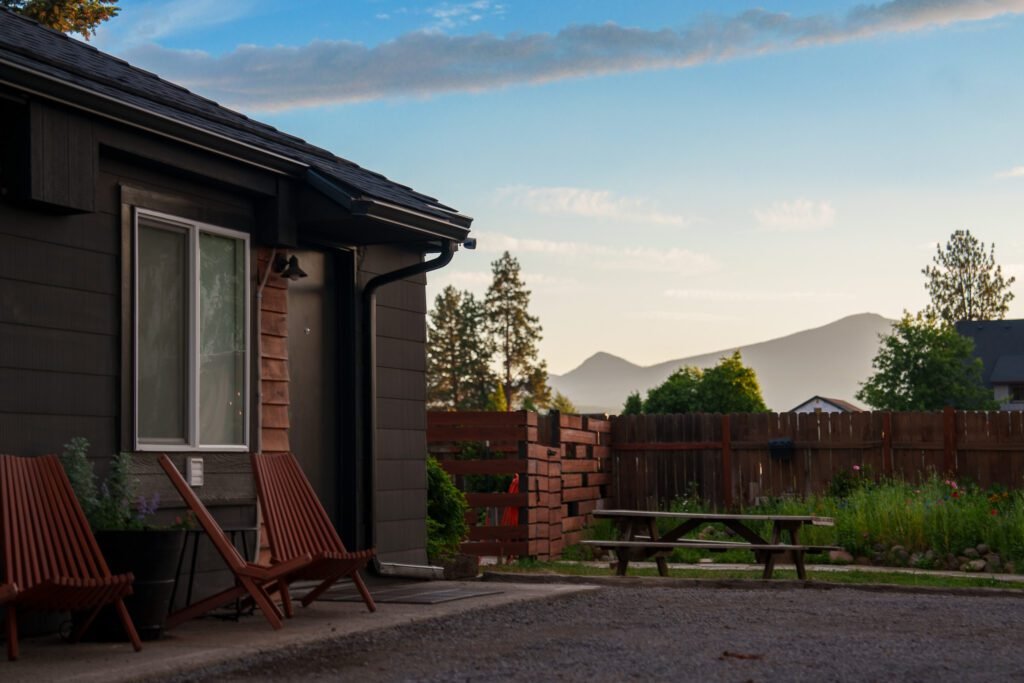
The mountains were part of the shoot
The property didn't exist in isolation. Outside it were some of the best landscapes in New England: Sabbaday Falls, Lower Falls, the Albany Covered Bridge, Crawford Notch, Echo Lake, Flume Gorge. I'd been photographing this region for years before I ever photographed a cabin in it. (More on that in Chasing Waterfalls.)
Everywhere I went reinforced the same idea: the destination is part of the product.
Someone scrolling a listing isn't deciding which bed to sleep in. They're imagining the trip. The drive through the mountains, the hike that morning, the coffee after, the fire at night, the silence when everyone finally goes inside. The cabin is home base for all of it, and the images have to carry that.
The journey
The long way back
Some months later I was in northern New England again, this time through Vermont during foliage season.
Completely different landscape. Route 100, small towns, farms, covered bridges, mountain roads cutting through unreasonable stretches of red and orange. I spent time around Warren, Waitsfield, Waterbury and Stowe, photographing Vermont at the one moment in the year when it's hard to imagine the place looking better.
Heading back toward Boston, I had a choice: three hours down the interstate, or cut east across New Hampshire and take the long way.
I took the long way. That put me through Franconia Notch with the whole range lit up, and up to Artist's Bluff, a short steep climb that opens onto Echo Lake with Cannon Mountain across the water and the notch running south. I nearly skipped it, wrecked from the Vermont push beforehand and the climb being a short one but a steep one. I went up anyway. It was the best photograph of the trip.
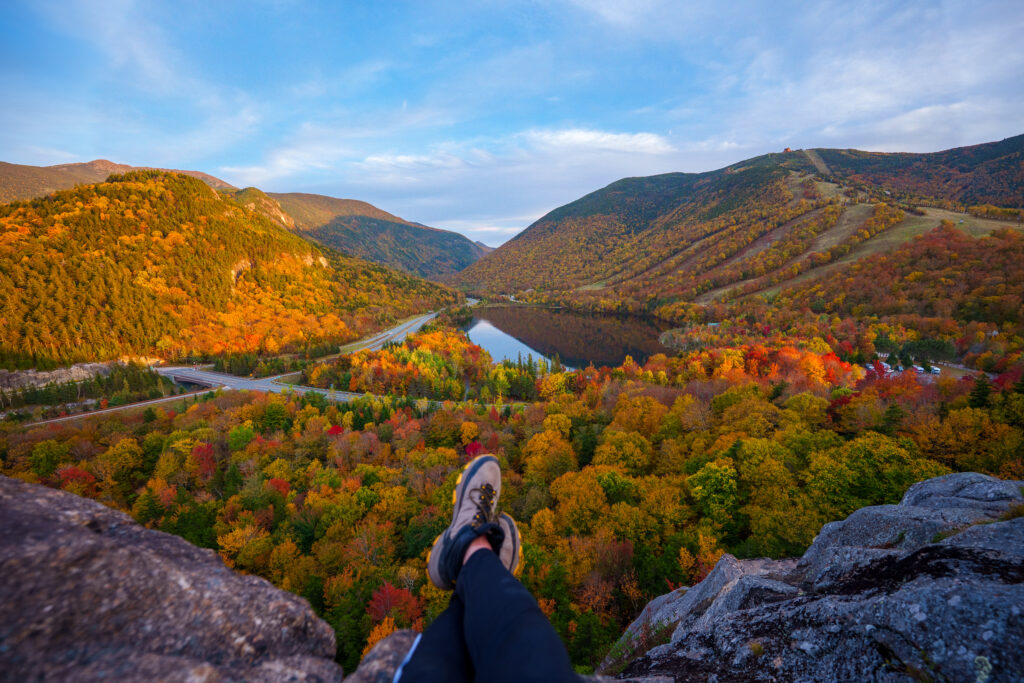
Standing up there, I messaged Bretton Woods and asked about a second cabin.
They just said yes.
That's the part I'd point at if you manage properties and you're wondering whether this is worth anything. A company running over a hundred homes handed the keys to someone who lives fifteen hundred miles away, twice, because the first set of photographs had already answered the question.
Round two
Round two
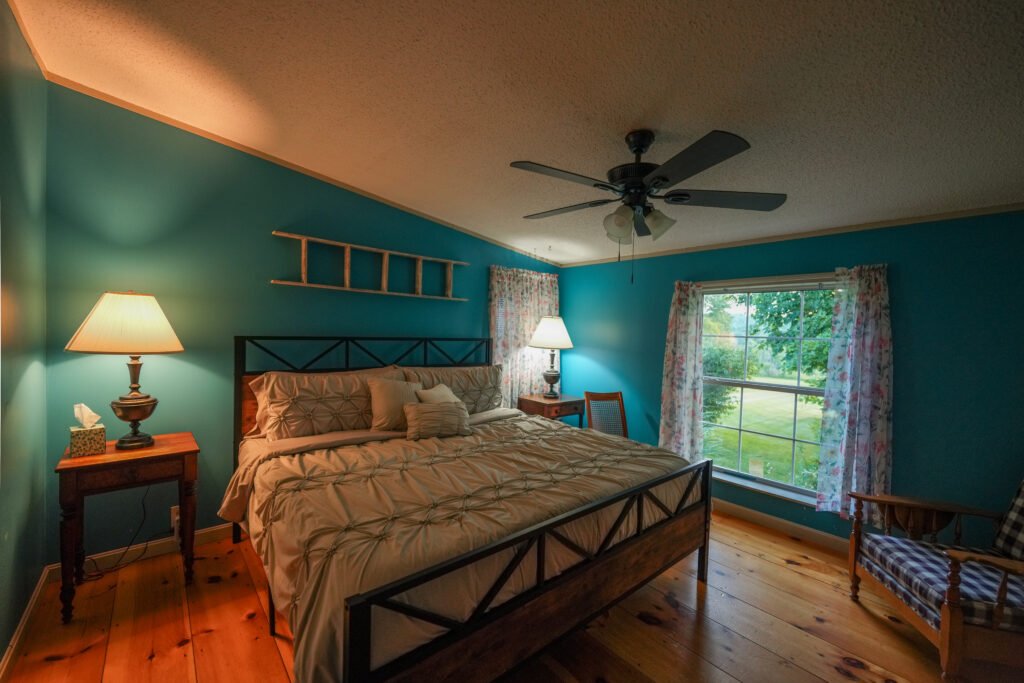
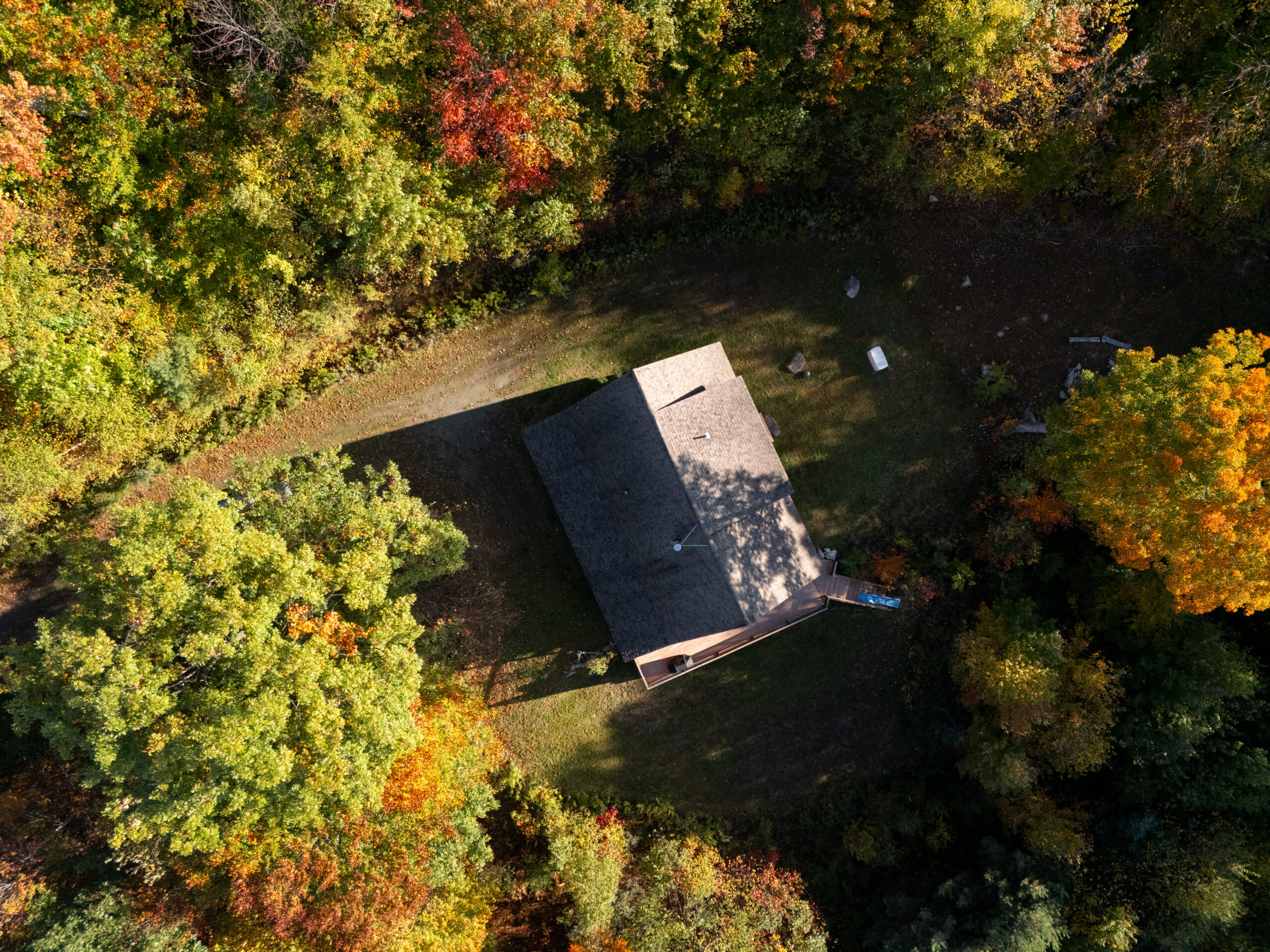
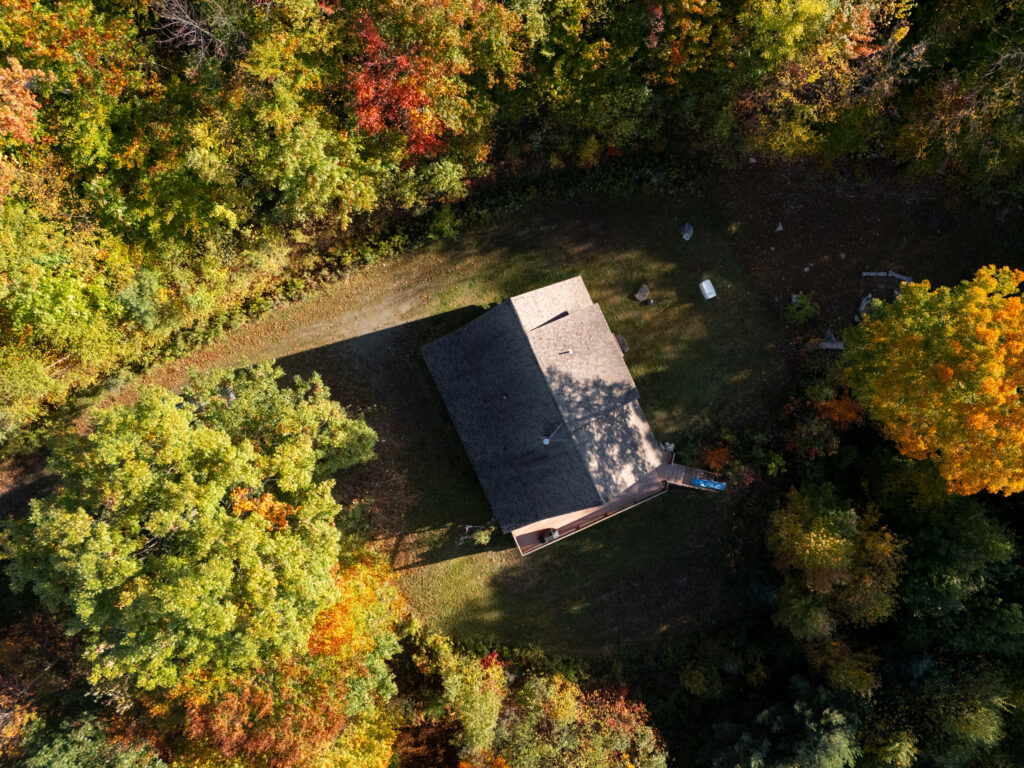
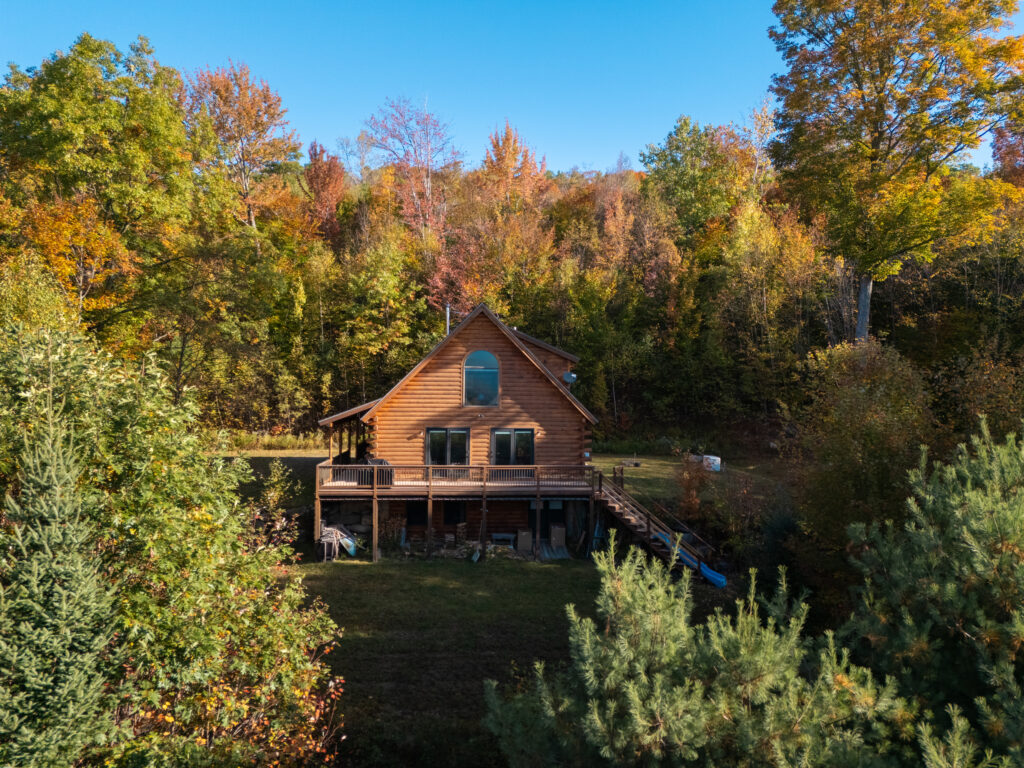
This one got everything. Interiors, exteriors and aerials again, but now with the White Mountains in full color, drone up through the red and orange with the roofline sitting in the middle of it.
And the outdoor spaces photographed in use rather than sitting empty. The grill going. The fire pit. The property settling into evening.
Then, once the sun was gone, I kept shooting.
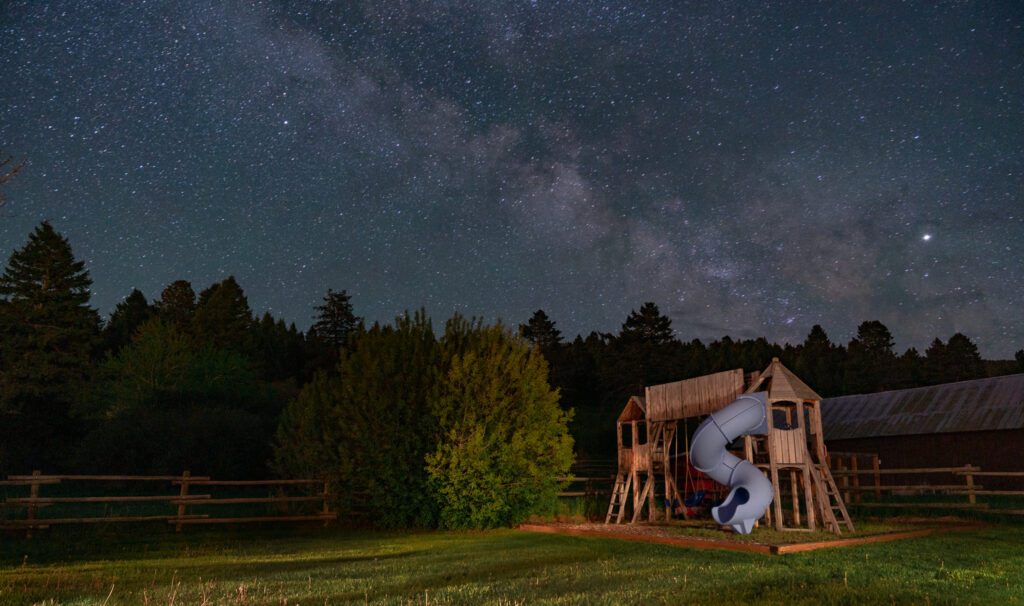
One of the remarkable things about being this far into the mountains is the darkness. Real darkness: far enough from Boston and Montreal that on a clear night you get depth, not a handful of bright stars over light pollution. So I added astrophotography to the gallery, because that's part of what someone is traveling here to experience, and most people booking a cabin have no idea it's included.
My approach
Why I shoot hospitality differently
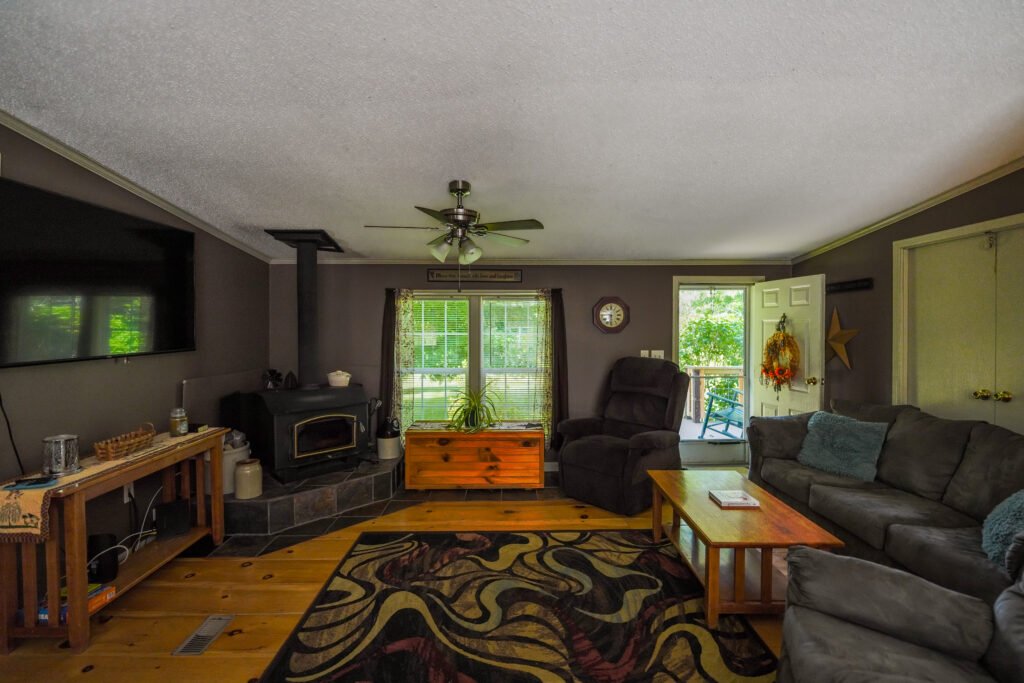
A property can be worth hundreds of thousands of dollars, or millions. The owner can spend another small fortune designing it, furnishing it, building a guest experience around it.
And then the entire decision about whether anyone books it comes down to a handful of photographs on a screen.
That's an extraordinary amount of weight for a few images to carry.
So the job isn't making a property look bigger. It's working out what the property is actually offering, architecture, or luxury, or privacy, or a view, or sitting around a fire with your family after a day of hiking, and translating that into pictures.
Why it matters
What travel has to do with it
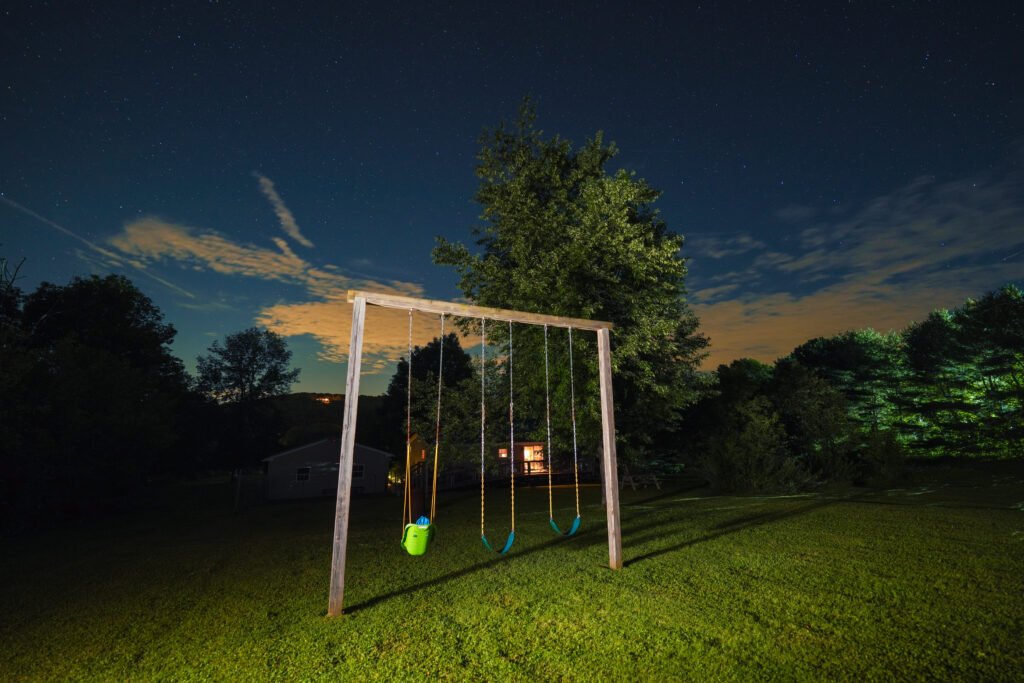
I've photographed across dozens of states and countries, and the part that still interests me isn't seeing somewhere new. It's working out what makes a place feel like itself.
Driving Maine, New Hampshire and Vermont gave me context I wouldn't have had if I'd flown in, shot the cabins, and left. I'd driven those roads, walked those trails, stopped at the waterfalls, watched the mountains change across weather and seasons. I knew what it felt like to finish a long day out there and come back to somewhere warm.
That understanding ends up in the work whether you intend it to or not.
The outcome
The result
One cabin became two shoots and an ongoing relationship with Bretton Woods Vacations.
But the real result was a way of thinking about this work that I've carried into every hospitality project since:
Don't just photograph where someone will stay. Photograph why they'll want to go.
Good hospitality imagery sits between architectural photography and storytelling. The architecture establishes the property. The details create intimacy. The lifestyle frames create imagination. The aerials establish place. The landscape completes it.
Put those together and you're not showing someone a rental. You're showing them their next trip.
If you manage a vacation rental, boutique hotel, resort, cabin, lodge or destination property, the imagery should communicate what you've actually built. I photograph hospitality properties throughout Florida and travel for projects across the U.S. and internationally: interiors, exteriors, aerial, lifestyle, and destination content built around the experience you're selling.
Have a property worth traveling for? Start a project →
Full Gallery