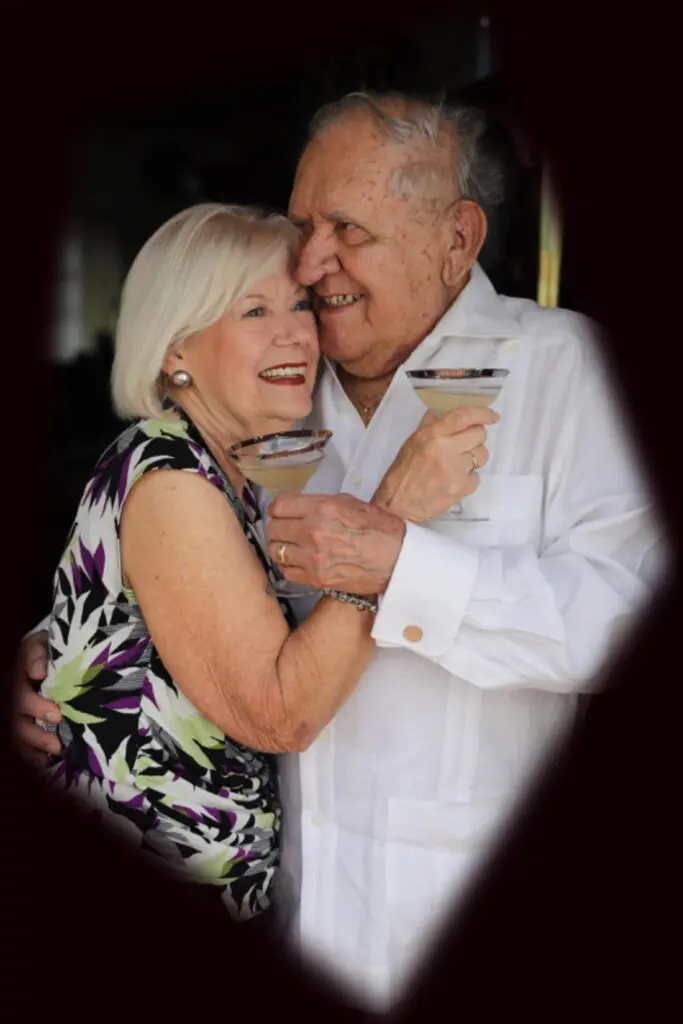
There’s a specific kind of regret that shows up after someone passes: not a photo you wish you’d taken, but a story you wish you’d asked about while you still could. A legacy film exists to close that gap — and most people don’t know it’s something they can actually book, the same way they’d book a photographer.
What a legacy film actually is
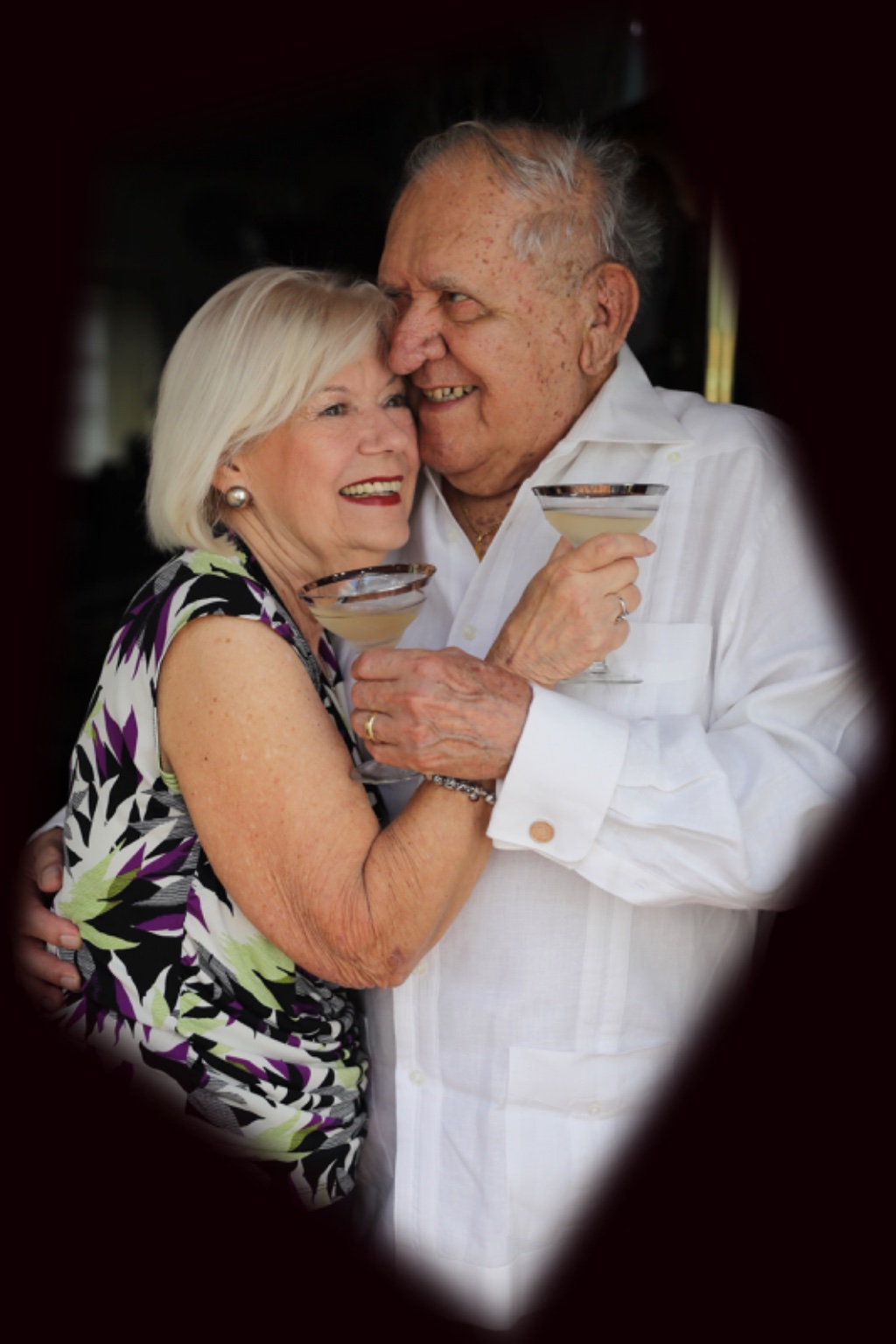
A legacy film is a documentary-style video built around one person (or a couple) telling their own story, in their own words, on camera — their childhood, how they met their spouse, the business they built, the choices that shaped their life. It’s not a highlight reel. It’s closer to an oral history, shot well enough to actually watch and rewatch.
Most legacy films run 15 to 45 minutes, built from a longer interview (often 1-3 hours of raw conversation) edited down to the parts that carry the most weight, paired with old photos, home videos, and sometimes footage of the places that mattered to their story.
Who this is actually for
The obvious answer is aging parents or grandparents, and that’s often the trigger — a milestone birthday, a health scare, a “we should really do this before it’s too late” conversation at a family dinner. But legacy films aren’t only for the elderly. Some families book them:
- Before a major surgery or medical event, when there’s real urgency
- Around a milestone — a 90th birthday, a 50th anniversary
- For a family business founder, to preserve the origin story before it becomes secondhand
- For someone terminally ill who wants to leave something intentional behind, not just be remembered through old photos
There’s no wrong time to do this. The only wrong time is after.
What the process actually looks like
A conversation first. Before any camera comes out, it’s worth talking through what stories matter most to capture — not every legacy film needs to cover someone’s entire life; some focus on one chapter (immigrating to a new country, building a business, surviving something hard).
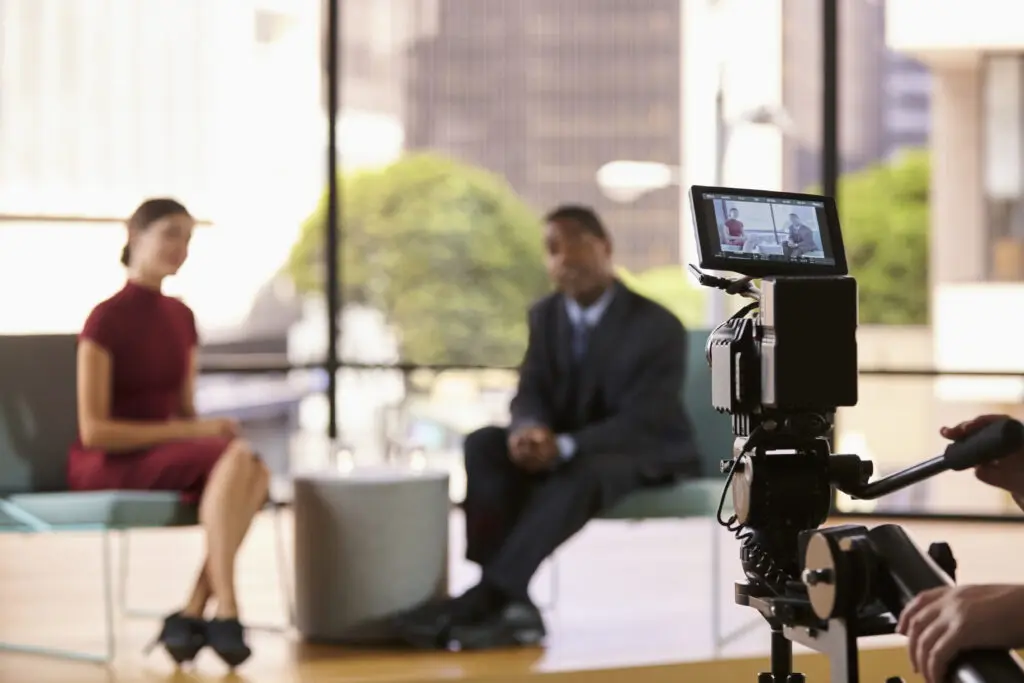
The interview. This is the core of the film — usually 1-3 hours, in a comfortable, familiar setting, with thoughtful questions instead of a script. The goal isn’t a performance. It’s getting someone talking naturally enough that the camera disappears.
Supporting material. Old photos, letters, home videos, and sometimes b-roll of meaningful places get folded in during editing to add texture around the interview.
The edit. This is where the real craft happens — finding the through-line in hours of conversation and shaping it into something that holds attention and actually feels like a story, not just a recording.
What makes a legacy film different from “just filming an interview”
Anyone with a phone can record their grandfather talking for twenty minutes. What separates a real legacy film is the editing — knowing which stories to keep, which digressions to cut, how to pace it so it doesn’t feel like homework to watch. A legacy film should be something the family actually wants to put on at Thanksgiving, not something that gets watched once out of obligation and never again.
“What if they don’t want to be filmed?”
This comes up more than you’d think, and it’s worth addressing directly. Plenty of people who’d never call themselves camera-shy still tense up the moment a lens points at them for something that feels like “a big deal.”
A few things help: keeping the setting familiar (their own living room beats a studio, every time), letting them know upfront that this isn’t a performance — there’s no script, no retakes for saying something “wrong,” and long pauses or “let me start over” moments get edited out anyway. Sometimes the person doing the asking matters more than the setting — a grandchild gently pushing for this tends to get a warmer response than a formal request. And if someone’s still hesitant, starting smaller helps: a 20-minute conversation about one specific memory is a much easier yes than “let’s document your whole life.”
Where a legacy film actually gets watched
Families keep these in different ways — some burn it to a drive and treat it like the family heirloom it is, others put it in a private link they can pull up at Thanksgiving, a milestone anniversary, or a shiva. It’s common for a legacy film to sit quietly for a year or two and then suddenly become the most-watched thing a family owns, usually right after the person in it has passed. That’s not a coincidence — it’s exactly the job the format is built for.
A note on timing
If there’s a parent or grandparent whose story you’ve thought about capturing “eventually” — this is the gentle push to stop waiting for eventually. Health changes fast. Memory changes faster. The stories that feel like they’ll always be there to ask about later are exactly the ones that don’t wait.
How Dov approaches legacy films
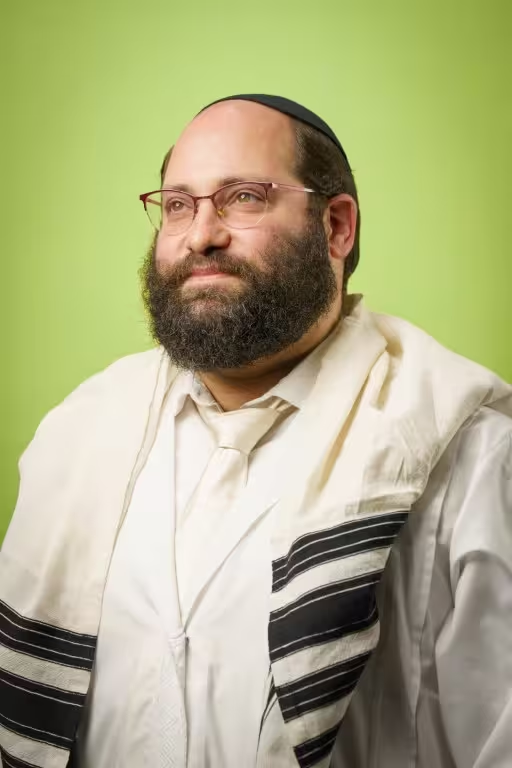
Every legacy film starts with time spent understanding what actually matters to the family — not a rigid interview template. Shot and edited with the same care as a wedding film, because it deserves exactly that: something that gets watched again in five years, in twenty, long after the conversation itself is just a memory.
If you’ve been meaning to do this for someone in your family, start the conversation now — it costs nothing to talk it through, and there’s no version of this where “too early” is a real problem.
See more of Dov’s work: Reviews on Yelp · Book on Thumbtack · Studio on Peerspace · Video reel on Vimeo · Behind the scenes on TikTok